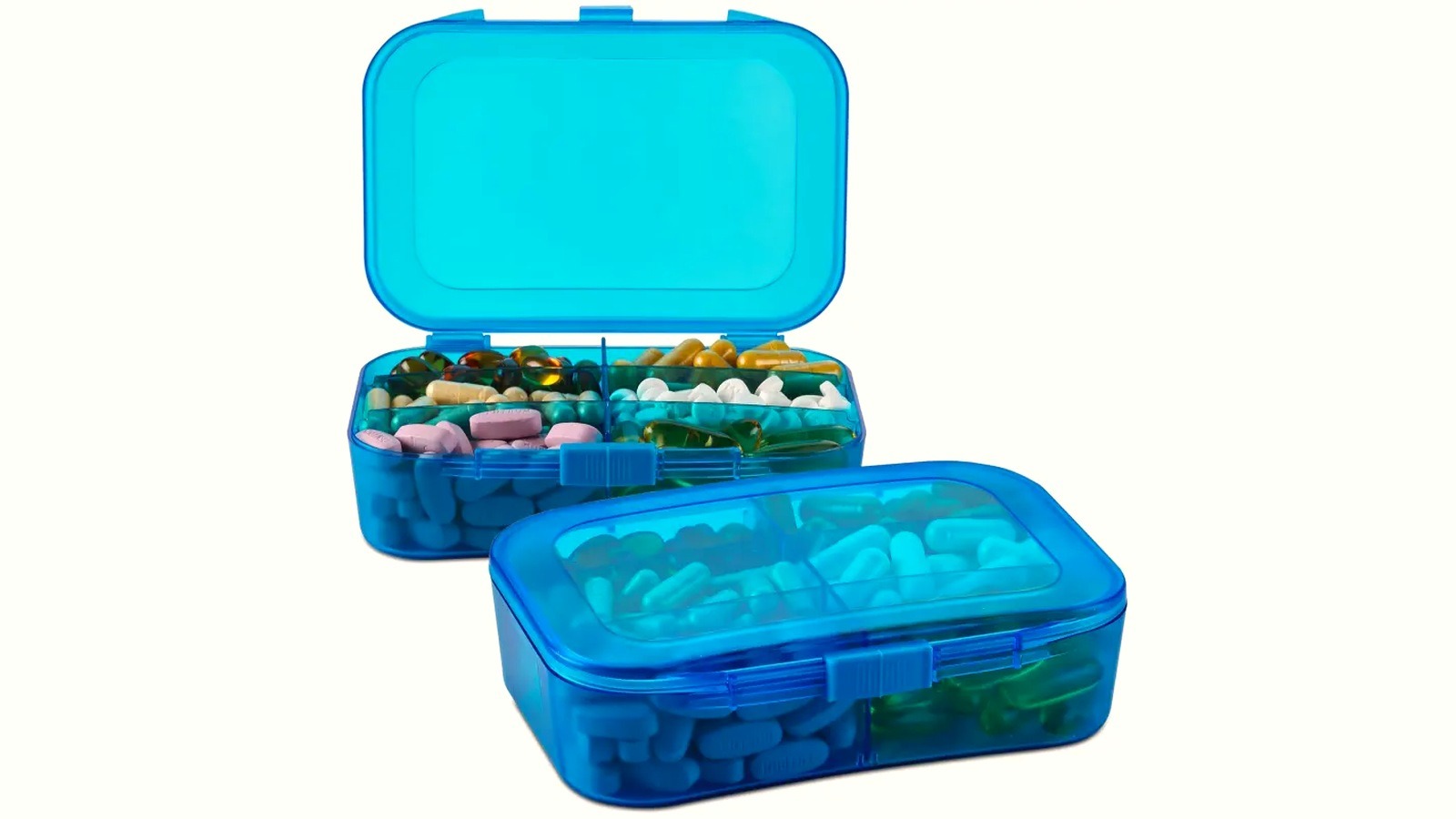
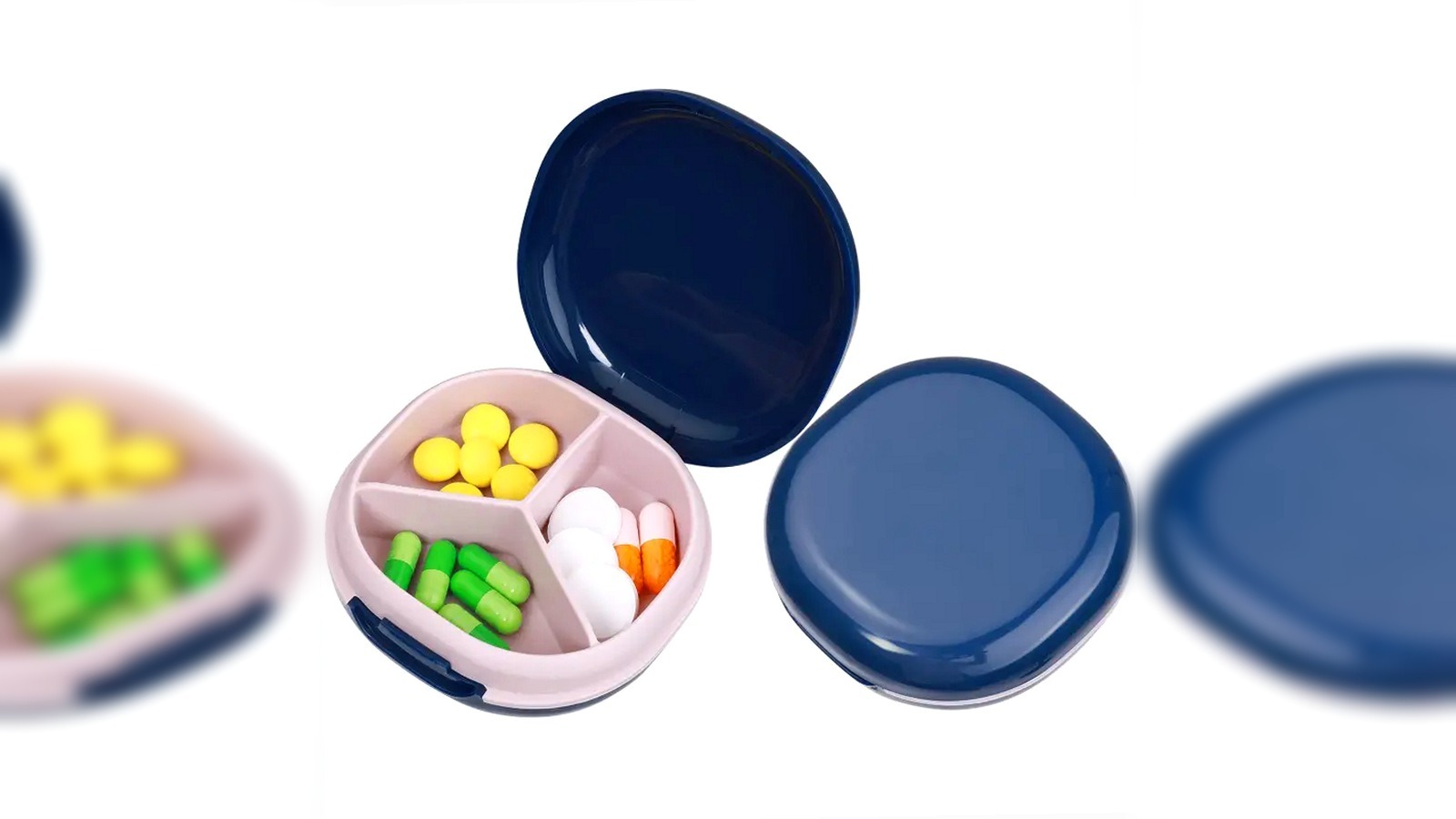
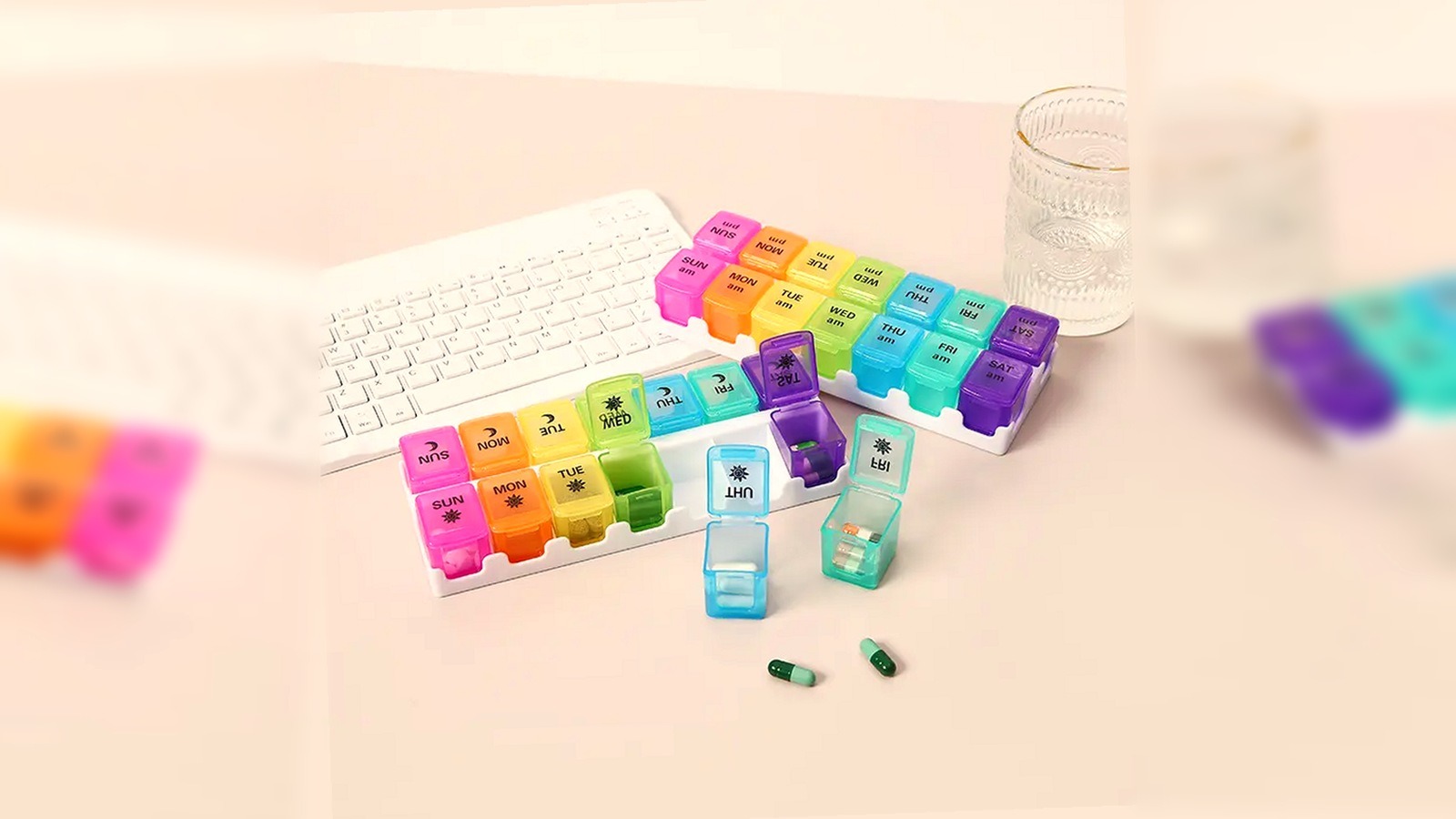
A pill box can have the right dimensions, the right material and the right price, and still fail in the user’s bag because nobody wrote the latch into the purchase spec. In our defect reviews, closures are the second-biggest complaint: roughly one in four returns says the lid popped open, and about the same share says the box is too hard to open.
Those two complaints are not separate problems. They are the same hinge, snap or button seen from opposite ends.
This guide is written for buyers who are specifying a private-label or wholesale pill box and need the lid to stay shut through shipping, commuting and daily pocket life. It covers the four closure families, what “stays shut” means in testable language, and the questions to ask before a mould is cut.
The Four Closure Families You Will Quote
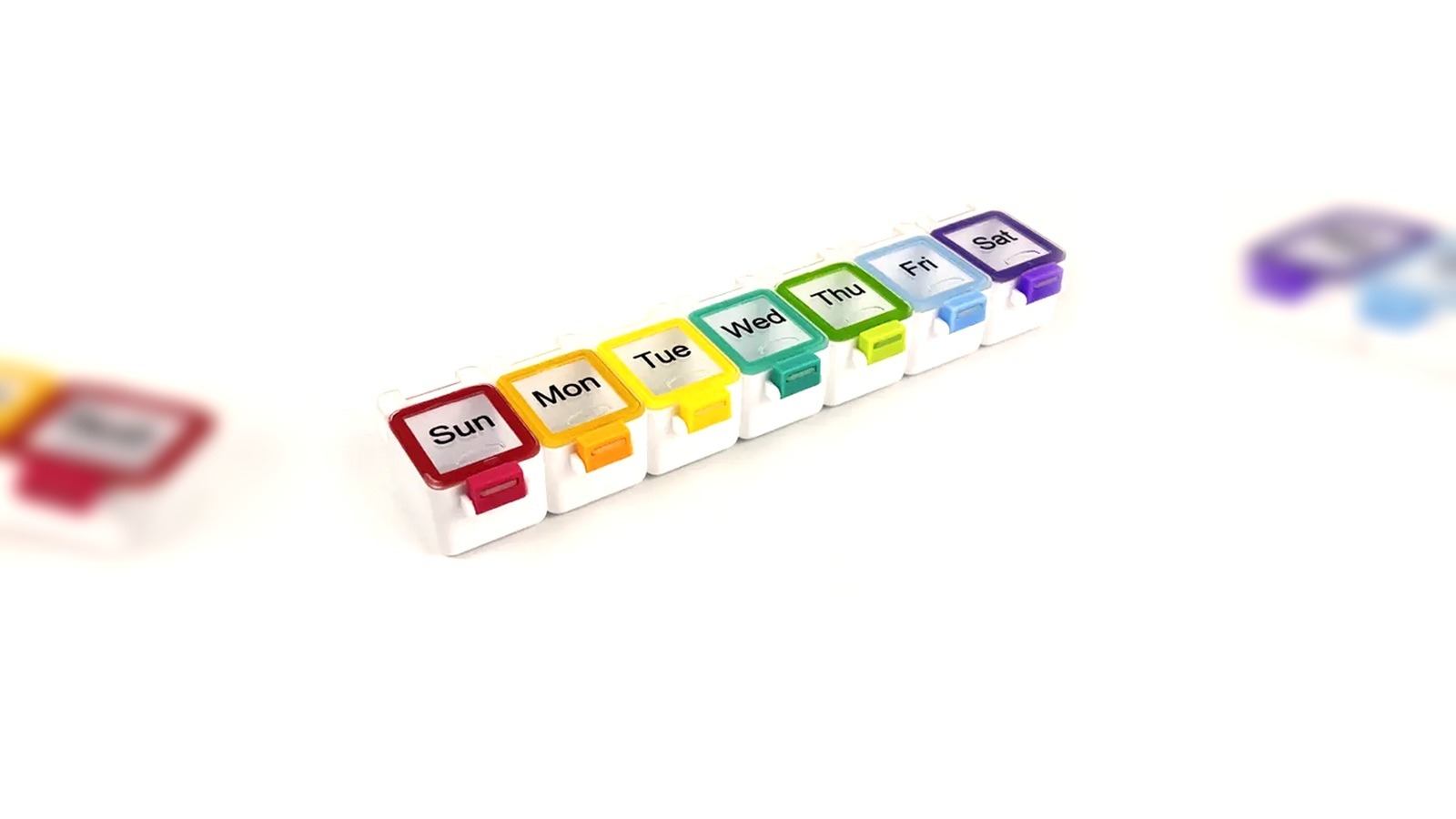
Most pill boxes fall into one of four latch types. Each trades security against speed of opening, cost and mould complexity.
Snap or Friction Lids
A snap lid relies on a raised bead on the lid pressing past a matching lip on the base. It is the cheapest option because the mould does not need side actions or metal inserts. The downside is fatigue: after a few hundred openings the interference fit loosens, and the lid starts to lift in a crowded bag. This is the family most often behind the “popped open in my purse” reviews.
Push-Button or Spring-Assisted Lids
A button lid uses a small flexing lever or coil spring to create a positive lock. The user must press before the lid can lift, so a simple bump will not open it. These parts cost more — usually in the $15–30 retail bracket — and the mould needs a lifter or slider for the button cavity. The extra piece also adds an assembly step and a small failure mode if the spring corrodes or the flex arm breaks.
Slide, Push-Pull and Magnetic Lids
Slide lids and magnetic lids are the easiest to open one-handed, which older users and arthritis patients prefer. The trade-off is lateral security: a magnetic or straight-slide closure can shift sideways when it rubs against keys or a phone, and several third-party reviews describe these as the first to spill in a backpack. They are a deliberate choice for convenience, not for rough handling.
Threaded or Screw Closures
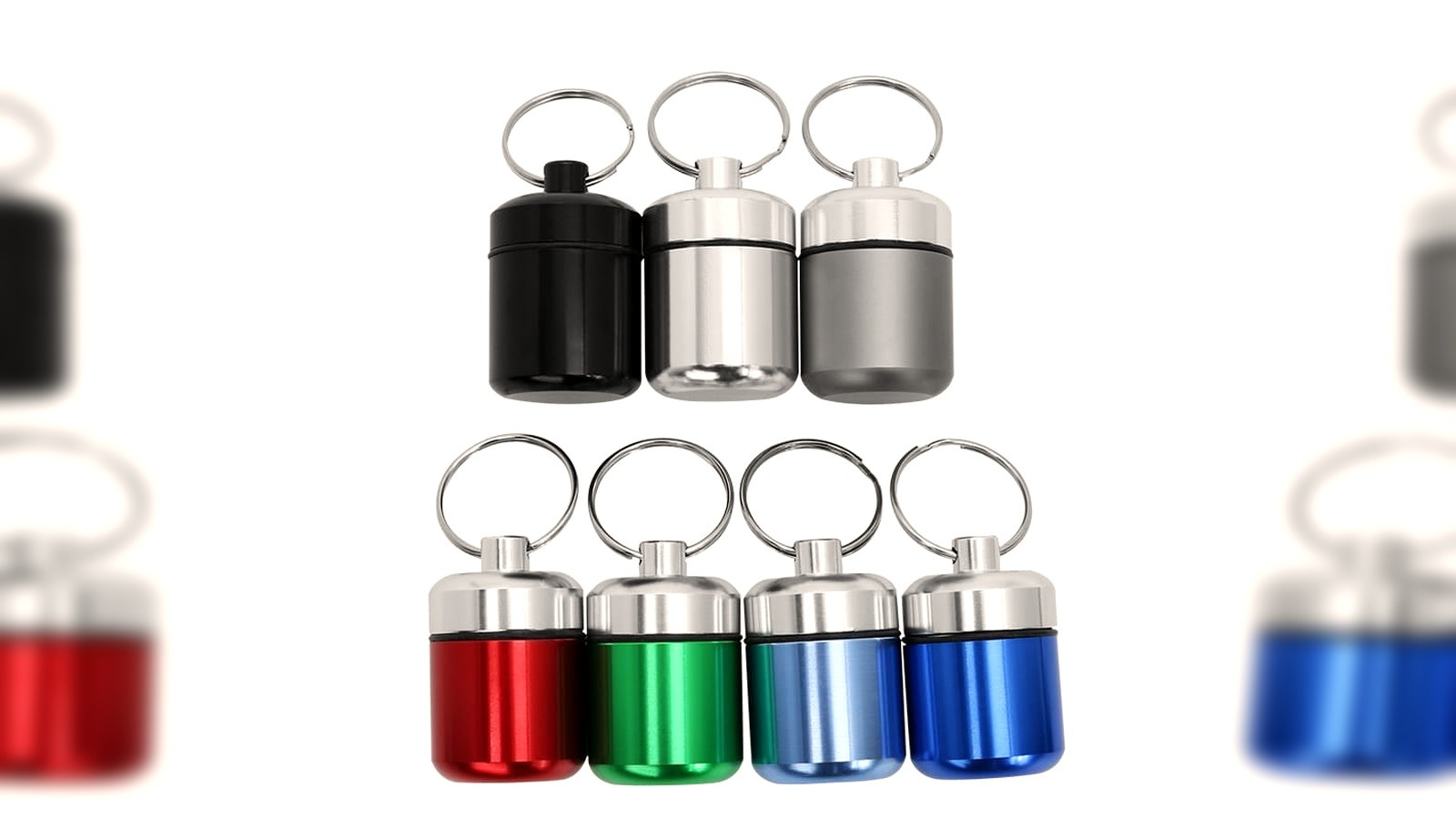
A screw-on lid is the most secure against accidental opening and the best at holding a seal. It is also the slowest to use and usually needs two hands.
Threaded closures suit travel tins, metal pill boxes and any product where moisture protection matters more than speed. We covered the sealing side in our moisture-proof vs waterproof pill box guide; here we focus on the mechanical lock.
What “Stays Shut” Actually Means in a Spec
Saying “must not open” is not enough. A useful spec names the force, the direction and the condition.
Static Closure Retention
Static retention is the force needed to lift the lid straight up when the box is sitting on a bench. For snap lids this is measured by pulling the lid with a force gauge until the bead clears the lip.
There is no universal number that fits every product, because the right value depends on lid area, wall thickness and whether the box is meant for a pocket or a suitcase. The important thing is to require a report on the finished assembled unit, not on a flat plaque of material.
Dynamic Retention After Vibration
A lid that is tight when new can loosen after transport vibration. The standard reference for small-parcel shipment is ISTA 3A, which includes random vibration at 0.54 Grms followed by final drops. After the test, the lid must still meet the same retention force it had before. This is the single test that separates a closure that looks good in the sample room from one that survives the post office.
Opening Force and One-Hand Use
If the box is aimed at older users, the opening force has to stay below what an arthritic hand can manage. There is no single Newton limit written into the standards for adult-use pill boxes, so the buyer and supplier must agree on a panel. Consumer feedback often uses a three-second rule: if it takes more than three seconds to figure out, users switch products.
Cycle Life
A closure is a wear part. Snap beads round off, springs take a set, and screw threads gall if the tolerance is wrong. A reasonable spec asks for cycle testing to a defined count — often a few thousand for a weekly box opened twice a day — and requires visual inspection for whitening, cracking or loss of retention afterwards.
Why the Same Lid Can Be Too Loose and Too Tight
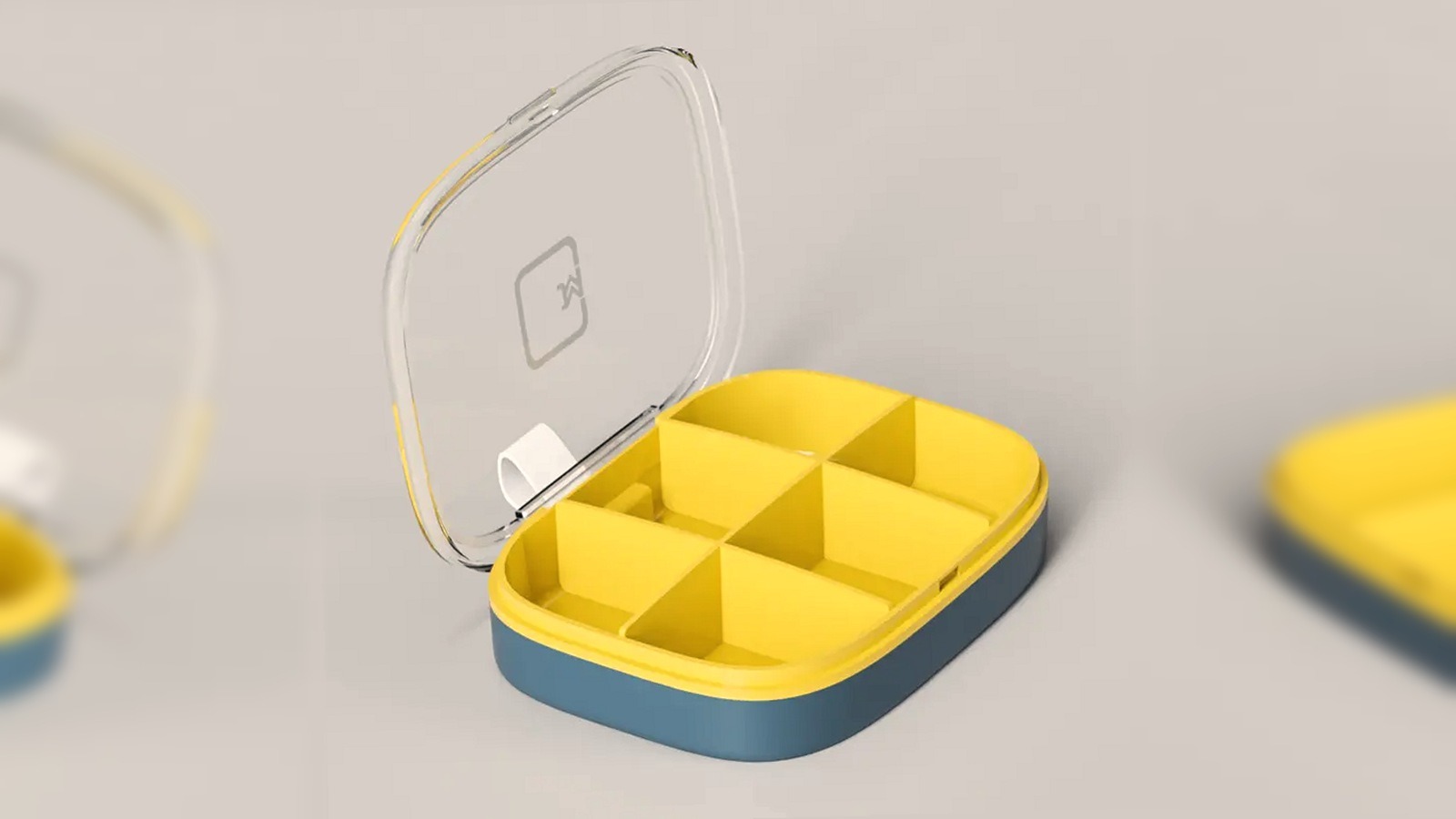
The complaint data looks contradictory: some users say the lid pops open, others say they cannot open it. Both can come from the same tooling if the tolerance window is wrong.
Material Creep
Polypropylene holds a living hinge well but creeps under constant stress. A snap bead moulded in PP may feel perfect on day one and lose half its retention after a month of being closed. ABS gives a crisper initial lock but is brittle; under fatigue it can crack at the root of the snap. The material choice is therefore part of the closure spec, not a separate decision.
Wall Thickness and Gate Location
A lid that is too flexible bows under pressure and lets the bead skip past the lip. A lid that is too rigid needs more force to deflect and feels hard to open. Gate location matters because it controls weld-line placement; a weld line across the snap root is a stress concentrator. These are mould-flow decisions that should be reviewed before the tool is steel.
Gasket Friction
Silicone gaskets help sealing but they add friction. Over time the rubber can harden or take a compression set, which changes both the closing feel and the opening force. If you specify a gasket, you should also specify a compression-set test or an opening-force range after ageing.
The Tests to Write Into the Purchase Order
A good purchase order does not quote a standard number and hope. It turns the standard into a pass-or-fail procedure for the batch.
- Program number. Name the test method — ISTA 3A for parcel post, GB/T 4857.5 or ISO 2248 for drop, ASTM D4169 if you want a distribution simulation. State that the exact heights and drop attitudes follow the program document and the test house’s confirmation.
- Sample size. Require one full shipper carton or a defined number of finished boxes to be tested, including the actual retail carton if the carton is part of the protection.
- Acceptance criteria. After the test, the lid must not be open, the seal must not be broken, no pills may escape, and the retention force must remain within the agreed window.
- Reporting. Demand photos, force-displacement curves, and a statement that the units tested came from the production lot, not a hand-picked sample.
We go deeper on the manufacturing side in our pill box manufacturing vetting guide. The closure checks described there belong in the same pre-shipment inspection.
Closure Choice by Use Case
The right latch depends on who will use the box and where it will travel.
| Use case | Preferred closure | Why |
|—|—|—|
| Pocket or small bag | Push-button or quality snap | One-hand opening, enough retention if the button is positive |
| Travel / checked luggage | Threaded or locking snap | Survives handling and stacking; moisture seal is a bonus |
| Arthritis or limited dexterity | Wide-slide or large-button | Low opening force, but add a secondary latch for transport |
| High-frequency use | Spring button or reinforced living hinge | Cycle life matters more than first-unit cost |
| Wet or humid environments | Threaded with gasket | Best seal; slow opening is acceptable for the protection gained |
What to Ask the Supplier Before Tooling
These questions turn a vague “keep it closed” requirement into something a factory can quote and a QC team can check.
- What is the retention force target, measured on the finished assembled box, and what is the allowed range after cycle testing?
- Is the closure a single mould action, or does it need a slider, lifter or side core?
- What material is the latch made from, and what is the expected creep behaviour over the product lifetime?
- If there is a gasket, what is the compression-set test method and the opening-force range after ageing?
- Which shipment test will the sample pass, and who pays for the third-party report?
- Can the same lid geometry be opened with one hand by an older user, or does it need two hands?
If the supplier cannot give retention-force data on the finished unit, the closure is not yet designed. It is only sketched.
Do Not Forget the Compartment Size
A great latch still fails if the user has to force the pills in. Oversized tablets or softgel capsules make users pry at the lid harder, which accelerates wear and can pop a snap bead.
Our small pill case sizing guide shows how to match compartment dimensions to common dosage forms before the mould is cut. Closure and compartment design should be checked together.
If you are sourcing a pill box and want the lid to stay shut on the road, send us the target user, the retail price band and the expected handling conditions. We will recommend the closure family, the retention-force window, the material grade and the shipment test to write into the spec — and we will flag the options that look cheap until the returns start coming in.