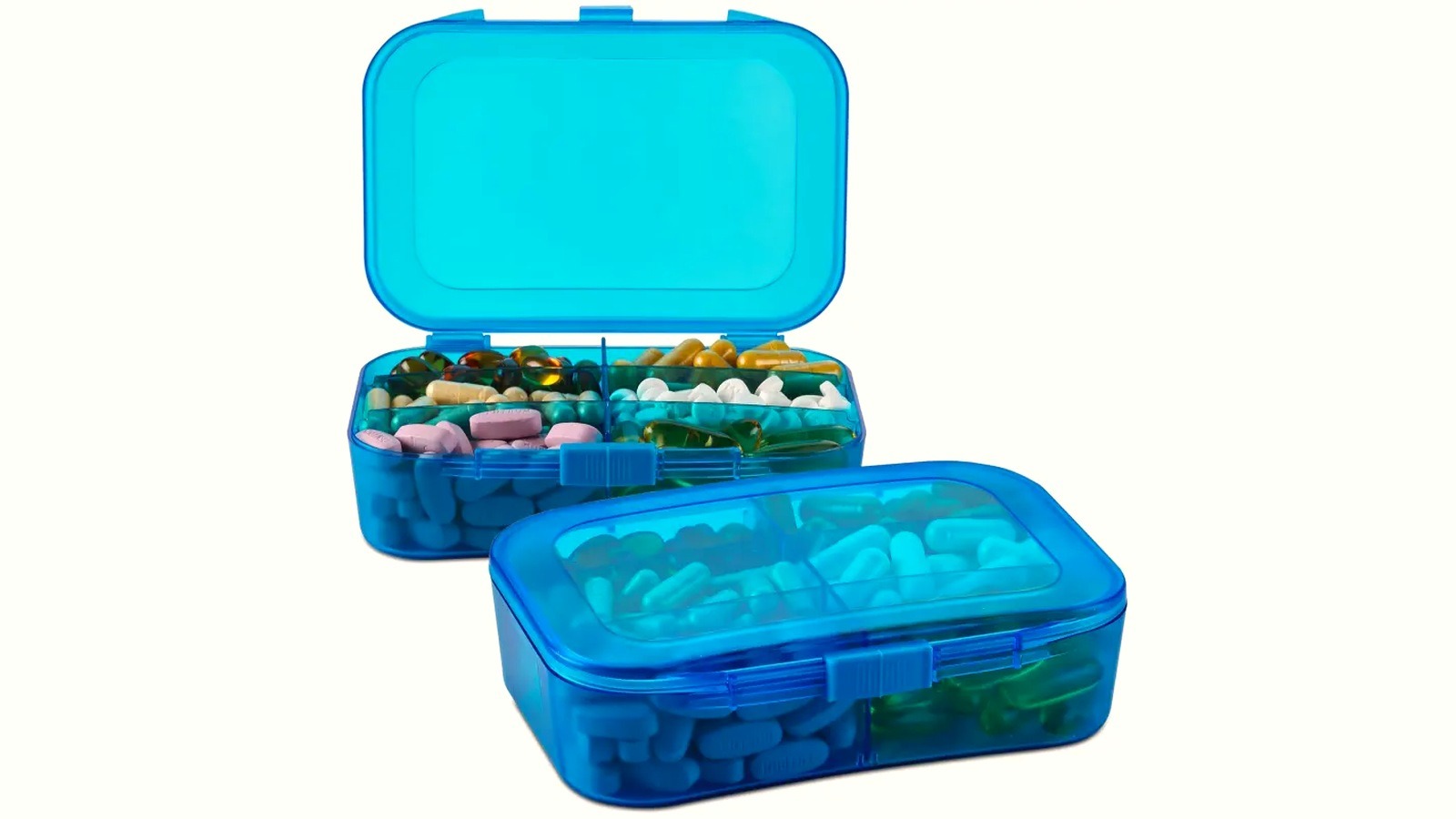
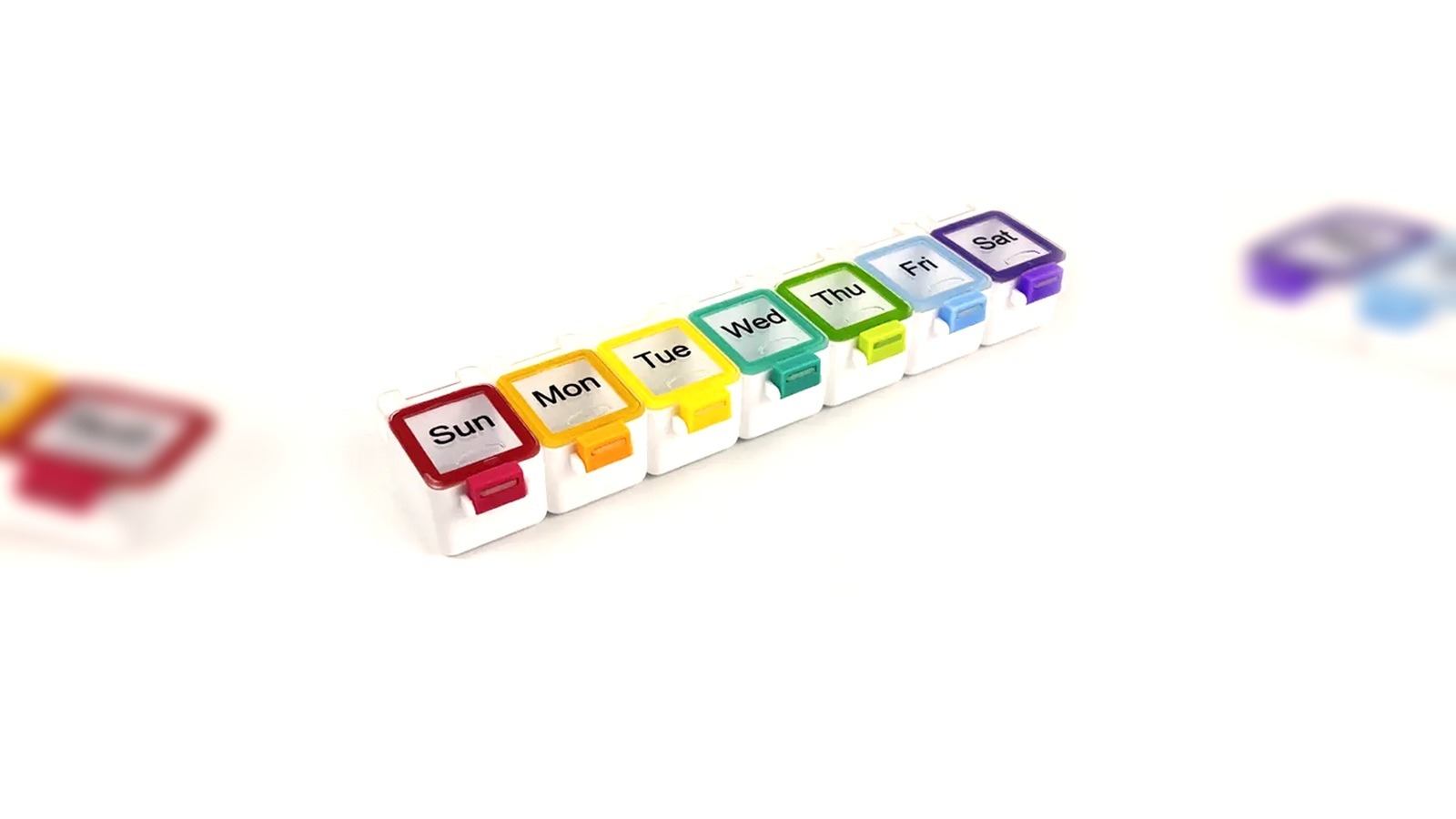
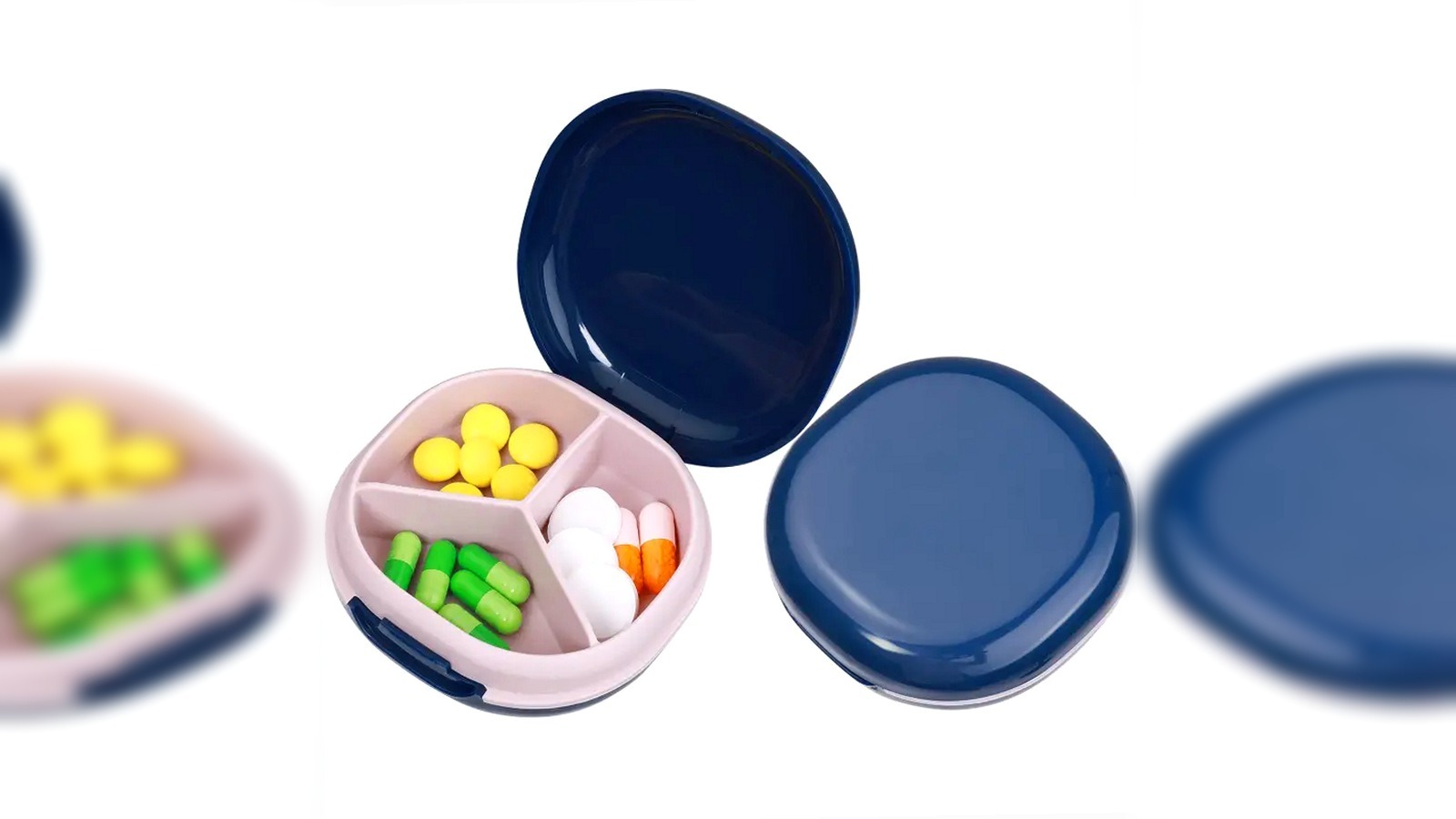
If you are sourcing a moisture proof pill box for a private-label program, the first thing to fix is the vocabulary. Most suppliers use “waterproof” and “moisture-proof” as if they mean the same thing, but they do not. A moisture-proof box is built to stop humid air from reaching the pills. A waterproof box is built to stop liquid water under pressure, usually for a stated depth and time. In our factory audits, about seven out of ten supplier catalogs that say “waterproof” are actually selling snap-lid plastic boxes with a thin silicone ring. They will keep pills dry in a purse on a rainy day, but they will not survive a drop into a sink.
This distinction matters because it shows up in returns. “Closure not tight” and “pills got damp” sit near the top of consumer complaints for plastic organizers. The root cause is rarely the material itself; it is the mismatch between the claim on the listing and the seal design in the mold. As a buyer, your safest move is to stop trusting adjectives and start specifying the seal structure, the test method, and the acceptance limit in the purchase order. This guide is for anyone sourcing a moisture proof pill box who wants the spec to match the marketing.
What “Moisture-Proof” Actually Means on a Spec Sheet
A moisture proof pill box is a humidity barrier. Its job is to slow or block water vapor from moving between the inside air and the outside air. That is enough for the normal risks pills face: a steamy bathroom, a gym bag in humid weather, or condensation inside a luggage compartment during air travel. The protection comes from a compressible seal—usually silicone, TPR, or PVC foam—pressed between the lid and the rim.
The important detail is that moisture-proof does not mean immersion-proof. A good moisture proof pill box can keep relative humidity inside the compartments low for days, but if you submerge it, water will find the weakest point. That is usually the hinge, the latch gap, or a spot where the gasket missed the rim. If your customer needs the box to survive actual liquid contact, you need to spec one level higher.
What “Waterproof” Should Mean Before You Pay Extra
A truly waterproof pill box must pass a liquid-water test with a defined depth and time. The consumer-electronics world handles this with IP ratings such as IP67 or IP68. Pill box suppliers rarely use formal IP ratings, so you have to write your own. A reasonable starting point for a travel or outdoor box is 30 minutes at one meter, with the box closed and loaded.
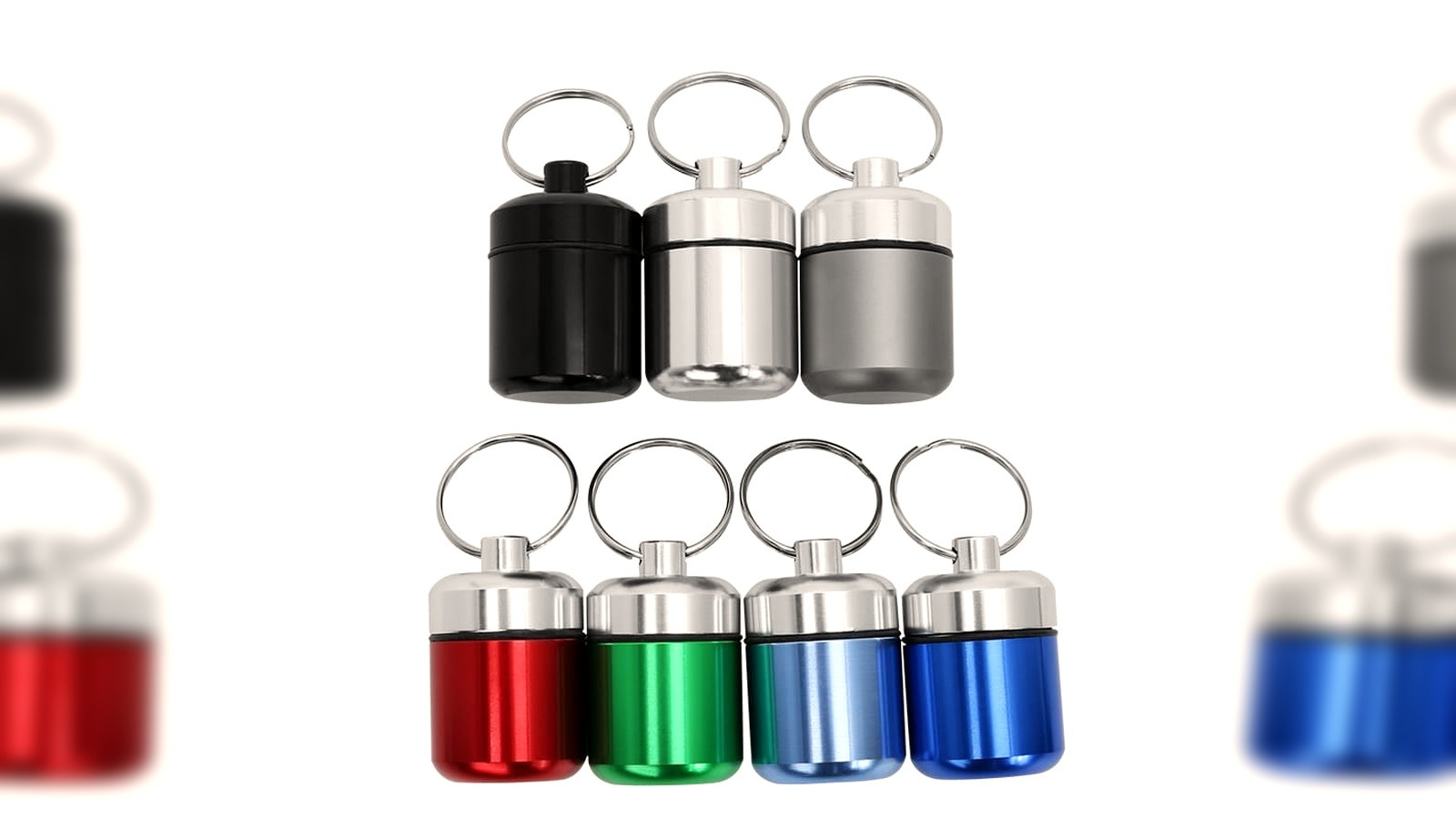
In practice, the pill boxes that actually meet a real waterproof test usually have one of two structures: a threaded aluminum or metal fob with an O-ring, or a screw-top plastic vial with a compression seal. Snap-lid plastic boxes with a single latch almost never pass a one-meter submersion test, no matter what the listing says. So when a supplier sends you a sample marketed as a waterproof pill box, your first question should be: “What depth and time was it tested at, and can I see the report?”
Four Seal Structures and Where Each One Fits
Not all seals work the same way. Here is how the four common designs compare when you are deciding which kind of box to source.
Compression Gasket Around the Rim
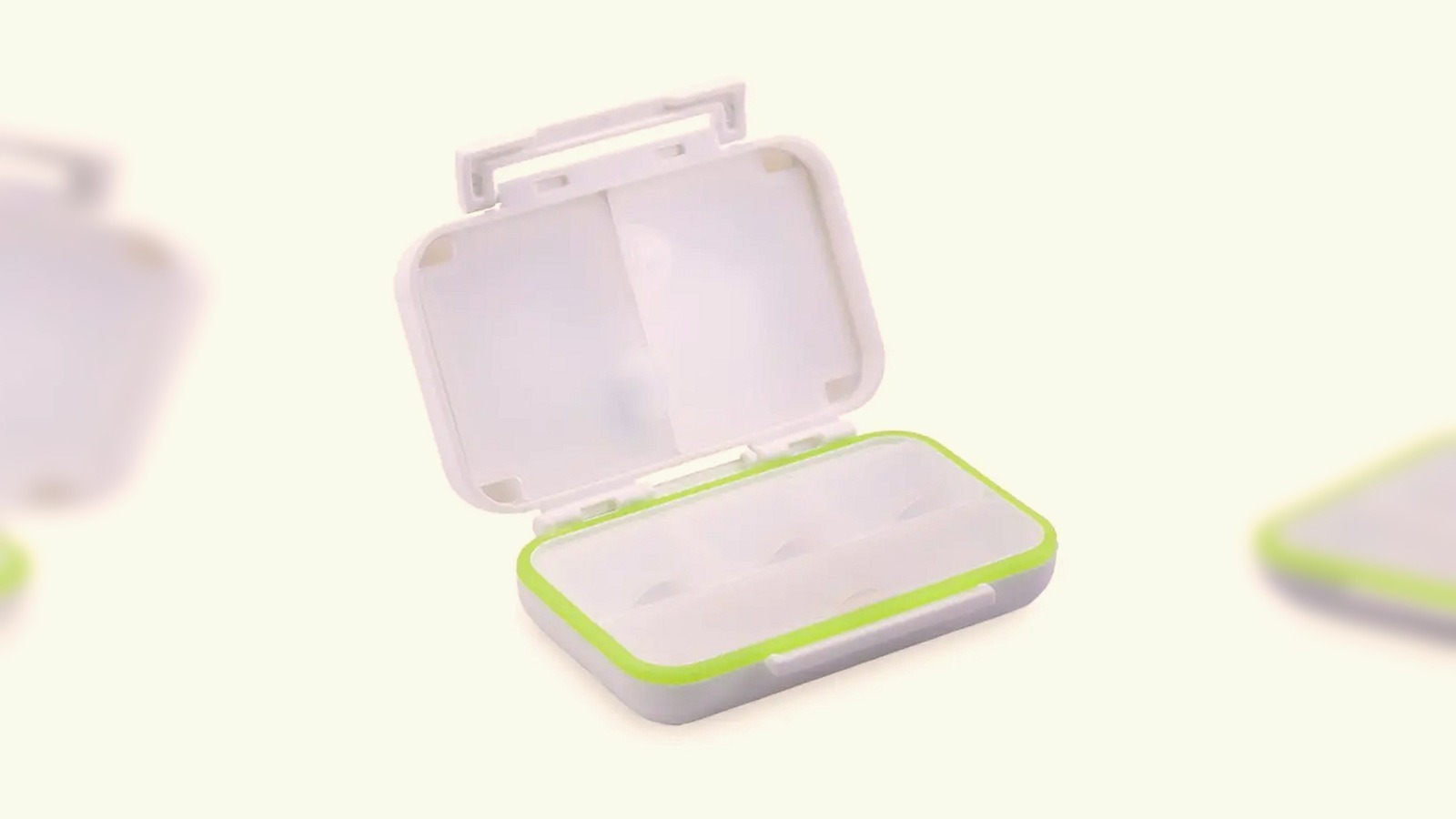
This is the most common seal in a moisture proof pill box. A soft silicone or TPR ring sits in a groove on the lid. When the box closes, the rim of the base presses into the ring and squeezes it flat. It works well, is cheap to mold, and is easy for users to open. The risk is flash or a gap in the gasket groove. During inspection, run your finger around the full perimeter: any break in the ring is a leak path.
Threaded Cap with O-Ring
This is the strongest seal for a true waterproof pill box. The O-ring is compressed every time the cap is screwed down, and the threads themselves act as a secondary barrier. These boxes are usually small single-compartment cases or keychain fobs. The trade-off is slower access for the user and higher unit cost. They are best for outdoor, emergency, or travel kits where liquid contact is expected.
Double-Lock Lid with a Sealing Strip
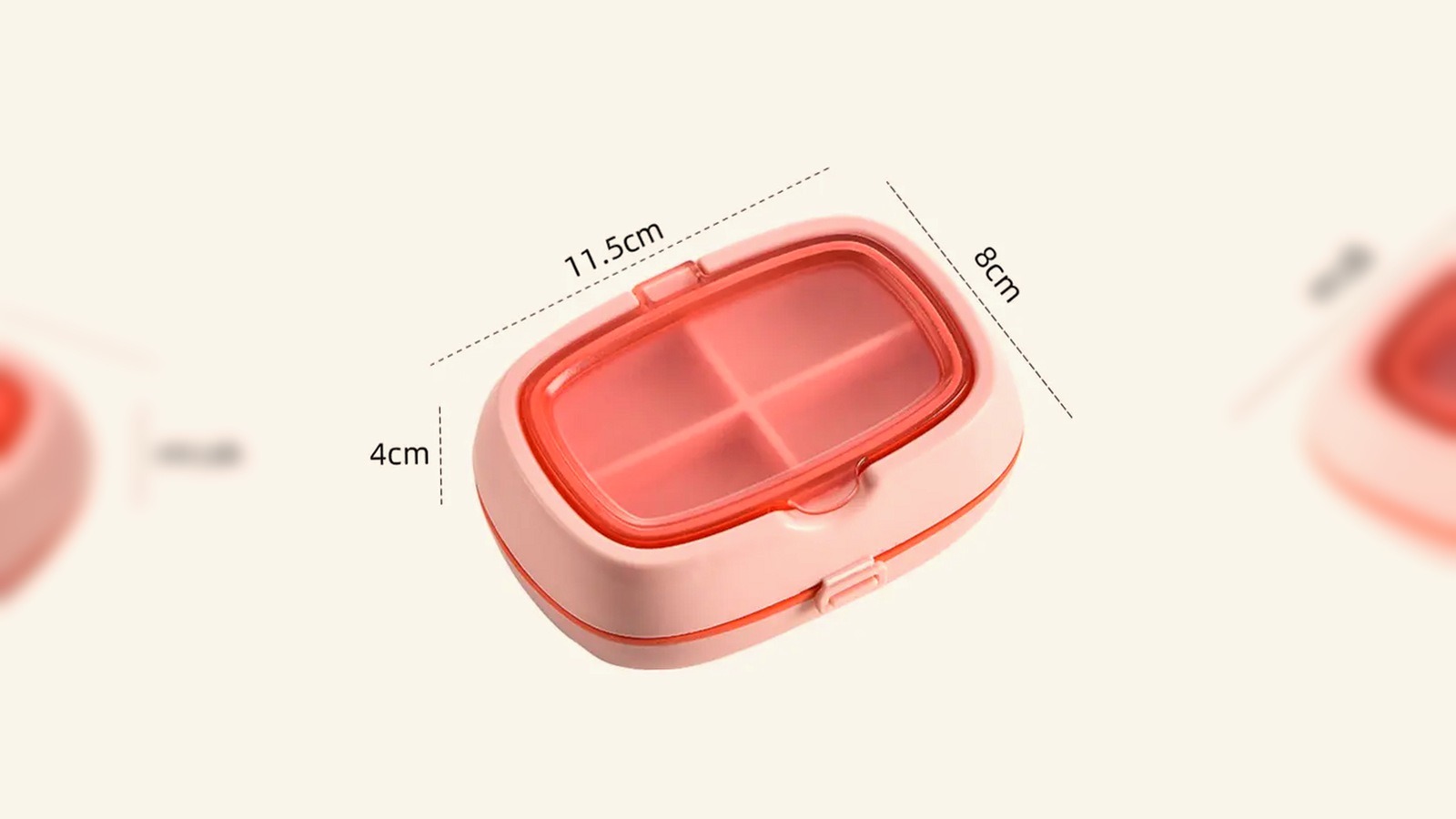
Some travel organizers use two independent latches plus a sealing strip. The extra latch increases the compression force on the gasket, and the strip covers the seam between the lid and base. It is a middle ground: better than a single snap but not as robust as a threaded cap. These designs work well for luggage and daily bags, where the box might get knocked around but will not be submerged.
Single Snap Lid
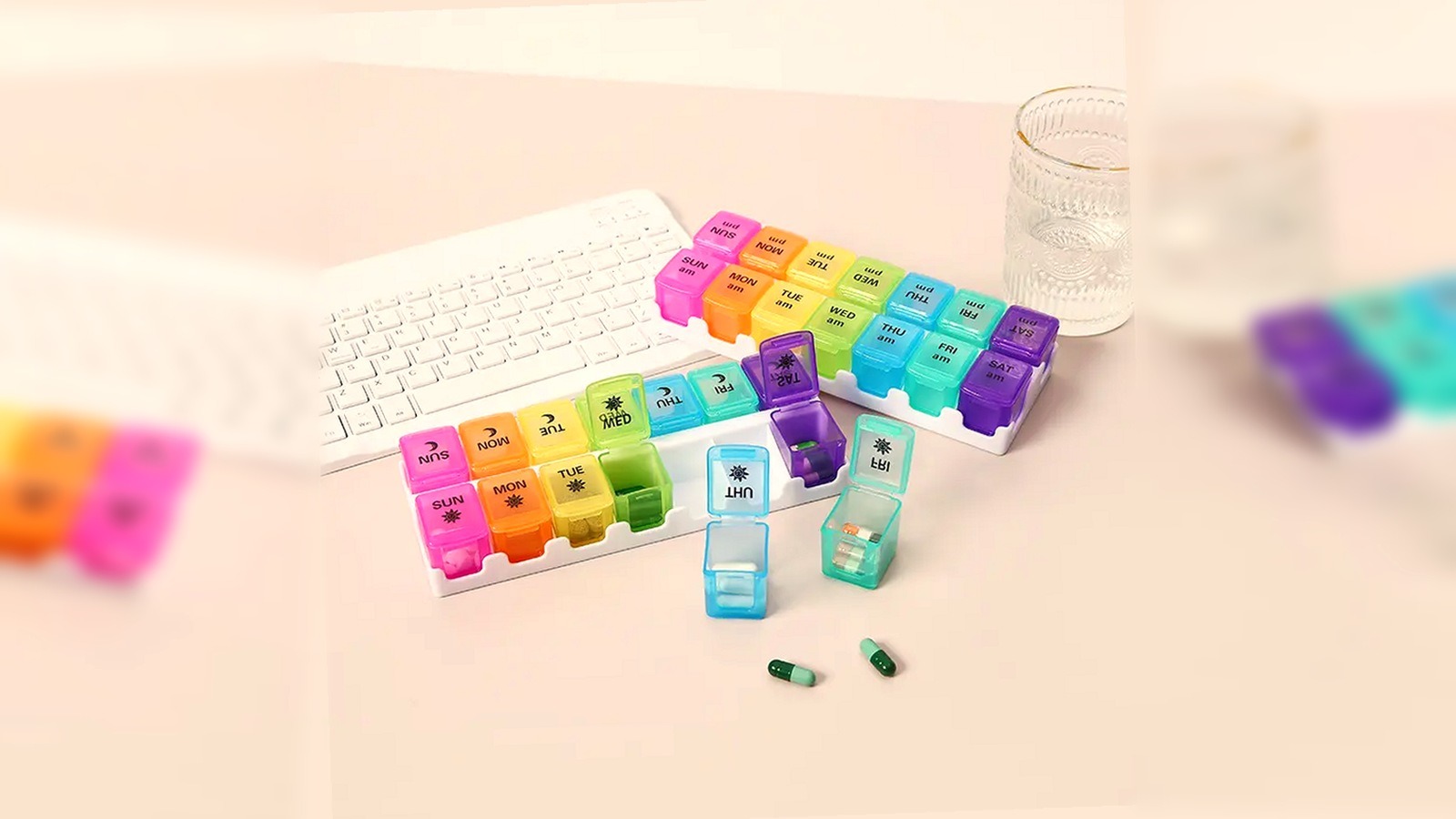
A single plastic latch with no gasket is the baseline for cheap daily organizers. It is not a moisture-proof design. If a supplier calls it moisture-proof, ask to see the test data. In most cases, the only thing stopping humidity is the tightness of the plastic fit, and that loosens after a few hundred openings.
How to Verify a Seal Before Mass Production
A good sample does not prove a good batch. Before any moisture proof pill box leaves the factory, you need a repeatable test that your inspector can run on the production line or in a third-party lab. Here are the four checks we ask for on sealed boxes.
Visual and Tactile Check
Open the box and inspect the gasket groove. The ring should be continuous, seated evenly, and free of flash or cuts. Close the box and run a thin strip of paper around the seam. If you can pull the paper out without resistance, the seal is not compressing evenly. That spot will leak first.
Closed-Container Humidity Test
Place a humidity indicator card or a small amount of color-change desiccant inside the closed box. Put the box in a chamber or bag set to 40 °C and 90 % relative humidity for 24 to 48 hours. If the desiccant changes color significantly, the seal is not tight enough. For a moisture proof pill box, this is the test that matters most.
Submersion Test Only If “Waterproof” Is Claimed
If the supplier claims waterproof, submerge the closed box to the depth and time you wrote into the spec. Use paper tissue inside, not pills. After the test, open the box and check the tissue. One drop inside means the claim fails. Do this test after thermal cycling, because plastic and gasket materials shrink and expand at different rates.
Thermal Cycling and Drop Test
Leave the closed box at 50 °C for two hours, then move it to -10 °C for two hours, and repeat three times. Then drop it from 70 cm onto a hard floor at different angles. Open it and check for cracks around the hinge, latch, or gasket seat. A seal that looks fine at room temperature often fails after this cycle.
What to Write Into the Purchase Order
The fastest way to avoid disputes is to move the claim from the sales page into the contract. Here is a short checklist you can paste into your PO.
- Seal type: compression gasket, O-ring, double-lock sealing strip, or single snap.
- Gasket material: food-grade silicone, TPR, or PVC foam; confirm FDA or LFGB compliance for the target market.
- Closure force: the force needed to fully close the latch, measured in newtons, so the seal compresses consistently.
- Test method: humidity test at 40 °C / 90 % RH for 48 hours for moisture-proof claims; submersion test at stated depth and time for waterproof claims.
- Acceptance criteria: for example, “desiccant weight gain ≤ 5 %” or “no visible water inside after submersion.”
- Sample size and AQL: use ANSI/ASQ Z1.4 General Level II with AQL 1.5 for major seal defects.
If the supplier cannot answer these six points, you are buying a marketing claim, not a spec.
A Quick Reference Table
| Claim | Typical Seal | Best Test | Realistic Use Case |
|—|—|—|—|
| Moisture-proof / damp-proof | Compression gasket or sealing strip | 40 °C / 90 % RH humidity test | Daily carry, bathroom, gym bag, humid climate |
| Waterproof | Threaded cap + O-ring or compression seal with IP-style test | Submersion at stated depth/time | Outdoor, water sports, emergency kits |
| Splash-resistant | Single latch + thin gasket | Light spray test | Occasional rain exposure |
| None | Single snap lid | No seal test required | Desk-only organizer |
If you want a proven starting point, our BS1230J moisture-proof silicone seal pill case uses a continuous silicone gasket and double-lock closure. It is already positioned for the moisture-proof segment, not the waterproof segment, which is exactly the kind of honest spec boundary that protects your return rate. For more on how to vet a factory before tooling, see our pill box manufacturing vetting guide, and for compact sizing standards, see the small pill case sizing guide.