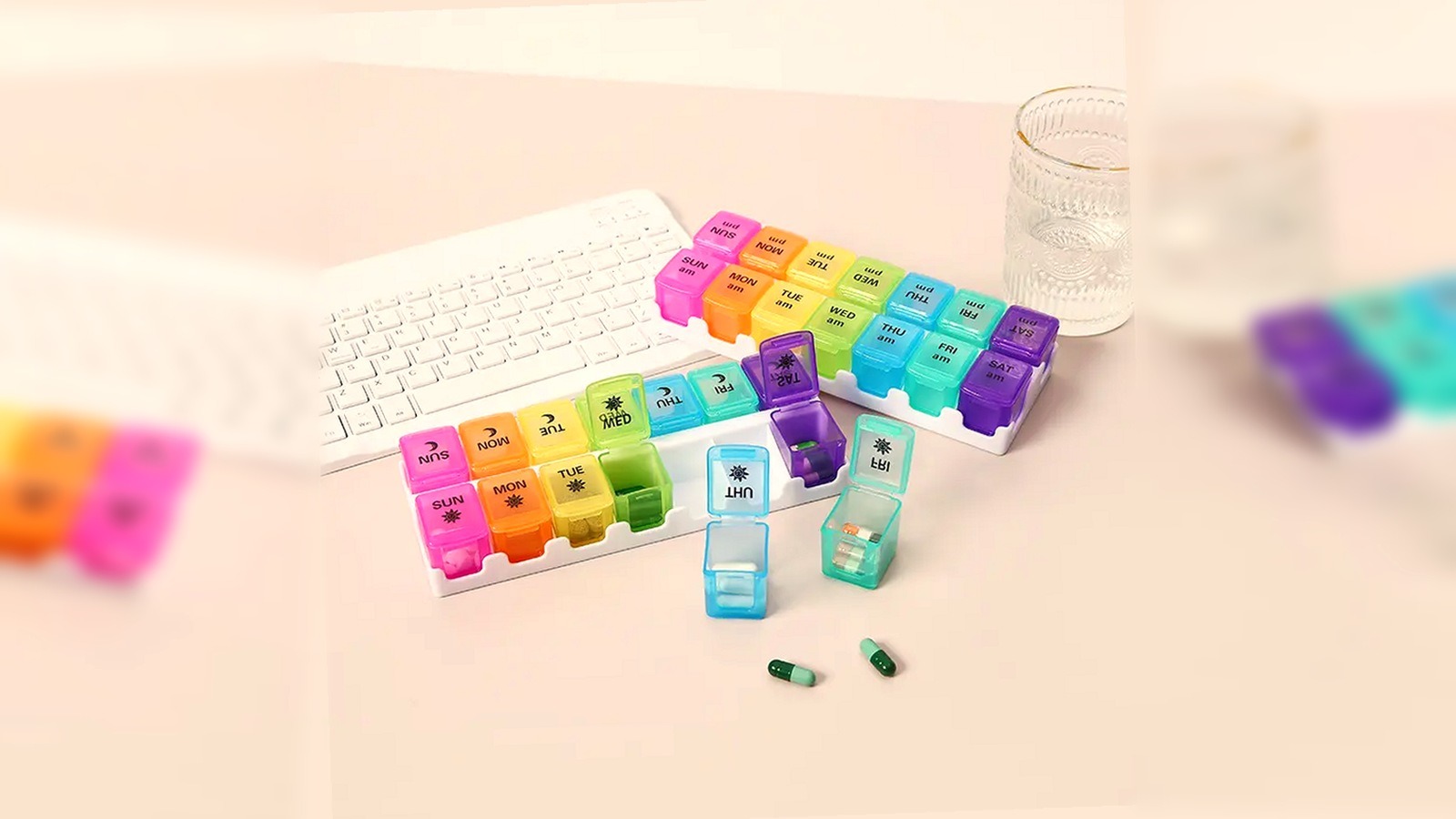
Small Pill Case: How to Size a Pocket Pill Box for Private-Label Programs
Seven in ten returns — that number greets me whenever a fresh pocket design lands on my desk. Not quality, not shipping damage. Size. The thing came out smaller than the buyer had pictured, end of story. I remember sitting with a brand manager while she opened a pallet of returned stock and just went quiet. Her spec sheet looked immaculate. Not one pill had been measured. So we start there, because a small pill case is really a sizing exercise wearing a lid. Handle it that way and the rest of the programme tends to behave itself.
Measure the Pills Before Anyone Touches CAD
Grab the Ten Biggest Ones
Empty compartments lie. Loaded ones don’t. Before any designer sends artwork over, get hold of the ten biggest tablets and capsules your target user actually takes. Fish oil, calcium, those enormous gummy vitamins everybody swallows now. Length, width, the diagonal — measure all three, then give every side about 1.5 mm of breathing room. Design around the diagonal of the worst offender and, believe me, most of your sizing risk evaporates before tooling is even quoted. It really is that simple, and it gets skipped constantly.
“Small” Isn’t a Number
This one gets under my skin: two cases have sat on my desk at the same time, both sold as small, one holding four tablets, the other sixteen. Same word on both. The fix costs nothing. Internal length, internal width, internal depth, compartment count — four figures, written down, agreed on. Skip that and the toolmaker picks your numbers for you. You’ll find out at sample stage. Everyone finds out at sample stage.
Doing the Compartment Maths
Volume Never Adds Up the Way You Think
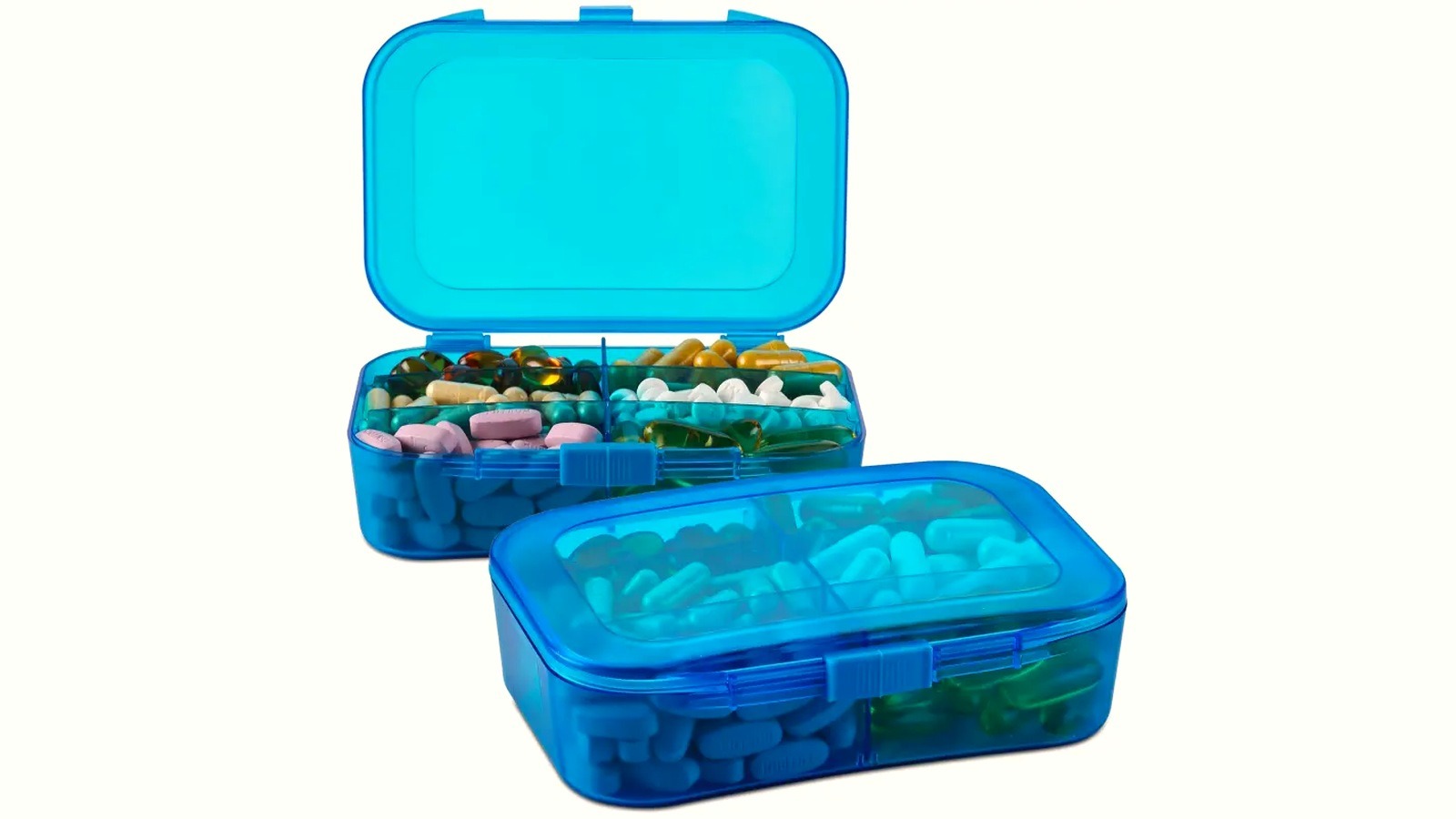
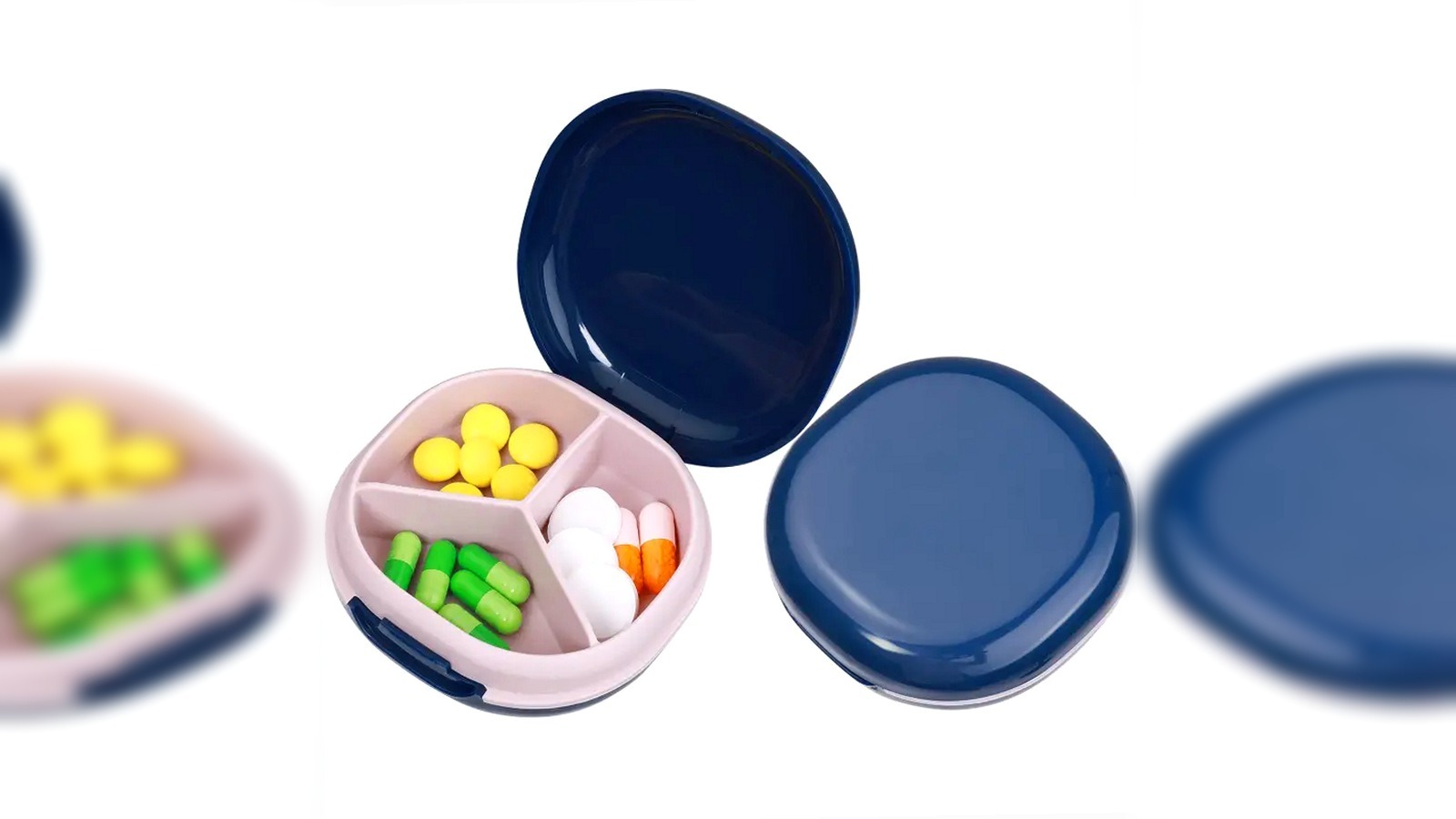
Take a 20 × 14 × 8 mm well. Sounds roomy, doesn’t it. Reality: about four standard 10 mm tablets, because pills don’t tile like bricks. Round ones waste close to a quarter of a rectangular space. Capsules sit at an angle and waste more. When a buyer tells me their small pill case holds eight pills, I’ve learned to ask — eight of what, exactly? That one answer swings usable volume by a third, sometimes more. Ask it early.
Watch the Walls
A mistake I see constantly. Wall thickness drifts from 1.0 mm to 2.0 mm on a four-compartment insert, and suddenly 15% of the volume inside is gone. On a weekly organiser, nobody would blink. In a small pill case, that 15% is the gap between a fish oil capsule fitting and a one-star review saying the pills didn’t fit. Cheapest place in the whole design to lose a customer. Also the easiest one to overlook, which is probably not a coincidence.

The Outside Dimensions of a Small Pill Case
Where the Pocket Ceiling Sits
About 85 × 55 × 22 mm, give or take. Past that you’re not making a pocket case anymore. You’re making a bag case, and the buyer already owns three of those. Cheap test: print the outer shell in cardboard at full size, drop it in a pair of actual jeans, walk around for ten minutes. Costs an afternoon. A buyer in Hamburg showed me that trick two years back and it has killed two clever designs since — both times, the team thanked her afterwards.
Squeezing AM/PM In
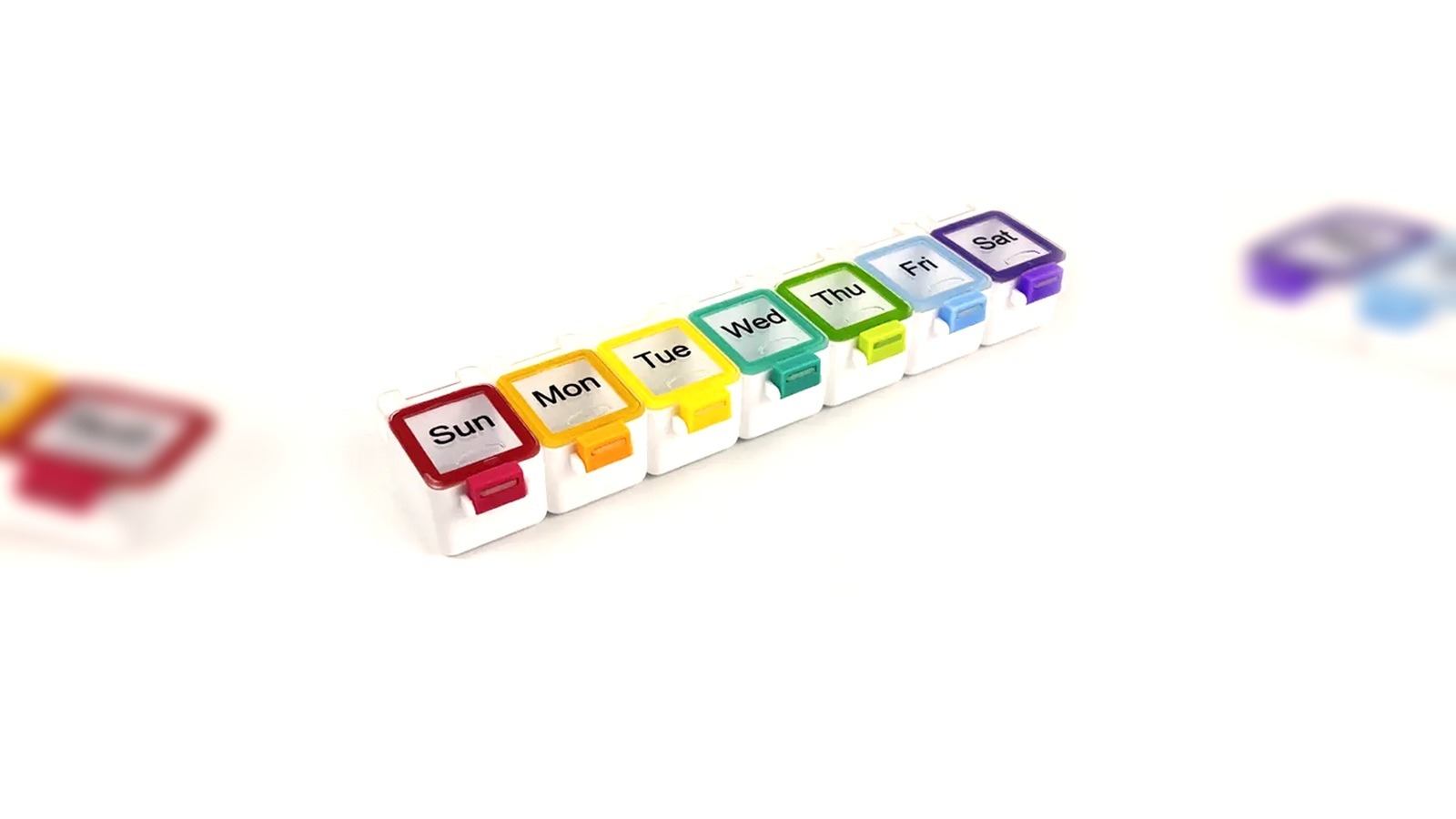
Twice-a-day regimens and pocket shapes don’t get along. No designer fully fixes that, whatever the pitch deck says. You can stack two layers under one lid, or run two slim inserts side by side. Stacking protects the footprint but adds a hinge and eats height. Side by side looks better in listing photos and quietly creeps past the pocket limit. Pick for your channel. Not because the last programme did it that way — that’s how bad habits spread through a whole range.
Why Small Cases Warp More
Thin Walls, Concentrated Stress
Big parts hide small sins. A 1.2 mm wall on a 30 mm case has nowhere to hide, and PP shrinks 1.3–2.0% as it cools. That’s the mechanics behind a mystery I hear all the time: the lid clicked beautifully on the T1 samples, then stopped clicking four hours into the run once the mould warmed up. Nothing changed on the floor. Physics changed. Ask for a dated shrinkage report from those first shots. Costs the supplier nothing. Saved me a full mould re-cut once.
Gaskets in Tight Spaces
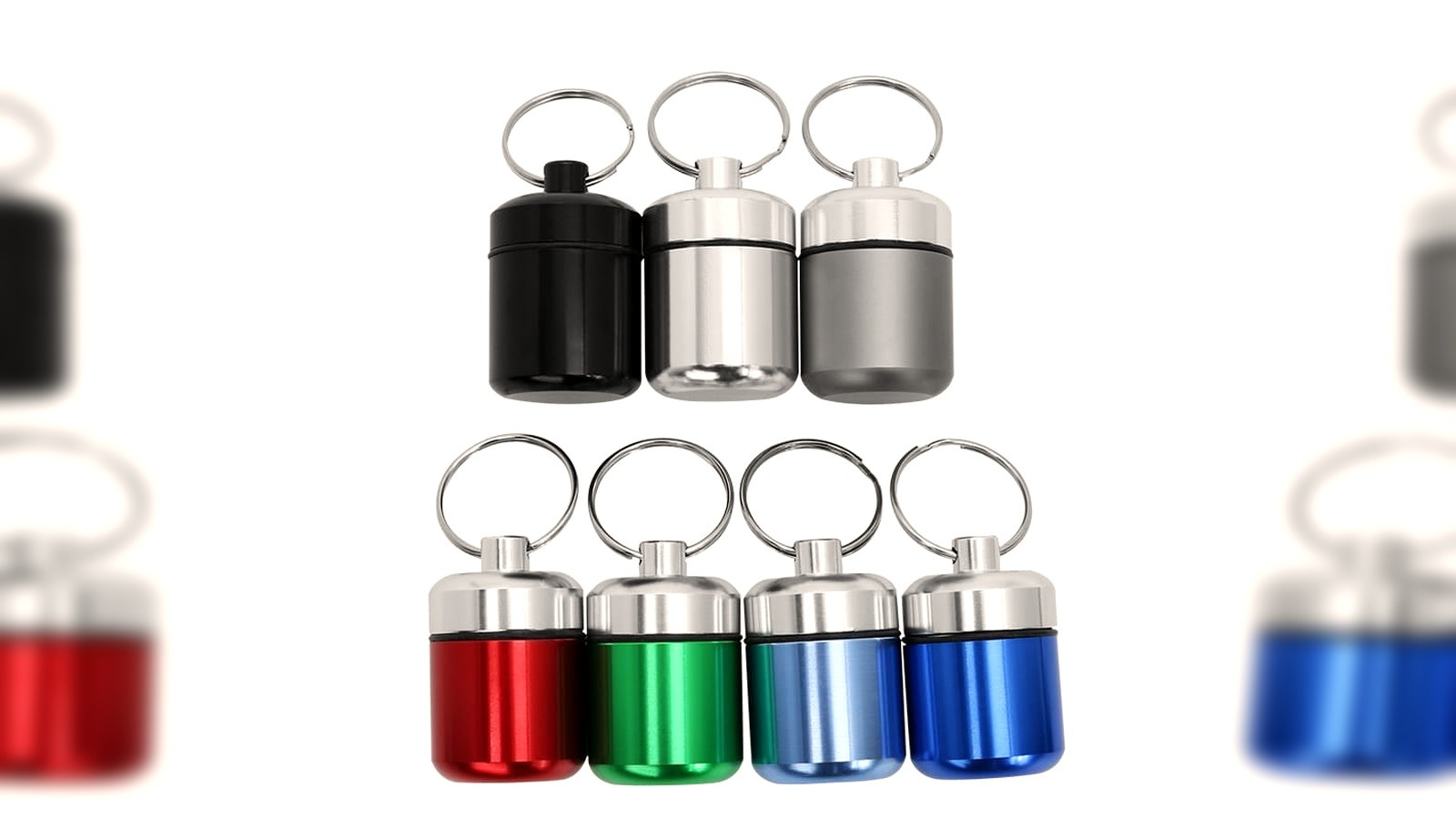
Building a moisture-proof version? Then a 0.3 mm error in the groove is the gap between sealed and leaking at 40 °C in a warehouse in July. Snap lips want roughly 0.15–0.25 mm of interference. Too little and the lid rattles around in a handbag. Too much and someone with cold fingers or arthritic hands can’t open it at all. Both failures surface in reviews months before they reach anyone’s returns dashboard, and by then you’re arguing with a retailer instead of fixing a drawing.
Five Numbers to Freeze in Writing
Internal compartment size. Wall thickness. Outer dimensions. Mating lip interference. Open-close cycles. That last one depends on your channel — a promotional giveaway can live with 5,000 cycles, but pharmacy and care-home buyers will want 30,000, plus a test report to back it up. Our guide on choosing a pill box manufacturer goes deeper on holding a supplier to figures like these without turning every call into a renegotiation.
Approve Samples Loaded
Empty samples approve far too easily. Fill a compartment with your biggest pills, snap the lid shut, shake it over a desk for a full minute. Anything that migrates between compartments is a design fault. No debate. Catch it now and it’s a phone call. Catch it after tooling and it’s a re-cut, plus the delivery date you already promised your retail partner. Not a fun conversation, that one.
Two Mistakes That Keep Happening
Copying a Competitor’s Shell
You inherit their compromises. And for all anyone knows, they were sizing against a completely different pill market years ago. The outer shell tells you nothing about the internal grid, and the grid is where every complaint actually lives. Start from your own pill list instead. Let the shell land where it lands. If it lands too big for your channel, fine — that’s information, not failure.
Never Weighing It Loaded
Weigh the case empty. Then weigh it loaded with a full week of your target regimen, and write that number into the spec. Above roughly 120 g loaded, the case stops travelling — I’d bet on it. Your buyer picked a small format precisely because they wanted to carry the thing. The same thinking runs through the manufacturing checklist we hand first-time buyers before they sign a tooling PO.

The Seventy-Year-Old Test
Last one, and it’s the cheapest. Hand the sample to someone over seventy with no instructions and watch what happens. A second attempt to open it means your hinge force is wrong for half your market, and no label redesign on earth fixes that. Teams skip this test more than any other. Which probably tells you something about where all those review complaints come from. And if the pocket shape turns out to be wrong for the regimen you’re chasing, our weekly versus monthly organiser comparison covers the other footprints before you spend a cent on tooling.