Braille Pill Box: EN 15823 and ISO 17351 Compliance for Pharmacy Buyers
Every rejected braille batch I’ve been called in on failed for the same reason, and it was never the mould. It was the dot height, measured a week too late. A braille pill box only counts as compliant when the dots are tall enough for a fingertip to read and the proof survives an audit — two jobs, and buyers usually fund only the first. Here’s what both standards demand, four ways to get braille onto a case, and the six lines for your PO.
What the Law Actually Requires
The EU Mandate, In One Paragraph
Since 30 October 2005, every medicinal product authorised in the EU has had to carry its name in braille. Products authorised earlier got until October 2010 to catch up. The duty sits in Directive 2001/83/EC as amended — Article 56(a) of Directive 2004/27/EC is the line buyers quote back at me. Scope matters: it’s the name, and it covers medicines for human use placed on the EU market. Norway, Iceland and Liechtenstein follow through the EEA agreement.
North America Is Voluntary
No statute in the US or Canada. Can-Am Braille is an industry guideline, not law, and it tracks the European standard closely. The consequence: a US pharmacy chain can order a braille case purely as an accessibility or branding decision. Nobody audits you, so spend the money on dots people can genuinely feel rather than on paperwork. Selling into both markets? Spec the European requirements and you’ve covered both.
EN 15823 vs ISO 17351: Same Family, Different Use
What Each One Actually Does
EN 15823:2010 — adopted by CEN in May 2010, published in the UK as BS EN 15823:2010 — is the European standard for braille on medicinal packaging. ISO 17351 covers the same ground internationally, and DIN EN ISO 17351:2014 is the version cited on current drawings. Euro-centric buyers certify against EN 15823. Export programmes touching several regions cite ISO 17351 because it travels better through customs reviews.
The Dot Height Number That Kills First Samples
Target dot height for embossed braille on pharmaceutical packaging is 0.20 mm. Some references list 0.12 mm as a minimum, but treat that as a floor, not a goal — at 0.12 mm on a stiff PP case you’ve built texture, not letters. The standard also requires that height be measurable and your method repeatable. Which means your supplier owes you a protocol, not an assurance.
Marburg Medium, Grade 1, Full Names
Pharmaceutical braille follows the Marburg Medium specification. Product names go in grade 1 — spelled out in full, no contractions. Uppercase indicators get dropped, trademark symbols come out unless there’s a legal reason to keep them. On a small case this matters far more than on a carton, because there’s less surface to spell anything out on.
Four Ways to Put Braille on a Case
Embossing
Two dies, one male and one female, press the substrate between them. Cheapest at volume, and by far the most common on folding cartons. The die usually embosses and cuts in the same pass — efficient and unforgiving at once: once that die is cut, your dot height is baked in. If the first samples come out shallow, you’re buying a new die, not a tweak. Get the dots signed off on a single-cavity trial first.
Screen Printing, Integral Moulding, and Labels
Screen printing lays a raised dot down as an extra colour and works on paper, board and polymers. It can go straight onto a container, with dots usually transparent so they don’t obscure the artwork beneath. Integral braille is moulded into the part itself, so nothing rubs off and the cost lands in the tooling.
Adhesive labels suit short runs and multi-language packs, paid for with a second component that can peel. On a braille pill box headed for a pharmacy shelf, moulded or embossed dots are what buyers expect to feel.
Where Small Formats Get Awkward
Not Enough Surface for a Full Name
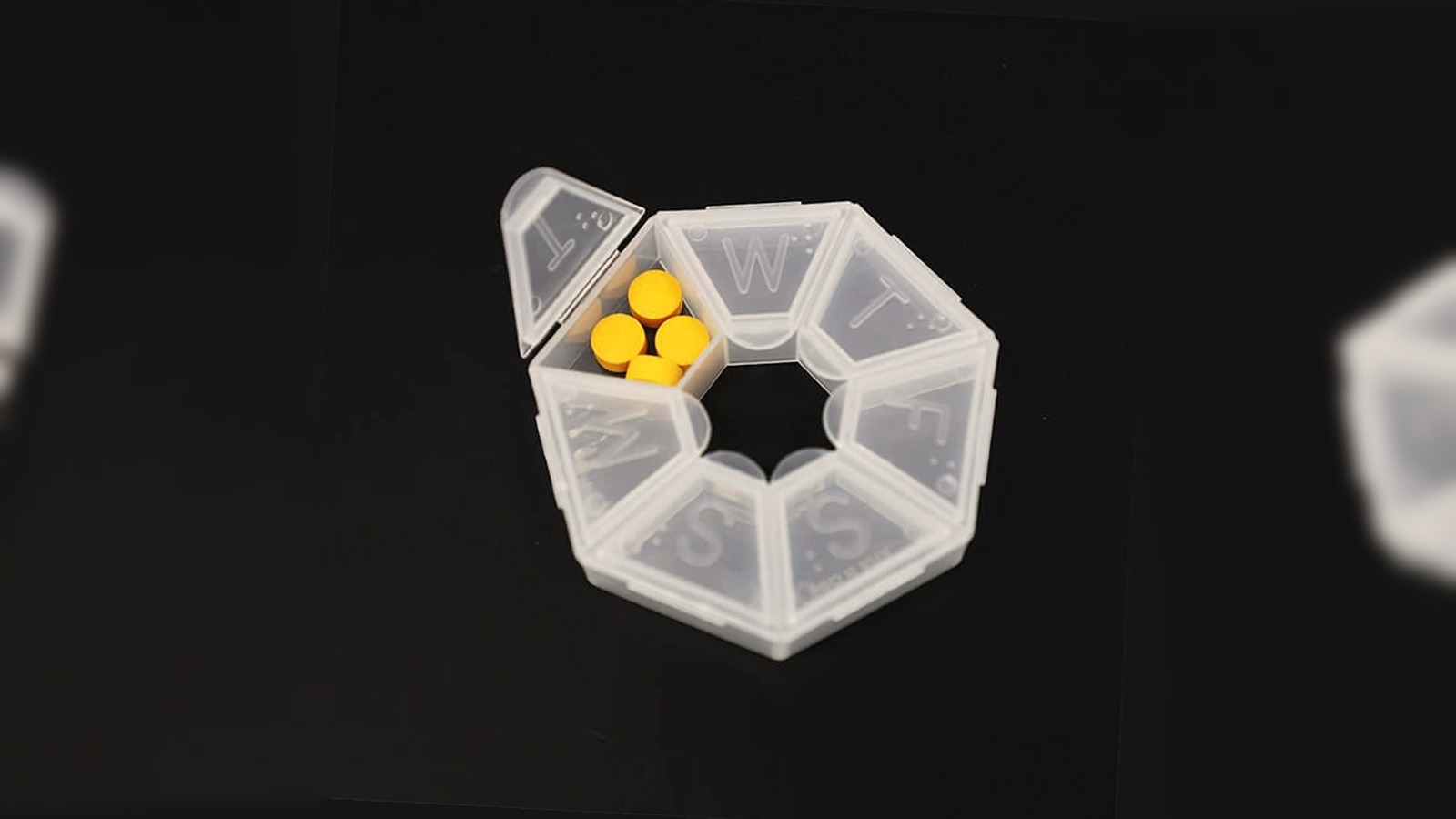
A carton has a face to work with. A pocket case has a lid. When the product name runs long, you’re choosing between a tighter dot pitch, wrapping braille around a curve, or shifting it onto a label. Each costs something. Design the braille layout alongside the case artwork rather than after tooling sign-off — retrofitting it onto a finished case is how programmes quietly slip a quarter.
Multilingual Packs Are the Real Cost Driver
Braille codes differ by country, with enough variation that one tool cannot serve every market. Each language variant is another artwork revision and, on moulded tooling, potentially another insert. Ask early which language set the tooling supports and what a second language adds.
What to Write Into the Purchase Order
The Six Lines That Prevent a Rejected Batch
- Standard cited by name and year — EN 15823 or ISO 17351.
- Braille specification — Marburg Medium.
- Target dot height, with the measurement method named.
- Grade 1 full-name rule, plus which languages the tooling supports.
- Application method — embossed, printed, moulded or labelled.
- Inspection evidence: which report you receive, taken from which shots.
That list takes ten minutes and saves entire moulds. If you want the same discipline turned on the rest of the case, our guide on vetting pill box manufacturing walks the full checklist we hand first-time buyers.
Pair the Dots With a Case That Works
Ordering a braille pill box doesn’t excuse a bad case. If it can’t hold the pills, the braille is decoration. The compartment maths in our pocket case sizing guide applies directly — nobody thanks you for a compliant lid on a box that gets returned.
How to Check a Supplier’s Claim
Ask for the Measurement Method First
Anyone can quote 0.20 mm. Ask how it was measured, on which shot, and whether the reading still holds after the mould has warmed up through a shift. Reports should come off production-representative parts, never a polished first sample. Compare the report with one taken four hours into the run.
The Finger Test That Costs Nothing
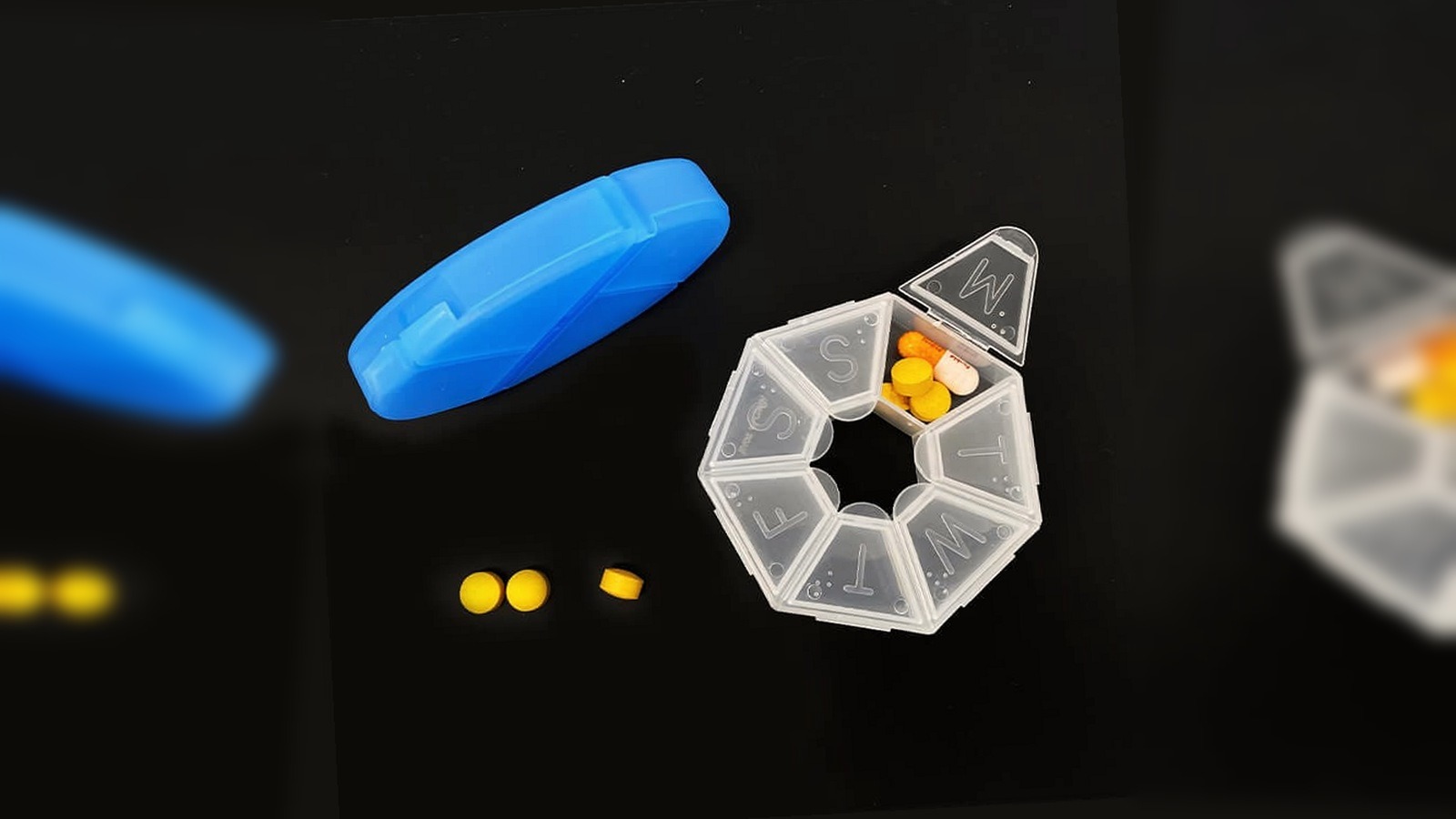
Hand the case to someone with no instructions and ask them to read the name back. If they guess, the dots are too shallow, and no certificate on earth fixes that — the same logic as the seventies-and-over hinge test we run on arthritis-friendly builds.
Book the Inspection Before the Run
Braille inspection equipment checks content, placement and dot spacing against approved artwork. If your volumes justify it, ask whether your supplier or a third party can run that check on outgoing goods. If nobody can, require a dated sample set from every production shift. Costs almost nothing. Saves the batch.
Confirm the Braille Authority for Each Market
Every country has its own braille code and its own authority. Before approving artwork, have your supplier confirm the character set against the relevant local authority for each market you ship to — not a generic reference sheet. That’s the most common gap on multi-market programmes, and it always surfaces after printing. If you’d rather solve it upstream, our supplier vetting guide covers turning it into a written expectation instead of a favour.