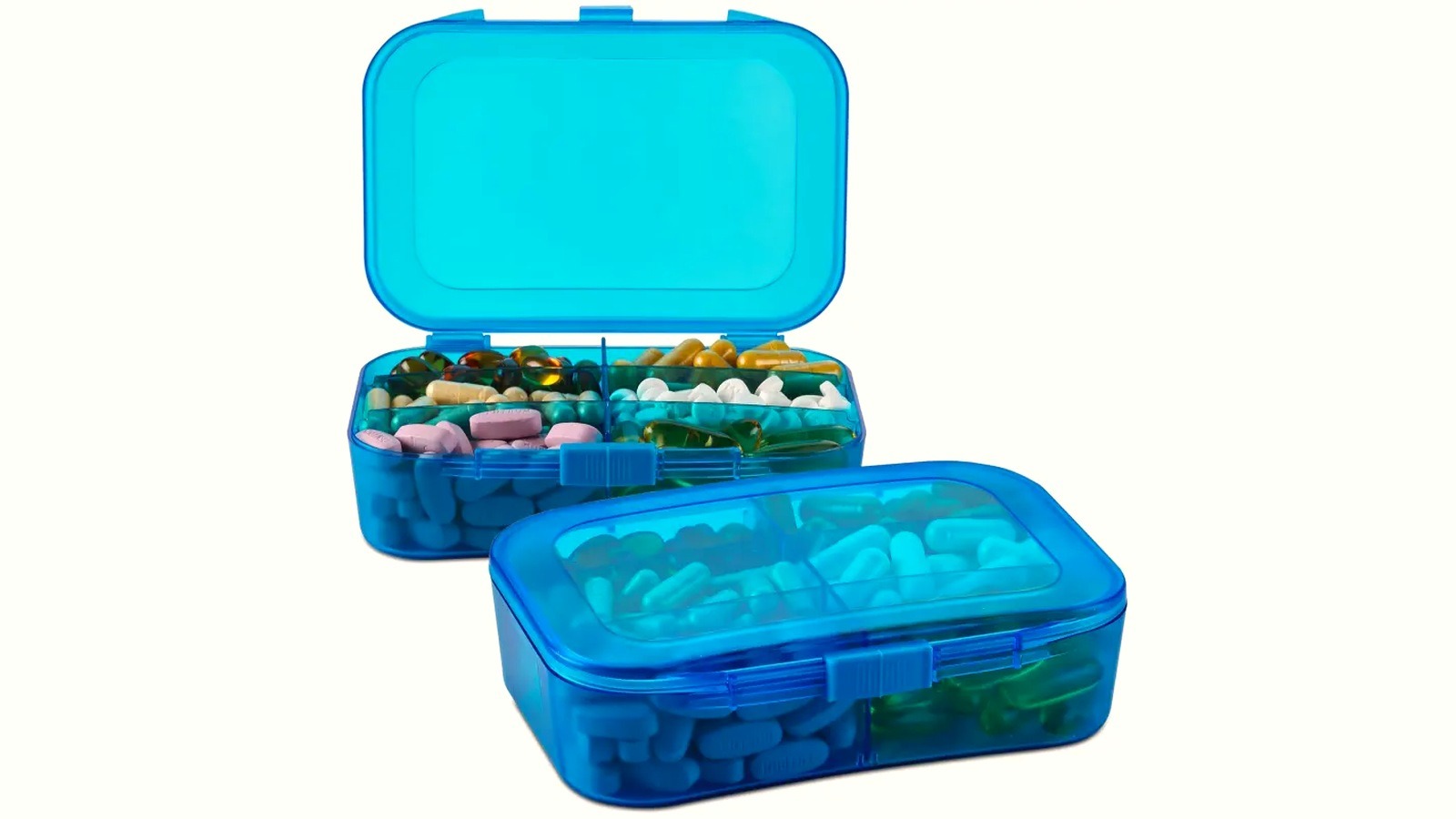
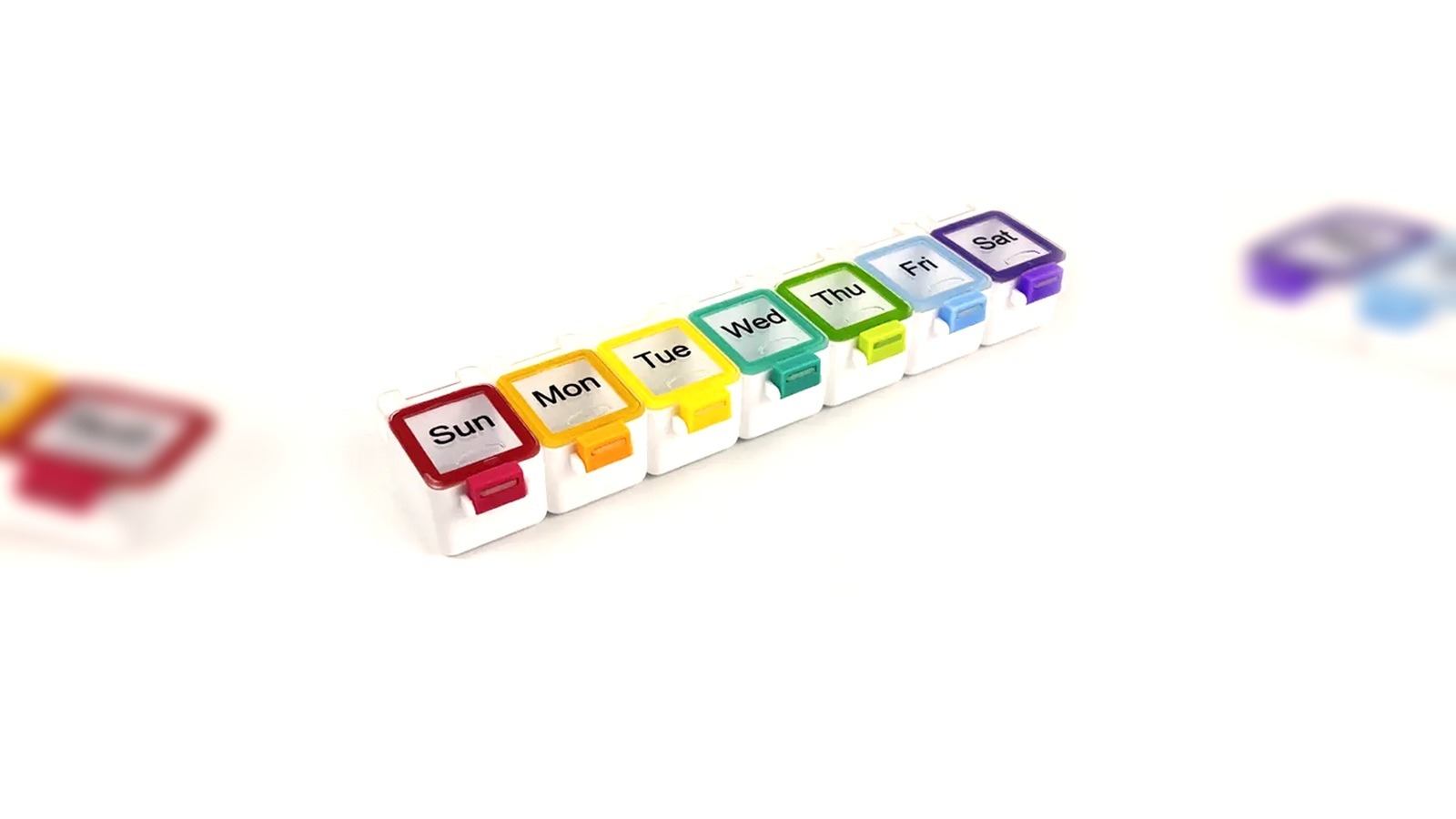
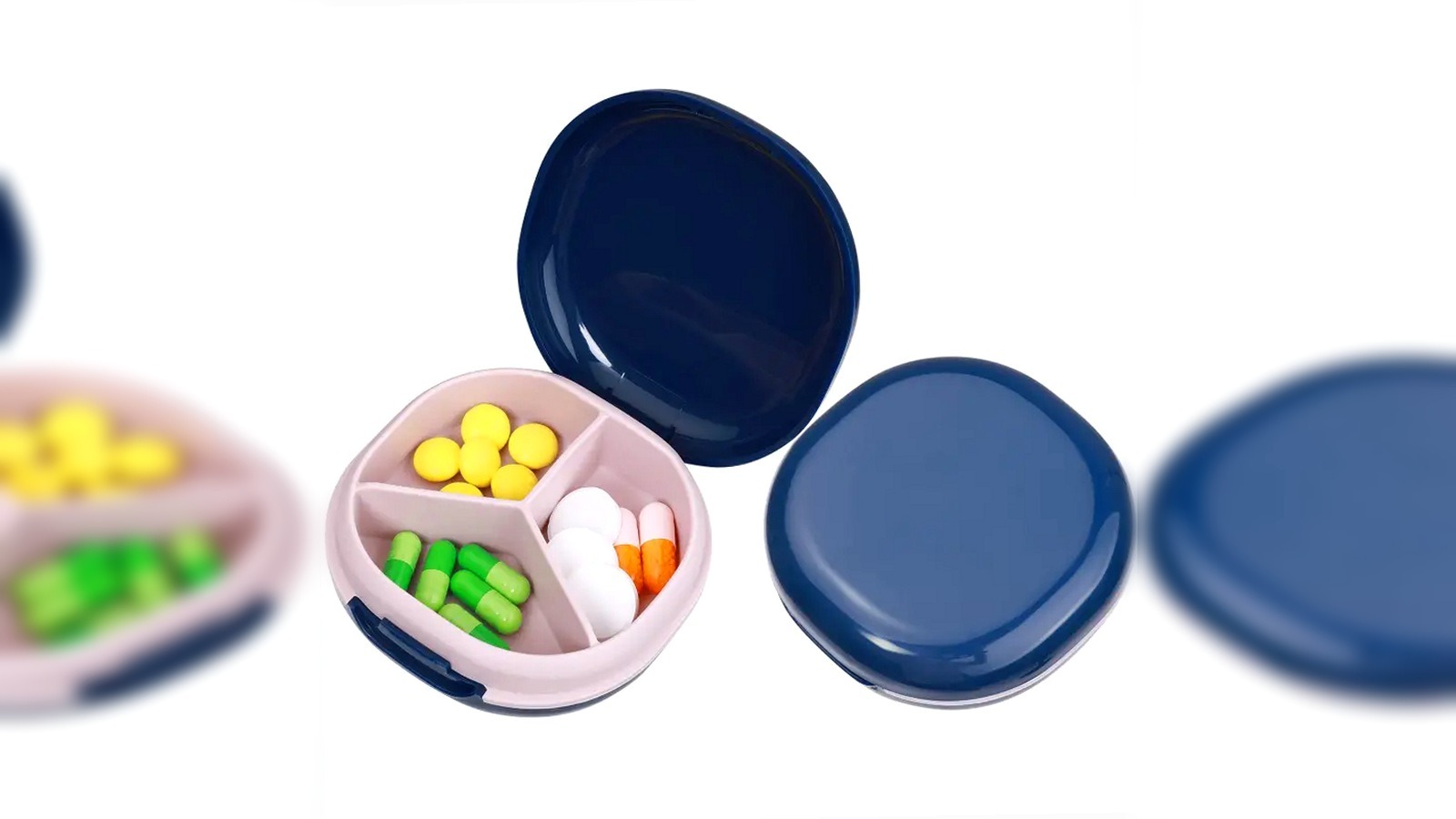
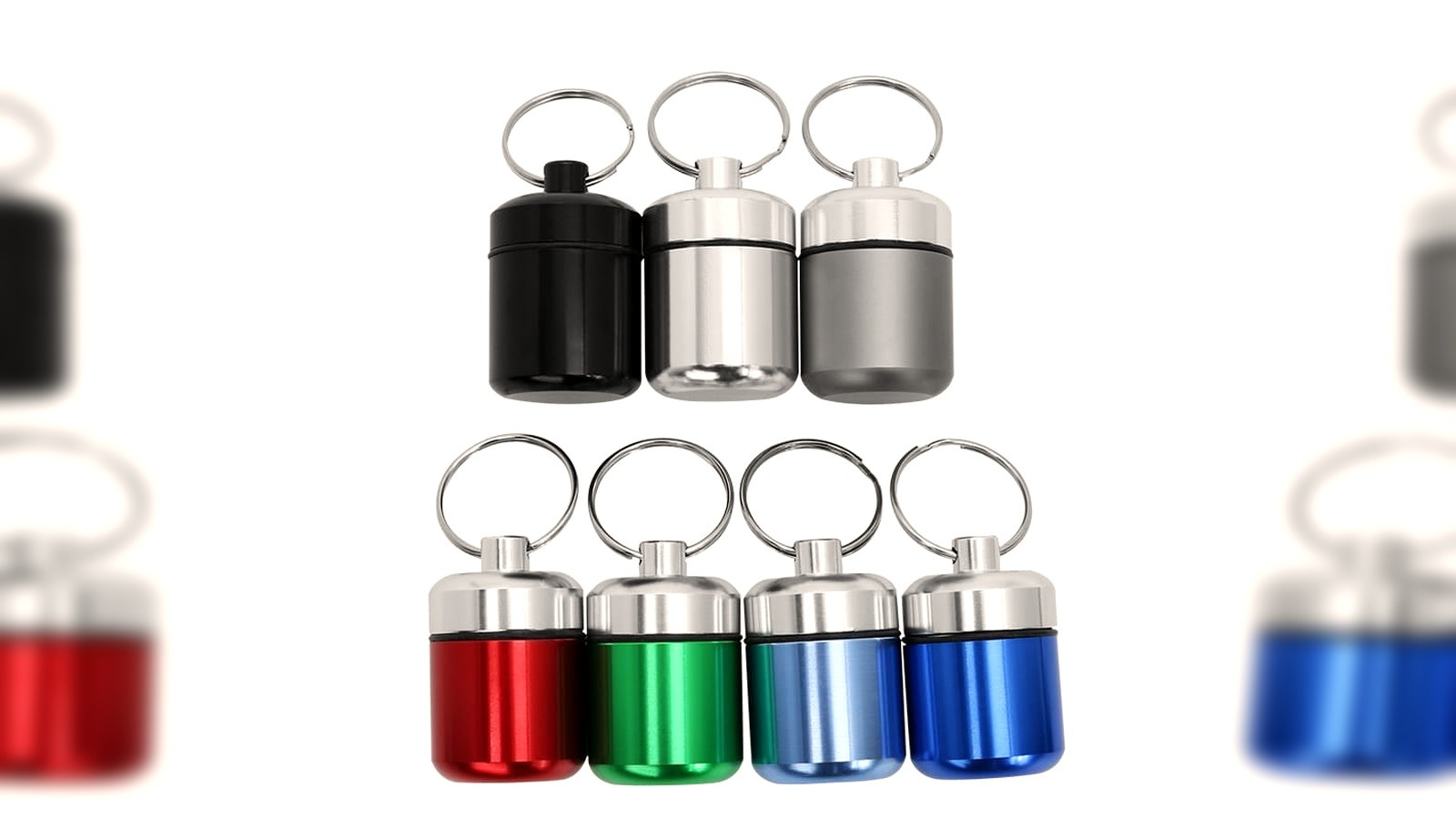
If you buy pill boxes and ship them into the EU, PPWR compliance — Regulation (EU) 2025/40 — has applied to you since 12 August 2026.
Five things now have to be in your file: heavy-metal test evidence, EPR registration in every member state you sell into, a Declaration of Conformity for each packaging type, a technical file you can produce within ten working days, and PFAS evidence for any part that touches tablets or capsules.
The detail that trips up most buyers is the exemption. Nearly everyone assumes a pill organizer counts as pharmaceutical packaging and is therefore exempt. It does not work that way.
This guide is for brand owners, importers and marketplace sellers who place packaged pill boxes on the EU market. It is not a legal opinion. It is the filing list our own customers are working through with us right now, in the order their compliance advisers ask for it.
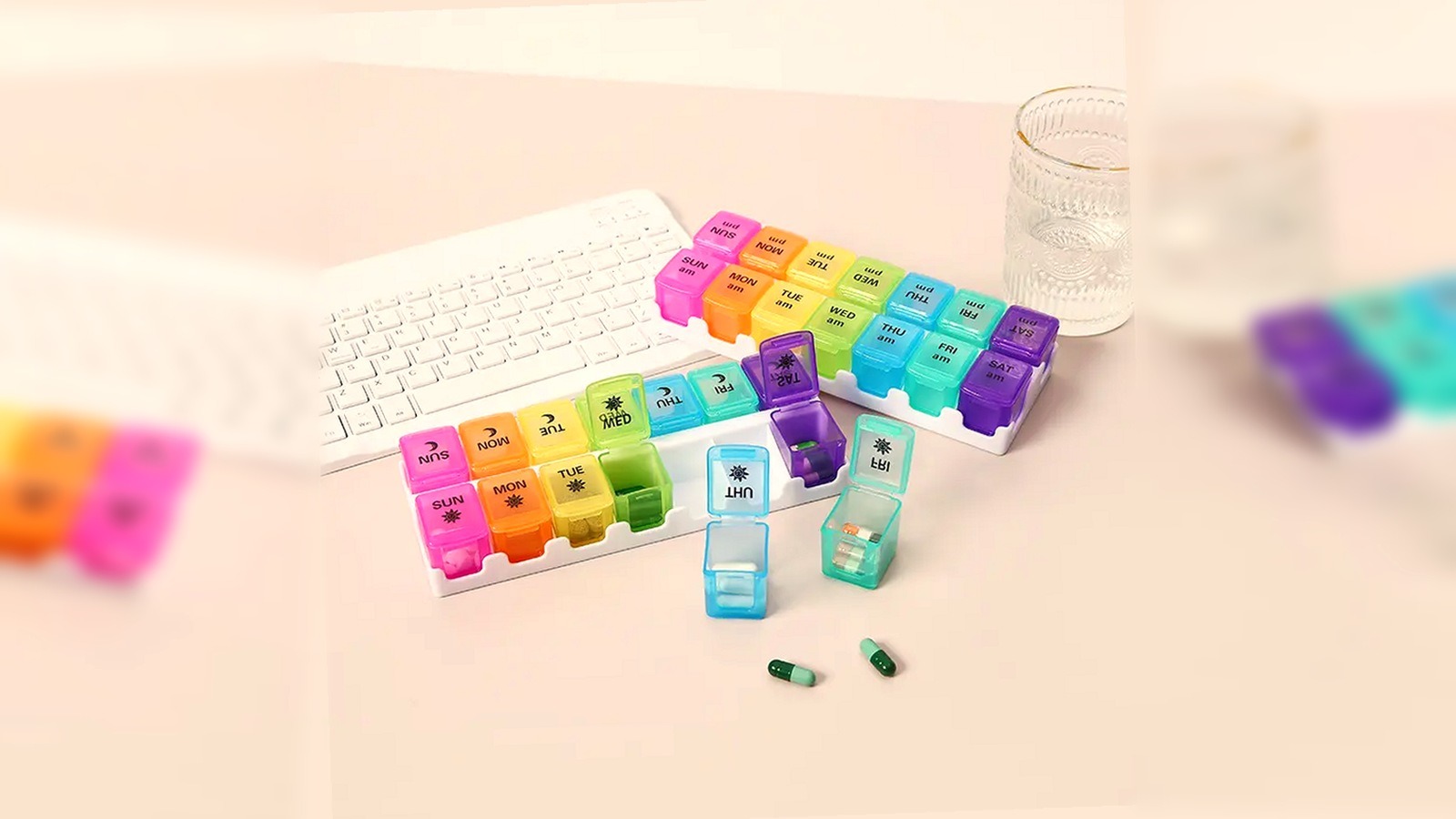
PPWR Compliance Timeline: What Changed on 12 August 2026
PPWR replaced the old Packaging and Packaging Waste Directive (94/62/EC), which had been in force for almost thirty years. The change is not cosmetic: a directive lets each member state write its own rules, while a regulation does not.
Two consequences follow from that. First, the rules are now the same from Ireland to Romania. Second, “producer” is defined broadly — manufacturers, importers, distributors and retailers all sit inside it. Selling through Amazon does not move the duty to Amazon.
The regulation covers all packaging materials, all channels and all packaging levels: primary, secondary and tertiary. Cartons, leaflets, labels, tape, mailers, pallet wrap and stretch film are all in scope. Not just the box.
Does the Pharmaceutical Exemption Cover Your Pill Box?
This is the question that decides how much work you have to do, and most people get the answer wrong. Here is the reasoning chain.
PPWR regulates packaging, not products. When you sell an empty pill box as a product, that pill box is the product. It is not the immediate packaging of a medicine, so the exemption for pharmaceutical immediate packaging does not reach it.
What the exemption does cover is the medicine’s own container. What it does not cover is the carton, leaflet, label and shipping packaging around your pill box. Those are in scope, and they are where EPR weight reporting and recyclability grading will land.
If Your Pill Box Ships With Tablets or Capsules
There is one important branch. If the organizer is sold with tablets, capsules or supplements inside it, the parts that touch the dose are no longer just structural. They can be assessed against food-contact rules, including the PPWR PFAS thresholds.
Those thresholds apply from 12 August 2026 to food-contact packaging: no single non-polymeric PFAS above 25 ppb, no sum above 250 ppb, and total fluorine at or below 50 ppm. If total fluorine exceeds the limit, you are expected to be able to show where the fluorine comes from.
For a silicone gasket or a PP compartment wall, that is a data request, not a design change. But it has to come from the factory, not from you.
The Five Filings EU-Bound Pill Box Buyers Need
This is the practical list. Ask for each item before you place the order, not after your customer asks you for it.
1. Heavy-Metal Test Evidence
Every packaging component must show that the combined total of lead, cadmium, mercury and hexavalent chromium is at or below 100 mg/kg. This applies across the board — carton, insert, label, film.
Ask for a report from an accredited lab that names the specific component. A report on a generic “paperboard” sample does not cover your printed carton.
2. EPR Registration, One Country at a Time
Extended Producer Responsibility registration is per member state. Registration numbers are not recognised across borders, so selling into four countries means four registrations.
Non-EU businesses also need an authorised representative inside the EU to manage the obligation locally. Expect annual reporting of packaging weight placed on the market, plus a fee.
3. A Declaration of Conformity for Each Packaging Type
The EU Declaration of Conformity follows the Annex VIII template. It needs a unique number, a signature and a date. One generic declaration covering everything you ship is not acceptable — each packaging type should get its own.
Two things people get wrong here. PPWR does not use a CE mark, and a CE Declaration of Conformity for a product cannot be reused as a PPWR declaration. They cover different things.
4. The Technical File
This is the evidence behind the declaration: a full packaging bill of materials, third-party test reports, material certificates, supplier details, drawings, and your recyclability and risk assessments. Weight data must be broken down per component per SKU.
Retention periods matter. Keep single-use packaging records for at least five years and reusable packaging records for ten. If a regulator asks, the full file is due within ten working days. Missing documents is not a paperwork problem; it is grounds for the goods to be withheld.
5. PFAS Evidence for Contact Parts
Covered above, but it belongs on the filing list too. Ask specifically whether the formulation contains intentionally added PFAS, and whether the supplier can back the answer with test evidence against the 25 ppb, 250 ppb and 50 ppm thresholds.
What to Ask Your Pill Box Factory Before You Order
Most of the data you need for PPWR compliance sits with the molder, not with you. That is the practical reality, and it is why choosing a supplier who can hand over compliance data is now a purchasing decision, not an afterthought.
Here is the six-item list we work through with buyers. It is the same list whether you are ordering one container or twenty.
- Material composition per component: resin grade, colourant, coating, label adhesive, closure material.
- A PFAS statement for every food-contact part, with test evidence behind it.
- A recyclability profile: is the design mono-material, and can the label be separated?
- Component-level weights per SKU for EPR reporting.
- A change-notification commitment, in writing, so a silent material substitution cannot invalidate your file.
- Confirmation that the factory will supply the data your declaration relies on.
The last point is the one buyers forget to negotiate. A supplier who can produce composition and weight data per SKU is easier to list with your own customers — that is a commercial advantage, not just a compliance chore.
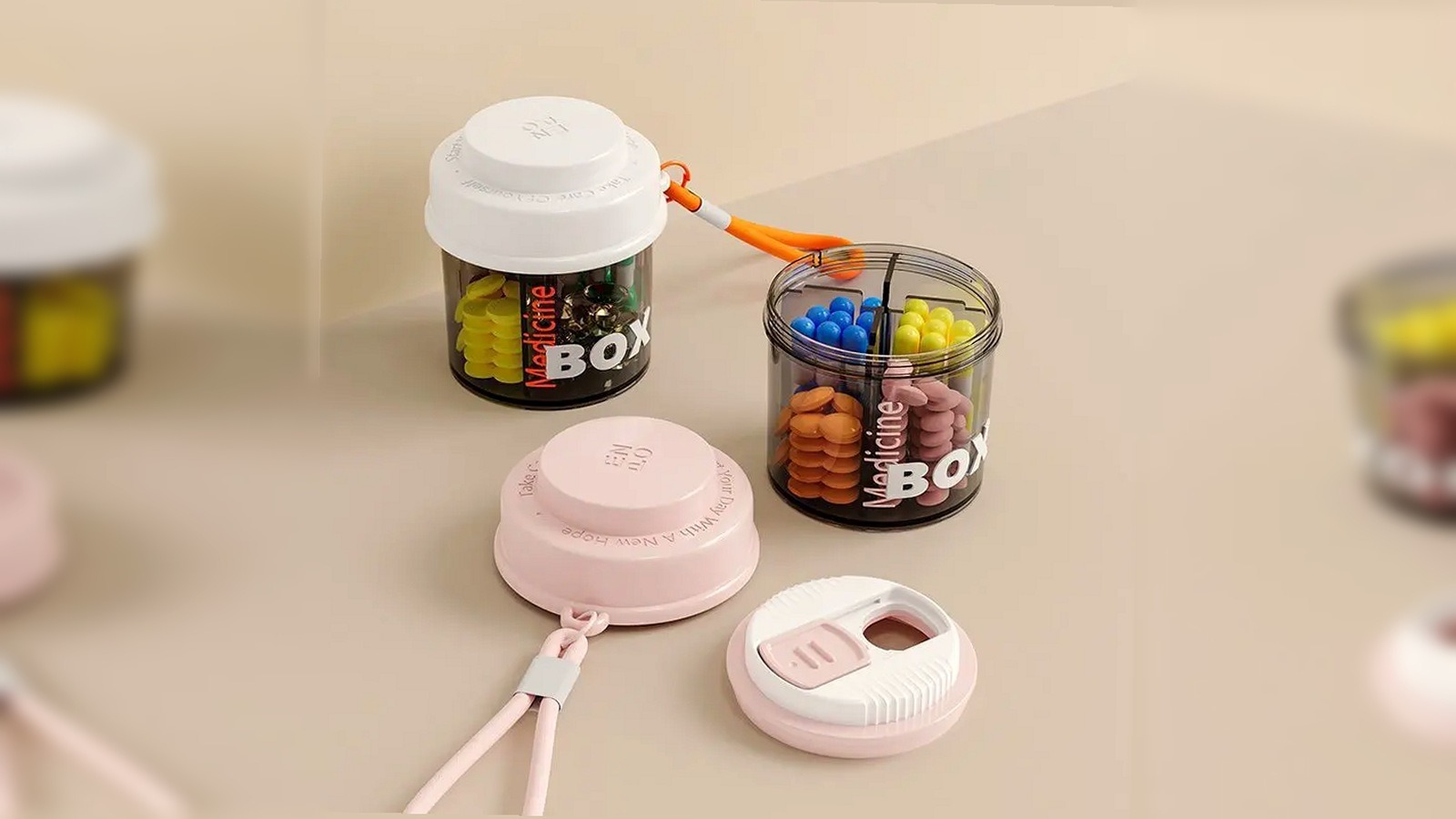
PPWR Compliance Deadlines You Should Design Around Now
The August 2026 obligations are about registering, reporting and testing. The heavy design consequences land later, and they are decided now, at the drawing stage.
From 1 January 2030, packaging placed on the EU market must meet a recyclability grade of A, B or C. The grading runs on recycling efficiency: A at 95 percent, B at 80 percent, C at 70 percent. Anything below 70 percent is treated as technically non-recyclable and cannot be placed on the market.
From 1 January 2038, only A and B grades may be placed on the market at all. Grade C is phased out.
Alongside that, recycled-content minimums start in 2030: 30 percent for contact-sensitive PET, 10 percent for other contact-sensitive plastics, and 35 percent for other plastic packaging. They rise again in 2040.
Design Decisions You Cannot Undo Later
Mixed-material assemblies are the formats most likely to fail. A PP box with a silicone gasket, a PVC label and a glued-on insert is four materials in one component, and separation is the recycling problem.
Mono-material design is not always possible — you cannot delete a sealing gasket without losing the seal. But you can choose a gasket that is easy to separate, and you can avoid a hard-to-remove label. Those decisions are made in the mold and in the artwork file, months before the regulation bites.
If you are sourcing a mono-material or recycled-content construction, our eco-friendly pill box material guide covers which polymers actually hold up.
Four PPWR Compliance Mistakes I See Buyers Make
Treating it as a 2030 problem. The 2026 obligations are live. Buyers and marketplaces are already asking for documents, and a listing that cannot answer stalls.
Assuming the marketplace handles it. It does not. The brand placing packaged goods on the market is the producer.
Using the product’s CE declaration as the packaging declaration. They are different documents with different subjects, and the packaging one needs its own number.
Asking for the data after tooling. Recycled-content choice, mono-material construction and label choice are locked in by the mold and the artwork. Ask before, not after.
One more note on the parts still open. The Commission’s detailed rules on design for recycling, the void-space calculation method and the Substances of Concern list are not finalised yet. Treat every figure here as the framework, and confirm the current text before you file — the deadlines are fixed, the methodologies are not.
If you are planning an EU-bound program and want the composition and weight data your file needs, our team can confirm per-SKU data along with a quote.
Start with how we run a pill box manufacturing audit, and for the certification picture across markets, see what importers should check in our FDA pill box guide.