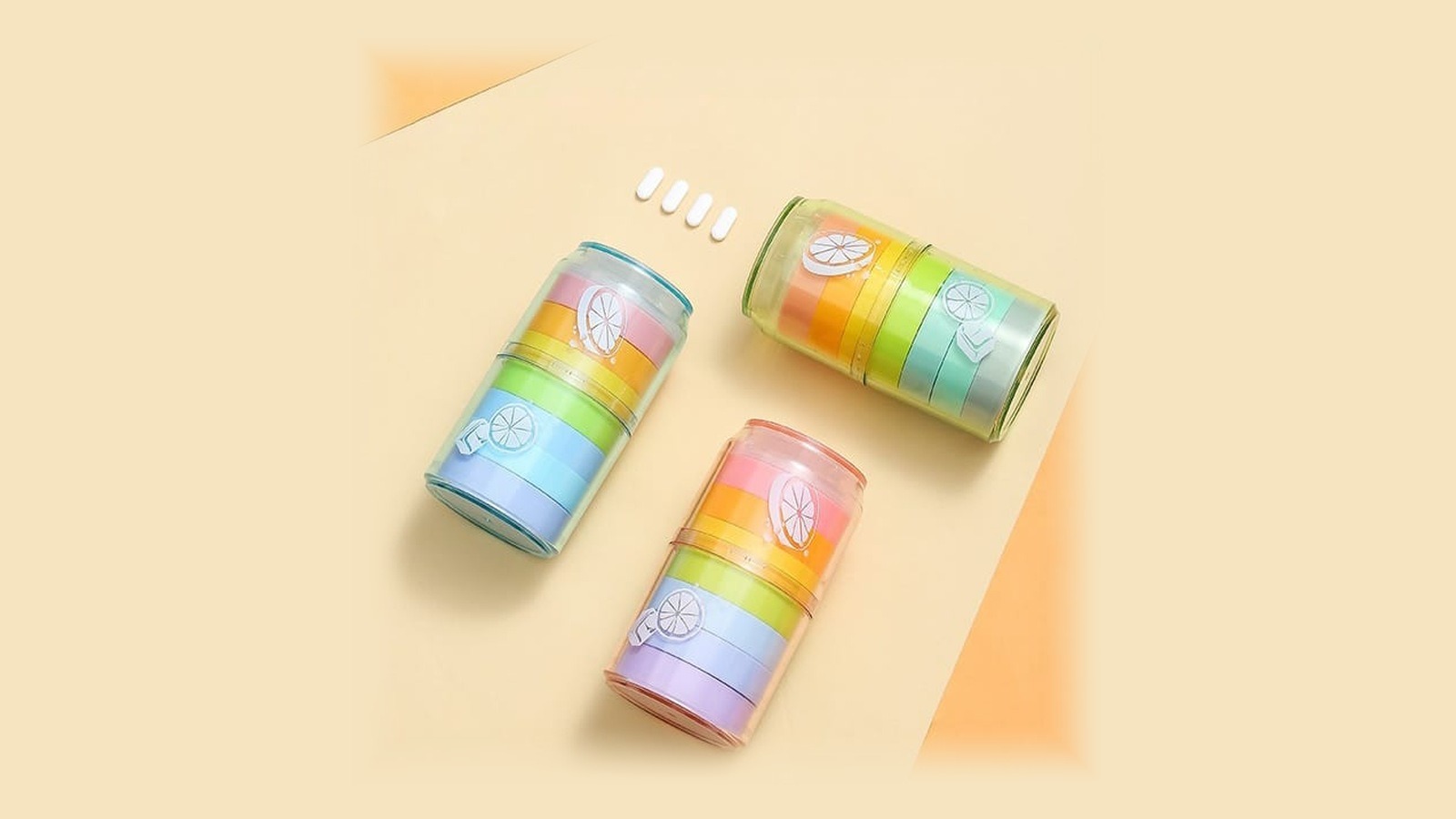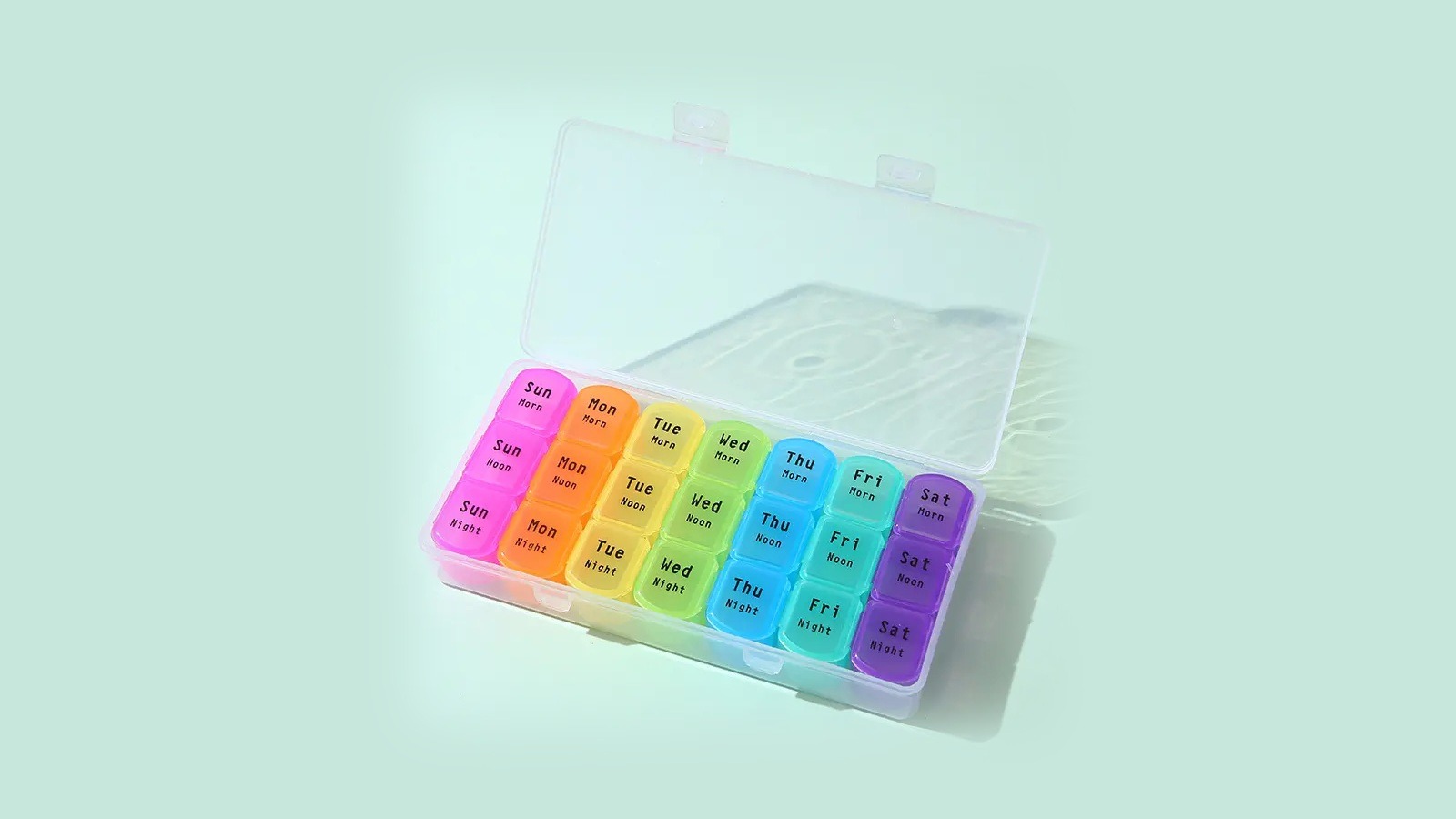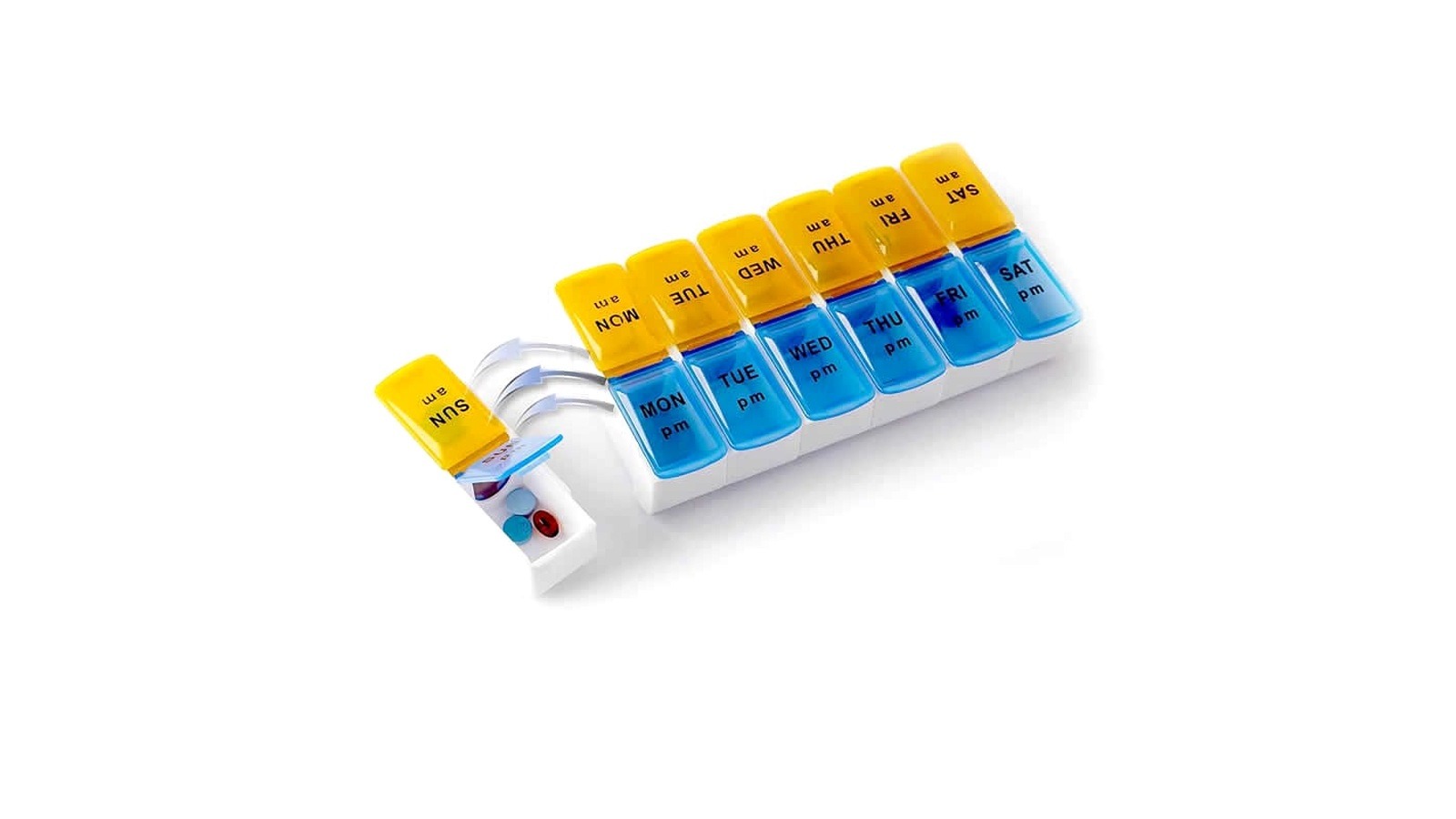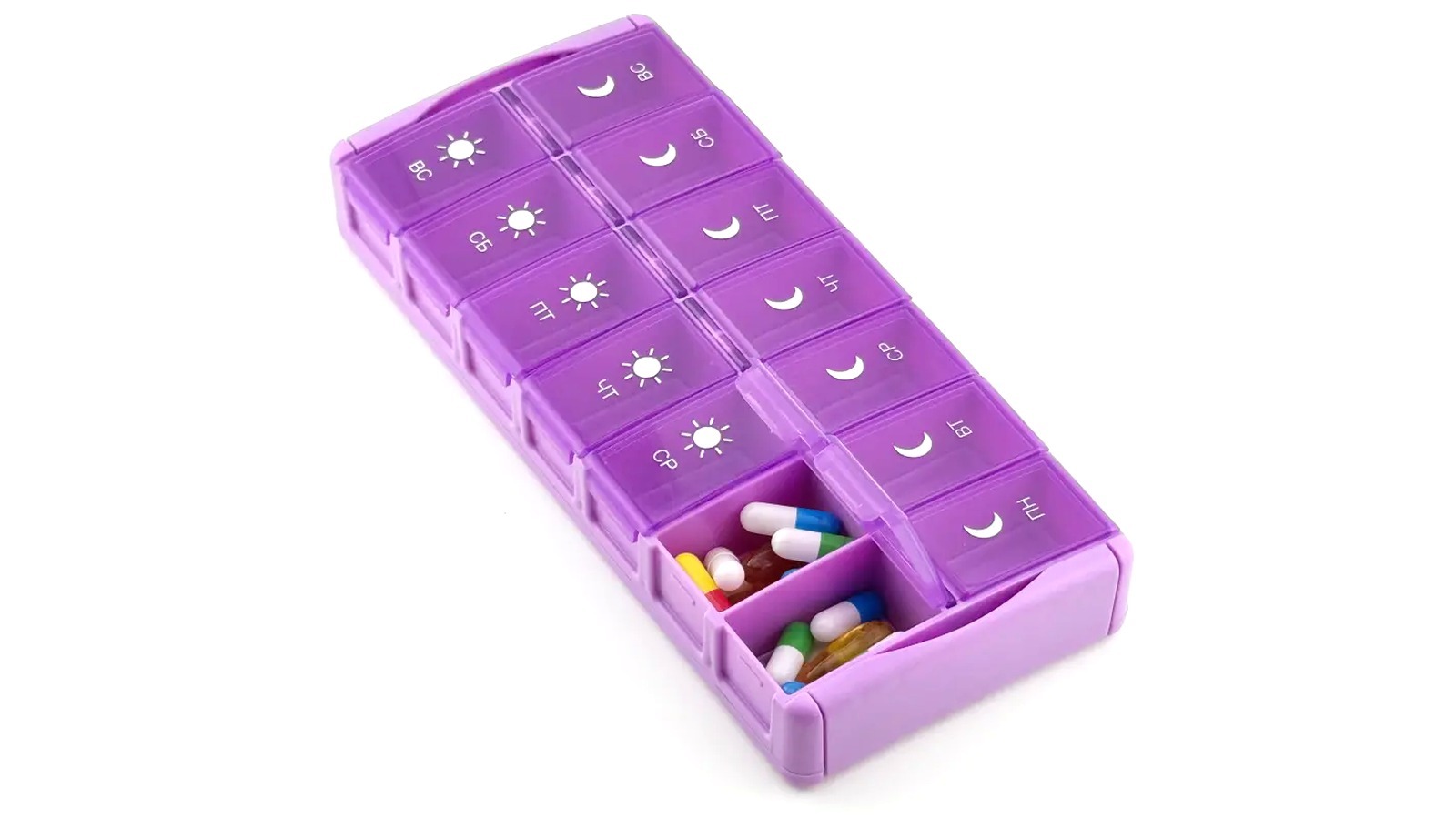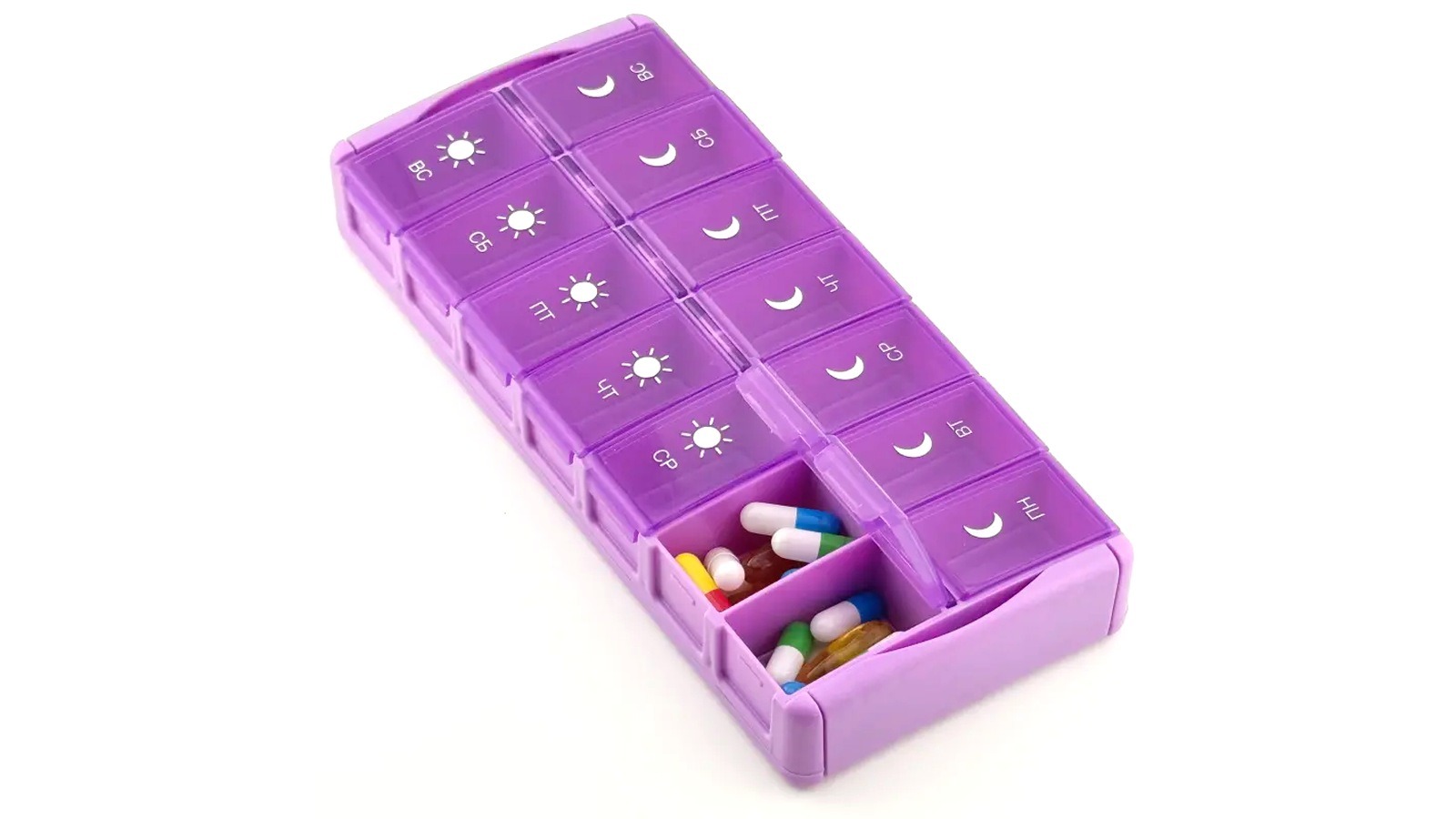
If a medicine truly needs refrigeration, the short answer is no: do not put a pill box in the refrigerator and expect it to protect the medicine. The drug belongs in its original, labelled container. A compartment organizer is a room-temperature accessory, and cold storage is a job it was never designed for.
The question that matters to a buyer is different. Will the box itself survive repeated 2–8 °C storage, condensation and door opening without its lids, seals and closures degrading? Guidance is unanimous about the medicine; the packaging side is silent.
This guide separates the two questions and turns the second into a specification you can put in a purchase order.
Who Actually Needs 2–8 °C — and Why They Should Not Use a Pill Box
Cold-chain storage guidance is specific. NHS Trust medicines policies define a controlled cold chain as 2–8 °C, and pharmacist guidance is blunt: medicines that require refrigeration should not be decanted into ordinary pill organizers. Insulin, some biologics and certain liquid formulations are the obvious examples.
The reason is not that the box damages the drug on contact. It is that pre-loading removes the four protections the original container provides: the light-resistant bottle, the sealed cap, the desiccant and a fixed headspace. A compartment box is opened several times a day, shares air between cells, and travels in and out of the fridge.
One pharmacy guidance page puts the practical limit plainly: a weekly organizer may be used only for short-term transfer of what is needed, not as the storage vessel. A supplier or private-label buyer should treat that as a product-boundary statement, then specify the box for the reality that users will still refrigerate it.
What Retail and Pharmacy Pages Say — and What They Leave Out
Recent English-language guidance has started to notice the box, but only as a footnote. One supplement storage guide warns that repeated removal of a weekly organizer causes condensation and advises filling no more than seven days.
Another tells readers not to store it in the fridge door and notes that daily organizers let in light and air, so they are suitable for a week at most. A pharmacy advice page says the same thing in different words: store refrigerated medicines in the main body of the fridge, not the door, and transfer only what is needed for short-term use.
A drug-info site goes further, stating plainly that a standard pill organizer is not appropriate for medicines that require refrigeration. The most useful observation comes from a storage FAQ: condensation forms inside compartment lids, and visible fogging means moisture is already moving in.
Water trapped in lid grooves can condense onto the next batch of pills. That is the first time these sources describe the container, not just the medicine — but they still stop at a warning. None defines a seal rating, a material grade or an acceptance test.
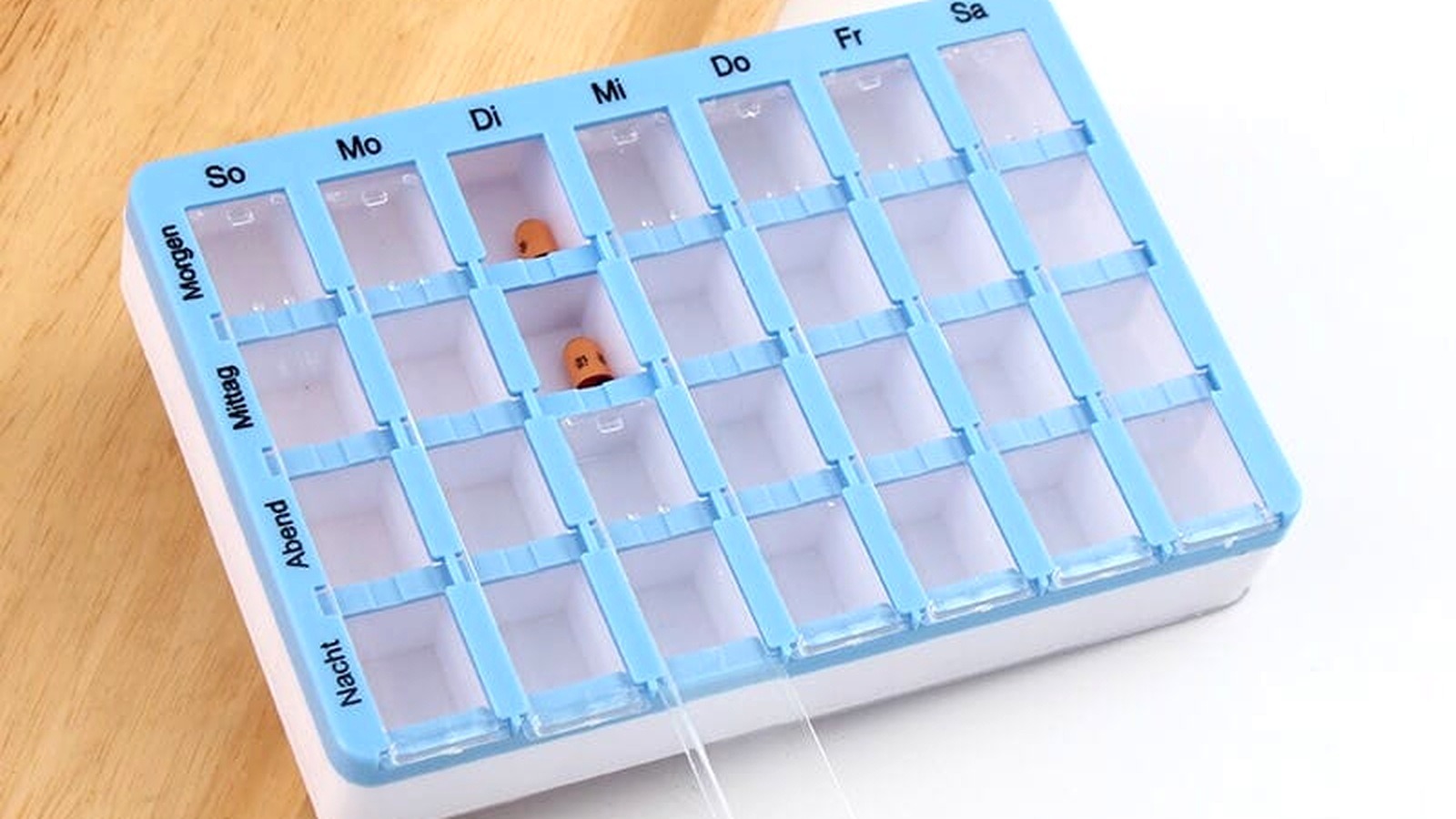
Three Ways a Pill Box in the Refrigerator Fails
The engineering view is that a cold fridge is harder on an organizer than a warm room. Three failure paths are worth writing into a brief. They are mechanics, not medical advice — always follow the medicine label and the pharmacist.
Condensation at the lids and grooves. Each time the box moves from 2–8 °C to a warmer room, moisture condenses on the cold surfaces first — and the lid interior and groove are exactly those surfaces. Water sitting in a lid groove touches the next dose. Individual per-compartment lids give condensation more places to hide than one flat cover.
Polypropylene near its brittle transition. Homopolymer PP turns ductile-to-brittle around 0 °C, putting a fridge just inside the risky band. Low-temperature behaviour is reported four ways — notched Izod, Charpy, ASTM D746 brittleness temperature and Tg — and Tg is not brittleness temperature. Values differ, so specify a range and request the grade’s data.
Seal recovery after cycling. Elastomer seals lose recovery as they age and are repeatedly compressed and released. The inferred chain: removal condensation, moisture uptake, lower seal rebound, then a lid that no longer sits flat after hot–cold cycles. Treat this as a reasoned failure model, not a measured result — ask a supplier to test it.
The Fridge-Door Dispute — Treat It as Background
Buyers will find contradictory advice, and the contradiction is real. Several English sources call the door the worst place in a fridge because temperatures swing most there. A Chinese science article argues the opposite — that the door shelf is comparatively stable — and recommends placing items there.
Do not resolve this in a product page and do not quote one side as fact. What both positions agree on is that temperature varies by location inside a fridge. For a specification, that means testing the organizer at the intended location and cycling it, rather than claiming performance from a single temperature point.
How to Specify a Pill Box That Must Live in a Fridge
Start by separating the medicine question from the box question in writing. The medicine stays in its original labelled container; if a buyer wants a box for short-term transfer, specify it as a cold-use accessory with a defined duty cycle. That sentence prevents most misuse disputes.
Ask for the seal architecture in plain terms: one flat lid, individual cell lids, or a gasketed shell. Each behaves differently under condensation. If a gasket is claimed, require the compound, its hardness and a compression-set result. “Moisture proof” is not a seal rating; the distinction is set out in this moisture-proof vs waterproof comparison.
For material, request the resin grade and its low-temperature brittleness data, with the test method named. That is the same discipline used when choosing plastics for drug contact and sorption: a material name alone is not a specification.
Cell geometry matters too. Deep, narrow cells trap moisture and are harder to dry, a problem explored in the four-gate practical pill box guide. Test the assembled box, not the raw material: cycle it between 2–8 °C and room temperature, then check lid fit, closure retention and visible fogging.
A related but opposite duty case — a box left in a hot car — is covered in the hot-car storage guide. The two together frame the full temperature range a product may see.
What to Write Into the RFQ
- Duty statement: “cold-use accessory for short-term transfer,” with the medicine kept in its original labelled container.
- Temperature range: 2–8 °C storage plus a stated number of removal cycles to room temperature.
- Seal architecture: single lid, per-cell lids or gasketed shell, with gasket compound and hardness if used.
- Material data: PP grade and low-temperature brittleness result, with the test method named and the value given as a range.
- Condensation check: inspect lid interiors and lid grooves for fogging and trapped water after cycling; define a pass/fail.
- Closure retention: measure lid and latch fit before and after thermal cycling, not just on the production line.
- Geometry: usable cell dimensions at the narrowest point, with a load test against the buyer’s reference regimen.
- Boundary: a written note that the box is not a cold-chain container for medicines that require refrigeration, and that labelling and pharmacist advice govern storage.
A refrigerator is harsher than a bedside table, and a pill box in the refrigerator is asked to do a job it was never specified for. The buyer who writes the temperature, condensation check and seal architecture into the order gets a box that holds up; the one who asks only whether the pills are safe gets a marketing answer to a medical question.