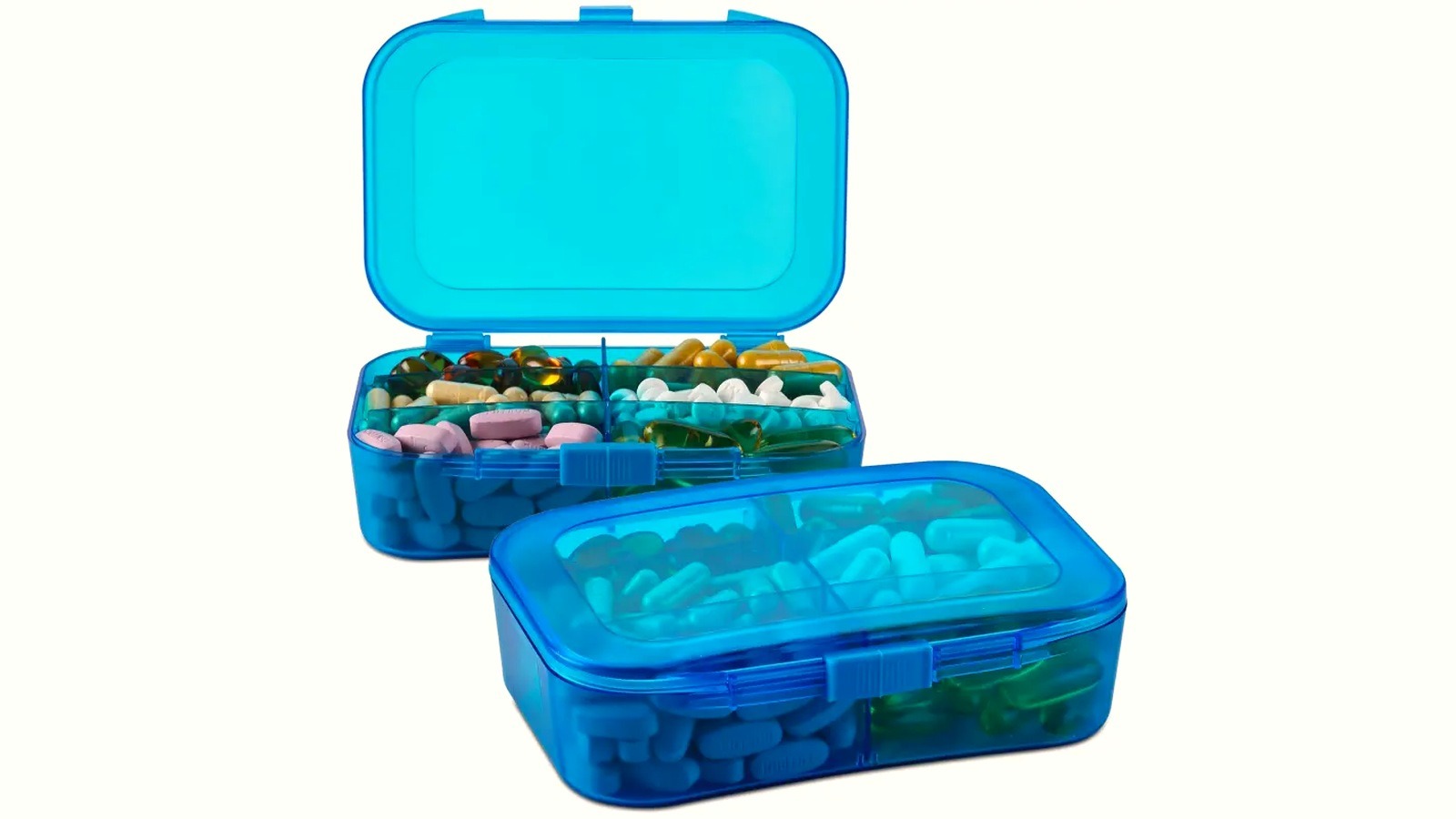
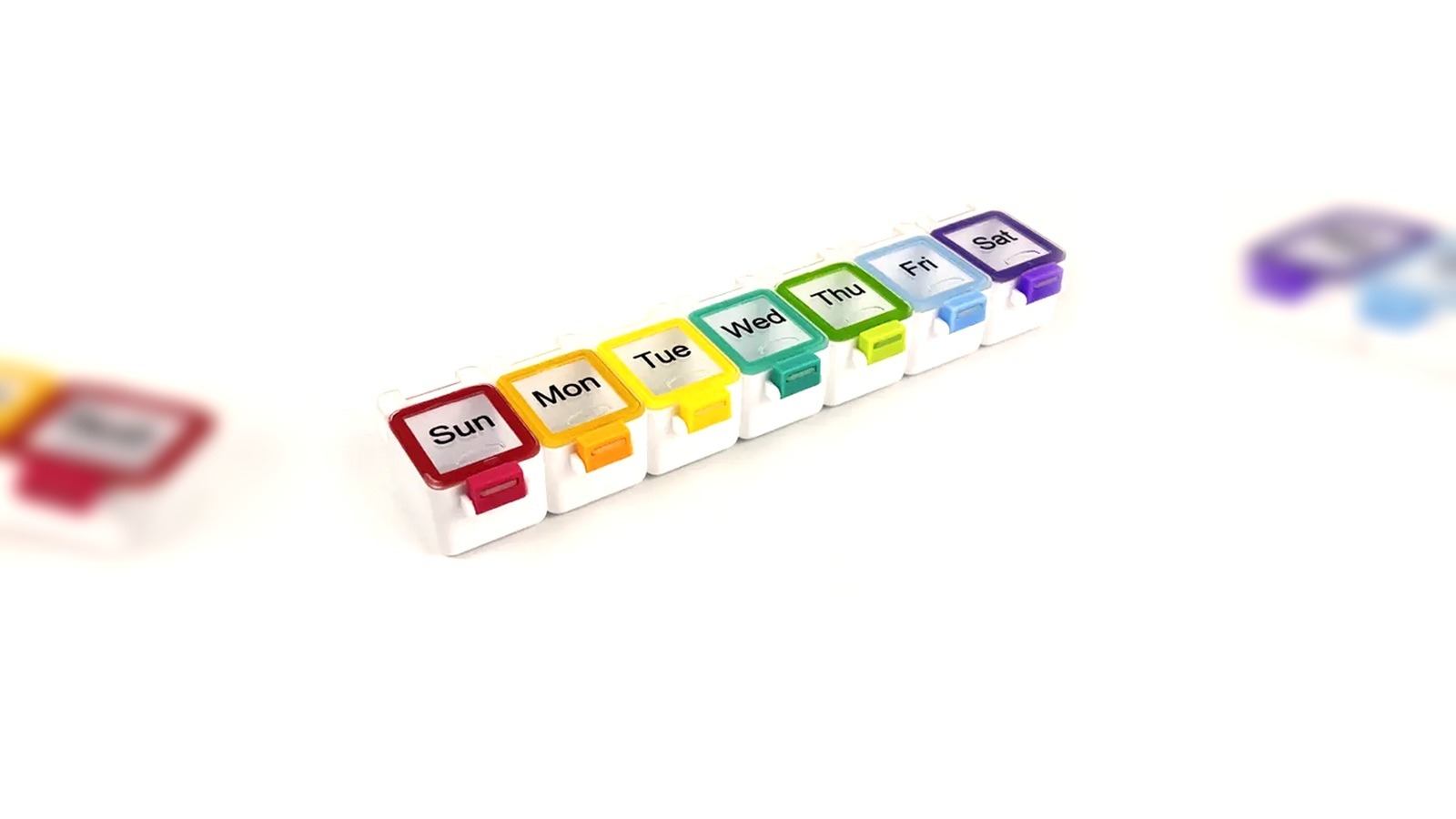
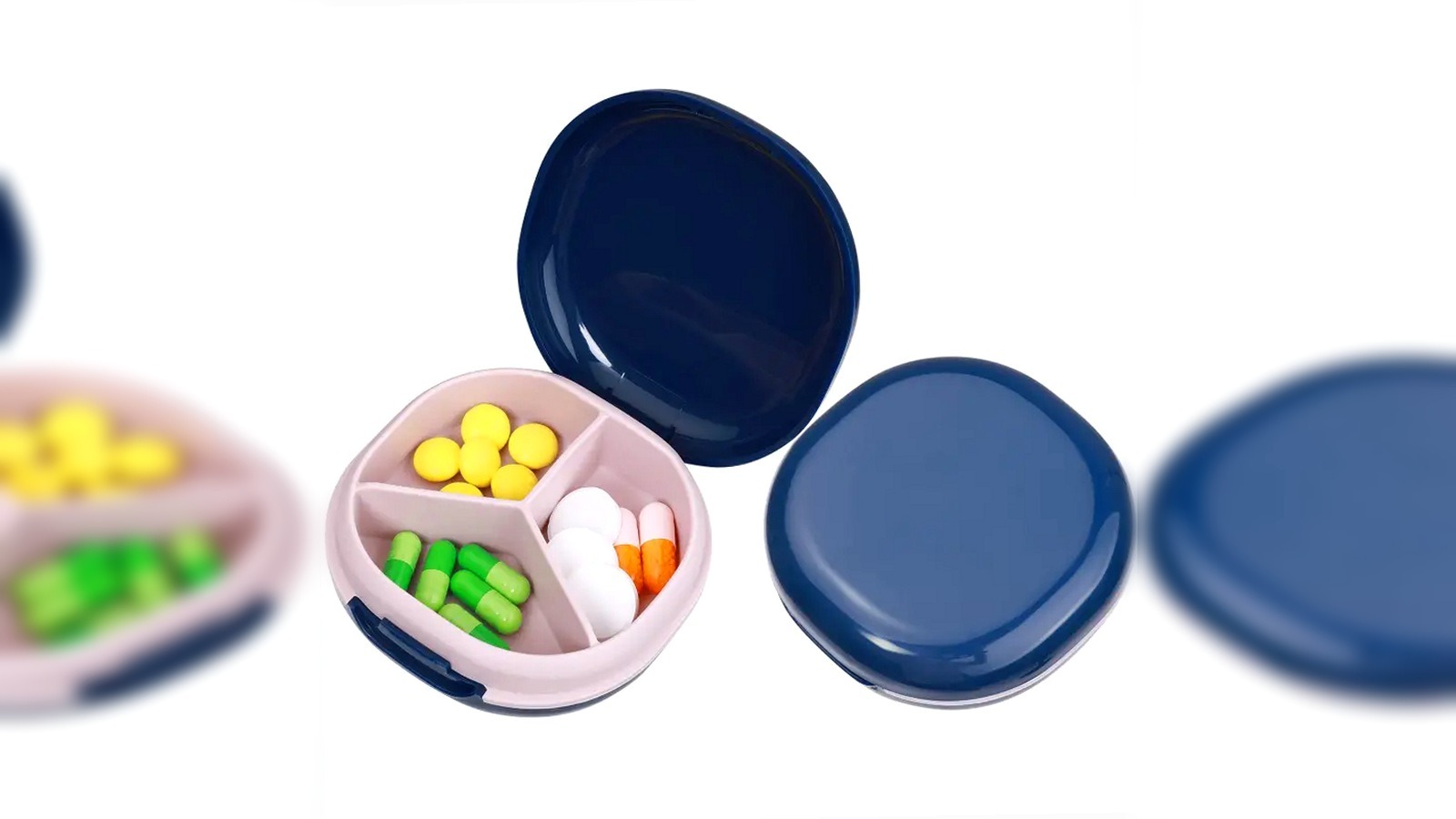
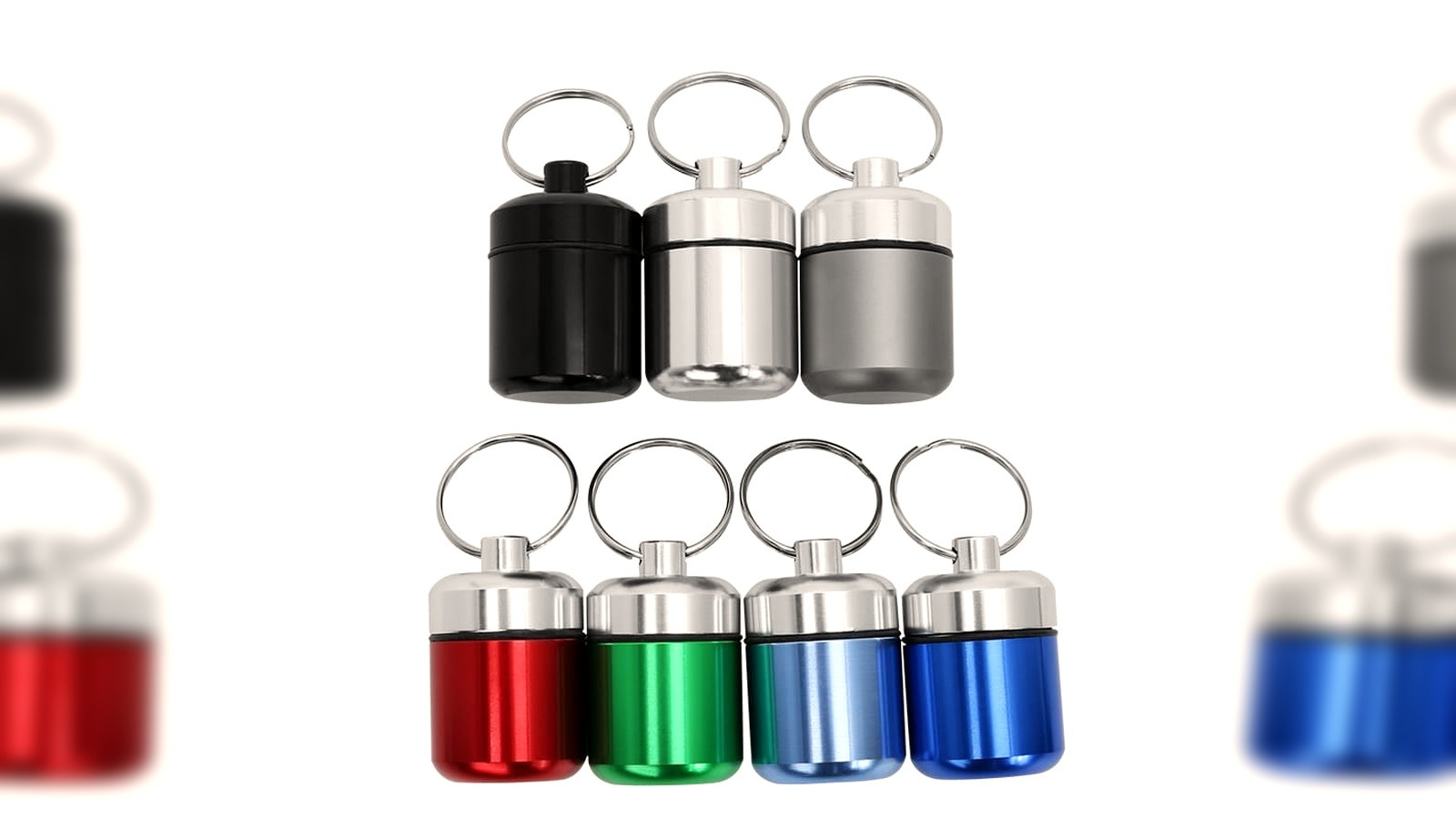
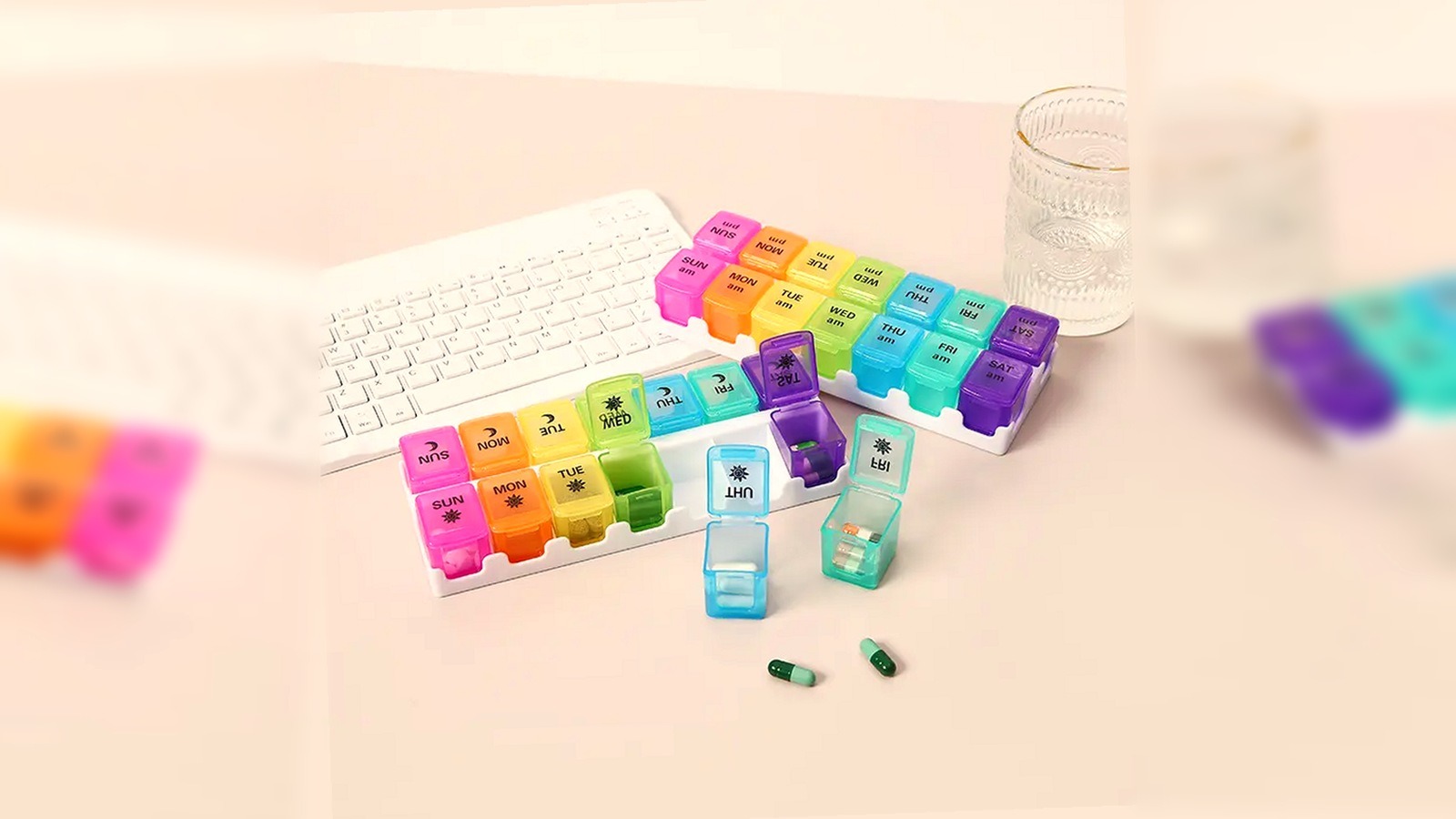
If you treat the pill box material as a cosmetic choice, you are one stability study away from a problem. Plastic does not sit inert next to a tablet. It can pull the active ingredient out of the dose, release its own additives into it, and let light through to a molecule that cannot tolerate light at all.
Buyers usually find this out late. They approve a material on appearance, unit price and closure force, place the order, and only afterwards hear that a customer’s tablets “did not feel the same” after a week in the organiser.
This guide is for brand owners, pharmacy buyers and supplement companies choosing a pill box material for a specific formulation. It is not medical advice and it does not replace the stability data held by whoever owns the drug registration. It is the selection framework and the test list we work through with our own customers before tooling starts.
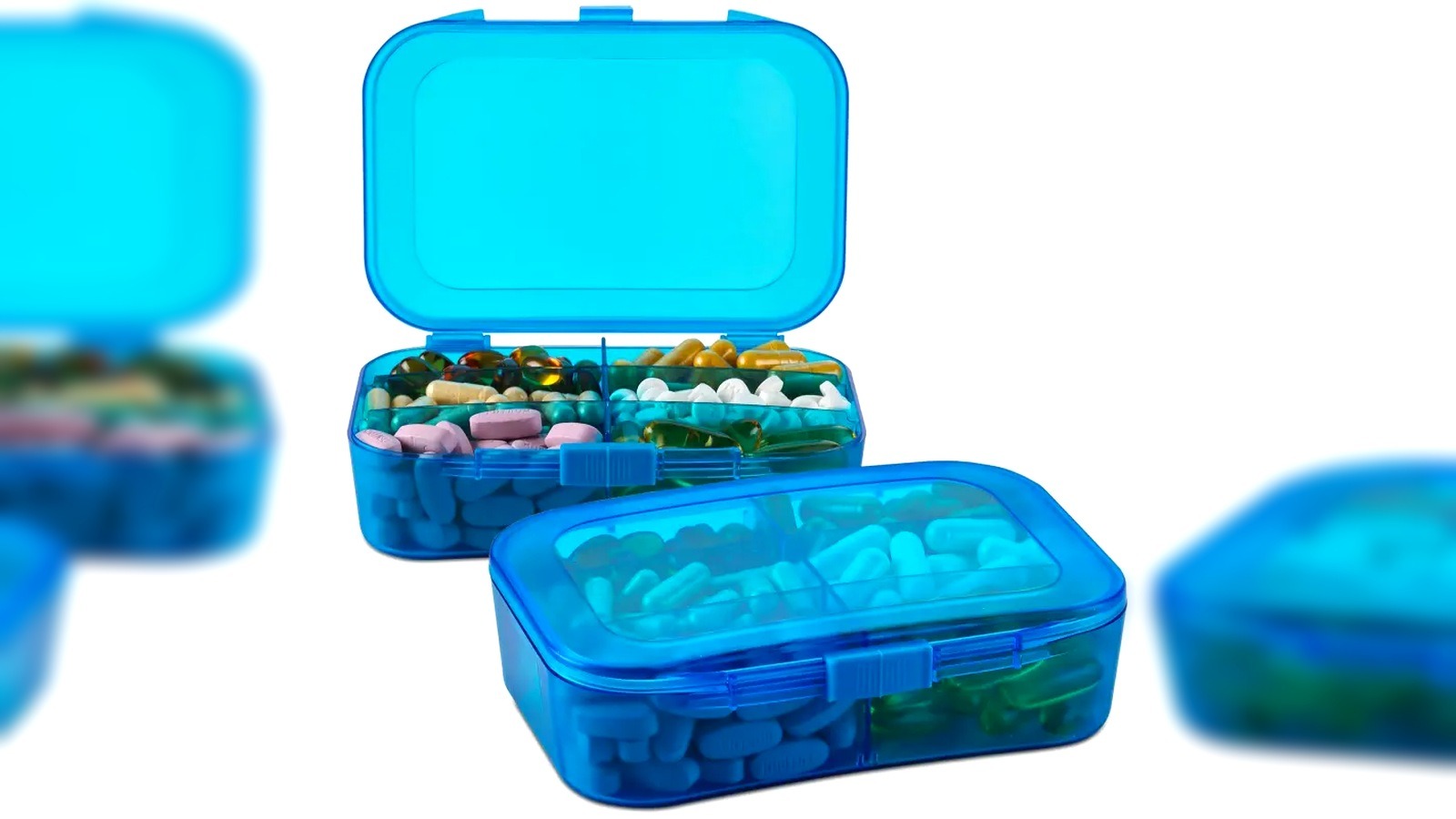
The Three Ways a Pill Box Material Interacts With a Drug
Sorption: the drug leaves the tablet
Sorption is the mechanism formulators worry about most. The active molecule migrates out of the dosage form and binds to the polymer wall, so the amount in the pill falls while the packaging still looks perfect.
Nitroglycerin is the textbook case. Research published as far back as 1971 reported potency losses of 14 to 29.3 percent when tablets were stored in plastic containers, against less than 5 percent in glass. Those figures are old, and your own stability data always governs — but the mechanism behind them has not gone away.
Sorption hits low-dose and sublingual actives hardest. A loss that looks trivial in milligrams is a large percentage of a 0.5 mg dose, and nobody notices it from the outside of the box.
Migration: the polymer gives something back
Migration runs the other way. Additives, plasticisers, antioxidants, colourants, mould-release agents and residual monomers can move out of the plastic and into the product.
You will rarely see this as a visible defect, which is exactly why it matters. It shows up in extractables and leachables work, and it is the reason a resin certificate on its own proves very little about a finished pill box.
Light transmission: the failure nobody notices
Some APIs degrade under light rather than heat or moisture. A clear or lightly tinted pill box offers almost no protection in that case, and the change is usually invisible until assay results come back months later.
If your formulation is light-sensitive, the pill box material and its colour are a functional specification, not a design preference. Amber and opaque grades cost more and hide the tablets, and both of those trade-offs are worth making when the API demands it.
What the USP Chapters Actually Test
The chapter formerly numbered 661 was retired
USP 661 was withdrawn on 1 December 2025 and split in two. USP 661.1 now covers plastic construction materials, while USP 661.2 covers the plastic packaging system as a whole.
That split matters commercially. A resin supplier’s infrared or DSC identity report answers 661.1. It says almost nothing about the finished article your customer actually opens, which is what 661.2 addresses. For oral and topical dosage forms, the chapter does not require biological reactivity testing — but system-level extractables and leachables work still applies.
USP 671 puts moisture and light in one chapter
USP 671 is the chapter buyers should quote when they ask a factory for data. It has two lines: moisture vapour transmission rate, and spectral transmission.
For oral and topical plastic containers, transmission at any wavelength between 290 and 450 nm must not exceed 10 percent. That is the figure to put in a specification when a customer asks how much light the box actually blocks.
Moisture vapour transmission is measured on finished containers, never on resin pellets. Method 1 uses 15 containers held at 40 degrees Celsius and 75 percent relative humidity for 35 days, weighed at fixed intervals along the way. Ask any supplier who quotes an MVTR number which method produced it.
Comparing the Five Plastics Used in Pill Box Materials
Polypropylene is the workhorse of the category. It has good chemical resistance, a living hinge that survives millions of cycles, and the lowest unit cost of the group. Its weakness here is optical: it is naturally translucent, so it protects nothing from light unless you add an opaque colourant.
Polystyrene delivers the crisp, glass-like clarity most retail pill boxes are sold on, and it prints beautifully. Against that, it is brittle and has poor resistance to many solvents and oils.
PET balances clarity and toughness better than polystyrene. It is usually the better pick when you want the tablets visible and you still expect the box to survive a handbag and a car glovebox.
ABS is used for opaque shells and metal-look finishes. It is strong and easy to decorate, but it is a poor hinge material — it stress-whitens and cracks far below a million cycles.
Polycarbonate is the premium option: impact resistance, dimensional stability and, in amber grades, genuine light blocking. It costs more and demands careful drying before moulding, which is one reason not every factory quotes it happily.
None of these five is “the right” pill box material in the abstract. The right answer depends on the API, the dose, the storage conditions and what your market expects to see on the shelf.
Which APIs Buyers Are Typically Warned Not to Repack
Official guidance on repackaging is written around the drug, not the container, so there is no single harmonised list of APIs that must stay in glass. What exists instead is a body of stability findings that formulators treat as warning signs.
The substances most often flagged include nitroglycerin, isosorbide dinitrate, diazepam, insulin, warfarin sodium, hydralazine hydrochloride and thiopental sodium. Certain antihistamines and phenothiazines appear on the same lists, and acetate esters are known to interact with several polymers.
Chinese-language medical media have quoted nitroglycerin sorption rates as high as 80 percent. Treat that as a regional claim rather than a harmonised international figure — but do not treat it as nothing, either.
The practical rule for a buyer is simple. If the API appears on a sorption warning list, do not choose a pill box material by appearance and price. Ask for stability data generated in the proposed container, and if none exists, do not be the party that creates it.
That rule is also where this article stops and the regulatory one begins. Our FDA pill box guide covers the certificates, claims and labelling an importer must be able to produce. This piece is about the chemistry of the container itself.
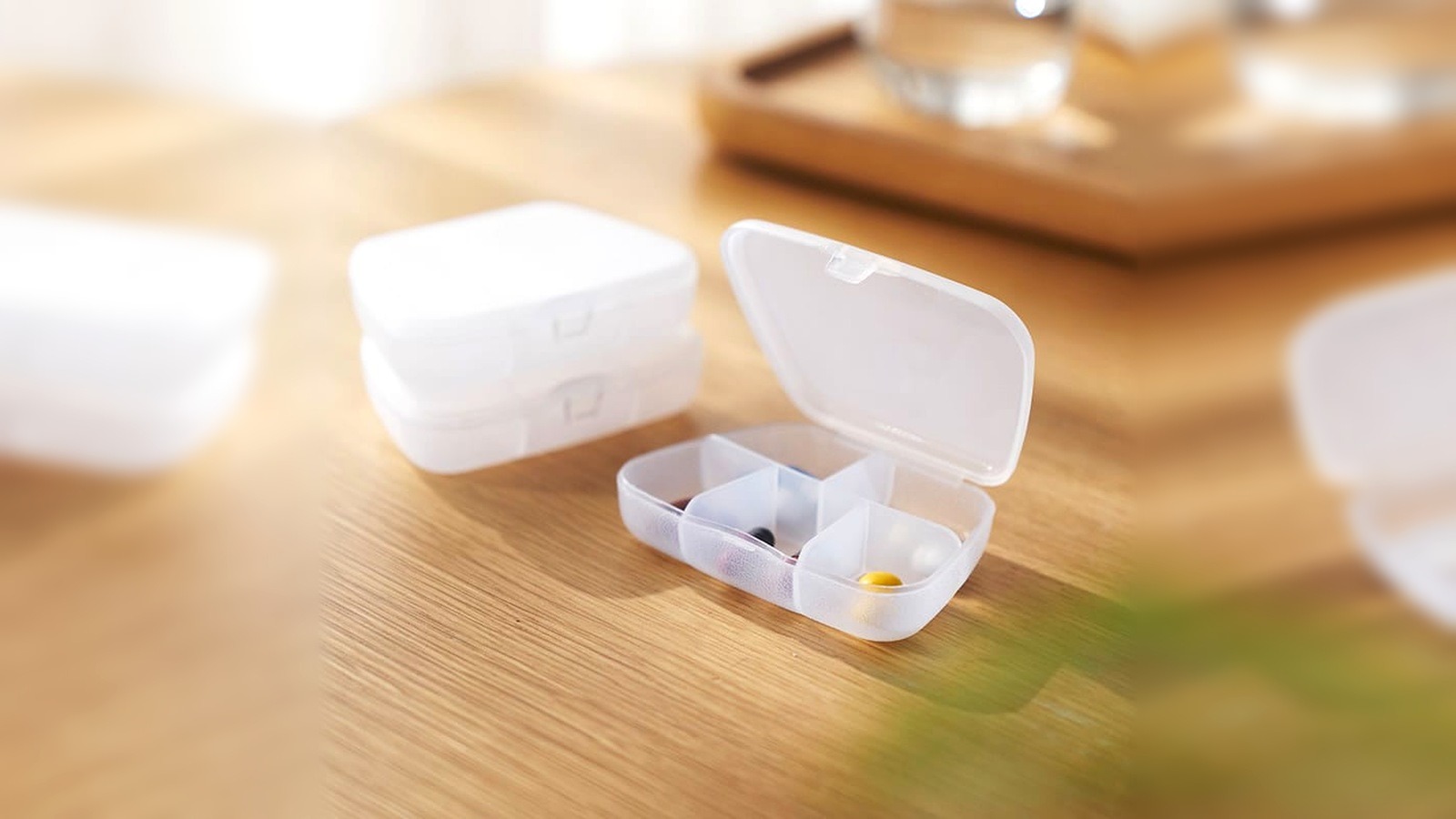
The Gasket Is Part of the Material Decision
Most buyers treat the silicone or TPE gasket as a sealing component and stop there. It is also a contact material, and it sits in direct contact with the tablets every time the lid closes.
Silicone is generally the more inert choice, but it is not automatically suitable for every API, and low-hardness silicone can shed fines when it is compressed thousands of times. TPE is cheaper and easier to mould into a seal, but its plasticiser package deserves exactly the same extractables question you would put to the body.
The test is identical to the one for the container: what is it made of, what can it release, and has anybody run extraction testing on the assembled box rather than on loose material? On our side, moisture-proof and waterproof claims are verified on the assembled unit for the same reason.
The Data to Ask Your Factory For
The pill box material decision is only defensible if you can document it. Ask for six things in writing before tooling begins:
- Resin grade and supplier for every component, plus colourant and any UV additive.
- An infrared or DSC identity report for the resin, mapped to USP 661.1.
- Extractables and leachables data on the finished article, not on the pellet.
- Spectral transmission results if the box is sold as light-protective.
- Moisture vapour transmission data on assembled boxes for any moisture claim.
- Food-contact declarations for polymer, colourant and gasket, plus a written commitment to notify you before any material substitution.
That last item is the one that gets skipped and the one that costs the most. A silent resin or colourant change can invalidate your stability assumptions and your regulatory file at the same time, and no certificate issued for the old material will cover the new one.
For buyers weighing sustainability against performance, our eco-friendly pill box material guide covers where recycled and bio-based grades fit, and where they do not.
If you are sourcing a pill box material for a specific formulation, send us the API, the dose and the storage conditions. We will tell you which of the five polymers we would mould it in and which tests we would run before the first sample ships — and we will tell you when the honest answer is that it should stay in glass.