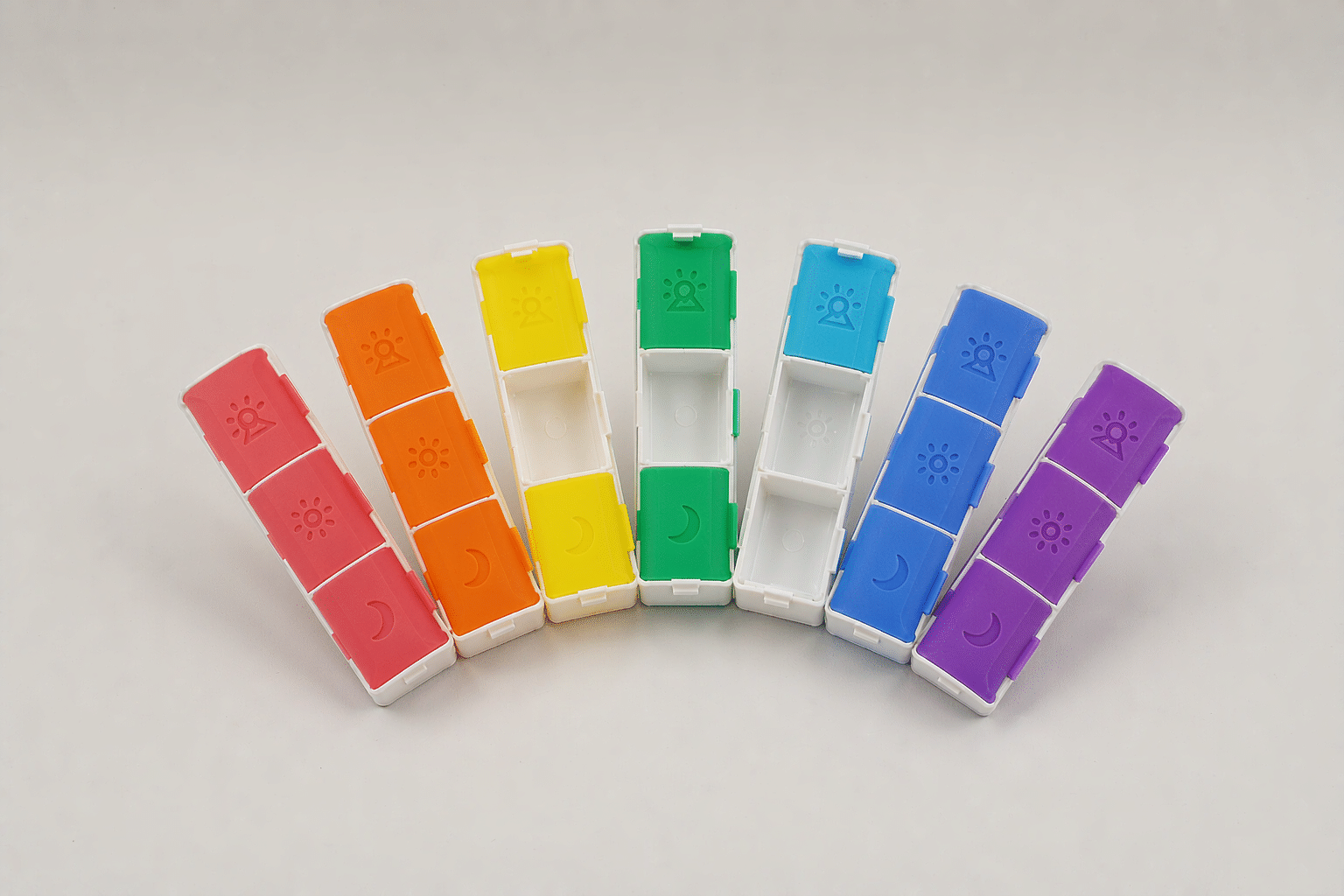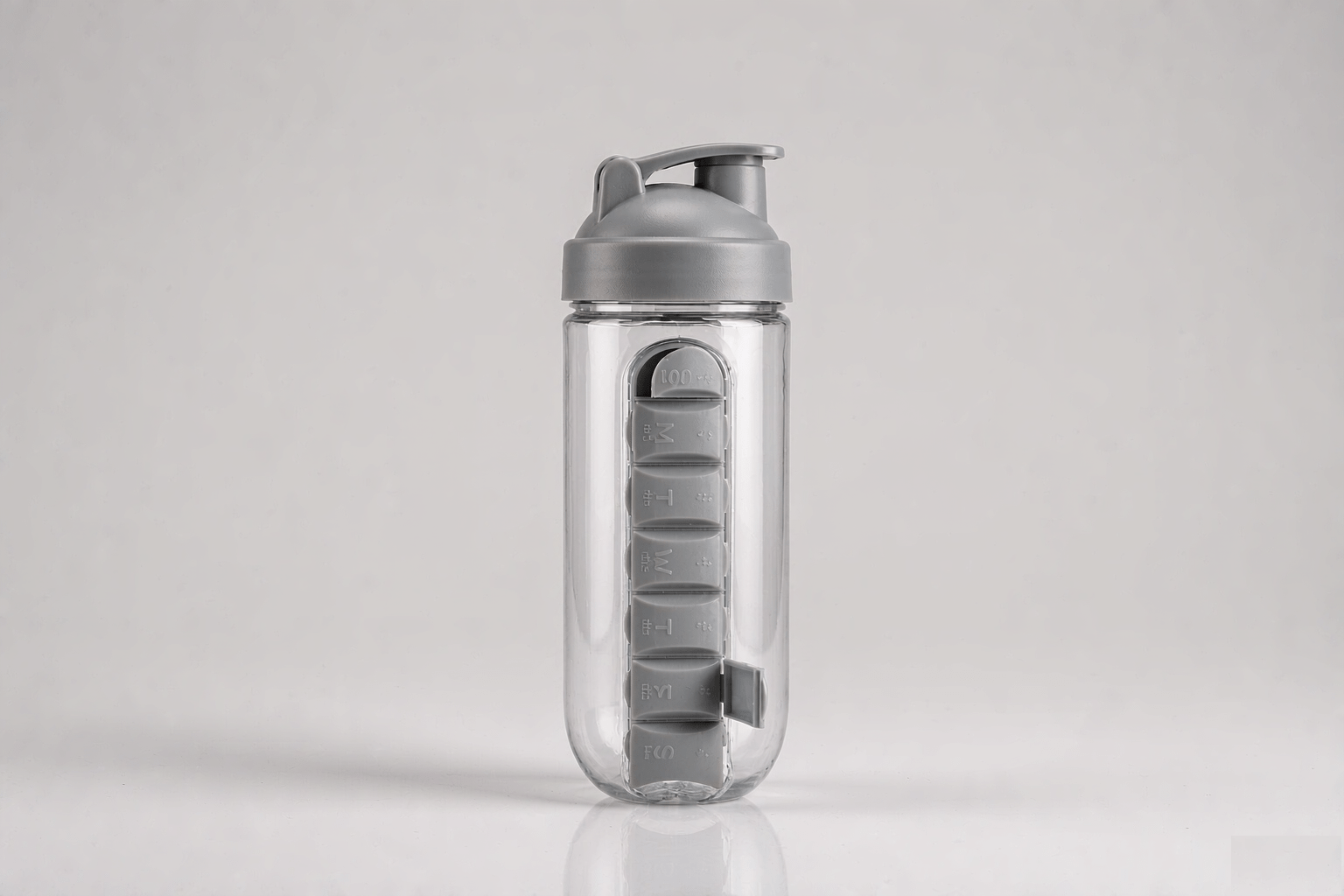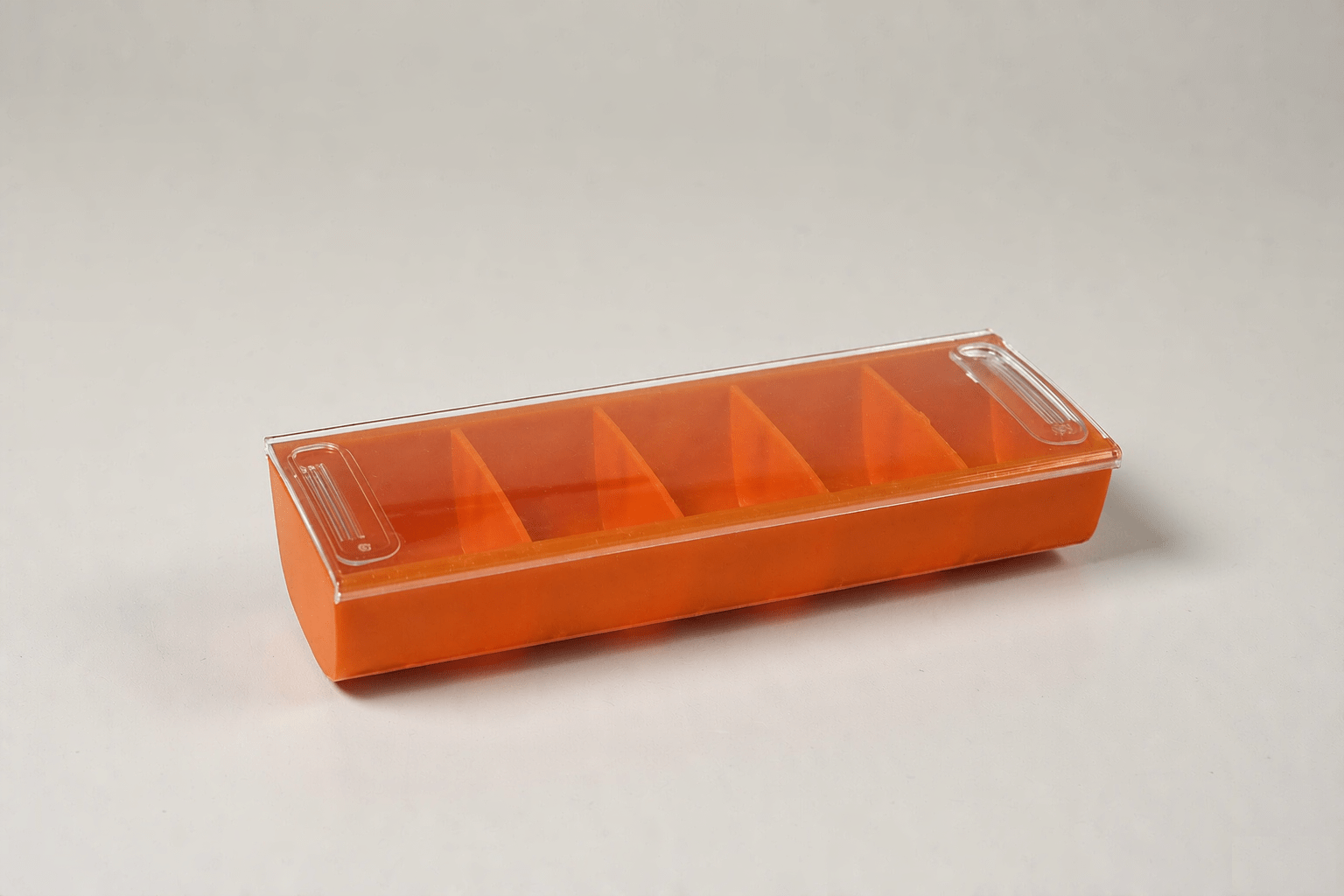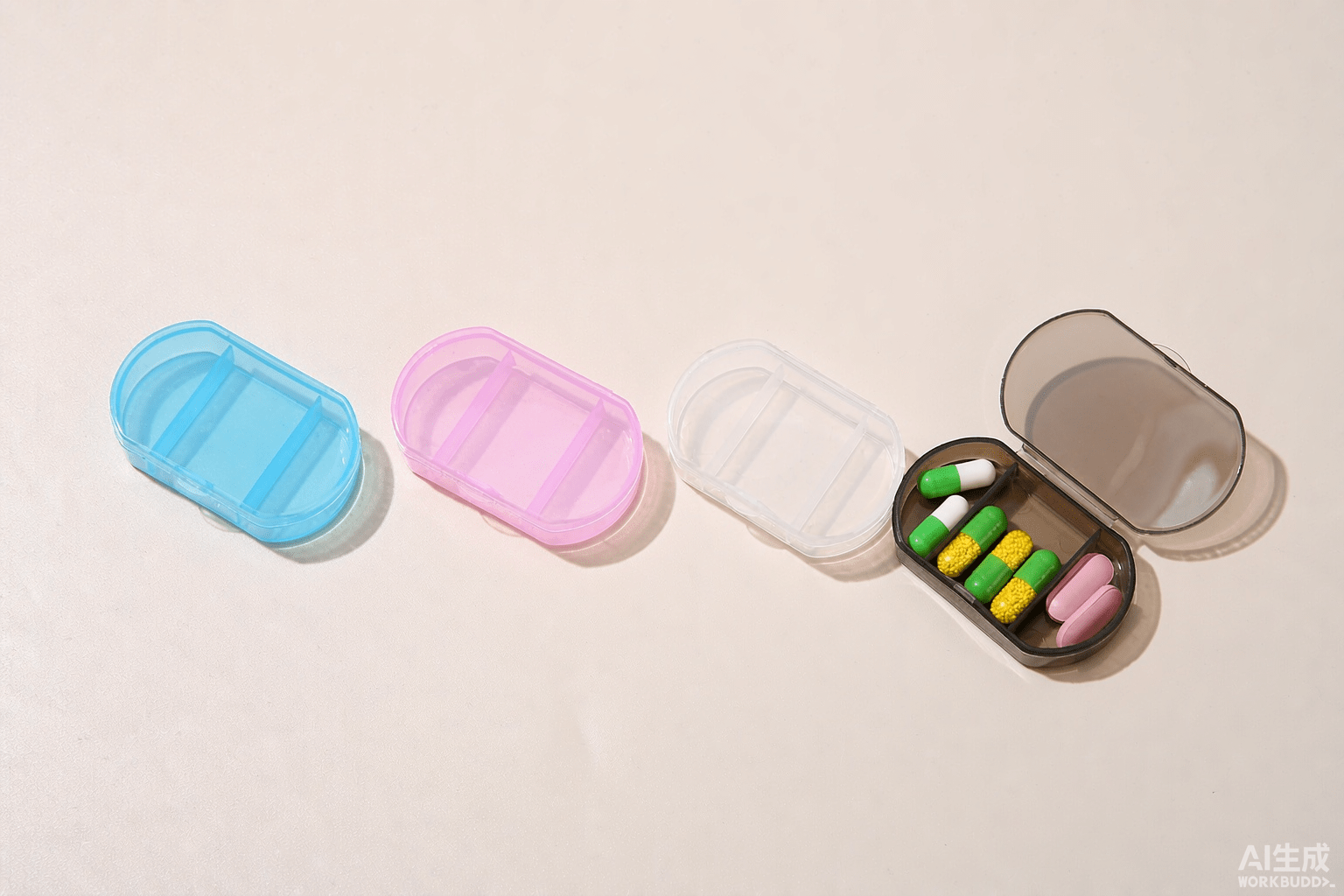
To choose a pill organizer, you must first match it to your specific medication schedule, hand strength, and lifestyle. Start by counting how many times per day you take pills (once, twice, or four times). Then test whether you can open standard snap-lid compartments easily. Finally, measure your largest pill or supplement to ensure it fits. For 80% of Americans, a weekly AM/PM pill organizer with easy-open buttons and BPA-free plastic is the safest and most practical choice. This guide walks you through each decision point with real measurements and product recommendations.
Step 1 – Count your daily dosing times
Your medication schedule determines how many compartments your pill organizer needs. Underestimating this leads to missed doses or crushed pills.
One dose per day
Two doses per day (AM and PM)
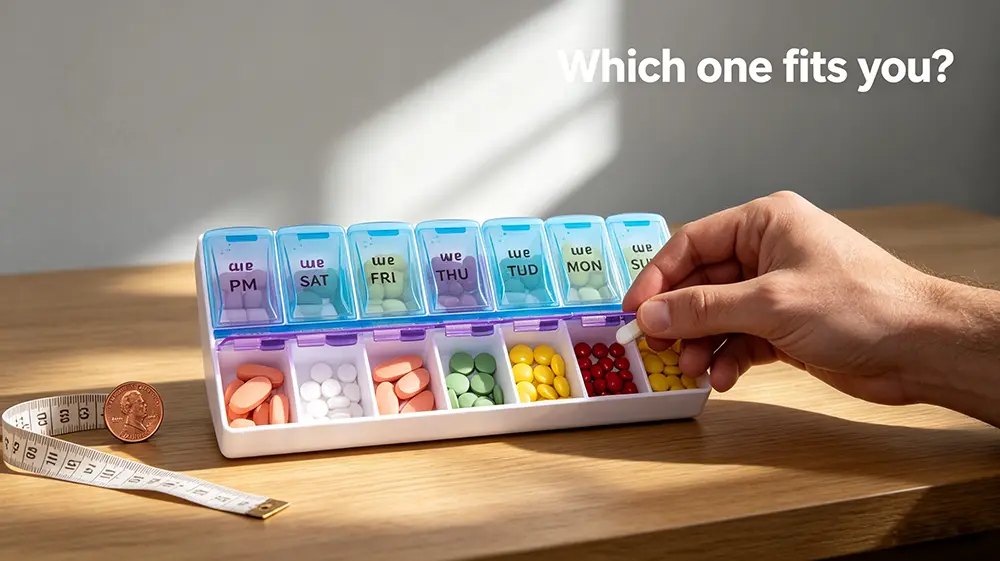
This is the most common schedule for Americans managing blood pressure, diabetes, or cholesterol. You need a 14-compartment pill organizer split into morning and evening rows. The best designs color-code AM (white or blue) and PM (dark grey or red) to prevent confusion.
Three or four doses per day
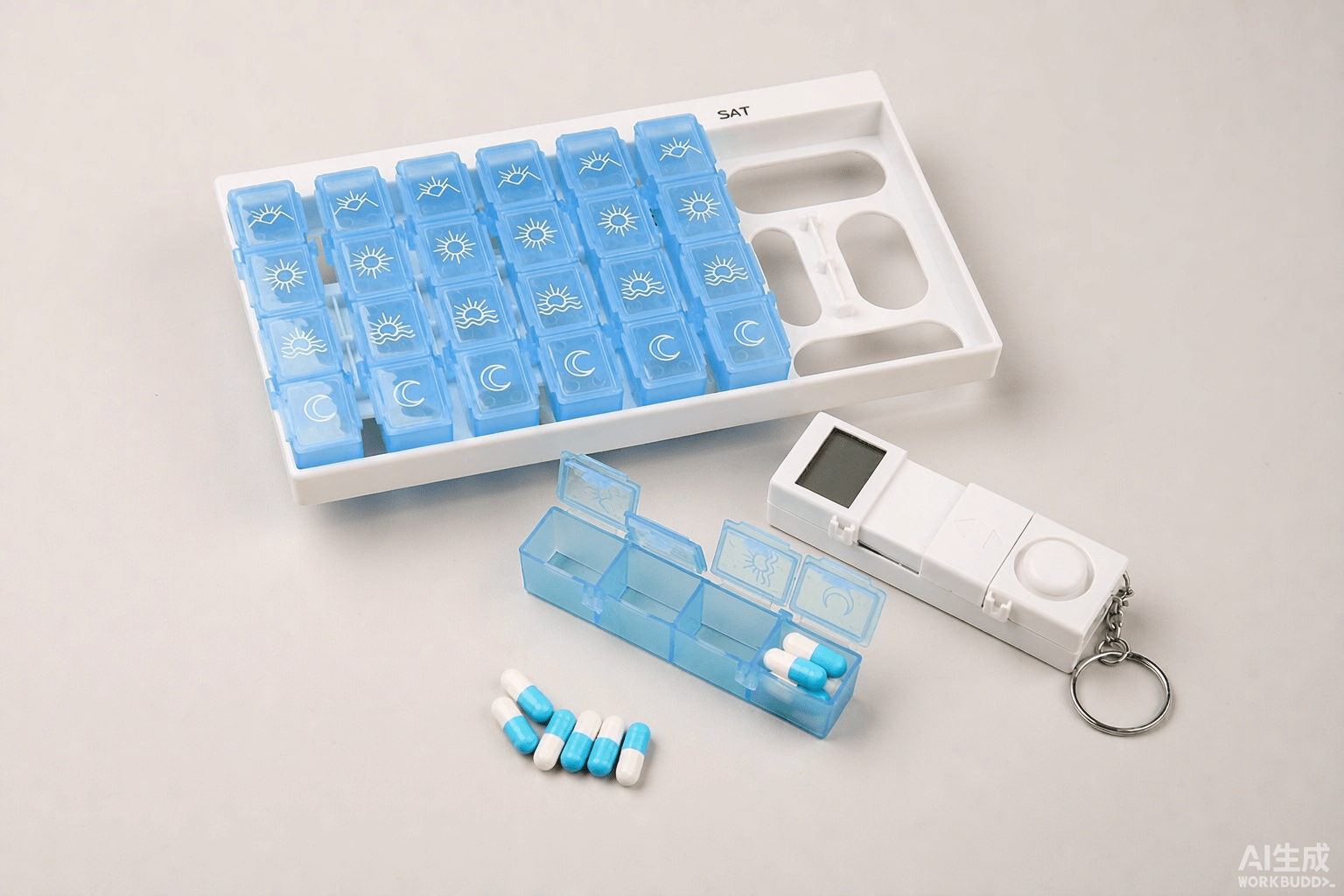
For schedules including noon or bedtime medications, select a 28-compartment pill organizer divided into four daily sections. Some models label slots as Morning, Noon, Evening, and Night. If you cannot find this, buy two weekly organizers and use one for morning/noon and one for evening/night.
Step 2 – Test your hand strength and dexterity
The most common complaint about any pill organizer is difficulty opening the lids. This is not a design flaw but a mismatch with your hand function.
Standard snap-lid organizers
These require pinching two sides of the lid simultaneously. If you have mild arthritis or average hand strength, snap-lids work fine. Test one in a store: if you cannot open it in under three seconds, choose another type. Snap-lid pill organizer models are the most affordable ($5–$15).
Push-button or spring-loaded organizers
For users with moderate arthritis, carpal tunnel, or weak grip, look for a pill organizer with a mechanical release. Push-button models open with one finger press. Spring-loaded lids pop up automatically when you press a latch. These typically cost $15–$30 but dramatically reduce frustration.
Slide or magnetic lids
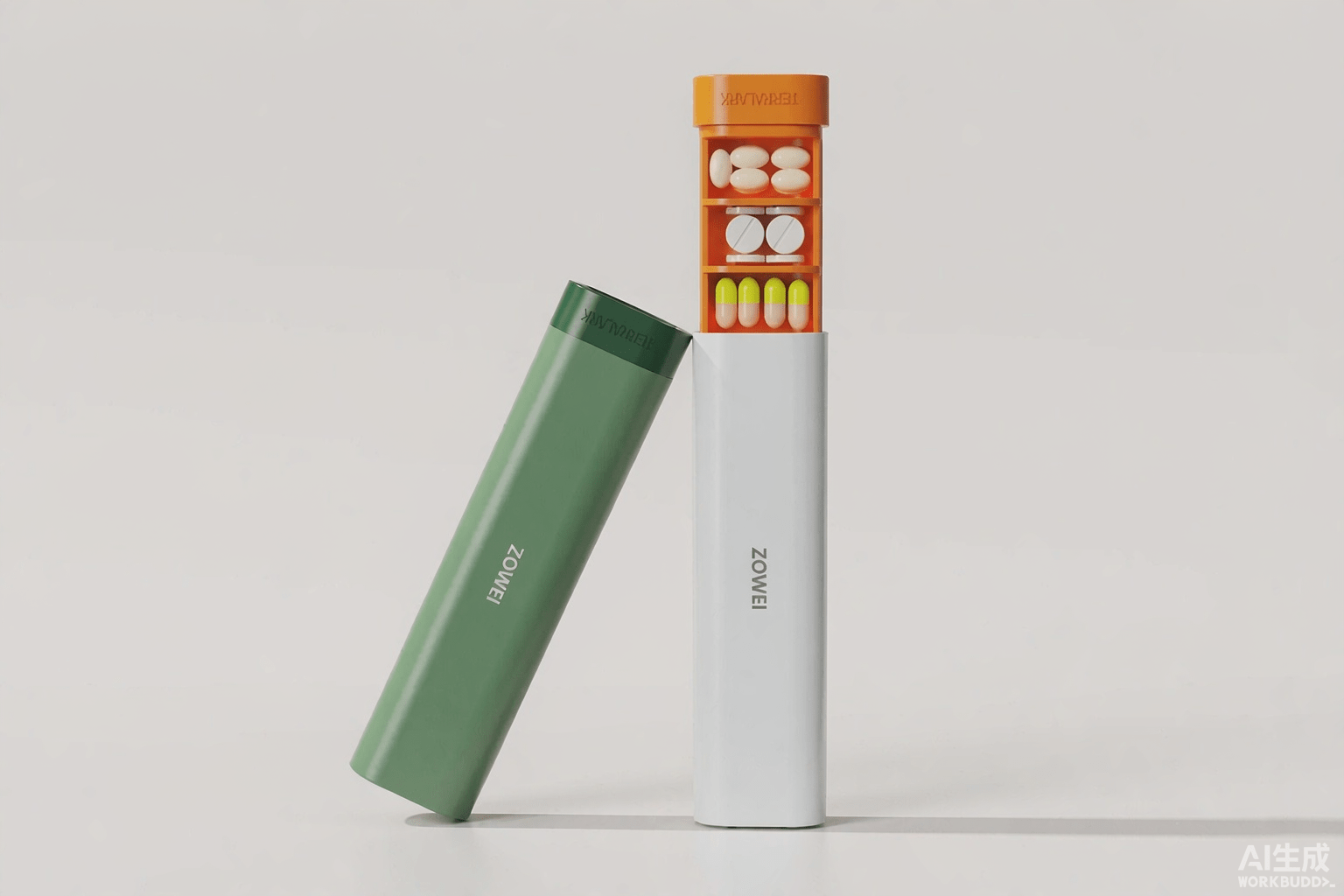
Metal or hard plastic pill organizer cases with sliding magnetic lids are the easiest to open. You simply push the lid sideways with your thumb. However, they are also the least secure for travel because they can slide open in a bag. Use these only for home use.
Step 3 – Measure your largest pill
Pill sizes vary dramatically. A standard pill organizer compartment is 2cm wide, 2cm deep, and 1.5cm tall. Large fish oil capsules, calcium pills, or multivitamins often do not fit.
The penny test
Place a US penny (1.9cm diameter) on top of your largest pill. If the pill is wider than the penny, you need an extra-large pill organizer. Standard compartments will crush or jam oversized medications.
Extra-deep compartments
Look for a pill organizer labeled “deep” or “large capacity.” These have compartments at least 2.5cm deep and 2.5cm wide. The Bexeen Extra Large Weekly Organizer, mentioned in our previous guide, fits up to 75 pills per compartment. Avoid “compact” or “travel” models if you take large supplements.
Removable daily pods
Some pill organizer designs let you pop out each day’s pod. This is useful if your morning pills are large but evening pills are small. You can fill different pods with different compartment sizes. However, removable pods tend to have weaker hinges, so inspect the latch mechanism before buying.
Step 4 – Consider your daily environment
Where and when you take your pills affects which pill organizer material and closure type you need.
Home use only
If you never carry your pill organizer outside your house, choose any material. Plastic is fine, and you can prioritize easy-open lids over security. A weekly blister-style organizer with removable lids (no snaps) is the fastest to refill at home.
Daily carry in purse or bag
You need a pill organizer with a secure locking lid. Standard snap-lids often pop open when a bag is jostled. Look for a model with an outer latch or a full wrap-around rubber band. Metal organizers with magnetic slides are surprisingly secure if the magnet strength is high (at least 5lb pull force).
Travel and high-humidity environments
For travel to humid states like Florida or international trips, choose a pill organizer with a silicone gasket or airtight seal. Moisture degrades many medications. The Vaydeer Weekly Metal Organizer includes an O-ring seal. Alternatively, use small zip-lock bags inside each compartment as a backup moisture barrier.
Step 5 – Verify material safety and compliance
American consumers increasingly demand proof of safety. Do not buy any pill organizer without clear labeling.
Required markings
Look for the following on the product package or the pill organizer itself:
BPA Free – Indicates no bisphenol-A in the plastic
Food Grade or FDA Compliant – Confirms the material meets 21 CFR standards
#5 PP recycling symbol – Polypropylene is the safest and most durable plastic for pill storage
Materials to avoid
Skip any pill organizer made of #6 PS (polystyrene) because it cracks easily and may leach styrene over time. Avoid any product with a strong chemical smell, even if labeled BPA-free. Also avoid organizers made from recycled unknown plastics, as they may contain lead or flame retardants.
Metal organizer safety
Stainless steel is generally safe. Aluminum pill organizer products must be anodized or coated. Bare aluminum can oxidize and transfer metallic taste to pills. Request a certificate of analysis showing no lead or cadmium if buying from a factory.
Step 6 – Match your budget to features
Pill organizer prices range from $3 to $50. Higher price does not always mean better quality for your specific needs.
Under $10
Basic weekly plastic pill organizer with snap-lids. Suitable for one-dose schedules, average hand strength, and home use. Expect to replace it every 6–12 months because hinges wear out.
$10 to $25
Weekly AM/PM models with push-button lids or removable daily pods. Most have BPA-free certification and clearer weekday markings. This is the best value range for most Americans.
$25 to $50
Metal organizers, airtight sealed models, or luxury designs with leather exteriors. These last for years and are travel-ready. Only pay this much if you need moisture protection or want a premium aesthetic.
Over $50
Electronic pill organizer with alarms and automatic dispensing. These are classified as medical devices by the FDA and require batteries or charging. Only choose this if you frequently forget doses despite using a standard organizer.
Quick reference – Pill organizer selection table
Use this decision table to match your situation to the right pill organizer.
| Your situation | Recommended pill organizer type | Key feature to prioritize |
|---|---|---|
| Once daily, home use | 7-day snap-lid plastic | Large weekday labels |
| Twice daily, average hands | 14-compartment AM/PM push-button | Color-coded morning/evening |
| Twice daily, weak hands | 14-compartment spring-loaded or slide-lid | One-finger opening |
| Three or four doses daily | 28-compartment with morning/noon/evening/night | Removable pods for refill ease |
| Large pills or multiple supplements | Extra-deep compartments (2.5cm+ depth) | Penny test passes |
| Frequent travel or high humidity | Metal or silicone-sealed organizer | Airtight gasket or O-ring |
| Arthritis or low dexterity | Push-button or magnetic slide | No pinching required |
Three common mistakes when choosing a pill organizer
Avoid these errors that lead to wasted money and medication mistakes.
Mistake 1 – Buying based on looks first
A beautiful leather or crystal pill organizer is useless if you cannot open it or fit your pills. Always test function before aesthetics. Read reviews from users with similar hand strength or pill sizes.
Mistake 2 – Ignoring cleaning difficulty
Some pill organizer models have fixed, non-removable compartments. You cannot wash these thoroughly because water gets trapped under the hinges. Always choose a pill organizer with fully removable pods or one-piece construction that you can soak in soapy water.
Mistake 3 – Buying a 7-day organizer for a twice-daily schedule
This forces you to put morning and evening pills in the same compartment. You risk taking the wrong dose or forgetting the evening pills entirely. Pay the extra $5 for a true AM/PM pill organizer.
Where to buy a reliable pill organizer in the US
Once you know which pill organizer fits your needs, purchase from trusted American retailers.
Online options
Amazon offers the widest selection with verified buyer reviews. Search for your specific type (e.g., “push button AM PM pill organizer”) and sort by average rating. CVS.com and Walgreens.com carry pharmacy-grade organizers but at higher prices. Etsy has handmade metal or wooden pill organizer products but verify material safety claims directly with each seller.
In-store options
Walmart, Target, and local drugstores stock basic weekly plastic pill organizer models. Bring a sample of your largest pill to test compartment size. Store brands are often made by the same factories as national brands but cost 30–50% less.
Direct from manufacturers
If you need a pill organizer for a medical practice, senior facility, or bulk purchase, contact US-based distributors like Medline or McKesson. They sell clinic-grade organizers with tamper-evident features and child-resistance testing. Minimum order quantities typically start at 50 units.