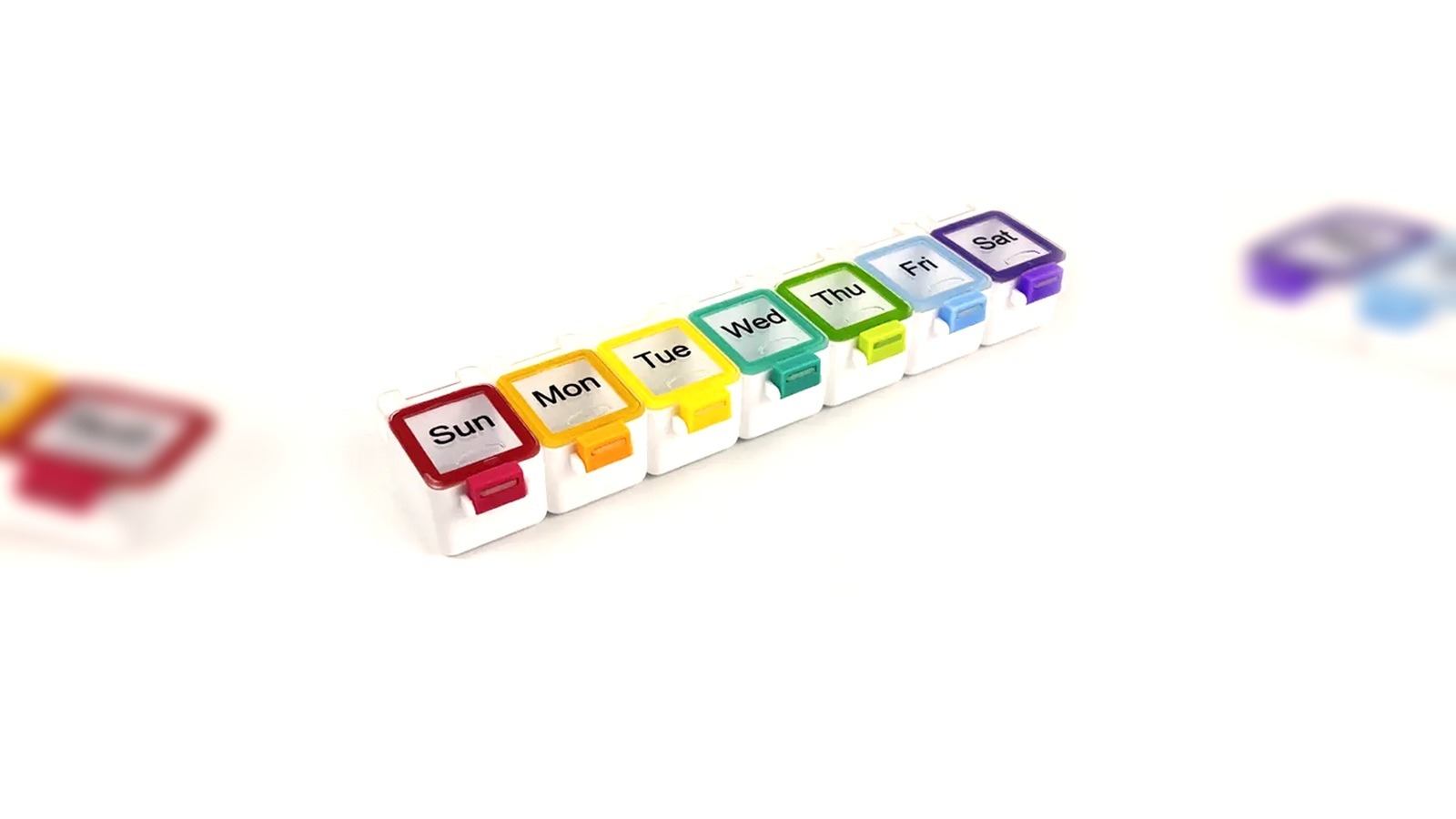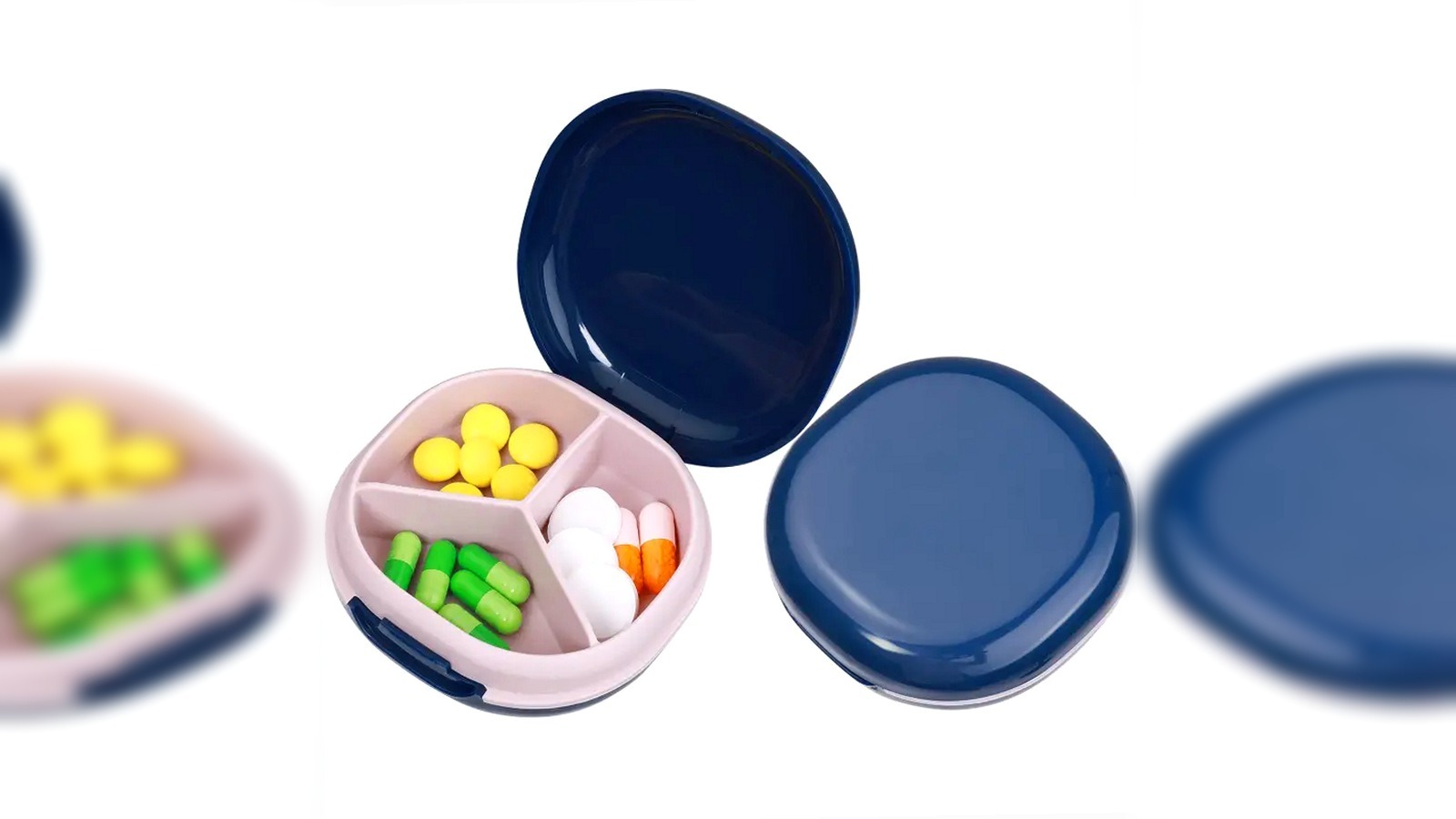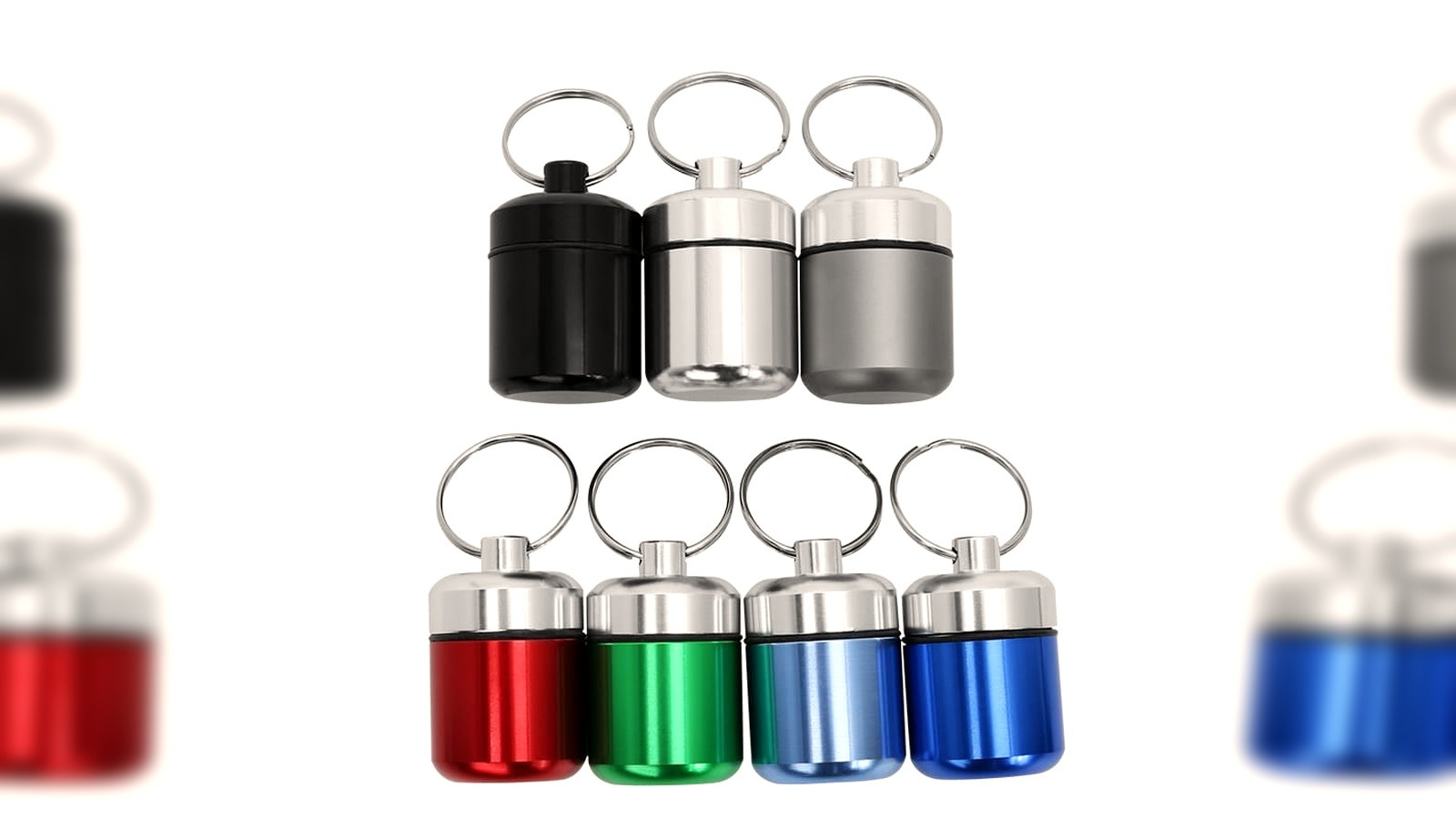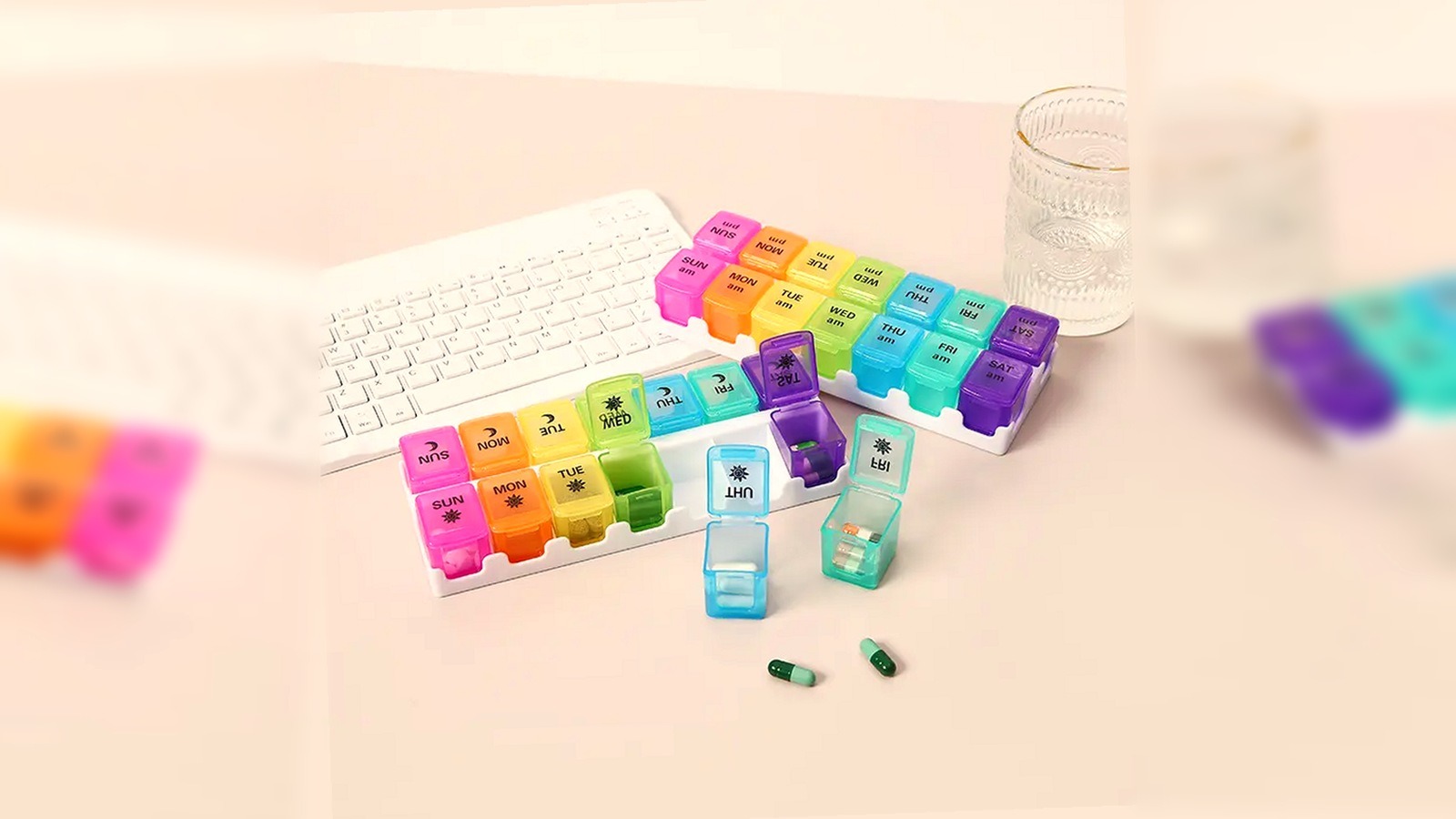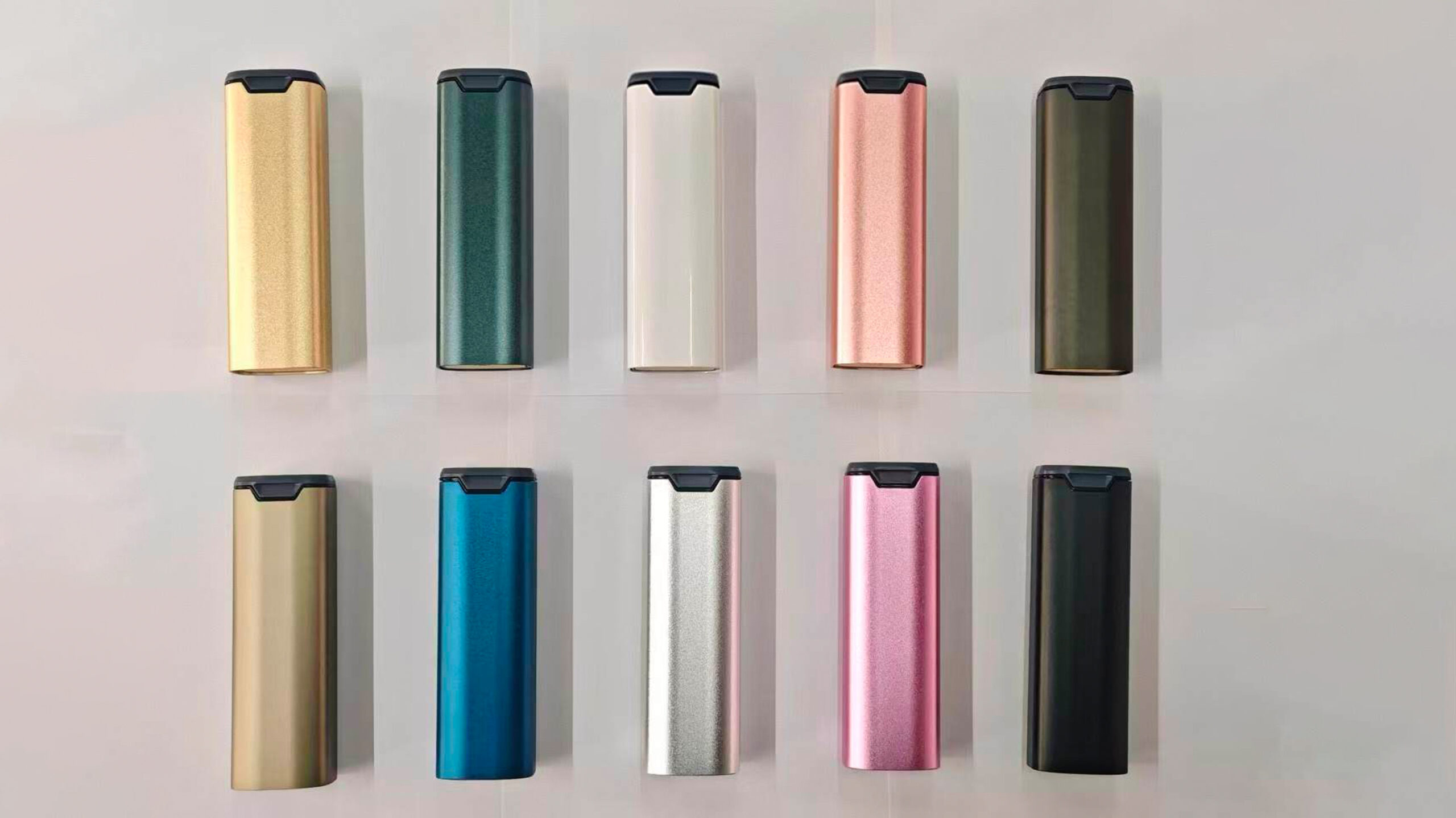
Medicine boxes are essential daily tools for storing medicines and standardizing medication schedules for home storage, outdoor activities, and long-term medication management. There are various medicine box materials on the market, including plastic, glass, and stainless steel, each with its own pros and cons. Featuring unique metallic properties, aluminum alloy medicine boxes have emerged as a high-quality yet niche option in recent years. Different from cheap and lightweight plastic boxes and fragile and bulky glass boxes, they balance practicality and texture while having certain usage limitations. This article comprehensively analyzes the core advantages and disadvantages of aluminum alloy medicine boxes to help users make reasonable choices according to their needs.
Core Advantages of Aluminum Alloy Medicine Boxes
Sturdy and Durable with Long Service Life
Made of high-strength lightweight metal and hardened through professional processing, aluminum alloy far outperforms ordinary plastic in hardness and toughness. In daily use, aluminum alloy medicine boxes are resistant to deformation, cracking and damage caused by accidental drops, extrusion, collision and friction in backpacks or luggage. They avoid common problems of plastic boxes after long-term use such as yellowing, embrittlement and loose or broken hinges. High-quality aviation-grade aluminum alloy medicine boxes can withstand strong pressure, maintain intact structural stability during long-term outdoor use and frequent carrying, and deliver higher long-term cost performance than ordinary plastic alternatives.
Excellent Sealing Performance to Protect Medicine Quality
Medicines are highly susceptible to deterioration and failure due to moisture, light exposure and air oxidation. Most aluminum alloy medicine boxes are equipped with silicone sealing rings, achieving excellent airtight, waterproof, moisture-proof and dust-proof effects. They effectively isolate external moisture, dust and air to prevent tablets from damp adhesion and oxidative deterioration. As a natural light-blocking metal material, aluminum alloy completely blocks ultraviolet rays and avoids the failure of light-sensitive medicines caused by photolysis. It can provide a stable and safe storage environment for medicines in humid southern climates, coastal high-humidity areas and rainy outdoor scenarios, perfectly adapting to travel, camping, commuting and other daily scenarios.
Safe and Stable Material to Avoid Medicine Contamination
High-quality aluminum alloy is chemically inert and stable, producing no chemical reactions or harmful precipitates with common tablets and capsules, thus preventing medicine contamination. Unlike low-quality plastic boxes that may release chemical additives at high temperatures and breed bacteria after long-term use, aluminum alloy boxes feature smooth and dense surfaces that resist dirt accumulation. They can be easily cleaned by simple wiping without mildew or bacterial growth, offering superior hygiene especially for long-term storage of daily necessities and chronic disease medicines. The partitioned design also physically separates different medicines and prevents cross-contamination.
Exquisite Texture and Versatile Portability
Aluminum alloy presents a delicate and premium metallic texture with a minimalist and well-crafted appearance, far more elegant than cheap plastic medicine boxes, suitable for personal use or as thoughtful gifts. With low density, it is much lighter than stainless steel and iron medicine boxes without causing carrying burdens. Most portable aluminum alloy medicine boxes adopt a compact design with keychains or buckles, which can be easily placed in pockets, backpacks and car storage compartments to balance portability and practicality. In addition, aluminum alloy has outstanding corrosion resistance, resisting rust and oxidation after long-term exposure to air and trace moisture with stable appearance and performance.
Obvious Disadvantages of Aluminum Alloy Medicine Boxes
High Price with Low Short-Term Cost Performance
Aluminum alloy medicine boxes have higher production costs in raw materials, processing technology and sealing accessories than ordinary plastic boxes, resulting in a generally higher market price. For users who need only occasional and low-frequency use, the premium cost fails to bring corresponding short-term value, leading to lower cost performance than affordable plastic boxes. This is the main reason why aluminum alloy medicine boxes have not been widely popularized.
Relatively Heavy Weight Limits Pocket Portability
Although lighter than stainless steel, aluminum alloy is noticeably heavier than ultra-light plastic. Small partitioned plastic medicine boxes can be carried almost imperceptibly, while aluminum alloy boxes have an obvious weighty feel. Long-term pocket carrying may cause a slight burden, making them unfriendly to users pursuing extreme lightness and mini portable tools.
Prone to Scratches and Wear Affecting Aesthetics
Aluminum alloy has moderate hardness but limited wear resistance. Long-term daily friction and collision with hard objects such as keys and mobile phones will leave fine scratches and abrasions on the surface, and frequent bumps may cause slight paint peeling and oxidative discoloration. Although these damages do not affect core functions, they destroy the exquisite texture, which is a major drawback for users who pursue flawless appearance and neatness.