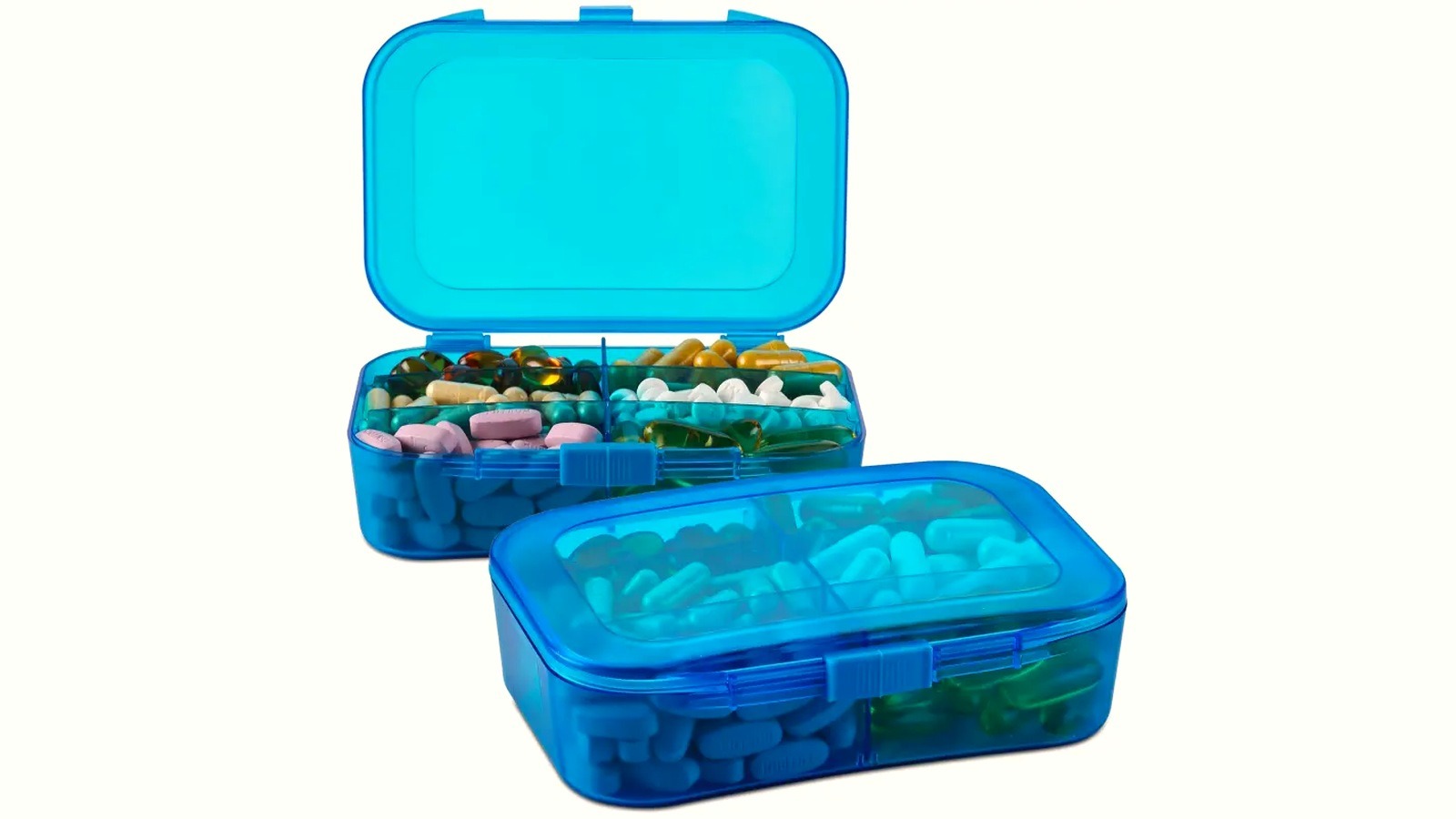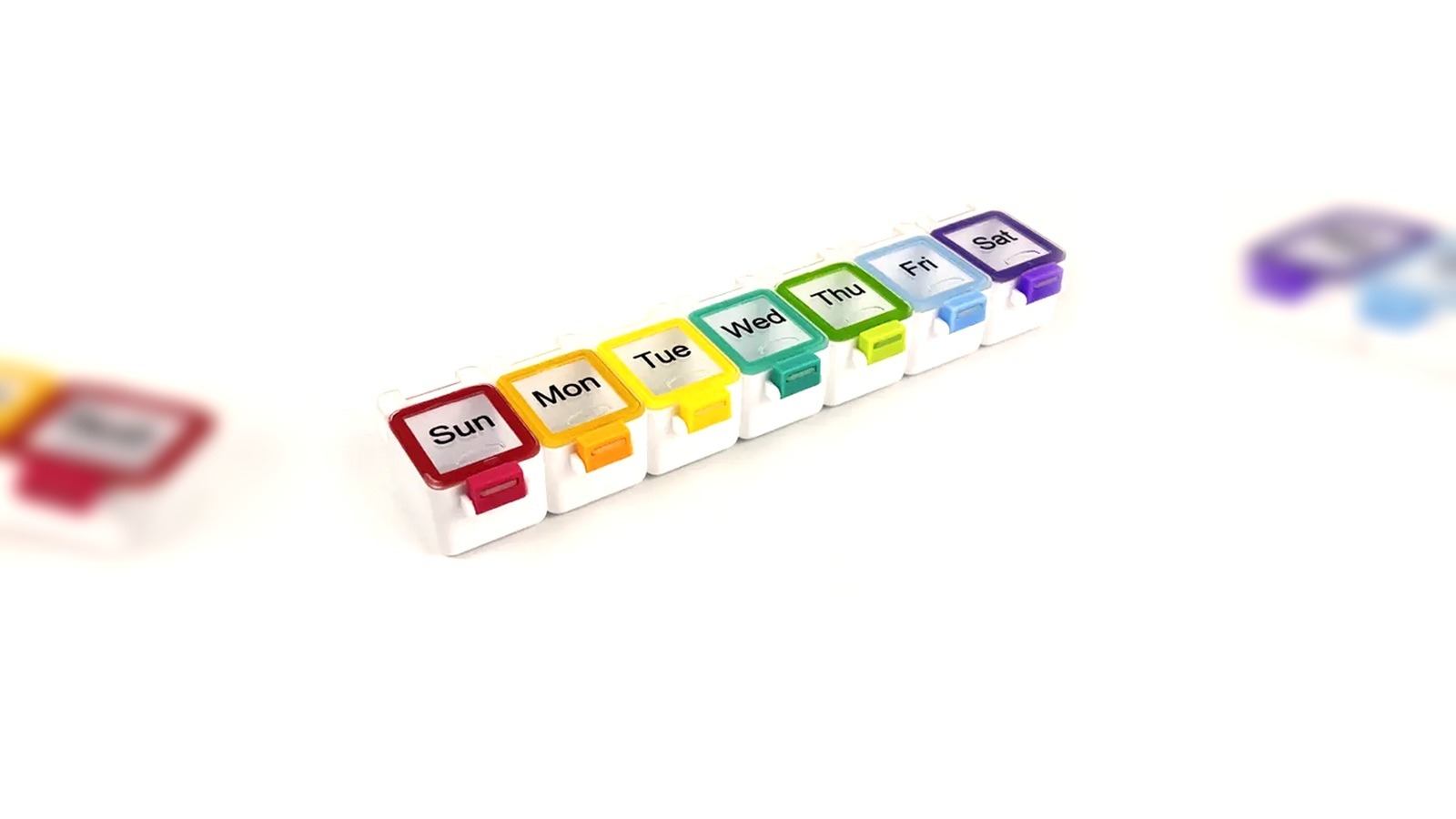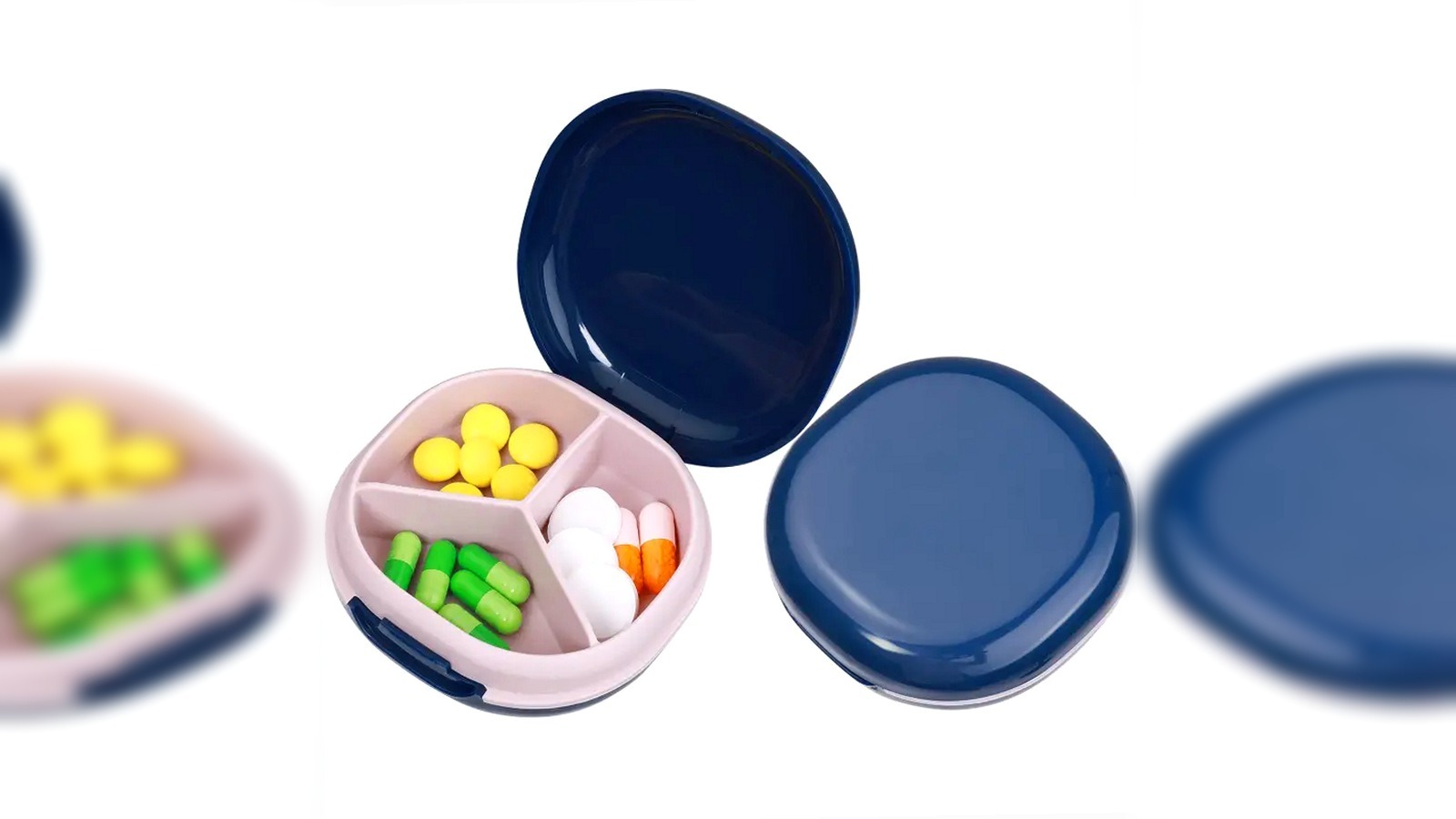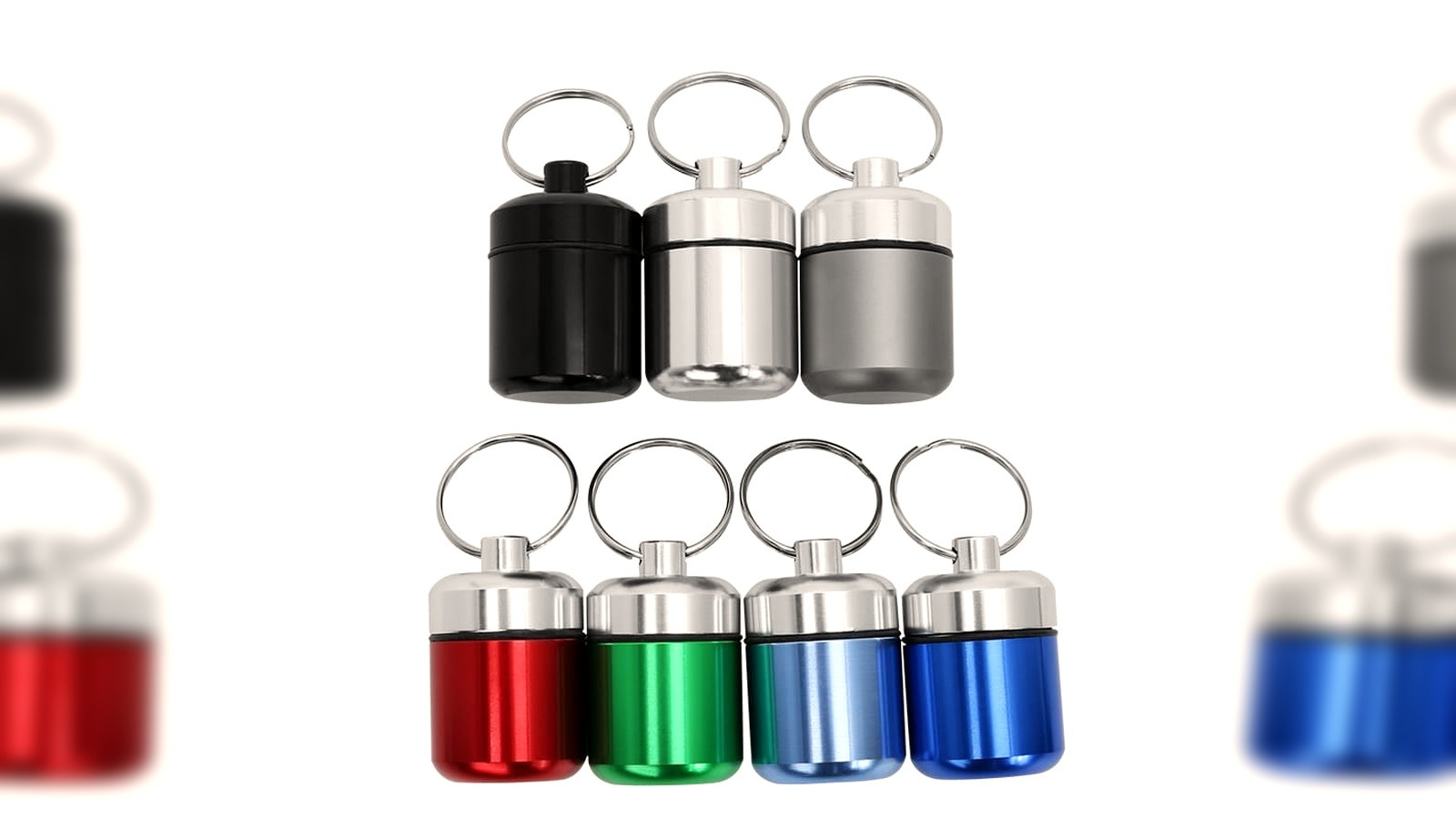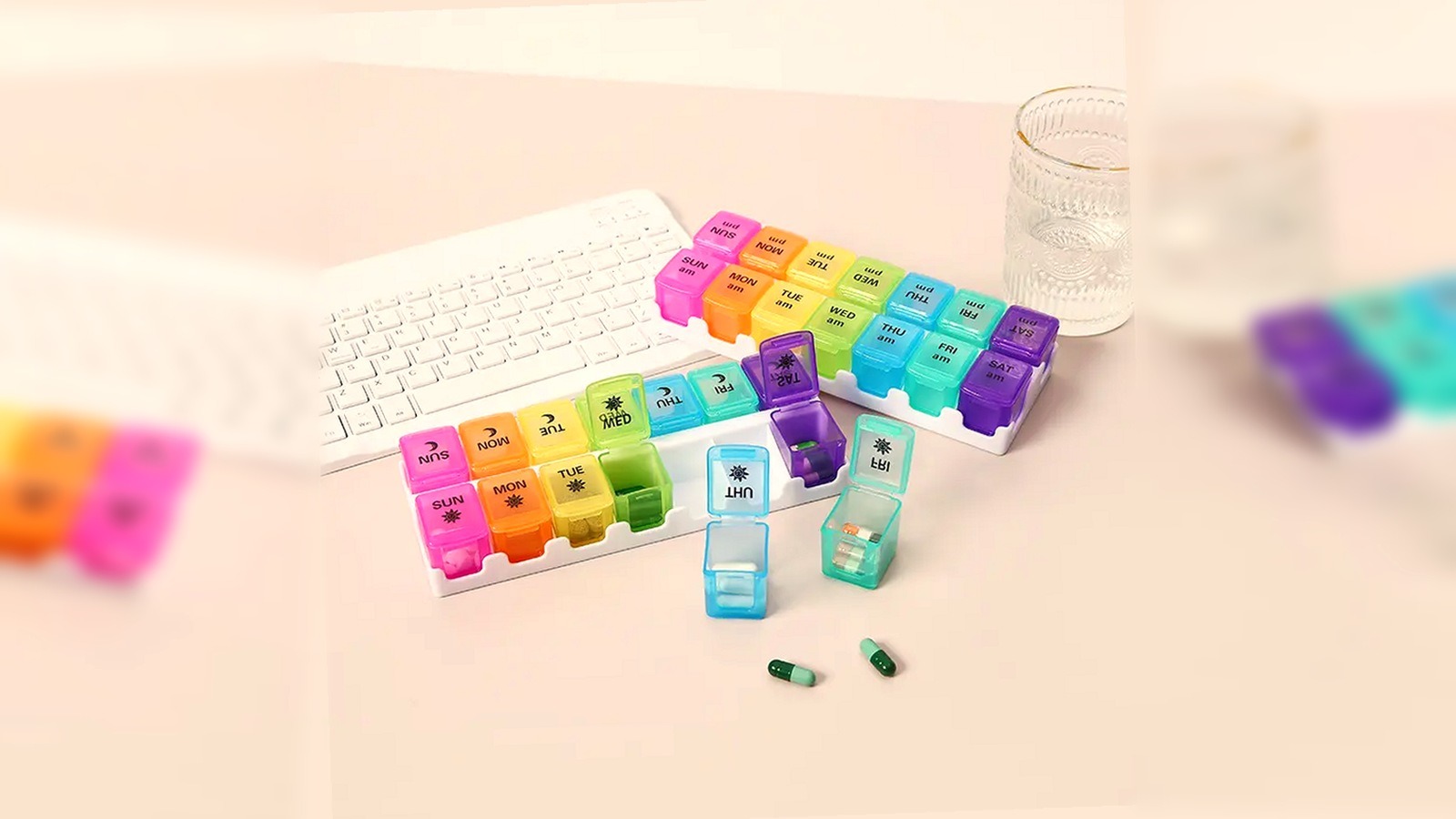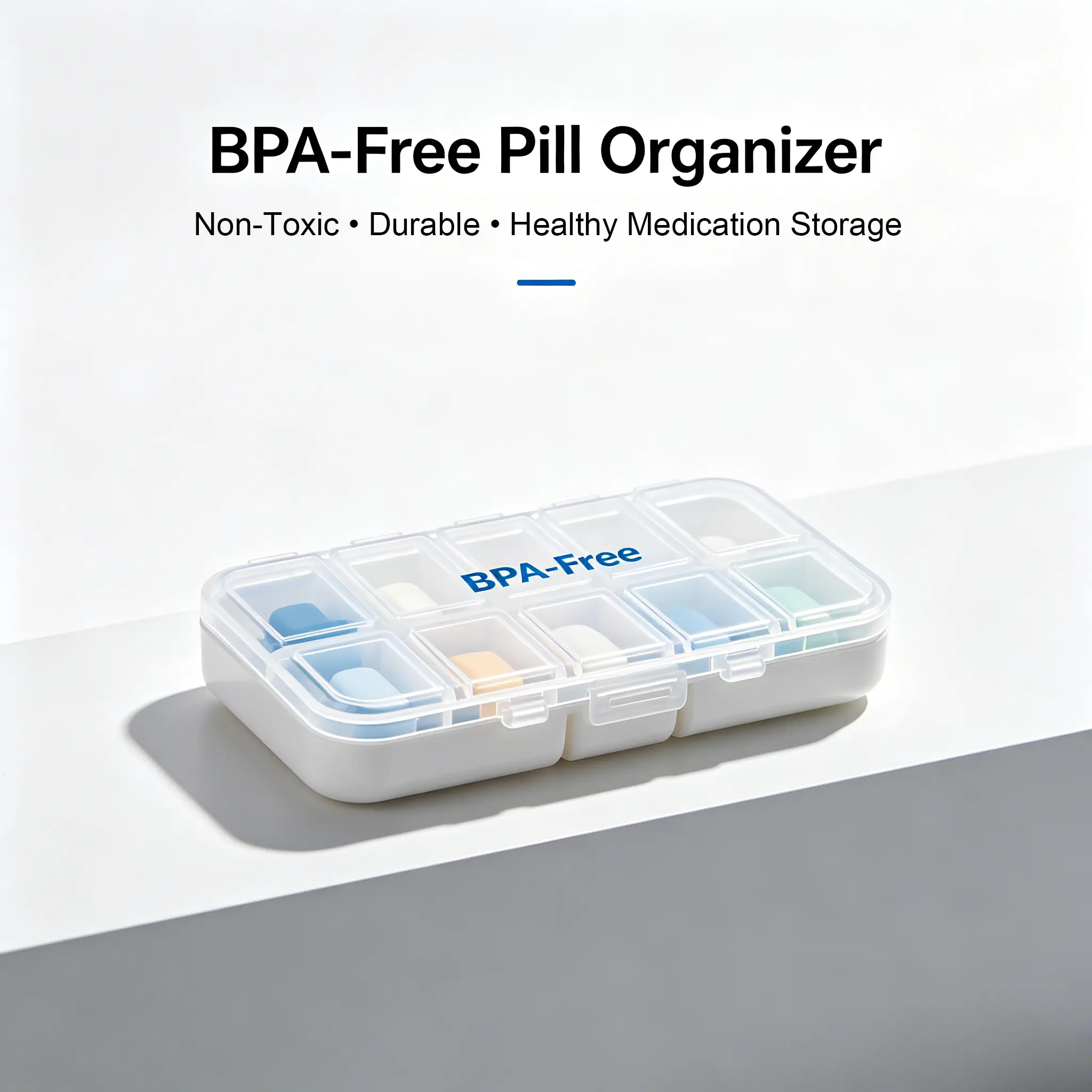
When choosing medications or supplements, most consumers focus on the active ingredients. However, what your medicine is packaged in is just as critical. The shift toward “BPA-Free” packaging isn’t just a marketing trend; it is a vital health precaution designed to prevent toxic chemical migration and protect your endocrine system.
What is BPA and How Does It Enter Your Medication?
Bisphenol A (BPA) is an industrial chemical historically used to manufacture polycarbonate plastics and epoxy resins. In pharmaceutical packaging, BPA is frequently found in the inner linings of metal pill canisters to prevent rust and protect drugs from corrosion.
The primary danger lies in chemical migration. Over time, especially when exposed to acidic or alkaline drug compounds, the epoxy coating can degrade. This allows microscopic amounts of BPA monomers to leach directly into the medication. When you ingest the drug, you inadvertently consume these endocrine-disrupting chemicals.
The Health Risks: More Than Just Plastics
BPA is widely recognized as an environmental hormone because its molecular structure closely mimics human estrogen. Once inside the body, it binds to estrogen receptors, tricking the body into hormonal imbalances. The long-term health implications include:
- eproductive System Disruption:BPA exposure has been linked to impaired ovarian function, abnormal ovulation in women, and decreased sperm motility in men.
- Developmental & Metabolic Threats:For children, early exposure can trigger premature puberty. In adults, chronic low-level exposure is associated with insulin resistance, increasing the risk of Type 2 diabetes, and may elevate the chances of hormone-related cancers like breast and prostate cancer.
Why Choosing BPA-Free Packaging Protects Vulnerable Groups
While no one wants to ingest synthetic hormones, certain groups face significantly higher risks. Pregnant women, infants, and patients requiring long-term daily medications are highly sensitive to hormonal fluctuations. By mandating BPA-free materials—such as medical-grade Polypropylene (PP), glass, or advanced novel resins—pharmaceutical companies physically block the pathway for chemical seepage, ensuring the purity of the medication and providing peace of mind for sensitive populations.
Frequently Asked Questions About BPA in Pharmaceuticals
Yes, caution is still advised. Some manufacturers replace BPA with similar compounds like BPS or BPF, which studies suggest may carry similar estrogenic activity. Always look for comprehensive safety certifications rather than just “BPA-Free” claims.
Opt for medications packaged in glass bottles or certified BPA/BPS-free HDPE/PP plastics. Store your medications in cool, dry places away from direct sunlight, as heat accelerates the degradation of plastic coatings and increases chemical migration rates.
Regulations are tightening globally. While the FDA currently restricts BPA in baby bottles, regions like the EU and Canada have implemented stricter limits on food and pharmaceutical contact materials. Leading pharmaceutical brands are proactively transitioning to safer alternatives ahead of mandatory federal bans to prioritize patient safety.
Disclaimer: This content is for informational purposes only and does not constitute medical advice. Always consult your healthcare provider or pharmacist regarding the safety of your medications and packaging.