Preparation Before Refilling
- Wash and dry your hands thoroughly before handling medicines to prevent moisture and grease from damaging pills.
- Clean the pill organizer: Rinse with clean water and air-dry completely. Disinfectants are not recommended, as residues may react with medications.
- Verify medicine informationDifferentiate prescription drugs, health supplements, sustained-release tablets, enteric-coated tablets and capsules.⚠️ Important Warning: Do not remove outer casings of sustained-release, controlled-release, enteric-coated tablets or capsules. Damaging their structure may cause sudden surges in drug effects and trigger side effects.
Standard Refilling Procedures
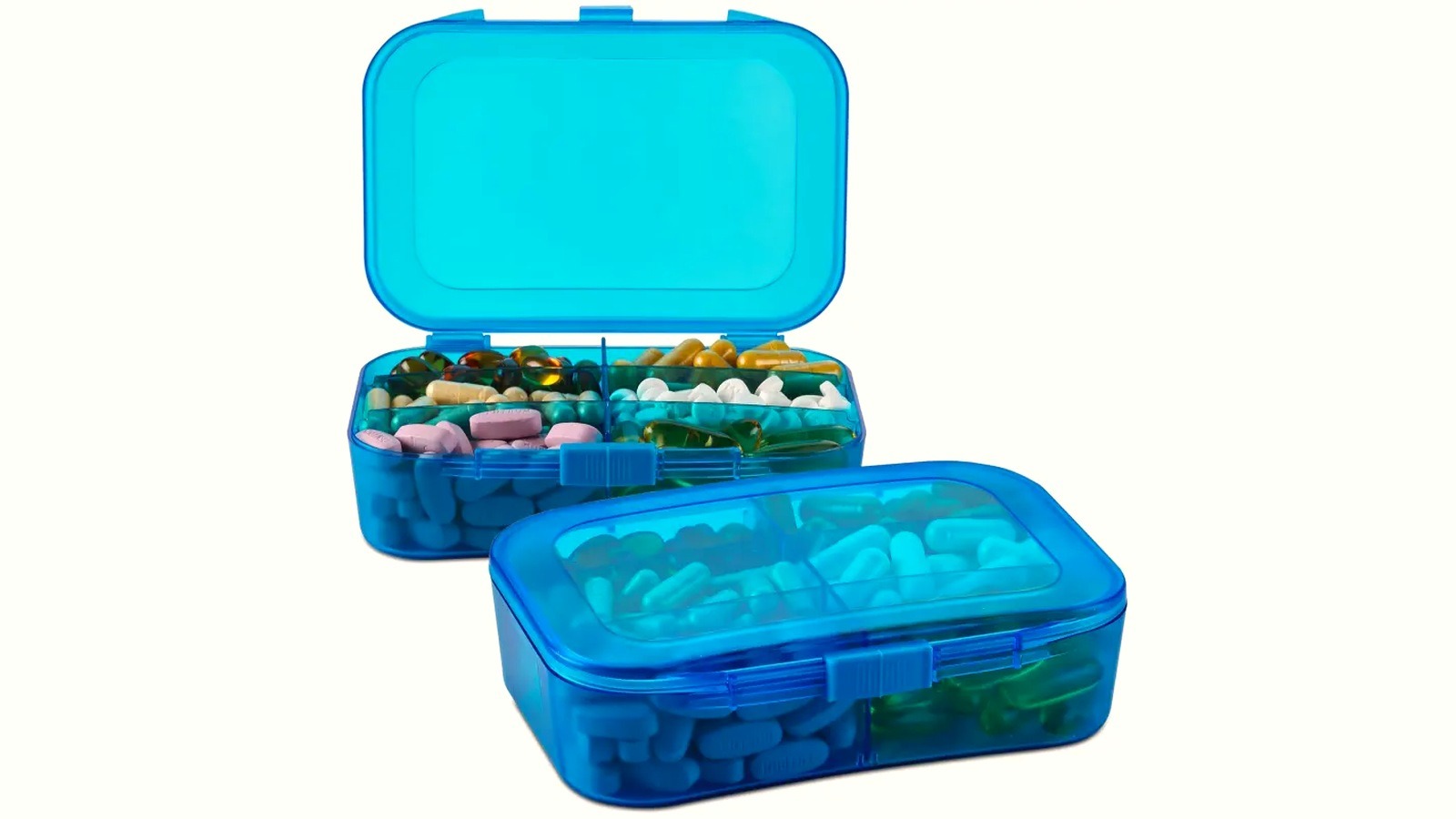
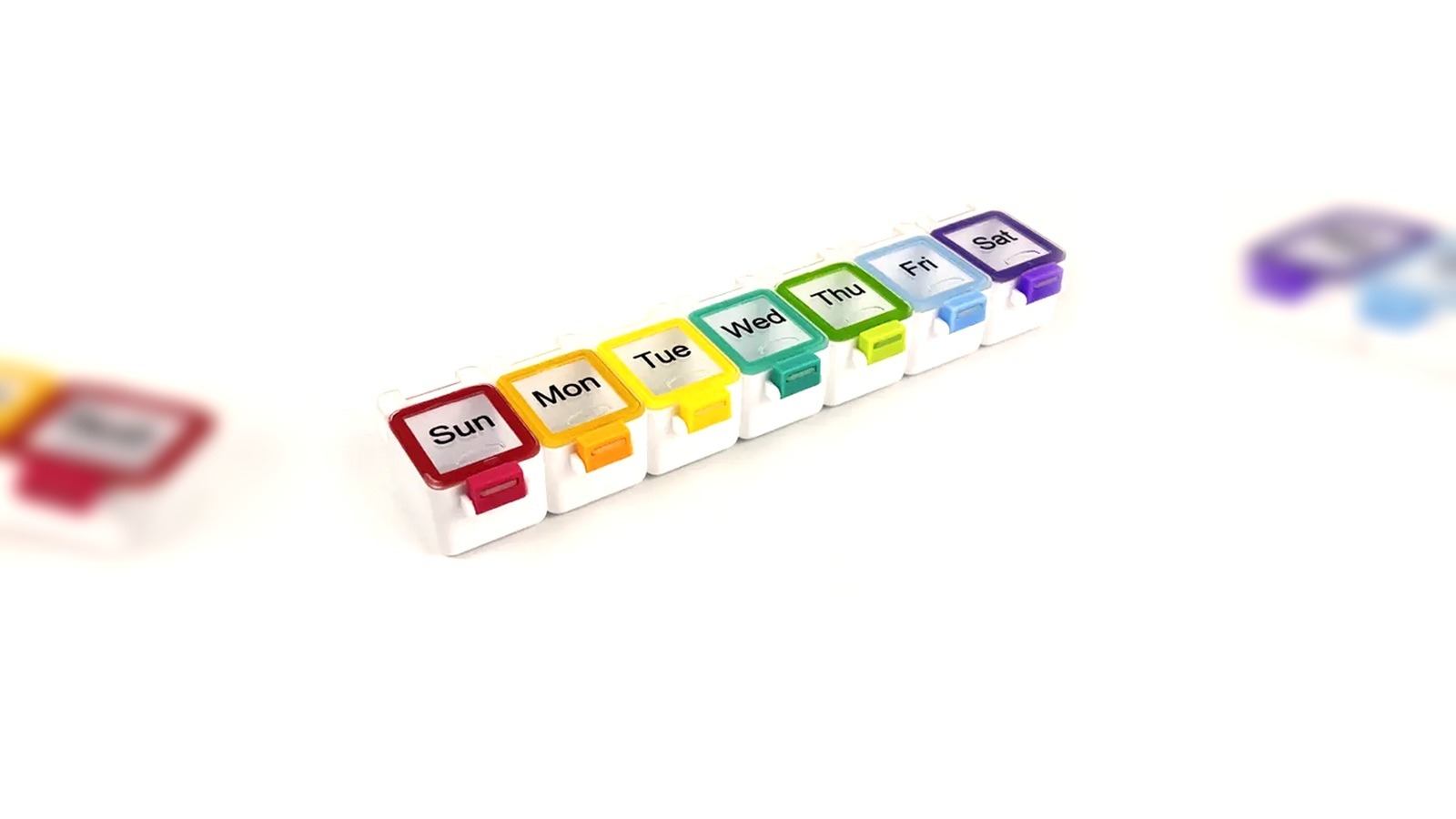
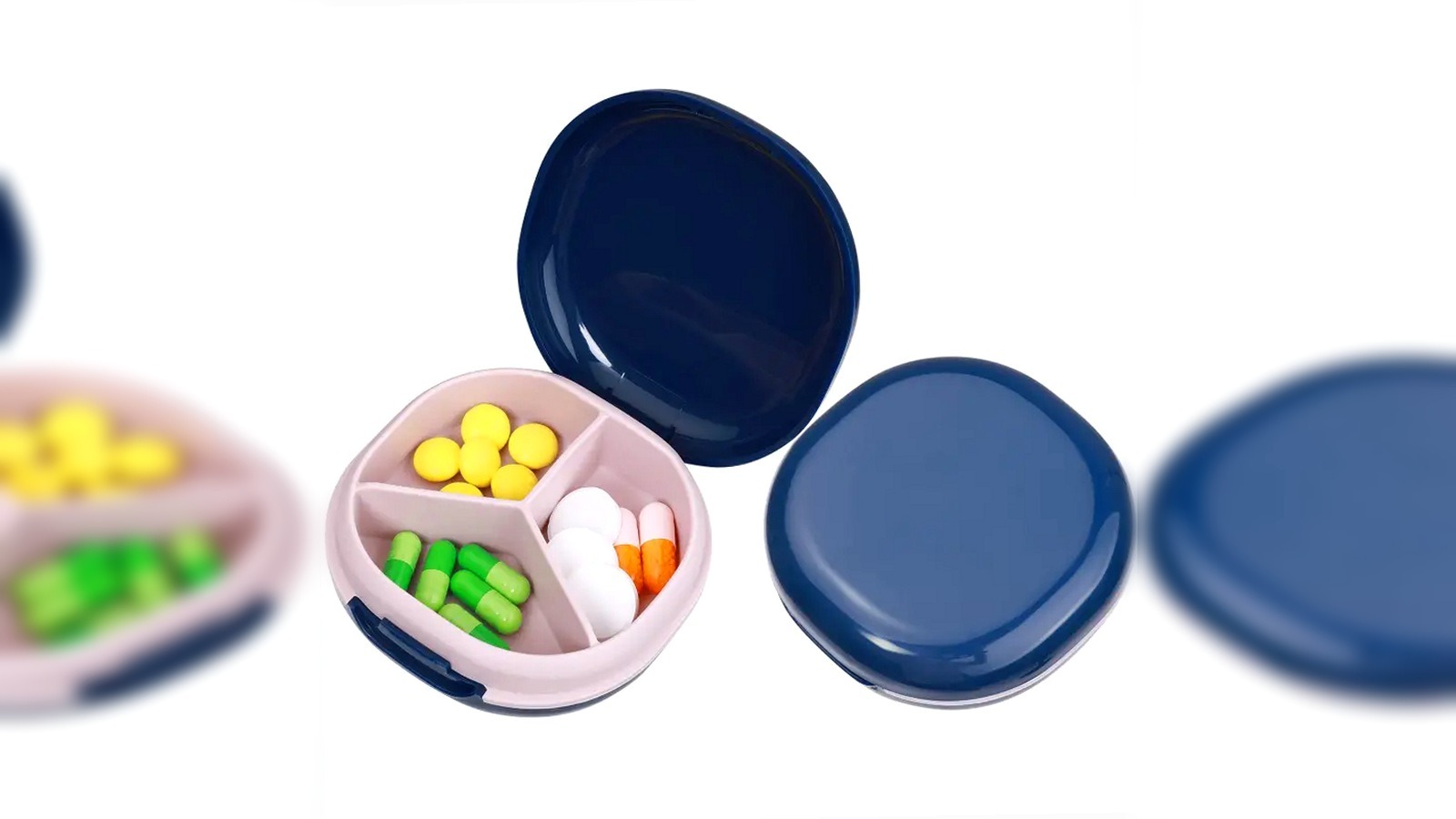
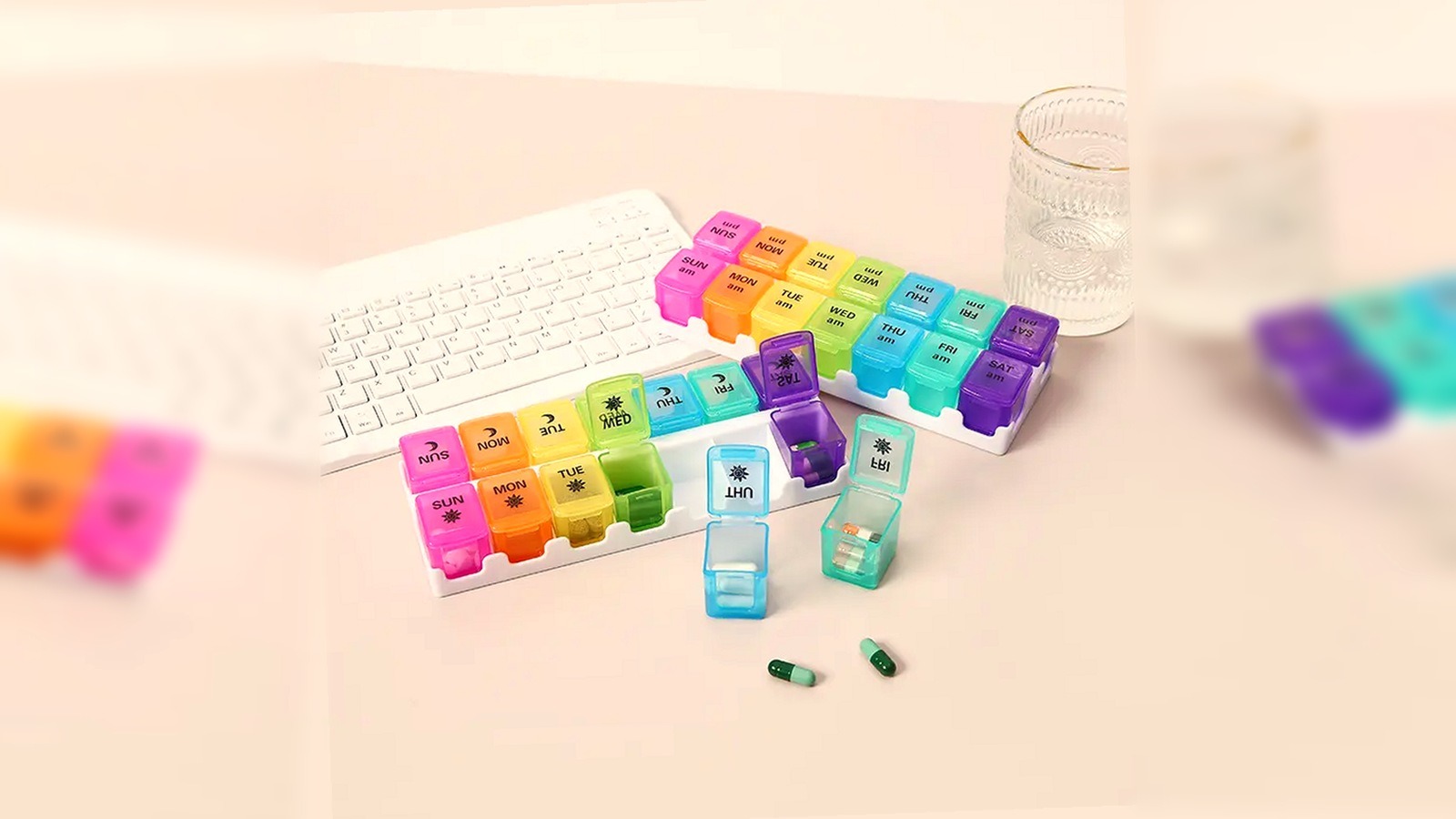
- Place medicines into corresponding compartments labeled Morning, Noon, Evening, Bedtime or days of the week according to doctor’s instructions or package inserts.
- Put only the exact single dose into each compartment; never add extra pills arbitrarily.
- Avoid mixing different pills when possible. Some medicines may interact, discolor or stick together.
- Labeling is highly recommendedStick notes on the exterior of the organizer with drug name, dosing time, dosage and expiry date.
Critical Mistakes to Avoid
- ❌ Do not place liquid medicines, ointments or suspensions in compartment organizers; they leak and deteriorate easily.
- ❌ Hygroscopic medicines (certain antibiotics, probiotics) should be taken as needed instead of being pre-packed long-term.
- ❌ Discard expired medicines and regularly clear broken pill remnants.
- ❌ Do not rely solely on the pill organizer for dosing! Update contents promptly if dosage is adjusted to prevent incorrect intake.
- ❌ Keep pill organizers out of children’s reach to avoid accidental swallowing.
Tips for Pill Organizers of Different Materials
- PP plastic pill organizers: Most common and lightweight. Clean monthly on a regular basis.