Conclusion first
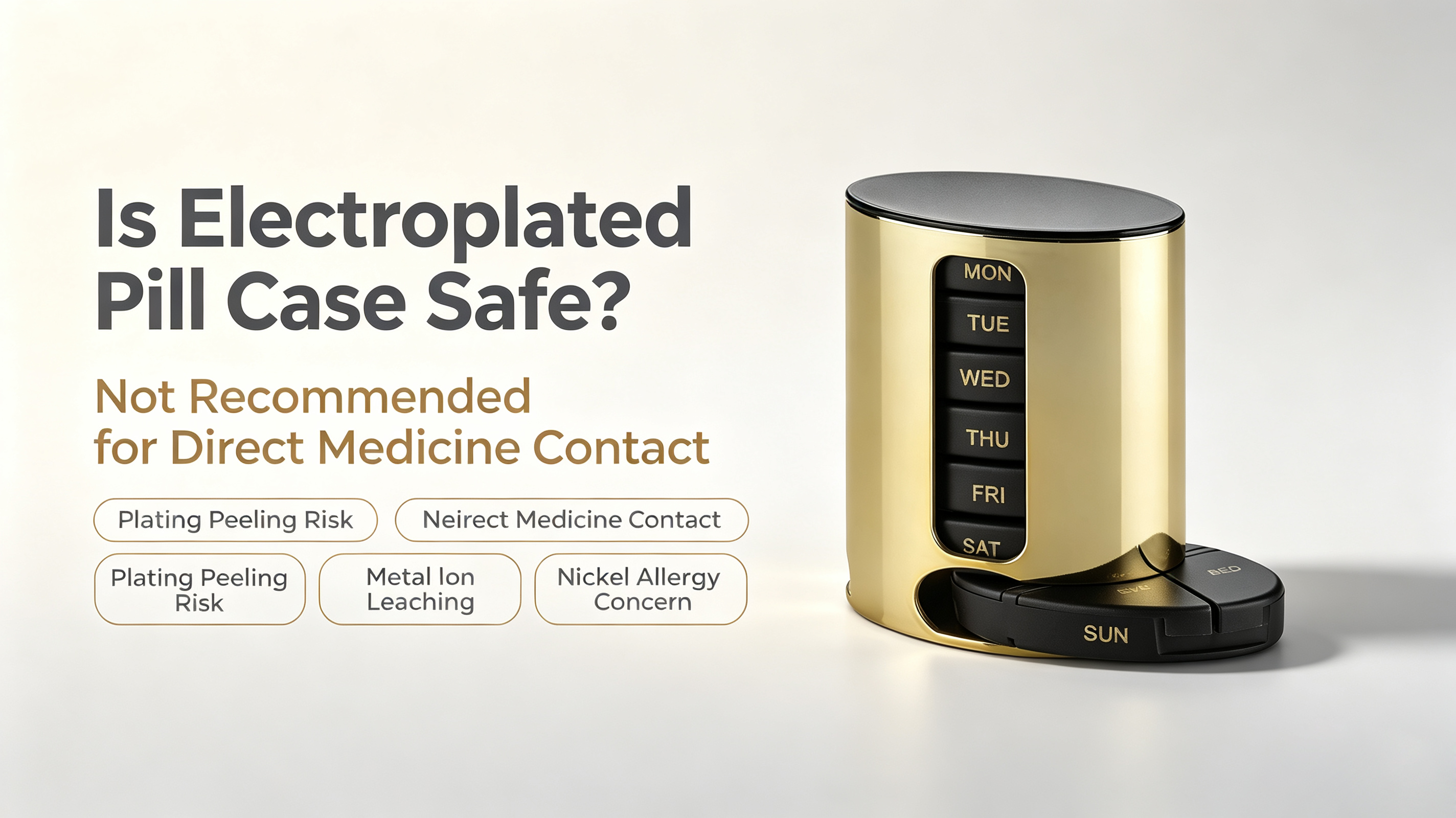
Ordinary decoratively electroplated pill cases carry relatively high risks and are NOT recommended for direct contact with pills. Only models complying with strict food/pharmaceutical packaging standards with NO electroplating on inner surfaces are relatively safe.
Core Risks
Micro-pores and peeling risks of plating
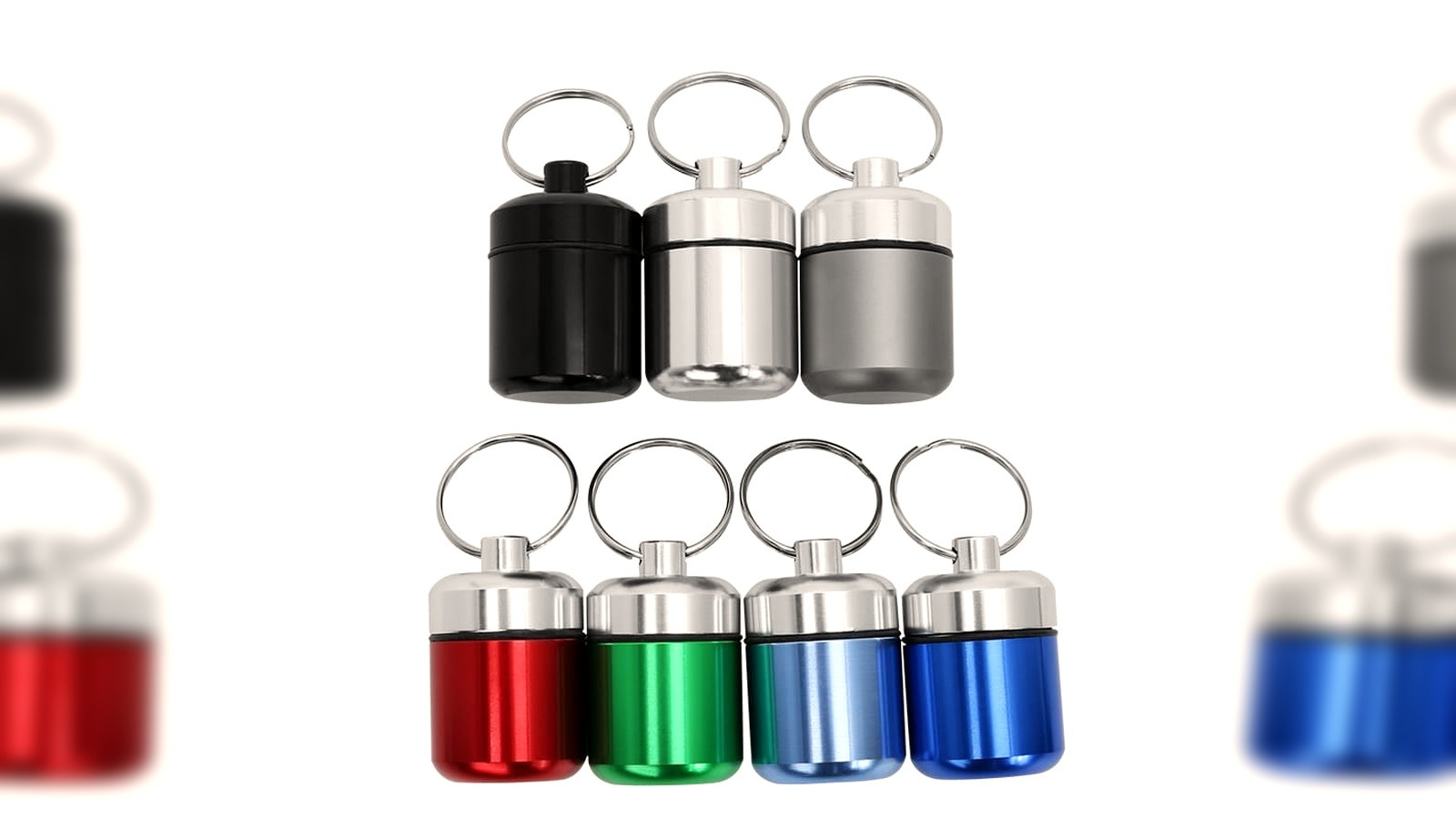
Common craftsmanship of portable metal pill cases: base material (iron/zinc alloy/common aluminum) → nickel undercoat → chrome/gold imitation plating.
- Plating looks intact visually but contains numerous microscopic pores.
- Frequent friction from opening/closing or bumps may scratch or peel off the plating.Once damaged, the base material and nickel layer will be in direct contact with medicine.
Medicines accelerate metal ion leaching (critical concern)
Many tablets and capsules contain weak acid/alkaline ingredients, moisture or organic acid excipients: Metal ions such as nickel, chromium, copper and zinc may dissolve and mix with medicines. This brings risks of heavy metal intake. It may also trigger chemical interactions with drugs, alter efficacy and accelerate medicine deterioration.
Pharmaceutical packaging standards explicitly discourage ordinary decorative electroplating on surfaces directly contacting medicines.
Residue risks from electroplating process
Low-cost electroplated goods may carry residual passivation liquid and trace hexavalent chromium or heavy metal impurities.
Standard eco-friendly electroplating can limit contaminants, yet most affordable portable pill cases lack such strict controls.
Extra hazard for nickel-allergy sufferers
Nickel plating is widely used as base coat. Repeated skin contact may trigger allergies. If nickel dust contaminates pills, internal ingestion may cause irritation.
Safety Classification
❌ Not recommended (most low-cost electroplated pill cases on market)
Fully electroplated inner cavity (bright chrome finish / imitation gold electroplating) Base material: zinc alloy, iron sheet, electroplated ordinary aluminum alloy Highest risk; not suitable for storing oral medicines.
⚠️ Conditionally usable (choose cautiously)
Electroplated outer surface for decoration, no electroplating inside Inner material: raw 304 stainless steel / anodized aluminum alloy
Anodizing ≠ electroplating. They are completely different processes. Anodizing offers far better safety performance.
✅ Preferred & relatively safe options
- Integrally formed 304 stainless steel pill case, no electroplating inside and out
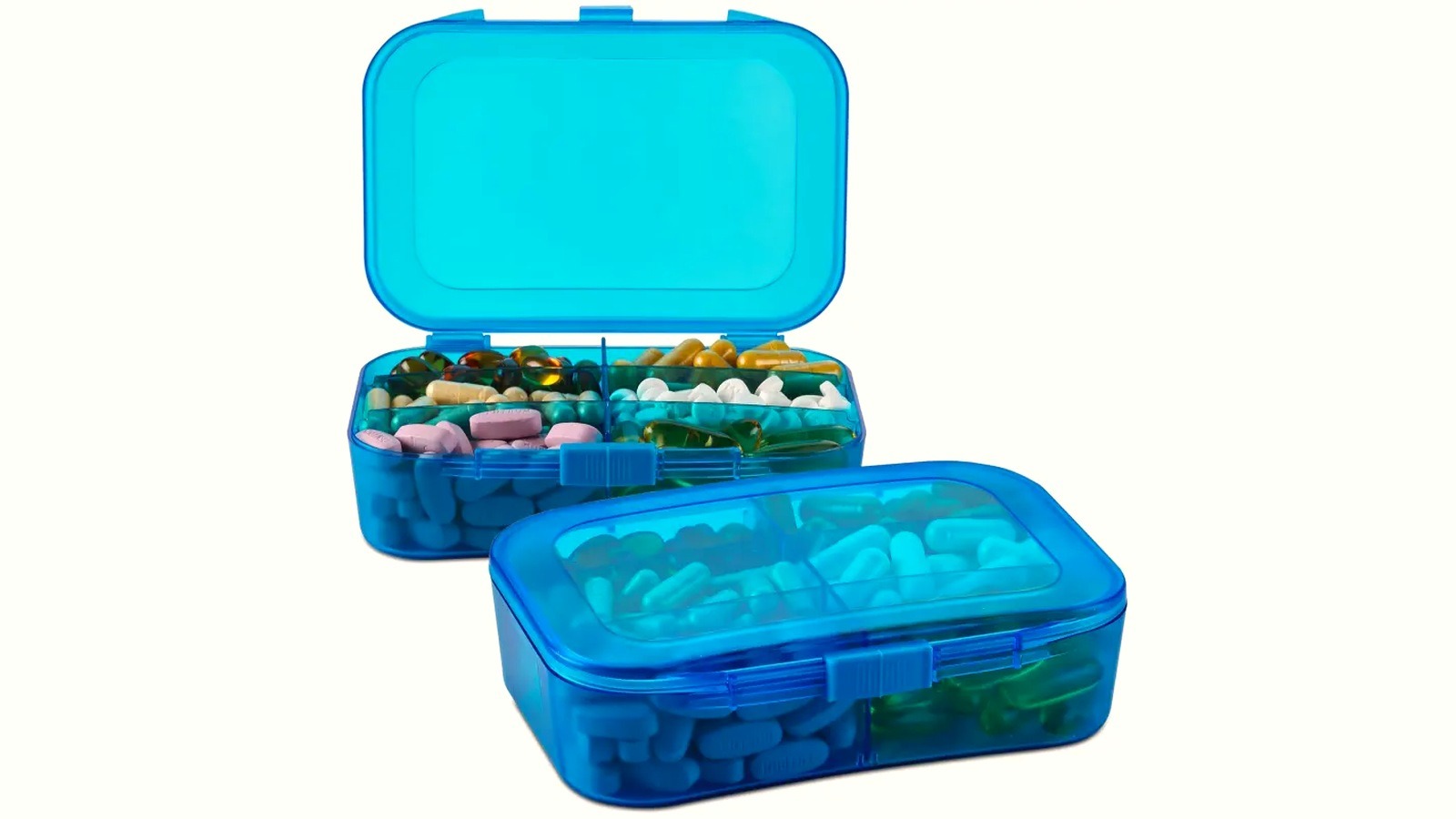
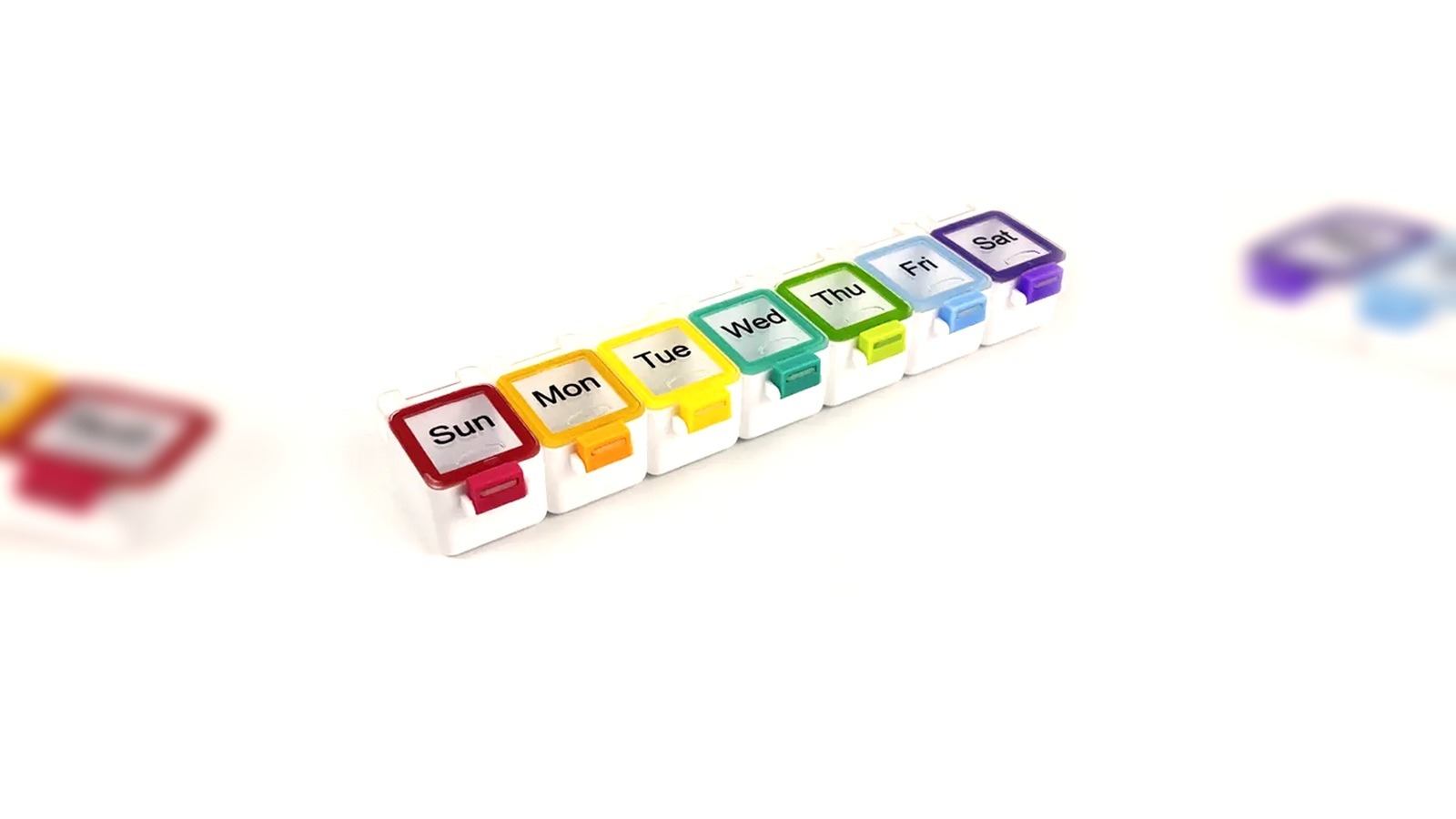
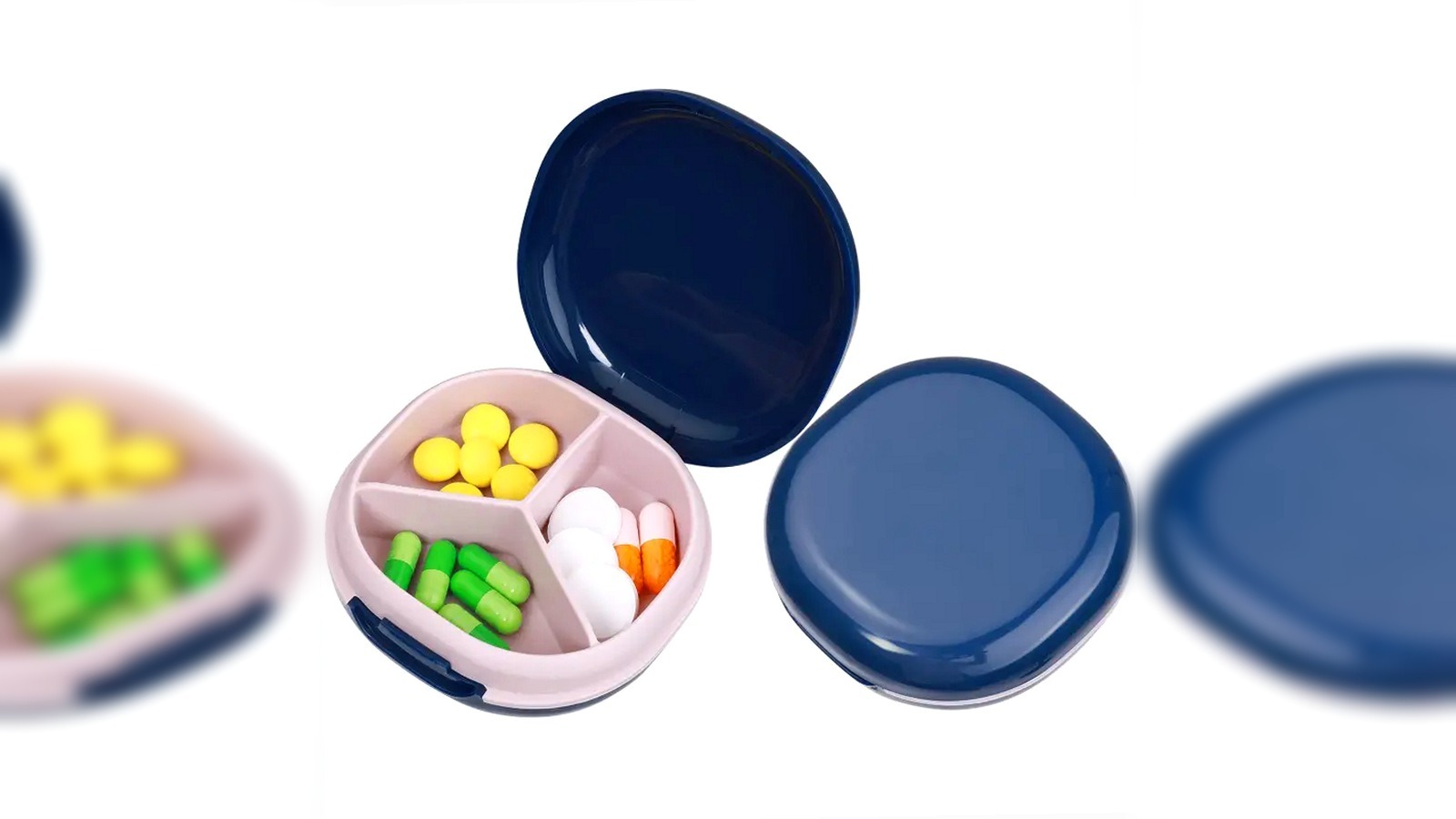
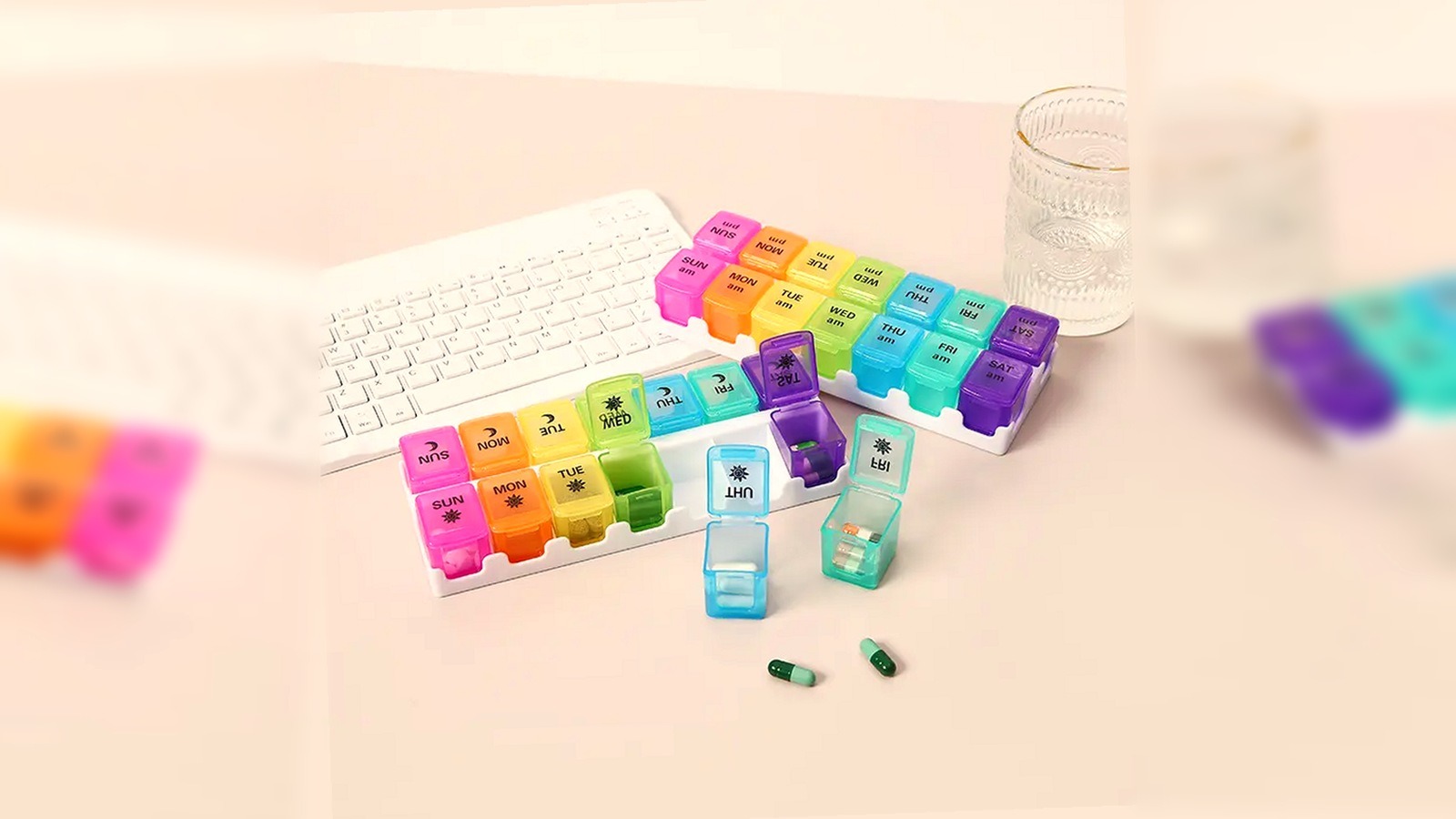
- Food-grade PP/silicone pill case (most stable option, chemically inert with minimal substance leaching)
- Anodized aluminum alloy pill case (distinguish from electroplating)
Simple identification: Electroplating vs Anodizing
- Electroplating: A deposited outer metal film (nickel/chrome). It peels off in flakes when scratched; different base color appears under hard scraping.
- Anodizing: Oxide film generated from aluminum substrate itself, integrated with base metal and will not peel off in large pieces.
Risk reduction tips if you are already using an electroplated pill case
- Avoid long-term medicine storage; only carry 1–2 days’ dosage temporarily.
- Stop use immediately once inner wall has scratches, dark spots or peeling plating.
- Pack pills inside food-grade small PE bags before placing into the pill case to isolate metal contact.
- Do not store effervescent tablets, acidic vitamins or moisture-prone medicaments.
- Keep away from humid environments; moisture greatly speeds up metal leaching.
Sourcing Suggestions (for foreign trade & product selection)
For pill cases to be sold commercially:
- No electroplating allowed on inner cavities that directly touch medicines.
- If glossy appearance is required, apply electroplating only on outer surfaces; inner cavity shall adopt 304 stainless steel or anodized aluminum.
- For export to Europe & North America, prepare LFGB / FDA migration test reports, focusing on migration limits of nickel, total chromium, hexavalent chromium, lead and cadmium.
- Electroplated products can hardly pass strict food-contact migration tests, so they are not fit for high-end health storage positioning.