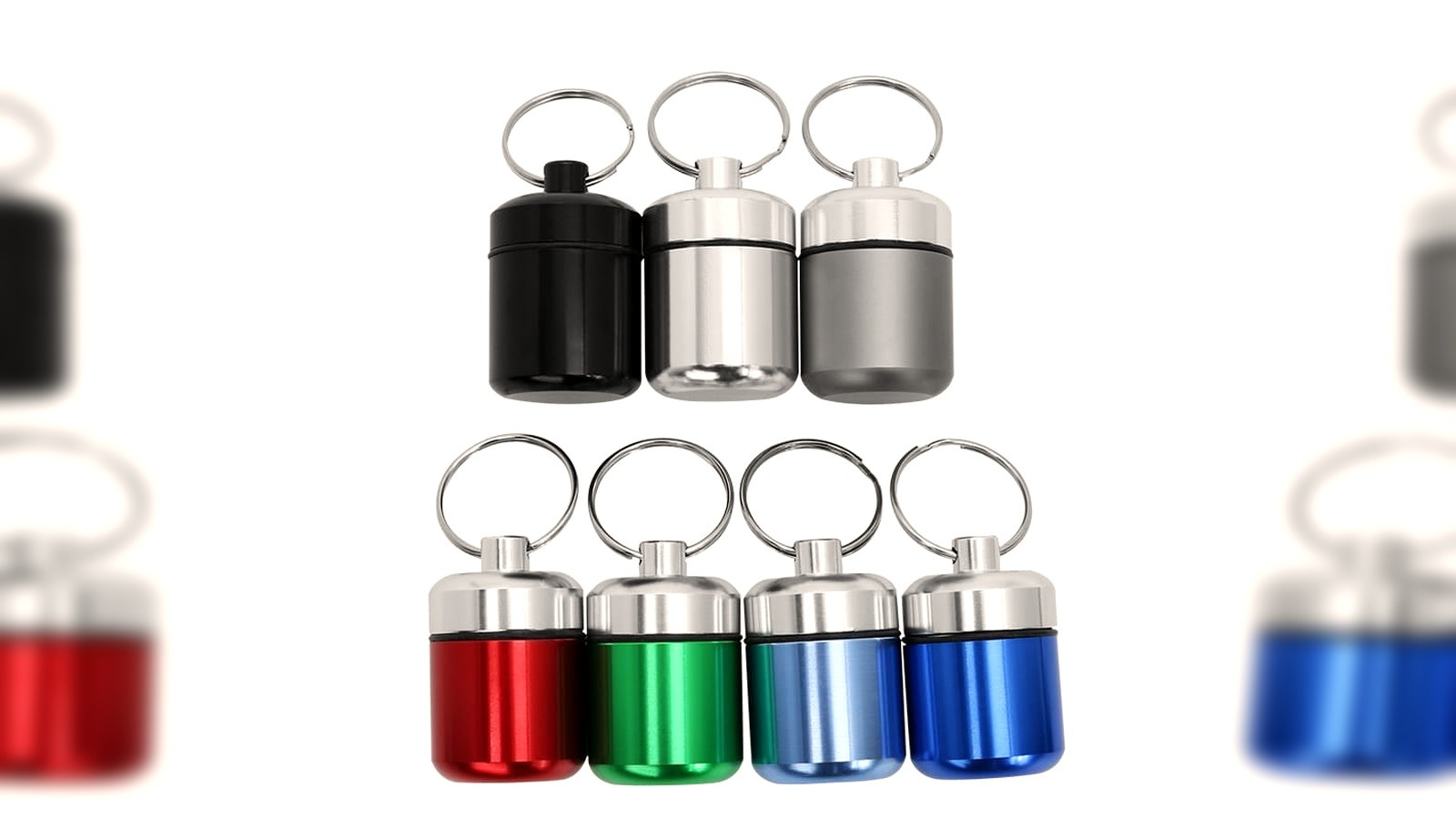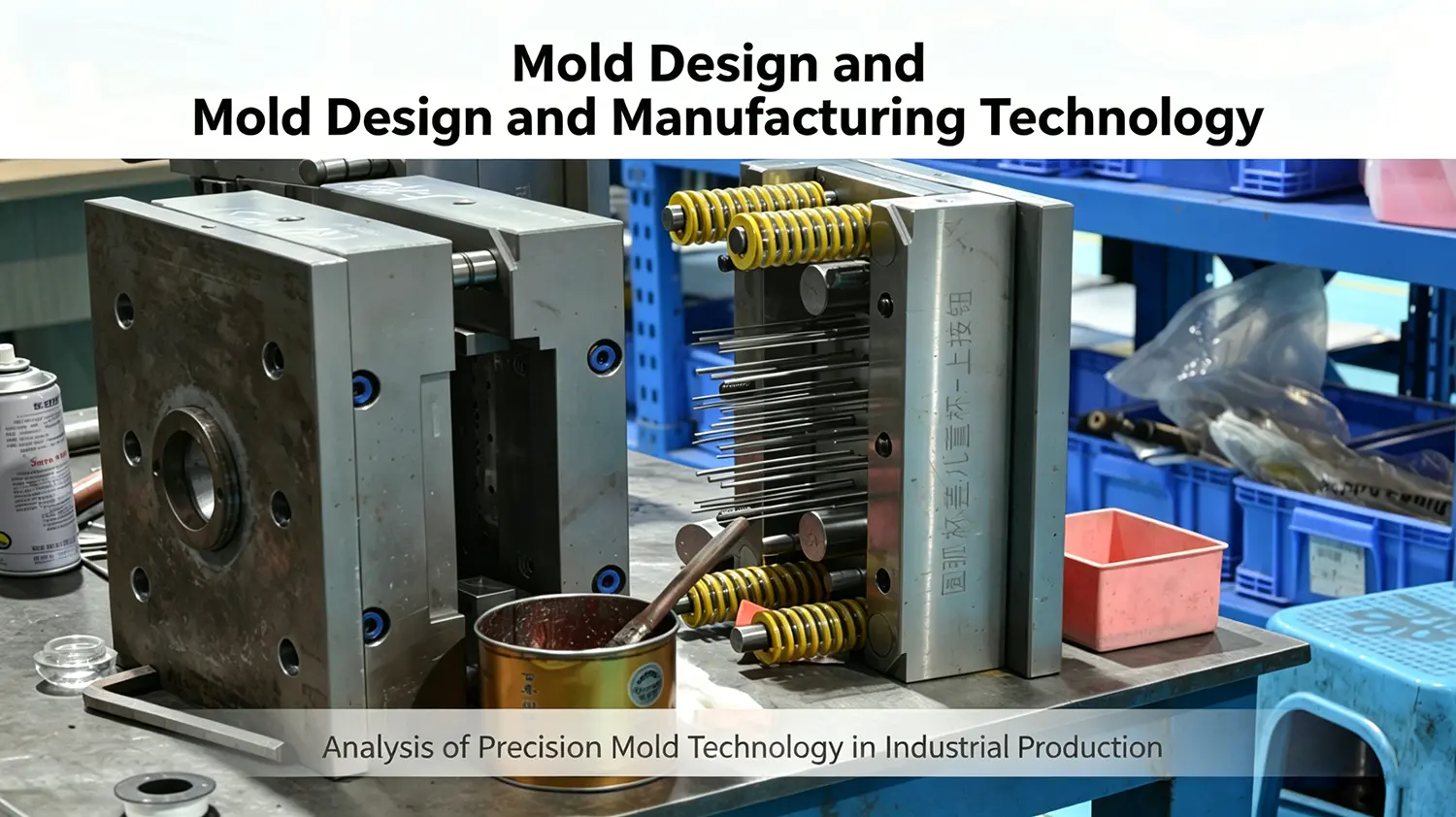
Identical plastic pill boxes in appearance and size often come with mold quotes that differ several times over. This is not simply a case of overcharging or undercutting to win orders. The gaps stem from major differences in mold materials, manufacturing standards, craftsmanship, supporting services and production positioning. Below is a detailed analysis of the core factors, which also serves as key reference for purchasers and foreign trade clients selecting molds.
Mold Steel Material: The Biggest Cause of Price Differences
Steel accounts for a large proportion of total mold costs and is the primary factor leading to tiered pricing.
Low-grade Generic Domestic Steel
Commonly used for low-cost simple molds. It features low hardness, poor wear resistance and is prone to rust. Suitable for sampling and short-term small-batch production. Defects such as flash, jamming and dimensional deviation will emerge after tens of thousands of shots, requiring frequent repairs in later stages.
Standard Domestic Mold Steel (P20, 718H, etc.)
The mainstream choice for mid-range molds with qualified hardness, surface finishing performance and stability. It fits mass production of regular pill boxes with moderate service life and high cost performance, adopted by most small and medium-sized manufacturers.
Imported Mold Steel (S136, NAK80, etc.)
The top pick for medical-grade and high-end export pill boxes. It delivers excellent rust resistance, superior mirror polishing effect and outstanding wear resistance. Such molds can withstand hundreds of thousands to over one million shots and barely need major repairs during long-term mass production. The high unit price of imported steel directly pushes up the overall mold cost.
Additional Processing Differences
Hardening quenching and nitriding anti-rust treatment are extra processes. Medical-grade pill boxes require rust-free and hygienic molds, so these essential treatments add extra working procedures and costs.
Mold Structure & Design Standards
Even for pill boxes that look the same externally, their internal structures vary greatly, driving up design and processing costs.
Number of Cavities
Molds are available in 1-cavity, 2-cavity, 4-cavity and 8-cavity designs. More cavities mean longer processing hours, more supporting parts and complex runner systems, resulting in higher prices. Multi-cavity molds greatly boost injection molding efficiency and are the preferred option for large-volume orders.
Ejection & Side Core Pulling Mechanism
Basic flip-top pill boxes have simple structures. Models with sealing grooves, side latches, multi-compartment layouts or special-shaped positioning slots require additional side cores, angled lifters and sophisticated ejection components. The increased design and processing difficulty leads to higher quotes.
Cooling Channel Layout
Low-cost molds usually adopt simplified or inadequate cooling channels, which easily cause product shrinkage, deformation and low production efficiency. High-precision molds feature elaborately arranged cooling channels targeting thin walls, compartments and hinge areas of pill boxes. Uniform temperature control ensures high yield rates but demands more time for design and machining.
Parting Surface & Guide Components
Budget molds cut corners on guide pins, guide bushes and positioning locks, which easily cause misalignment and flash after long-term operation. Standard precision molds adopt certified standard parts and multi-positioning structures to guarantee high opening/closing accuracy and eliminate product defects.
Processing Technology & Precision Requirements
Production Equipment
Small workshops rely on conventional milling and grinding machines with low precision and large errors. Formal large factories equip CNC milling machines, wire EDM, mirror spark machines and precision engraving equipment, achieving a machining precision up to 0.01mm. These high-end devices are essential for medical and high-precision export pill boxes, with higher equipment and labor costs.
Polishing Grade
Ordinary daily-use pill boxes only need basic grinding. Pill boxes exported to Europe, America or for medical use require mirror polishing or matte non-marking finishing. Polishing work takes several times longer and raises labor costs remarkably. Polishing quality also affects product appearance, demolding smoothness and hygiene standards.
Tolerance Control
Loose tolerance is acceptable for civilian products. By contrast, export and medical-grade pill boxes have strict limits on compartment dimensions, hinge gaps and latch tightness, which require more rounds of machining, trial runs and adjustments.
Mold Service Life & Positioning: Prototype Molds vs Mass Production Molds
Simple Prototype / Sampling Molds
Represent the low-price segment. Made of inferior materials with simplified structures, they are not designed for long service life, mainly for sample making and small trial orders, with a service life of 10,000 to 50,000 shots. They feature low prices and fast lead time, yet are unsuitable for long-term mass production.
Standard Mass Production Molds
Built for long-run manufacturing with full standard configurations of steel and components. The service life ranges from 50,000 to 200,000 shots, ideal for regular bulk orders.
High-precision Heavy-duty Molds
Brand of Standard Components
Mold accessories including springs, ejector pins, sealing rings, oil cylinders and hot runner systems are divided into three tiers: generic domestic parts, well-known domestic brands and imported brands.
Budget molds use low-grade generic parts that are prone to breakage and malfunction, leading to frequent production downtime. High-end molds apply branded standard parts for reliable performance and longer lifespan, with higher procurement costs. Some premium pill box molds are fitted with hot runner systems to remove gate marks and improve surface quality, which also adds substantial costs.
Labor, Trial Runs & After-sales Services
Mold Trial Runs
To cut costs, small manufacturers only conduct 1 to 2 simple trial runs and deliver molds once samples are done, leaving all follow-up problems to clients. Qualified manufacturers carry out multiple trial runs, fine-tune dimensions, optimize appearance and test opening/closing feel to ensure stable mass production, incurring extra labor and material expenses.
After-sales Support
Low-price orders are mostly one-off deals with no post-delivery repair or maintenance services. Mid-to-high-end quotes cover free mold repair within the agreed period, lifetime maintenance, technical support and remote debugging, with service costs included in the pricing.
Operational Costs
Large standardized workshops, dust-free production workshops, professional quality inspection teams, compliance certifications for medical products and complete export supporting services mean much higher operating costs than small workshops, which is reflected in the final quotes.
Additional Compliance & Customization Requirements
- Medical and food-contact compliance: Molds must have no dead corners for easy cleaning and superior rust resistance.
- Customization: Appearance patent protection, engraved logos, embossed patterns and other personalized processing.
- Document & quality control: Overseas orders require complete mold drawings, inspection reports and material certification, increasing paperwork and quality control workload.
Practical Tips for Mold Procurement
1. For short-term trial orders and small-batch production: Choose cost-effective simple molds to control expenditure.
2. For long-term mass production, cross-border export and medical products: Prioritize steel quality, machining precision and mold service life. Avoid pursuing rock-bottom prices, as subsequent repair fees, mold scrapping and production delays will far exceed the initial mold cost.
3. Compare quotes on equal terms: Confirm cavity quantity, steel grade, expected shot life, polishing standard and after-sales clauses before comparison. Price comparison is meaningful only under unified standards.
4. Beware of excessively low quotes: Offers far below the industry average usually come with compromised materials and simplified structures, bringing huge hidden risks to mass production.