Matching Pharmaceutical Box Printing Requirements with Pad Printing Technology
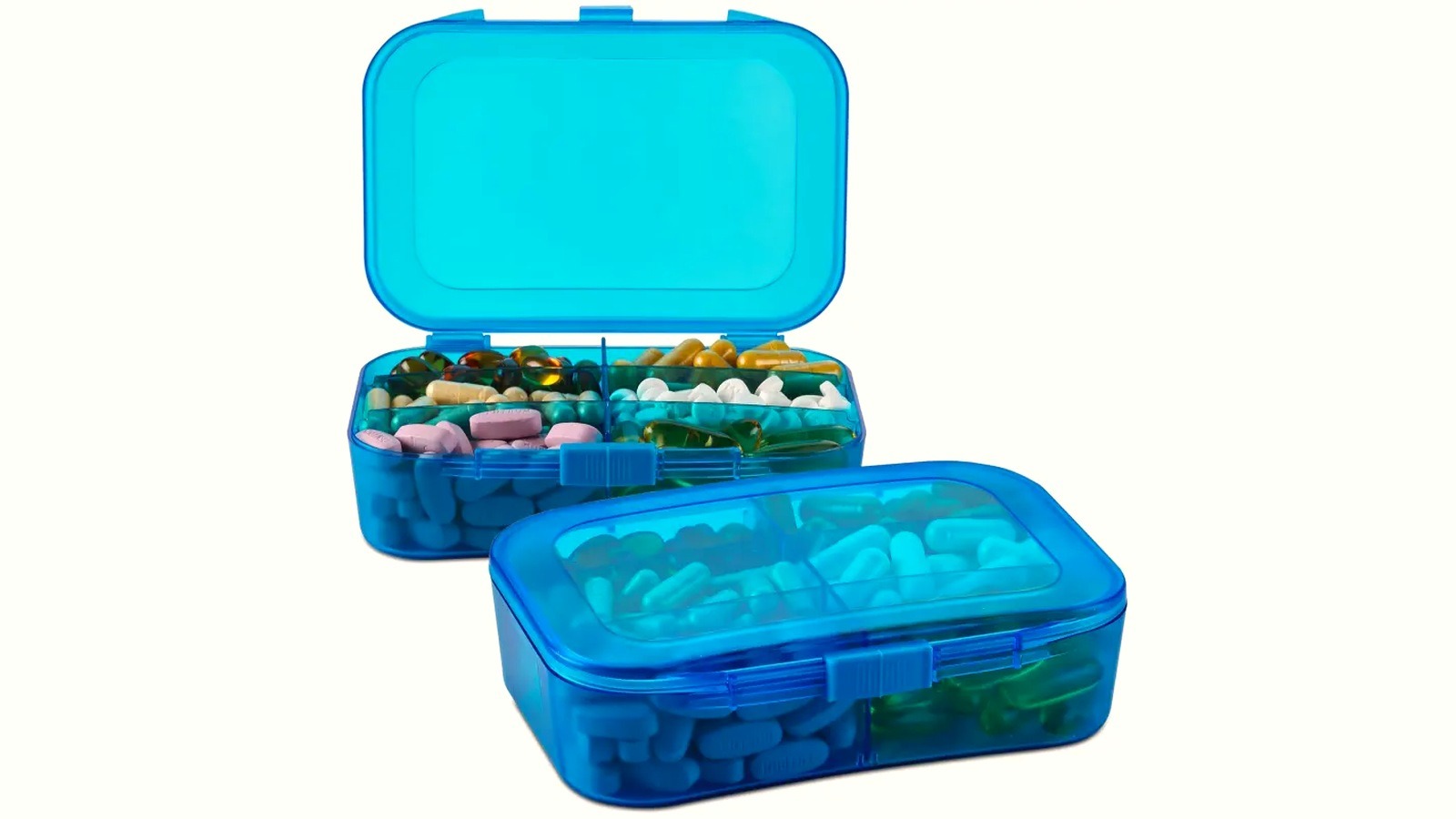
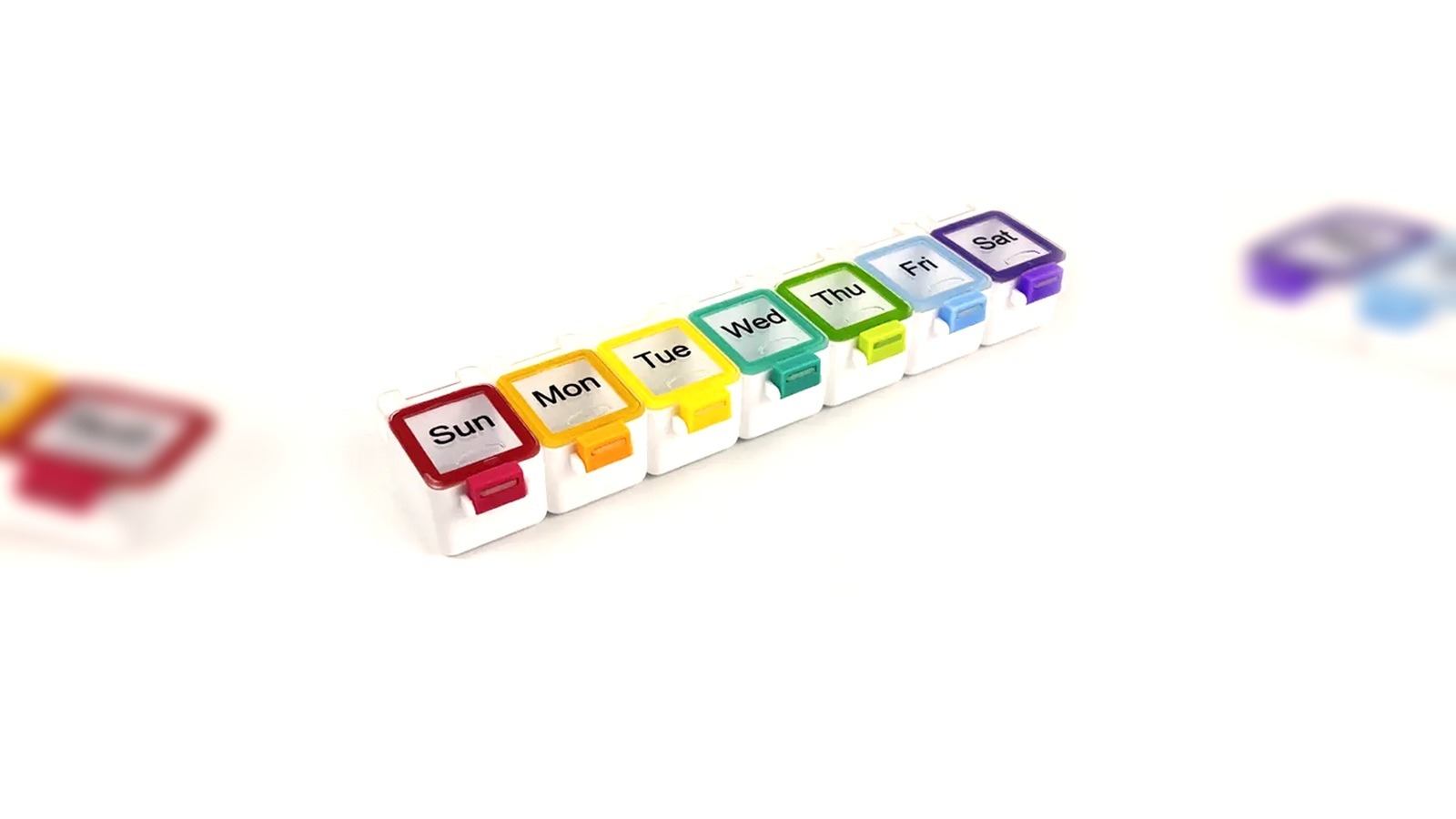
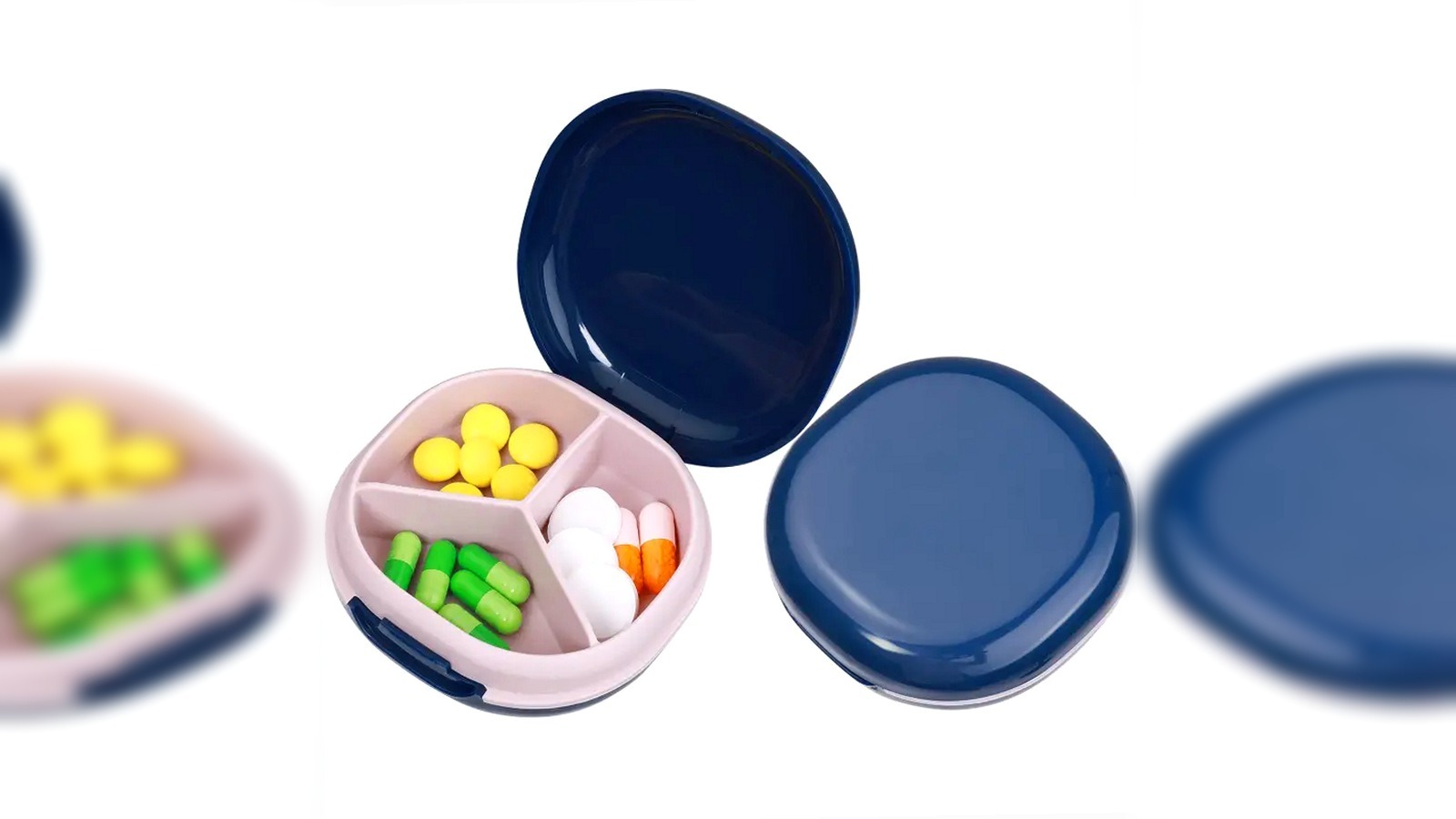
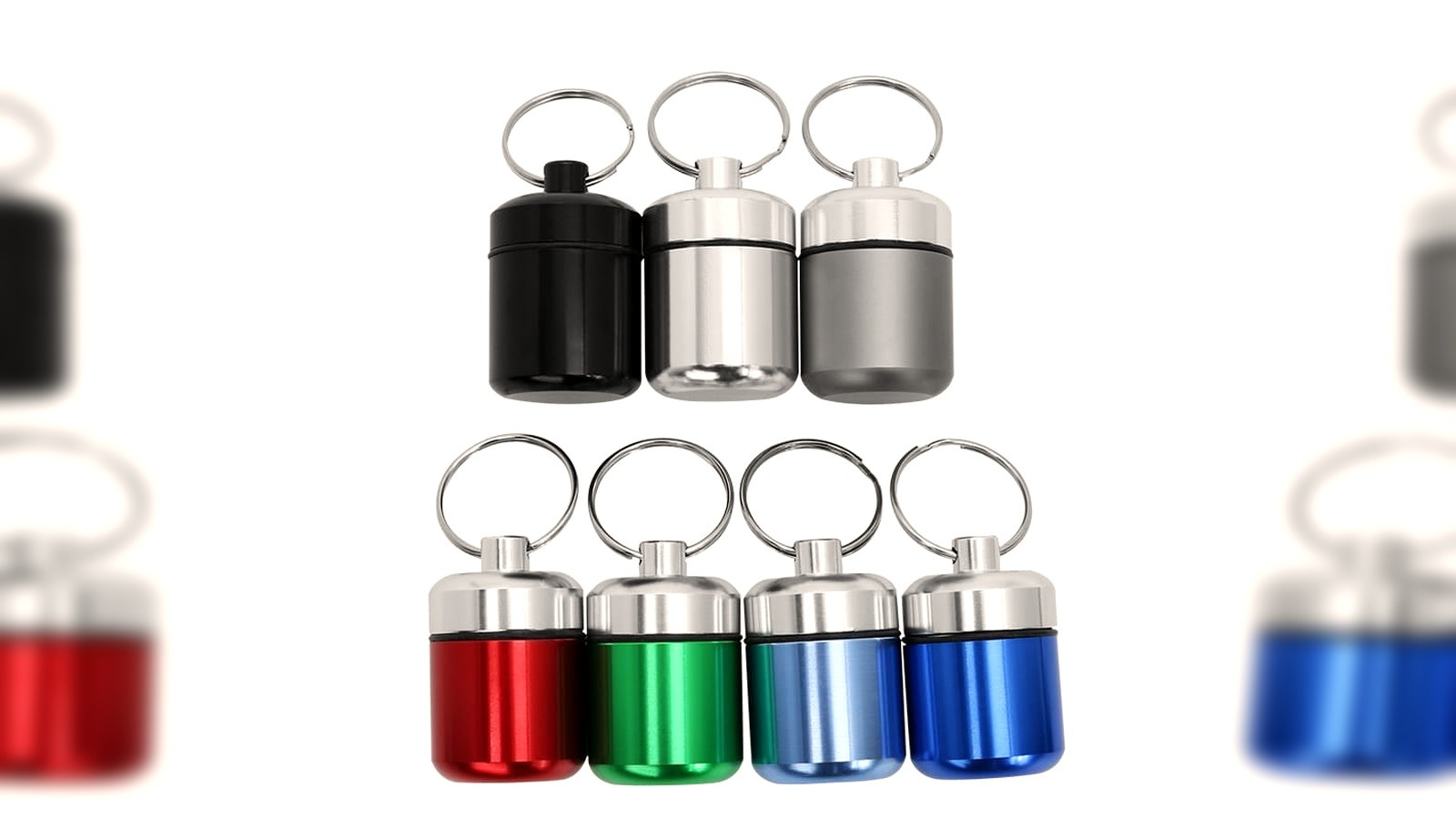
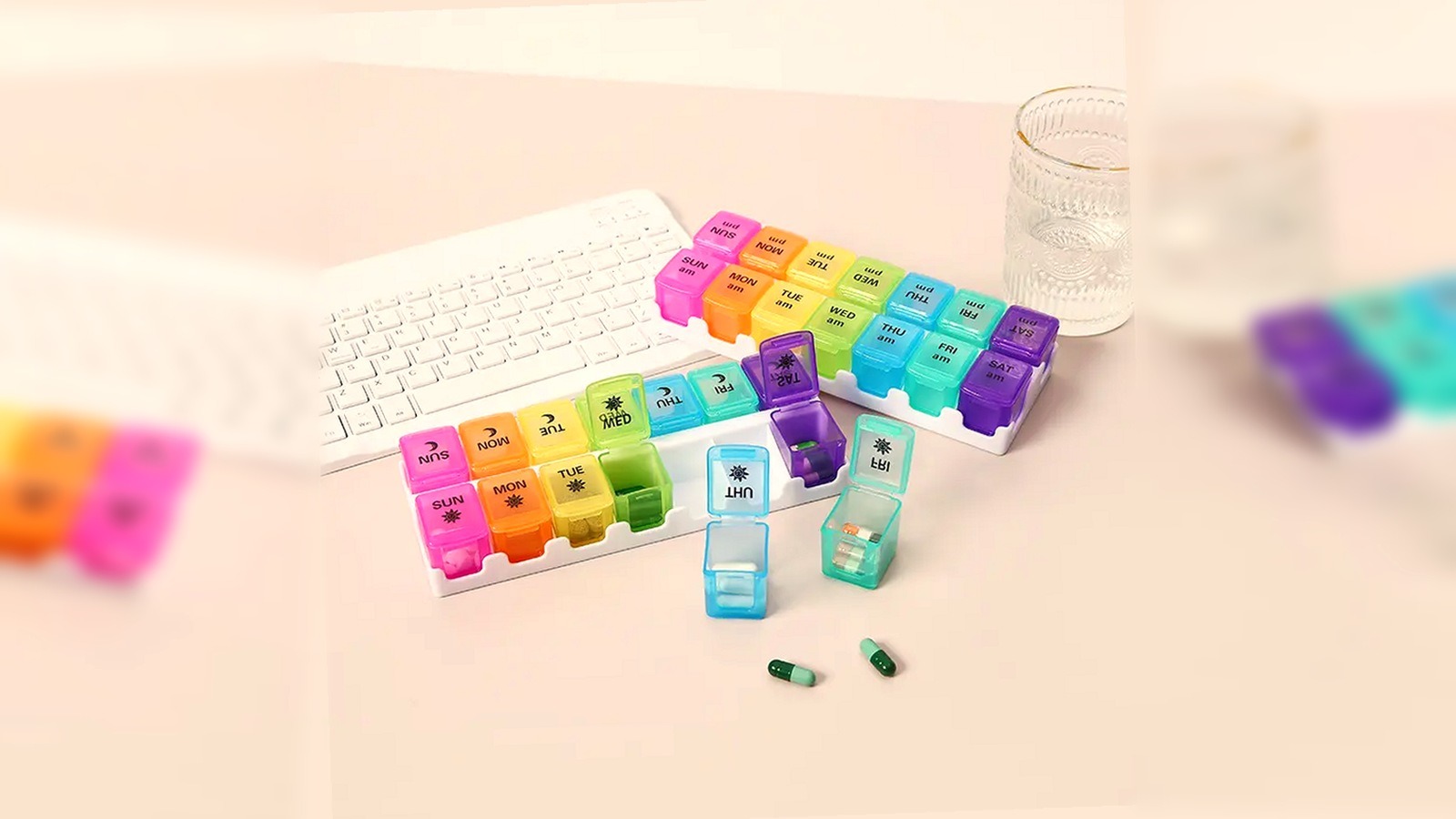
- Surface Adaptability: Pharmaceutical boxes often come in circular, flat, or irregular shapes with curved or complex structures, making it difficult for traditional printing methods to achieve high-precision printing on irregular surfaces.
- Information Clarity: Pharmaceutical labels must include key information such as generic names, brand names, batch numbers, and expiration dates, with generic names prominently highlighted and fonts clearly legible.
- Regulatory Compliance: Printing inks must comply with regulations such as FDA 21 CFR 175.300 to ensure chemical migration levels meet safety standards.
- Multi-color Overprinting Needs: Pharmaceutical boxes often require multi-color printing, such as brand logos, warning labels, and multi-language labels, demanding high overprinting precision.
- Production Efficiency and Cost: Pharmaceutical packaging is produced on a large scale, requiring efficient and cost-effective printing processes.
Pad printing technology demonstrates excellent alignment with these requirements:
- Precise Curved Surface Printing: Utilizing the elastic deformation capability of silicone pads, pad printing can tightly conform to the curved surfaces, edges, and uneven structures of pharmaceutical boxes, ensuring complete and flawless printed patterns.
- High-Precision Text Printing: The pad printing process can print fine lines as small as 0.05mm and small-font text, meeting the clarity requirements for generic names, batch numbers, and other information on pharmaceutical labels.
- Fast Drying and Multi-color Overprinting: Pad printing inks dry quickly, supporting single-pass multi-color overprinting with a precision of ±0.1mm, significantly improving production efficiency.
- Regulatory Compatibility: Pad printing inks can be selected as low-migration UV or water-based inks with FDA certification, reducing the risk of chemical migration and meeting hygiene and safety standards for pharmaceutical packaging.
Application Process and Advantages of Pad Printing in Pharmaceutical Box Printing
Application Process
- Plate Making: Metal or resin clichés (recessed plates) are made based on the surface shape of the pharmaceutical box and the printing content. For fine text or patterns, the etching depth of the cliché is typically controlled between 0.01-0.03mm to ensure ink transfer efficiency.
- Ink Preparation: Select inks that comply with FDA 21 CFR 175.300 standards, such as UV-curable inks or water-based inks. Ink viscosity and fluidity must be adjusted according to the printing content and substrate material.
- Pad Selection: Choose silicone pads with appropriate hardness based on the surface characteristics of the pharmaceutical box and the printing content. Typically, a slightly harder pad (40° Shore A) is used for small-font text printing, while a softer pad (30° Shore A) is chosen for curved surfaces or complex structures.
- Printing Operation:
- Evenly coat ink on the surface of the cliché.
- Use a doctor blade to remove excess ink from the cliché surface.
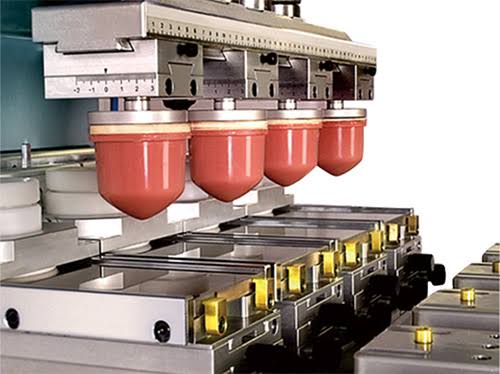
- Press the silicone pad onto the cliché to transfer the ink onto the pad surface.
- Press the pad onto the pharmaceutical box surface to accurately transfer the ink to the target position.
- For multi-color printing, different colors are sequentially transferred using a high-precision positioning system.
- Drying and Curing: UV inks are cured using ultraviolet light, while water-based inks are dried naturally or with hot air. Pharmaceutical box printing typically uses UV curing due to its fast drying speed, making it suitable for high-speed production lines.
- Quality Control: Use visual inspection systems to check printing quality, ensuring clear text, complete patterns, and precise overprinting. Key information such as generic names and batch numbers is subject to focused inspection.
Advantage Analysis
- Strong Surface Adaptability: Whether the pharmaceutical box has a flat, curved, or irregular structure, pad printing can achieve high-quality printing, an advantage that traditional screen printing struggles to match.
- High Printing Precision: Pad printing can print fine lines as small as 0.05mm and small-font text, meeting the strict clarity requirements for pharmaceutical label information.
- Precise Multi-color Overprinting: Using an independent color group system, overprinting precision is controlled within ±0.1mm, ensuring accurate overlay of brand logos and warning text.
- High Production Efficiency: Fully automatic pad printing machines can reach speeds of 2,500 cycles per hour and support inline production, reducing manual intervention and improving overall production efficiency.
- Good Cost-effectiveness: Pad printing equipment requires relatively low investment, with single-color printing costs typically not exceeding $0.0015, making it suitable for small-batch, high-variety pharmaceutical box production needs.
- Environmentally Friendly and Safe: UV inks cure quickly, reducing VOC emissions; water-based inks align with environmental trends and can meet FDA low-migration ink requirements through proper selection.
Key Factors and Quality Control in Pharmaceutical Box Pad Printing
Key Factors
- Ink Selection:
- FDA Compliance: Inks must comply with FDA 21 CFR 175.300 standards, ensuring total migration ≤10mg/dm² and heavy metal content within safe limits.
- Material Compatibility: Select specialized inks based on the pharmaceutical box material (PP, PET, glass, etc.). For example, PP materials require elastic inks to improve adhesion.
- Drying Characteristics: UV inks dry quickly and are suitable for high-speed production; water-based inks are environmentally friendly but require controlled drying conditions.
- Pad Management:
- Hardness Selection: Use slightly harder pads (40° Shore A) for fine text printing and softer pads (30° Shore A) for curved surfaces or complex structures.
- Cleaning and Maintenance: Regularly clean the pad surface to prevent ink residue from causing blurred printing or contamination.
- Lifespan Management: Check the elasticity of silicone pads every 5,000 prints; replace them promptly if hardening or cracks appear.
- Plate Precision:
- The etching depth of the cliché must be precisely controlled, typically between 0.01-0.03mm.
- Harder pads are suitable for fine patterns, while softer pads should be used if the workpiece surface is uneven.
- Environmental Control:
- Temperature and humidity must be stable (e.g., 23±2℃, 50±5% RH) to ensure ink drying and printing quality.
- The production environment should be kept clean to prevent dust from affecting printing results.
Quality Control
- Abrasion Resistance Testing:
- Evaluate the wear resistance of printed labels during transportation using ASTM D5264 and GB/T 7706 standards.
- Testing standards: friction coefficient ≤0.5, abrasion resistance grade ≥3 (5 being the highest), tensile test ≥2N/cm.
- Compliance Verification:
- Retain ink composition, migration test reports, and production batch records to ensure compliance with FDA and other regulatory requirements.
- Conduct regular extraction tests to ensure harmful substance migration levels are within safe limits.
- Visual Inspection:
- AI visual inspection systems can automatically correct printing deviations, improving the yield rate.
- Key information such as generic names and batch numbers is subject to focused inspection to ensure accuracy.
- Cleaning Process:
- During production, the pad surface can be cleaned with alcohol-based solvents to ensure clear printing.
- The ink system should be cleaned of residual ink weekly to prevent pipeline clogging.
Development Trends and Future Prospects of Pharmaceutical Box Pad Printing
Technology Upgrade Trends
- Intelligence and Automation:
- AI visual inspection systems will be more widely applied in pharmaceutical box pad printing quality control, enabling automatic correction of printing deviations.
- Fully automatic pad printing machines will be integrated with pharmaceutical box production lines, significantly improving production efficiency and consistency.
- Eco-friendly Process Development:
- Water-based inks and UV curing technology will become more prevalent, reducing VOC emissions and aligning with global environmental trends.
- Combining biodegradable materials with pad printing processes will meet the sustainable development needs of pharmaceutical packaging.
- High-Precision Requirements:
- Laser engraving technology will improve the precision of pad printing clichés, supporting printing requirements for line widths below 0.05mm.
- Multi-color overprinting systems will become more precise, meeting the printing requirements for complex patterns and multi-language labels.
Market Prospect Outlook
- Market Size Growth:
- The global pharmaceutical packaging market is expected to reach $16.638 billion in 2025 and $35.309 billion by 2033 (CAGR 9.9%).
- As a mainstream printing process, pad printing will capture a significant share of this growth, especially in the high-end pharmaceutical and biologic product packaging sectors.
- Regional Market Differences:
- The North American market has high demand for smart packaging, making pad printing integrated with UDI codes and temperature monitoring labels more favored.
- The Asia-Pacific region (especially China) will become the main growth driver, with local enterprises seizing market share through technological breakthroughs.
- Regulatory Impact:
- Strict FDA standards for low-migration inks will drive innovation in pad printing ink formulations.
- As global pharmaceutical packaging regulations become stricter, pad printing will be more favored by pharmaceutical companies due to its precision and controllability.
- Anti-counterfeiting Technology Integration:
- Combining pad printing with water transfer printing and laser engraving will achieve multiple anti-counterfeiting functions for pharmaceutical packaging.
- Variable information printing (such as batch numbers and expiration dates) will become a standard configuration for pharmaceutical box pad printing.
Conclusion
Relying on its advantages in surface adaptability, printing precision, multi-color overprinting, and regulatory compliance, pad printing has become the most common and reliable choice for pharmaceutical box printing. With the development of intelligence, automation, and eco-friendly processes, the application of pad printing technology in pharmaceutical box printing will become more widespread and in-depth. Meanwhile, the continuous optimization of pharmaceutical box pad printing processes will better meet the strict requirements for information accuracy and appearance quality in pharmaceutical packaging, creating greater commercial value for enterprises.
Whether in terms of technical adaptability, production efficiency, or regulatory compliance, pad printing is the ideal choice for pharmaceutical box printing. In the future, with the continuous growth of the pharmaceutical packaging market and technological innovation, pad printing technology will play an even more important role in the pharmaceutical box printing field, driving the entire industry to develop to a higher level.