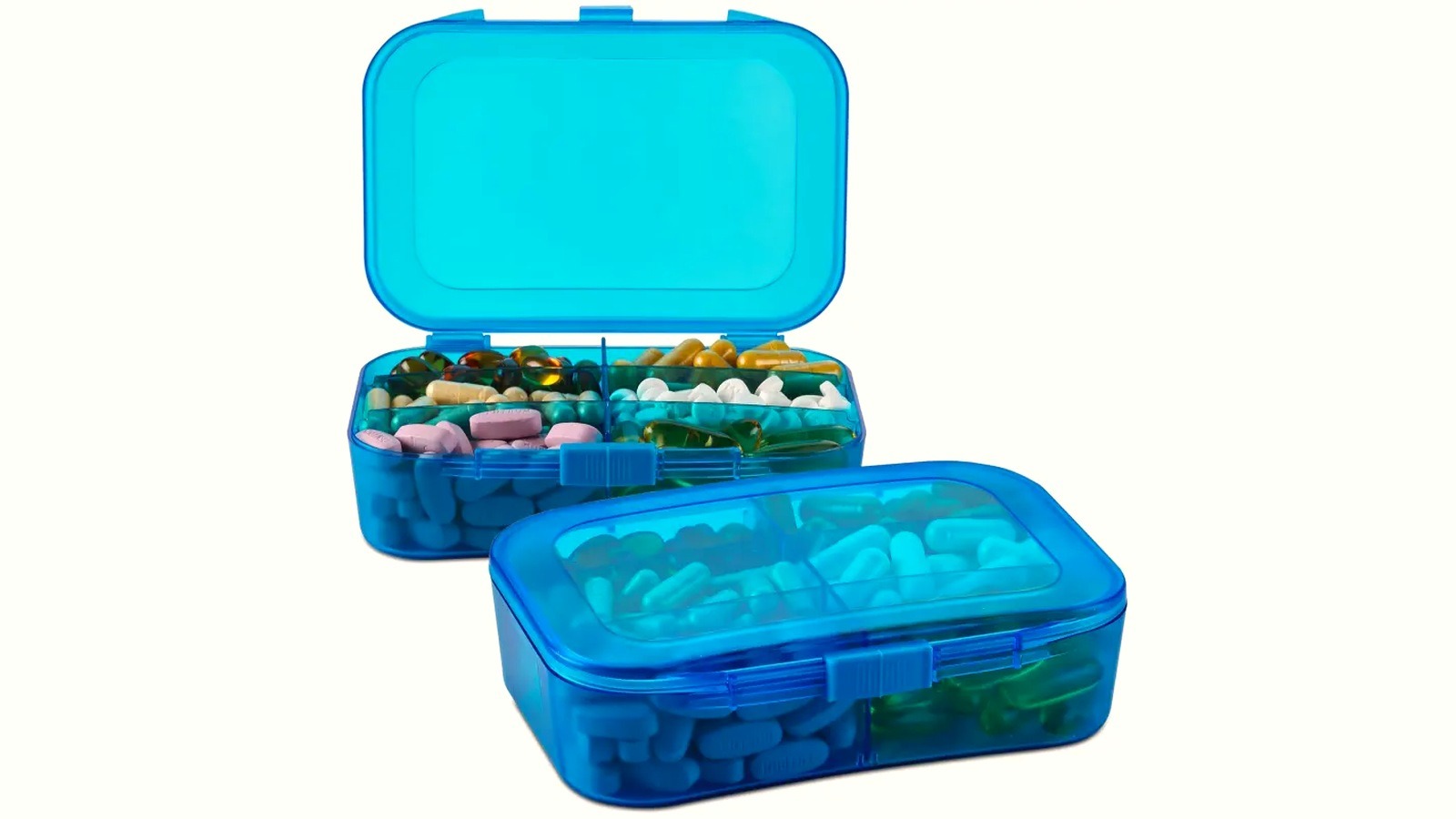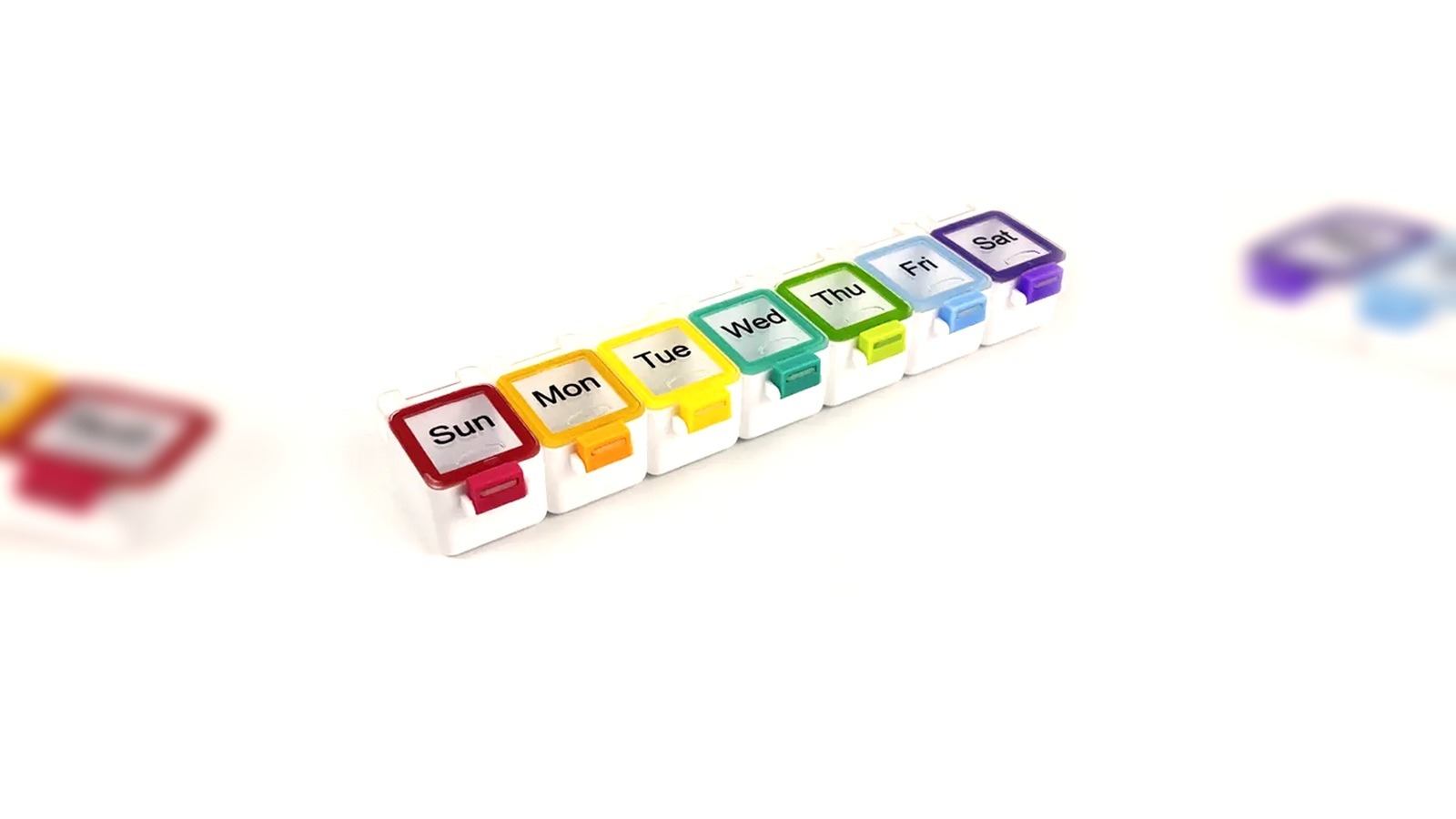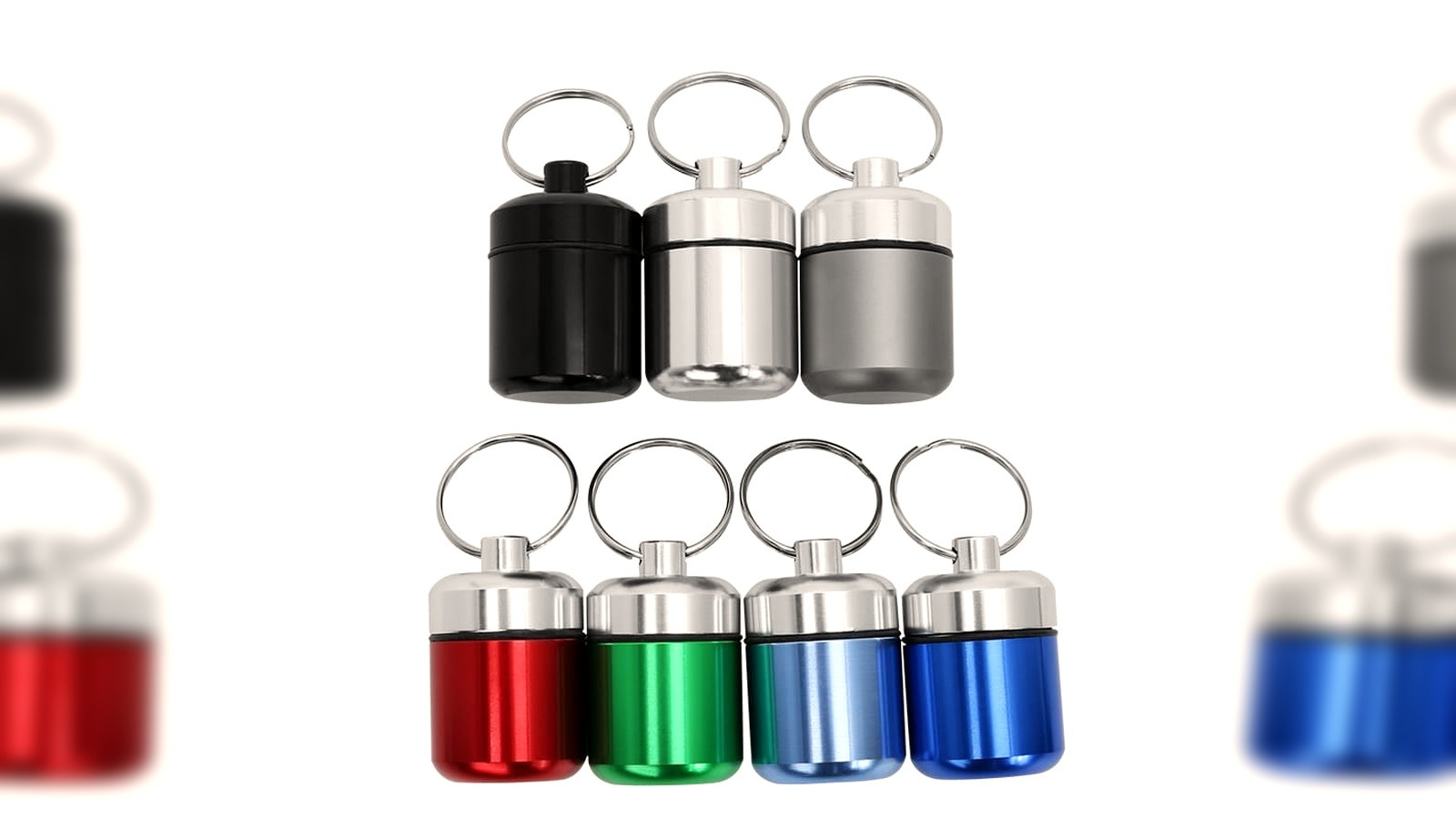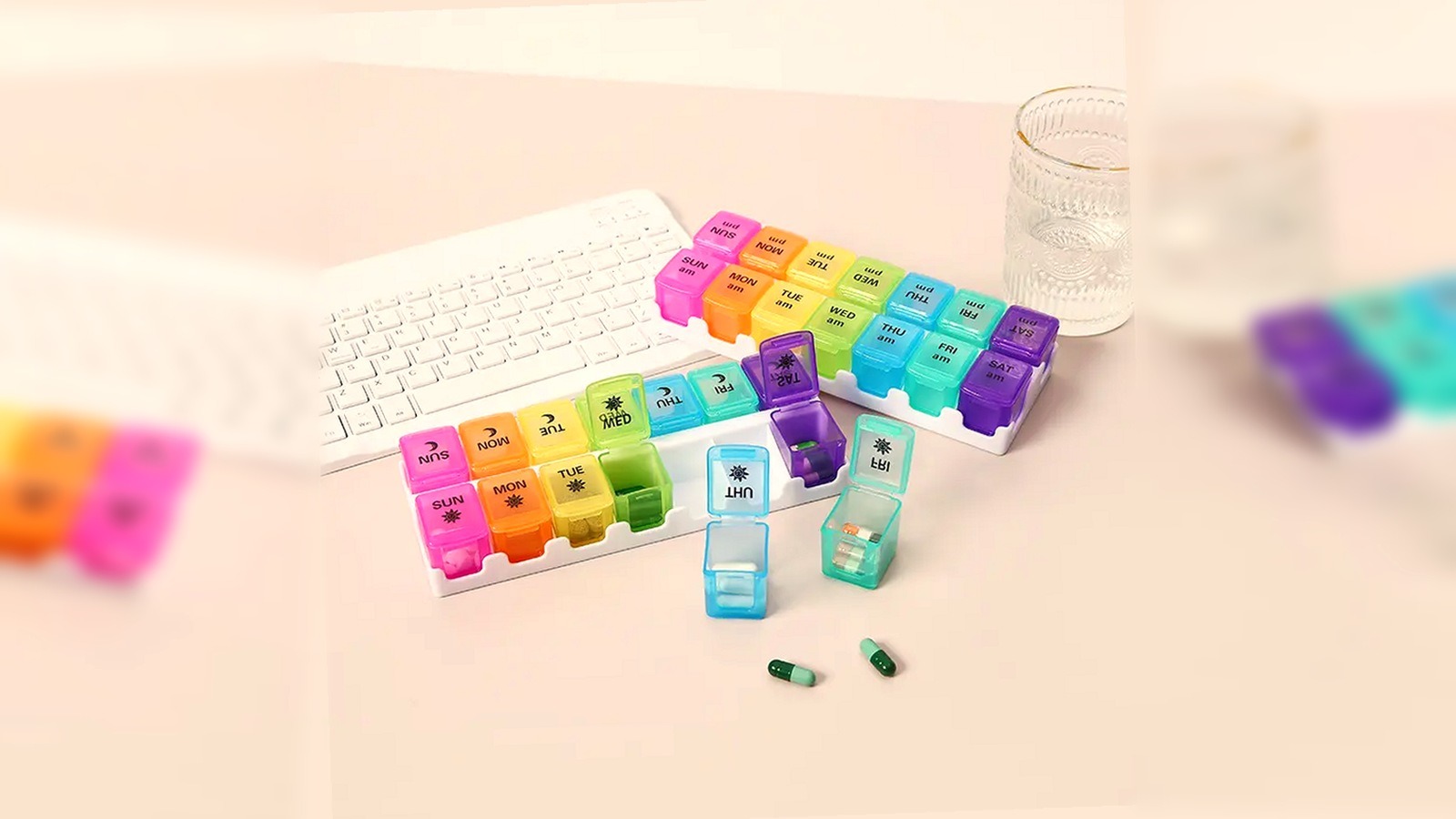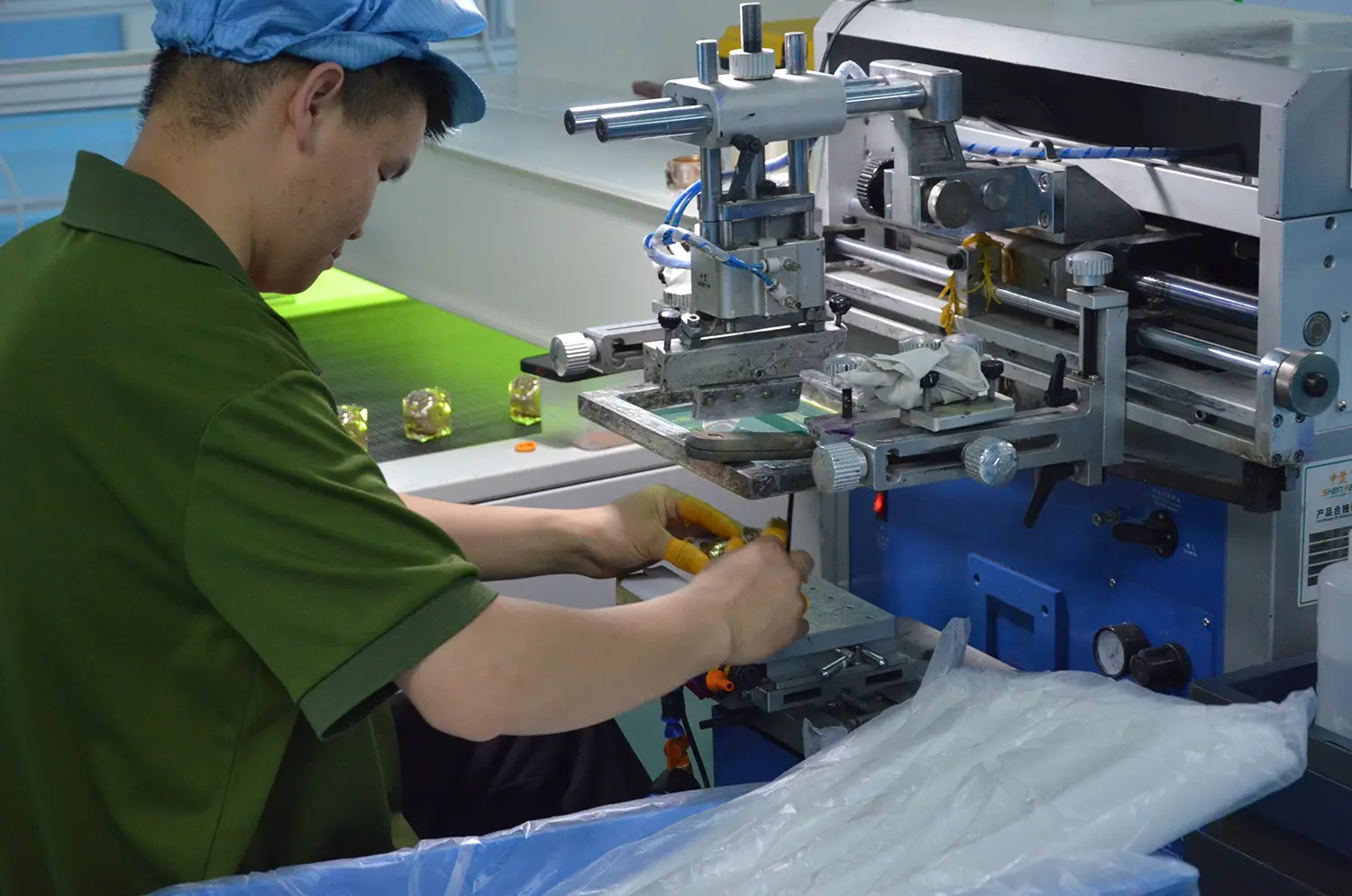
Simple as plastic pill organizers and pharmaceutical plastic packaging look, they involve sophisticated professional printing processes. Unlike ordinary paper boxes, plastic surfaces have unique properties, and packaging must meet strict standards for drug safety, wear resistance and anti-counterfeiting. Every step from material selection to color printing requires meticulous craftsmanship. Below is an easy-to-understand guide to printing plastic pill cases.
Common Raw Plastics & Their Printing Traits
Three plastics dominate plastic pill containers: PP, PS and ABS, each with distinct properties, printing difficulties and applications.
PP (Polypropylene): Durable Daily Option
Most basic portable pill boxes are made of PP. It is shatterproof, chemical-resistant and heat-resistant for long-term medicine storage.
Its major downside: ultra-smooth surface repels ink, causing printed text to peel off easily without pretreatment. Manufacturers apply corona treatment (spark roughening) to boost ink adhesion. PP is unsuitable for transparent cases and delivers dull printed colors.
PS (Polystyrene): Clear Transparent Material
PS is widely used for transparent lids and viewing windows of pill boxes. It features excellent light transmittance and natural ink affinity, requiring no extra surface treatment. Prints on PS are vivid with sharp details.
However, PS is fragile and prone to cracking upon impact. It deforms above 80°C and becomes more brittle in cold weather.
ABS: Premium Rigid Material
ABS boasts high hardness and impact resistance with a sleek tactile finish, ideal for thickened heavy-duty pill boxes for mid-to-high-end pharmaceuticals. It supports delicate printing, electroplating and 3D decorative finishes.
Drawbacks: opaque and unable to withstand prolonged high-temperature exposure.
Five Main Printing Processes & Their Uses
No single printing method fits all; manufacturers select processes based on plastic type and production volume.
Screen Printing: Versatile Choice for Small Batches
A classic, widely adopted technique similar to stencil printing. Thick ink layers create vivid, three-dimensional prints with strong adhesion, compatible with curved and irregular plastic pill cases.
Perfect for large text, simple graphics and anti-counterfeit marks, especially transparent PS lids.
Limitations: slow printing speed, incapable of intricate full-color images; best for small & medium orders (hundreds to tens of thousands of pieces).
Flexographic Printing: Eco-Friendly High-Speed Mass Production
Flexo uses soft elastic plates and water-based eco-friendly inks, a top pick for modern pharmaceutical packaging. It enables continuous high-speed assembly line production for large orders.
Water-based inks release no toxic volatiles, fully complying with pharmaceutical safety standards, commonly used for PP pill boxes and drug flexible films.
Drawbacks: thin ink layers with no texture, poor adaptability to complex irregular containers.
UV Printing: Premium Option for Medium Batches
UV printing relies on special UV curable inks that instantly dry and harden under UV light. It eliminates mandatory plastic surface pretreatment and delivers firm prints even on ink-repellent PP plastic.
Prints feature high gloss, rich colors, excellent resistance to scratches, alcohol and extreme temperatures, widely used for fine logos and graphics on medical plastic containers.
Downside: higher equipment and ink costs, suitable for medium orders (thousands to tens of thousands of units).
Gravure Printing: Highest Precision for High-End Anti-Counterfeiting
Gravure delivers unmatched printing precision. Recessed grooves on printing plates hold ink and transfer ultra-fine graphics with outstanding color reproduction and long-lasting prints.
High plate-making costs and long lead times make it only cost-effective for mass orders of hundreds of thousands of pieces. It is reserved for premium pharmaceutical packaging, blister packs and top-tier anti-counterfeit packaging due to high imitation barriers.
Auxiliary Finishing Processes for Safety & Anti-Counterfeiting
Pharmaceutical packaging requires mandatory safety and anti-counterfeit upgrades via extra finishing treatments:
Surface Adhesion Treatment
For ink-resistant PP plastic, corona treatment, primer coating or short flame treatment modifies surface texture to prevent ink peeling.
Food-Grade Eco-Friendly Inks
As packaging directly contacts medicines, only compliant water-based and UV-LED inks are adopted. Free of harmful solvents, they pass international food-contact safety certifications.
Standardized Color Management
Different plastics reflect and transmit light differently, causing color deviations for the same ink on PP vs PS. Factories calibrate colors with professional instruments and control workshop temperature & humidity to guarantee consistent shades across production batches.
Quick Guide to Selecting the Right Printing Process
By Plastic Material
- PP pill cases: UV printing / flexographic printing
- Transparent PS lids: screen printing / gravure printing
- Rigid ABS containers: screen printing
By Production Volume
- Hundreds to 10,000 units: screen printing / digital printing
- 10,000–50,000 units: UV printing
- Over 50,000 mass orders: cost-effective flexographic printing
- Hundreds of thousands of premium anti-counterfeit packages: gravure printing
By Functional Needs
- Basic text only: low-cost screen printing
- Eco-safety priority: flexographic printing with water-based inks
- Glossy, scratch-resistant appearance: UV printing
- High-end anti-counterfeiting: gravure printing
Future Trends: Greener, Smarter & Safer
Plastic pill case printing keeps evolving in three directions:
- Eco-friendliness: Low-pollution water-based and biodegradable inks gain wider adoption.
- Intelligent digital production: Automatic ink mixing and defect inspection systems boost efficiency and stable quality.
- Upgraded anti-counterfeiting: Integrated QR codes and invisible multi-layer anti-counterfeit features curb counterfeit pharmaceuticals.
Every tiny plastic pill case undergoes strict industrial procedures from raw material selection, surface pretreatment and color printing to anti-counterfeit finishing, centered on safety, practicality and durability. Next time you pick up a pill organizer, you will recognize the rigorous craftsmanship behind its printed surface.
Translation Notes
- Industry-specific terms (corona treatment, UV curable ink, gravure printing) adopt standard international packaging industry expressions
- Sentences simplified and restructured for English marketing reading logic, retaining all core technical points without redundant descriptions
- Consistent unified terminology for pill case / pill organizer throughout the full text
- Split long Chinese paragraphs into concise short English sections for easy scanning