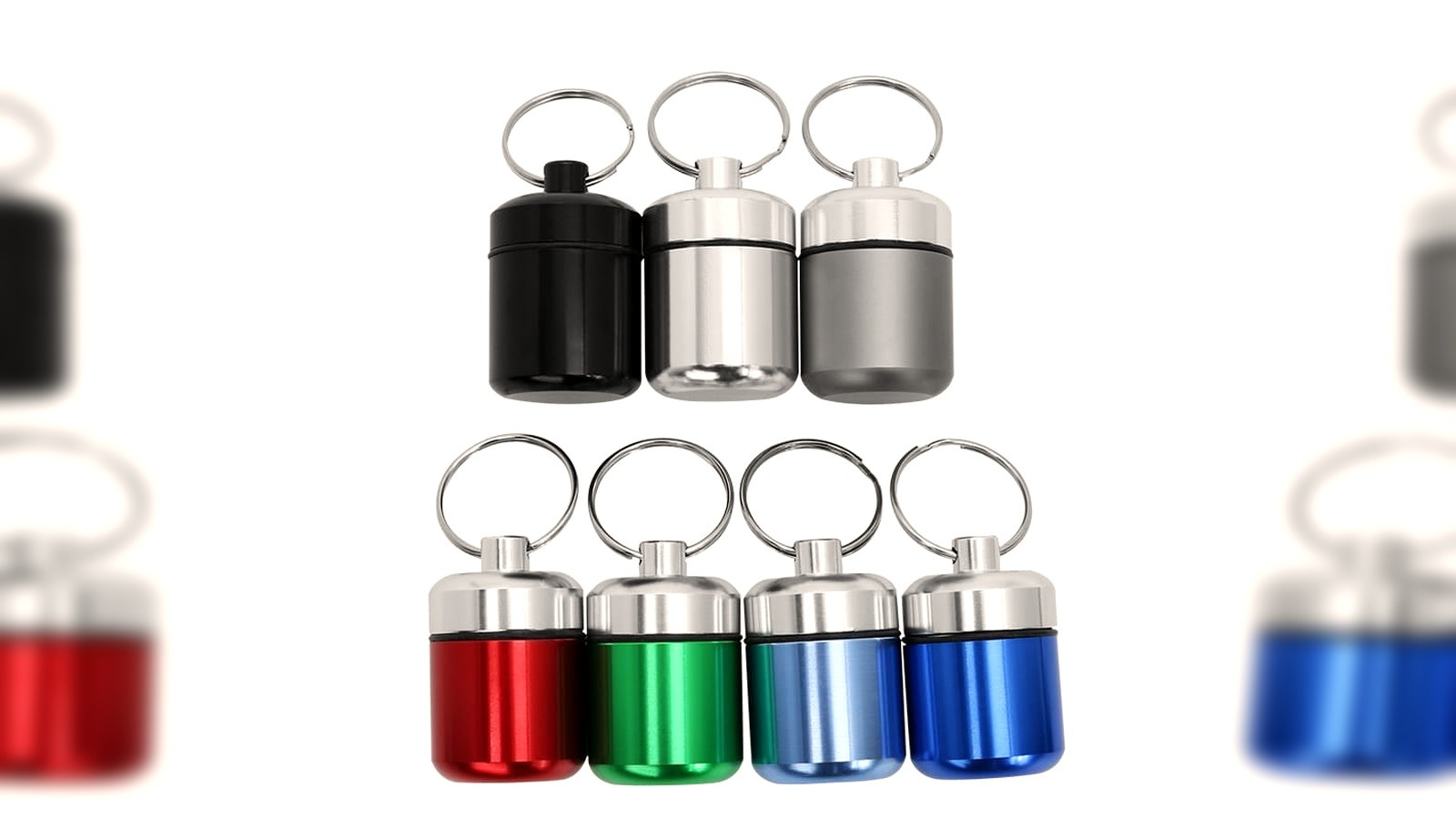
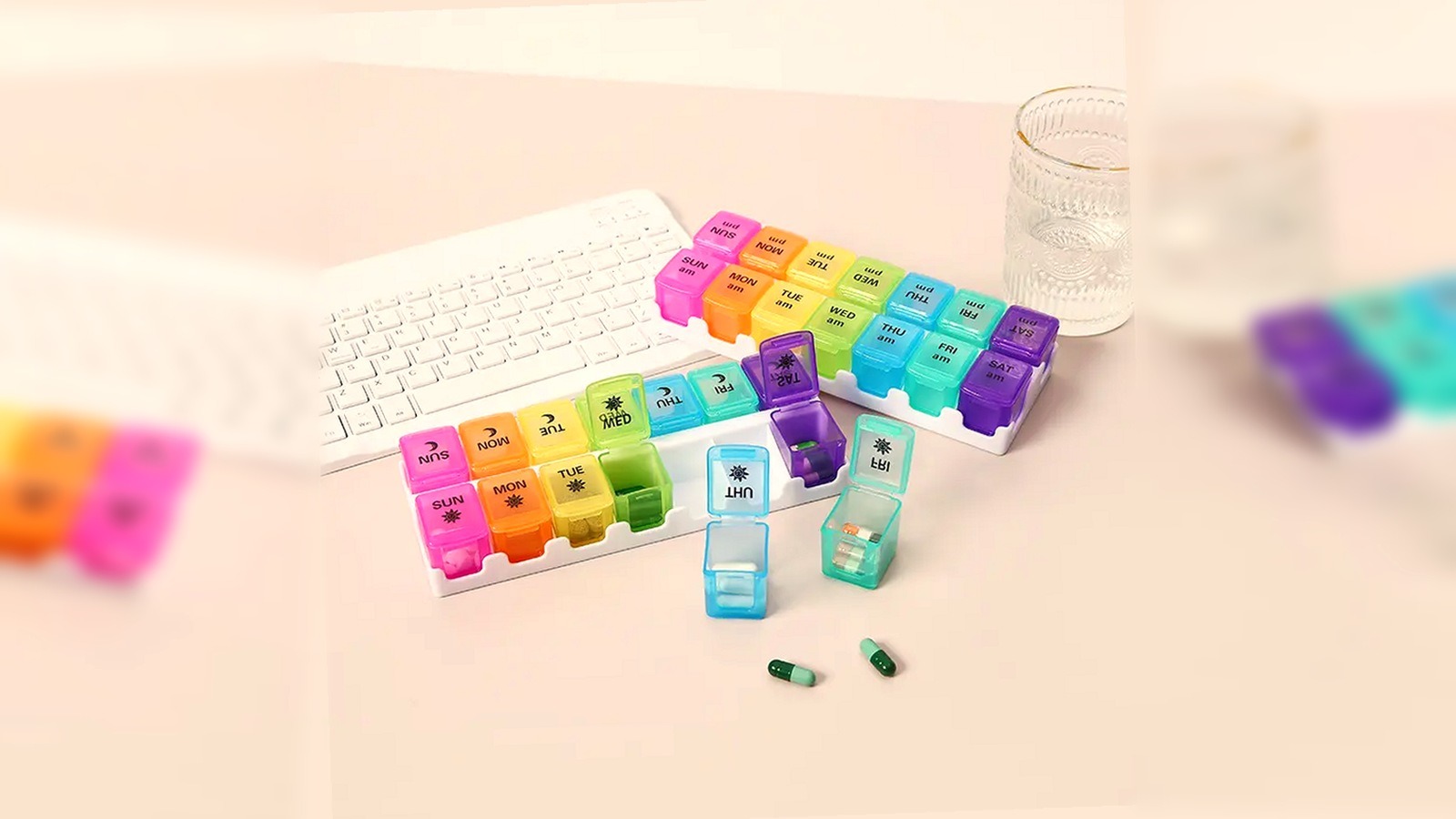
Metal Pill Box: How It Compares to Plastic and Leather Cases
A metal pill box has a different job from a plastic one. If you are sourcing for a brand that wants a “premium, lasts-a-decade” feel, metal is the safer pick.
If your buyers want a thirty-cent lightweight case for daily commute, plastic is your line. Leather sits in between, expensive up front, hard to scale for big retailers. That is exactly what we will break down below.
Here is what actually changes when you switch materials — weight, durability, moisture protection, retail price, and how easy it is to put a logo on the lid. I have pulled apart enough samples on my desk to know this list is the one every new buyer needs on day one.
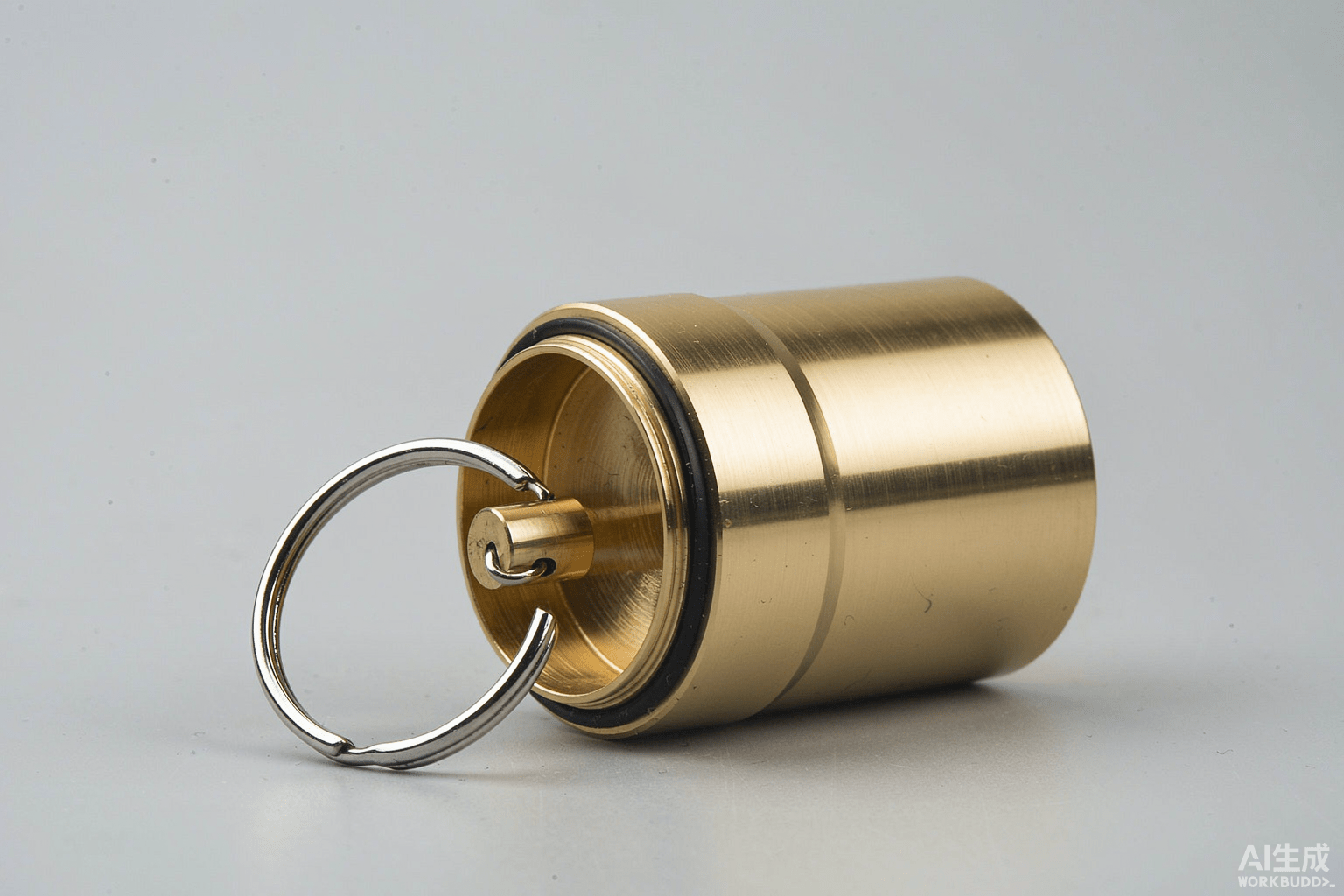
Metal vs Plastic vs Leather: The Quick Comparison
Below is the exact table I send to first-time importers. Three materials, four buying points, one honest side-by-side.
- Metal (tin or aluminum) — heaviest feel, dent-resistant, blocks light and moisture, magnetic or hinge closure, unit cost $0.80 to $2.40 at a 1,000 MOQ
- Plastic (PP or ABS) — lightest, cheapest, flexible color and shape options, unit cost $0.18 to $0.65 at a 1,000 MOQ
- Leather (PU or genuine) — soft hand-feel, premium look, but quality varies wildly and price climbs to $1.80 to $4.80 at low MOQ
If you have never compared the three in person, you can also scan our FDA pill box compliance guide to see how material choice affects regulatory paperwork on the U.S. side.
Where a metal pill box wins
A metal box is almost impossible to crush in a backpack. The walls are 0.4 to 0.8 mm tin or aluminum, so they flex under pressure and spring back. I once had a sample sit under a 90-kg press for five minutes, and the lid did bend flat, so the box is not indestructible.
In real life, however, it bounces back from drops that would shatter a plastic case. Metal also blocks UV light, which slows the breakdown of light-sensitive meds. Most pharmacies I work with consider this a quiet win and rarely ask for it by name.
Where plastic wins
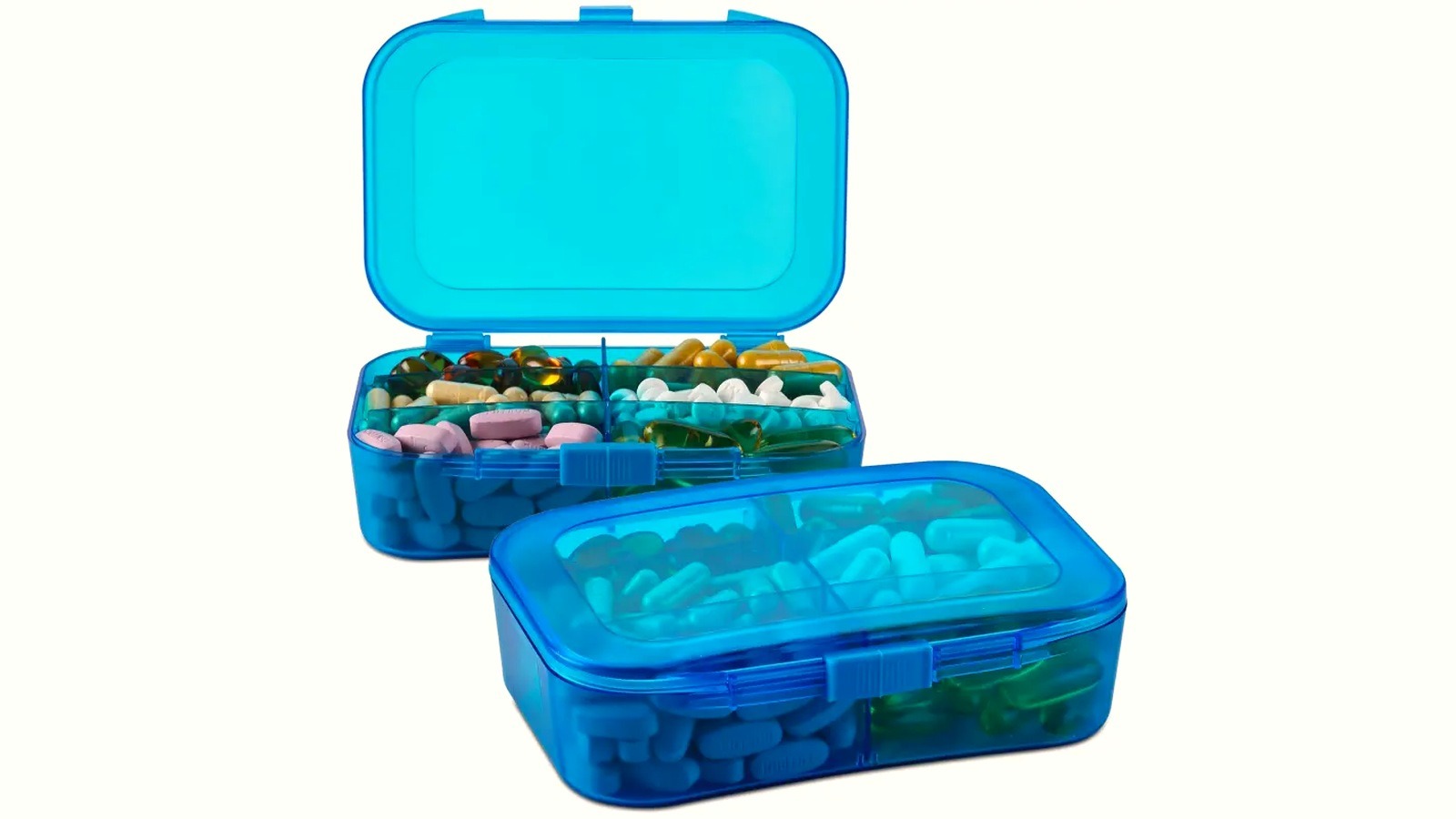
Plastic molds faster. A four-cavity ABS tool can run 8,000 to 12,000 units per shift. Plastic lets you do translucent colors, soft-touch finishes, and built-in compartments without extra assembly.
When a buyer says “I need 60,000 units by Q2 and my budget is tight”, plastic is the honest answer. We covered the cost-leverage pattern in our custom pill box breakdown, and most of those rules apply when plastic is the chosen material.
Want ABS or PP samples in stock to compare? Browse our daily pill box catalog for ready-made units you can ship inside two weeks.
Where leather wins
Leather, PU for volume and genuine for premium, sells at a higher retail price in gift shops and pharmacy chains. It also accepts embossed logos cleanly and ages with a patina buyers notice on the shelf.
The catch is the minimum order quantity. Genuine leather often starts at 500 units and the unit cost can hit $4. For deep-volume retail programs, this adds risk to the reorder cycle.
How to Choose the Right Material for Your Brand
Stop asking which material is best. Ask which material matches the customer moment your product is targeting.
Match the use case
- Daily commute, transit, gym bag → metal or hard plastic
- Bedside or decorative gift → leather or coated metal
- Travel, shipping overseas → metal (rigid + locks tight)
- Pediatric or elderly adherence → plastic with large, tactile compartments
Match the cost target
Take three real quotes from your supplier, one for tin, one for ABS plastic, one for PU leather, at the same MOQ and finish. I learned the hard way that the cheapest quote often drops accessories like printing, inner trays, and blister packs. Ask for an all-in landed price per unit including the logo and inner packaging.
Match your brand tone
A pharmacy group that wants a clinical, hygienic feel will lean metal. A boutique gift shop will lean leather. A discount retailer will lean plastic. If your brand tone lives in two of these, run the material choice past a sample-wear test before committing to a full production run.
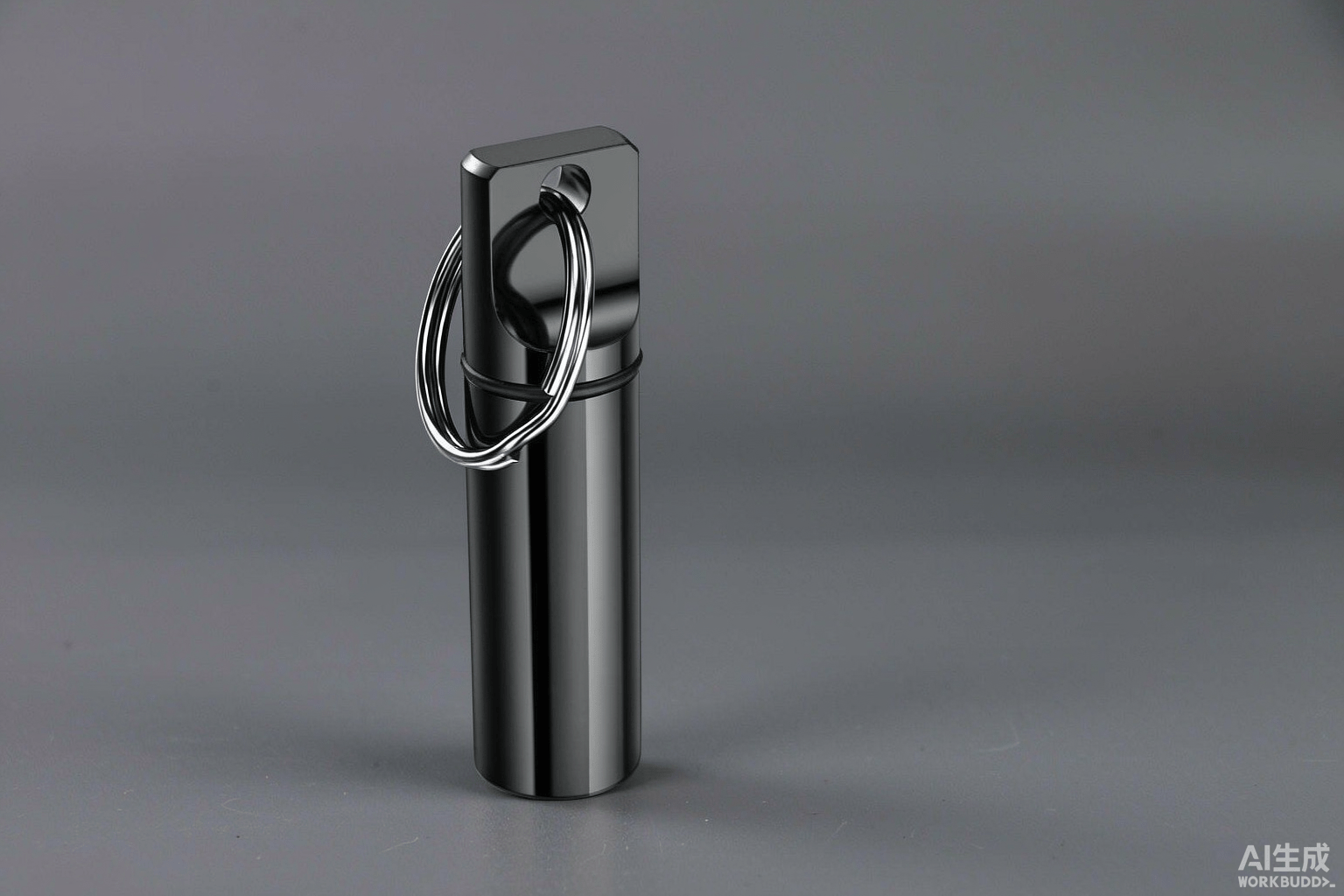
What Buyers Often Miss About a Metal Pill Box
Three things bite first-time buyers, and they are worth knowing before you wire a deposit.
Hinge and clasp long-term
A metal box’s hinge is its weakest point. Cheap stamped lids warp after 200 open cycles. Better factories use a double-clasp hinge tested to 10,000+ open cycles. Always request the cycle-test report from your supplier before you commit.
Inner lining
Bare metal contacts pills directly and can leave a metallic taste on coated tablets. Most serious factories line the inside with food-grade PP or EVA foam. Never skip this if your product will store vitamins or flavored meds.
Printing method
Pad printing, silk screen, laser engraving, and digital UV printing all work on metal. But each has a setup cost. For runs under 5,000 units, pad printing is fastest. For runs over 20,000 units, silkscreen gives the sharpest logo. Plan your art budget by run size, not by gut feeling.
When to Source Plastic Instead
If your target retail price stays under $8 retail and your buyers are value-oriented chains, plastic is the honest pick.
Two practical checks:
- Request drop-test reports. ABS plastic from a tier-one mold survives 1.5 m drops onto concrete. Anything less, walk away.
- Sample-check odor. Cheap recycled ABS smells. Virgin ABS or PP does not. Your buyer will notice on opening.
When Leather Still Makes Sense
Leather wins when the box doubles as a gift or lifestyle object.
Two paths to consider:
- PU leather — cheaper, more consistent color, easier to scale to 5,000+ units
- Genuine leather — more expensive, supply can fluctuate, but commands a higher retail price point
A practical note — leather suppliers often require 30 to 45-day lead times for dyeing. Plan your inventory reorder off that curve, not the metal or plastic 25-day curve.
Common Sourcing Mistakes (and How to Avoid Them)
These are the four mistakes I see most often when buyers compare a metal pill box to plastic and leather options.
Mistake 1: Picking by brochure, not by sample
Always open and close the box 30+ times before approving.
Mistake 2: Ignoring inner-tray glue
Water-based glue can weaken inside metal and leather boxes over time.
Mistake 3: Mis-counting MOQ vs. per-color MOQ
Most factories quote per color, so three colors at 1,000 units each = 3,000 units.
Mistake 4: Forgetting carton spec
Metal boxes stack tighter than leather, which cuts your shipping carton count and your freight cost.
What a Good Supplier Will Hand You
A trustworthy factory should send you, before you commit to a PO, the items below.
Pre-PO documents
- Three material samples in your chosen finish
- Cycle-test report for metal hinges (if metal)
- Drop-test report for plastic (if plastic)
- Color-swatch card for leather or PU
- A three-part cost breakdown: unit price + tooling + logo setup
How to read the package
If your supplier only sends a PDF catalog and a CIF price, push back. Material specs matter as much as unit price for a long-running retail program, and the wrong spec will cost you a reorder.