The U.S. Food and Drug Administration (FDA), an agency under the Department of Health and Human Services (HHS), is a globally authoritative body for consumer product safety regulation. However, it is crucial to note that the FDA never issues any so-called “FDA Certification Certificates.”
The “FDA certificates” displayed by suppliers on the market are 99% misleading or forged. They are typically just “acknowledgment receipts” from self-registration, third-party test reports, or outright fake printed certificates. To help you accurately assess a supplier’s compliance, we recommend taking the following verification steps:
Clarify the FDA Regulatory Status of Medicine Boxes
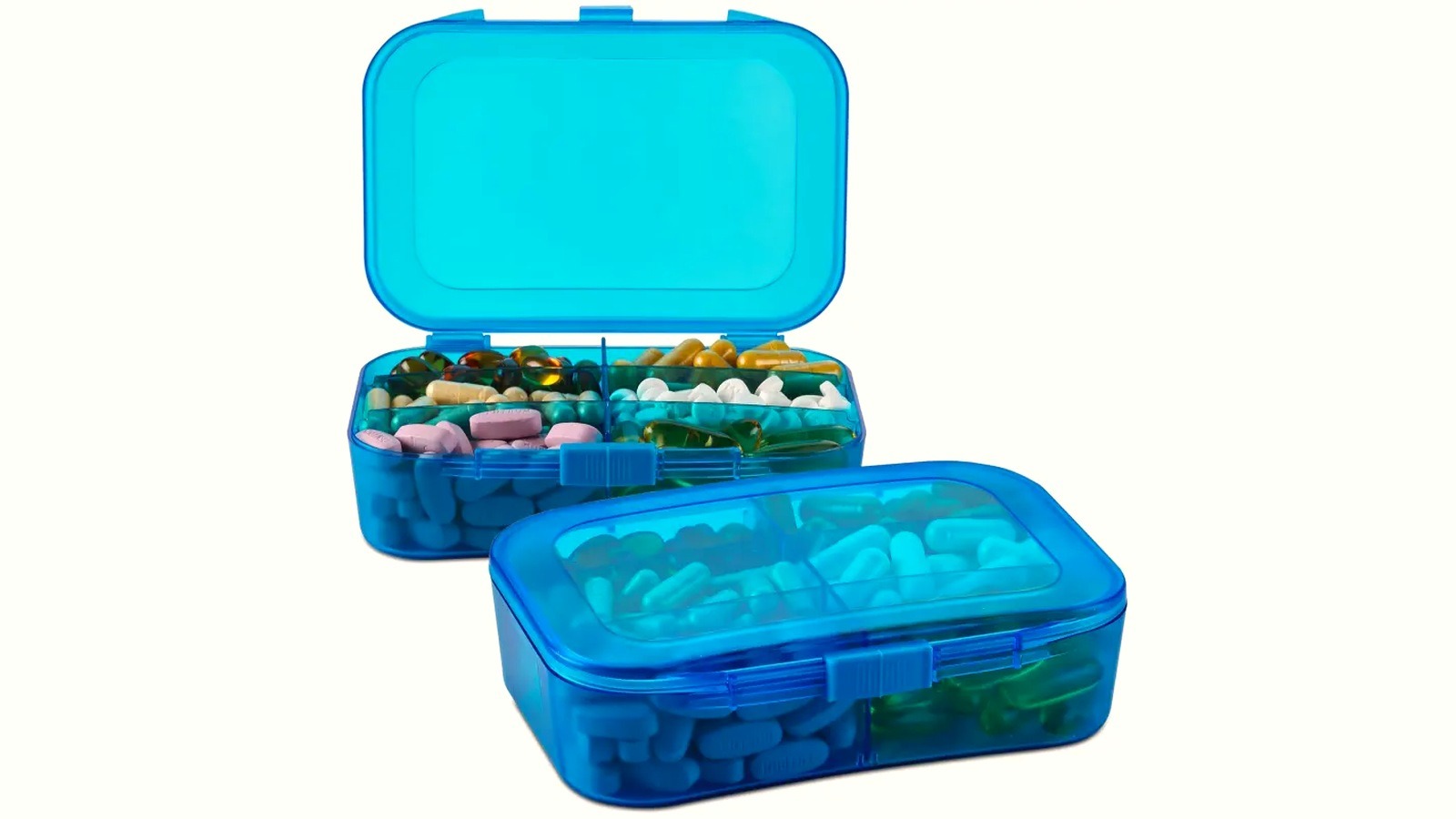
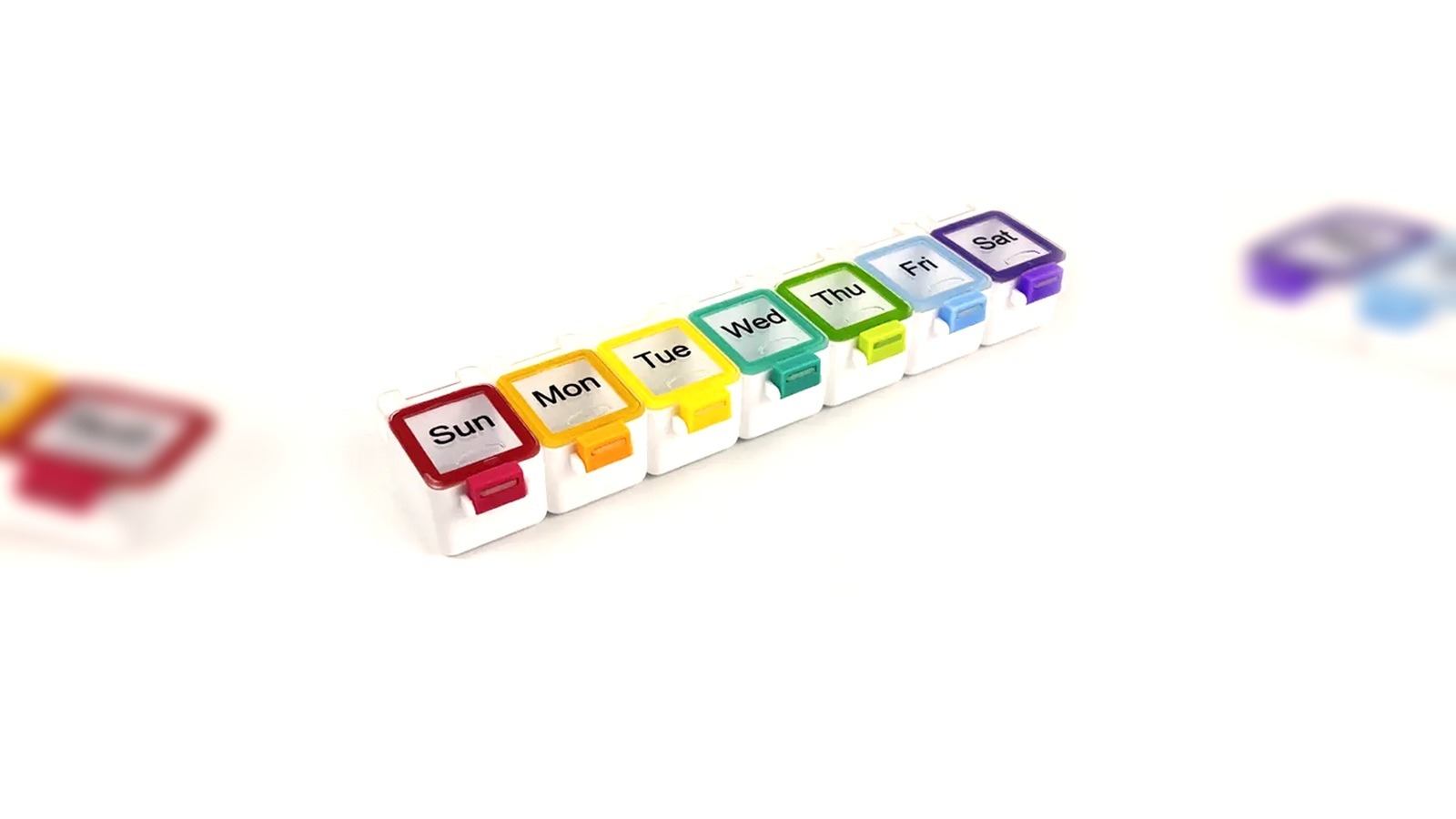
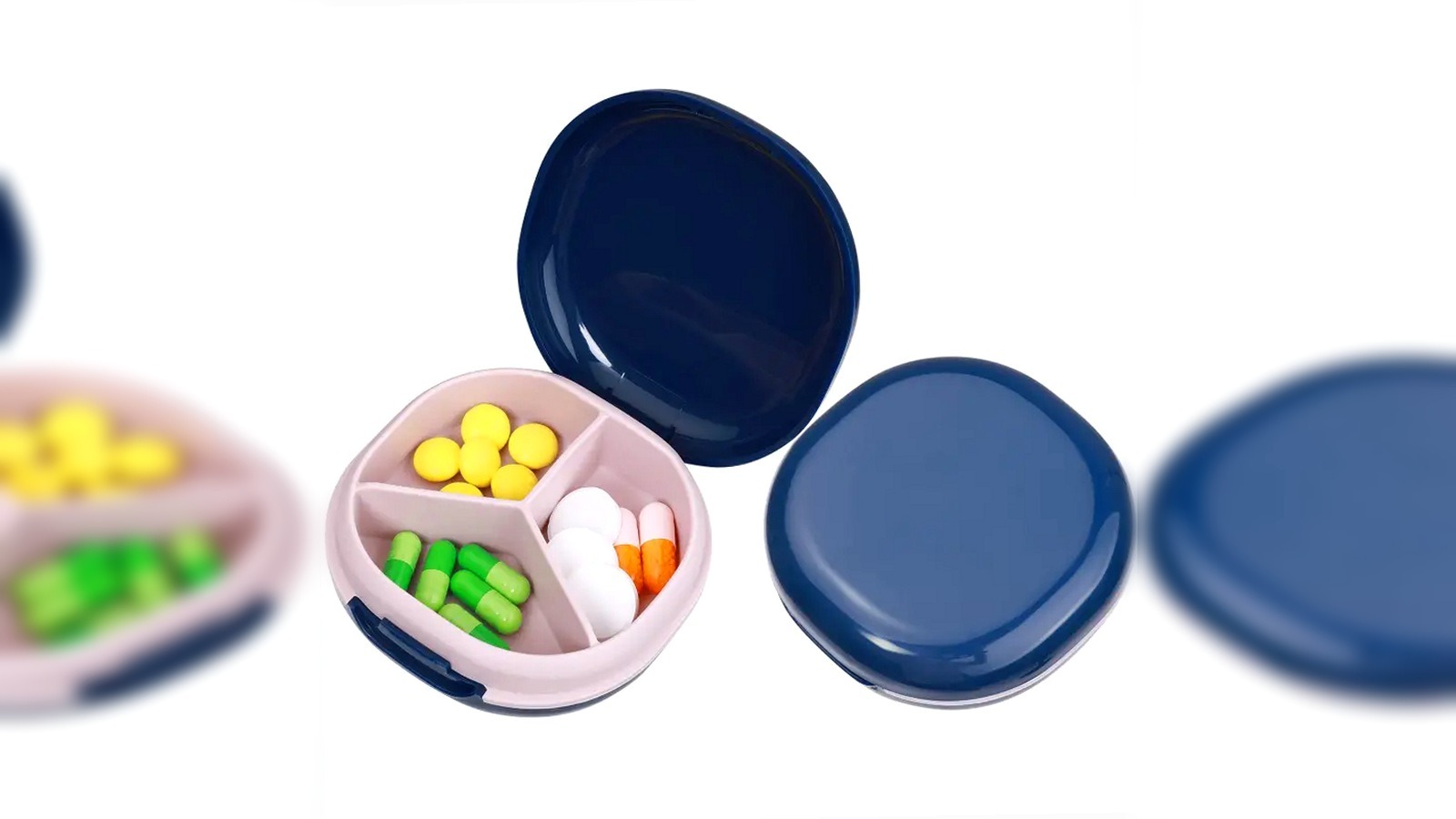
Medicine boxes generally fall under the categories of medical devices or radiation-emitting electronic products (e.g., security medicine boxes with X-ray scanning capabilities). The FDA regulates these products in several ways, and you must confirm with your supplier which category applies:
- FDA Registration: Most ordinary medicine boxes or low-risk medical devices (Class I devices) only require facility and product registration and listing. This is merely a “notification and filing” process. The FDA simply enters the data into its database; it does not constitute an approval of product quality.
- FDA 510(k) Clearance: If the medicine box is classified as a moderate-to-low risk medical device (Class II), the supplier must demonstrate that their product is “substantially equivalent” to a legally marketed device and obtain FDA premarket clearance.
- FDA PMA Approval: Only a very small number of high-risk medical devices (Class III) require the submission of comprehensive scientific data to undergo strict FDA approval.
Request Core Information from Suppliers
Do not accept fancy paper certificates. Instead, directly request the following official, traceable information from the supplier:
- FDA Registration Number
- 510(k) Number (if applicable)
- The company’s exact English name and physical address
Verify Through the Official FDA Database
Once you have obtained the above information, you must personally verify it on the official FDA website (http://www.fda.gov):
- Check Facility Registration Status: Visit the FDA’s medical device registration database (or the current registration site for drug manufacturers). Enter the supplier’s company name or registration number to confirm their status is “Active.”
- Cross-Check Product Codes: If the supplier claims to hold 510(k) clearance, go to the dedicated 510(k) Premarket Notification database and verify that the product code matches.
- Verify Special Products: If the product involves radiation-emitting devices, you can send an official inquiry via email to the designated FDA contact, attaching the product name, model, and manufacturer details for verification.
Beware of False Advertising and Compliance Risks
- Reject the “FDA Tested” Narrative: The FDA rarely conducts independent testing on products prior to market release. If a supplier claims their “product was tested by the FDA and issued a certificate,” this is outright false advertising.
- Check Labeling Compliance: Even if a product is properly registered, it can still be penalized by the FDA if the labeling contains false claims (e.g., an ordinary medicine box falsely claiming therapeutic effects). Compliance relies not just on a registration number, but also on whether the labeling accurately reflects the product.
Summary and Recommendations
True compliance does not rely on a piece of paper “certificate,” but on whether the product is genuinely traceable in the FDA database. Always require suppliers to provide their registration number and personally verify it on the FDA’s official website.
If a supplier cannot provide information that is verifiable in the official database, or attempts to pass off third-party “certificates” as legitimate, we strongly advise you to change suppliers immediately. Failing to do so could expose you to severe risks during customs clearance or market spot checks, including product rejection, fines, or even being blacklisted.