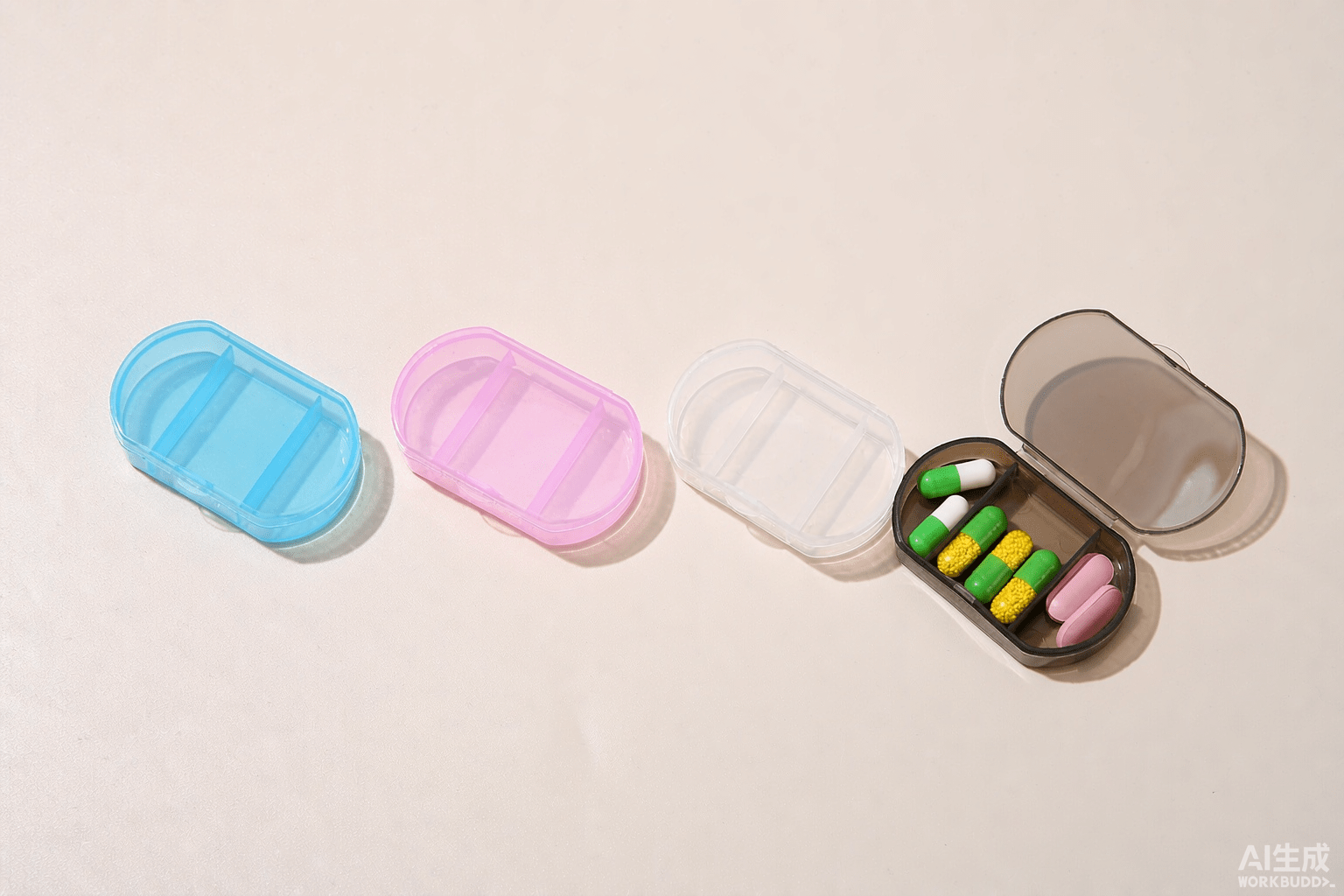
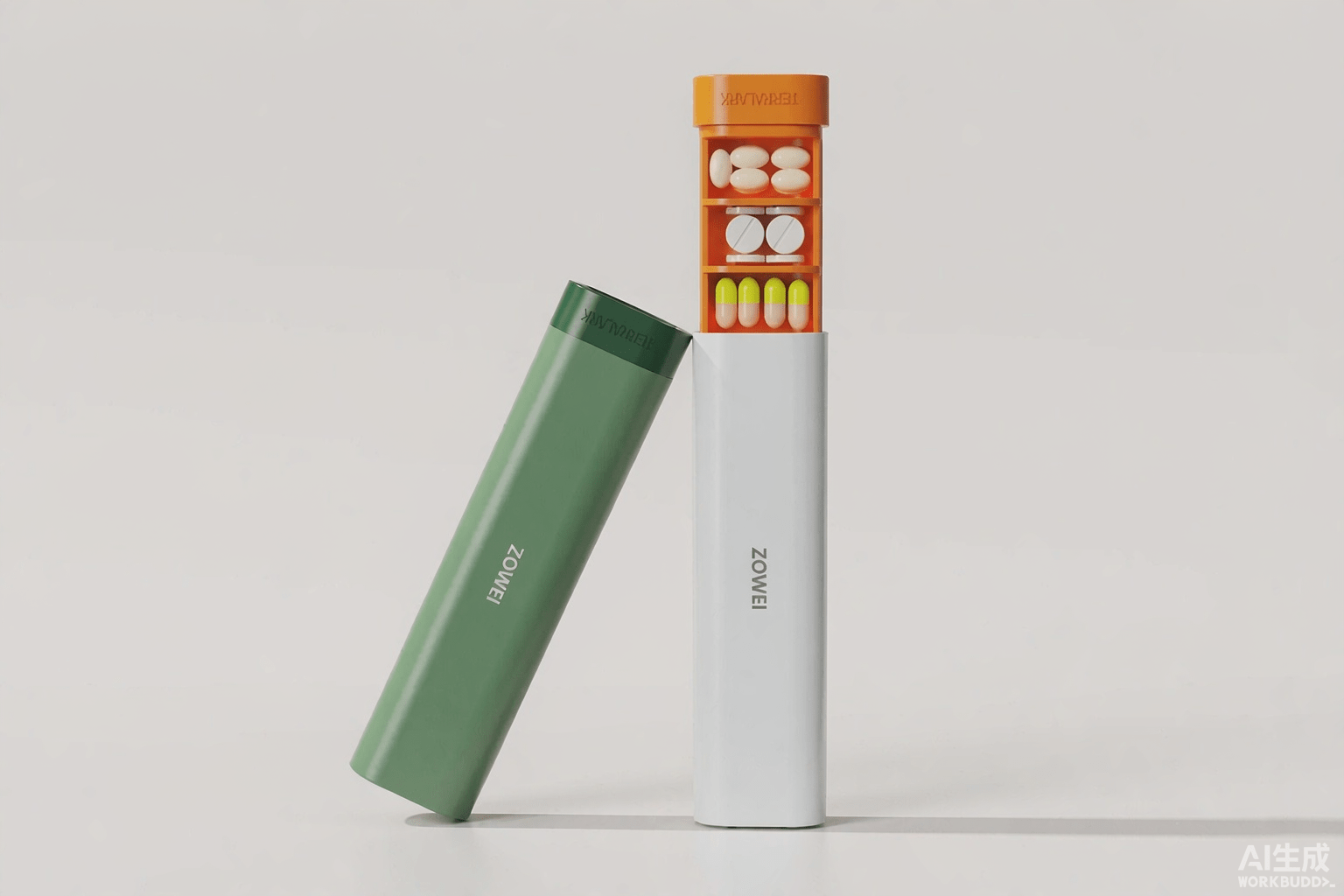
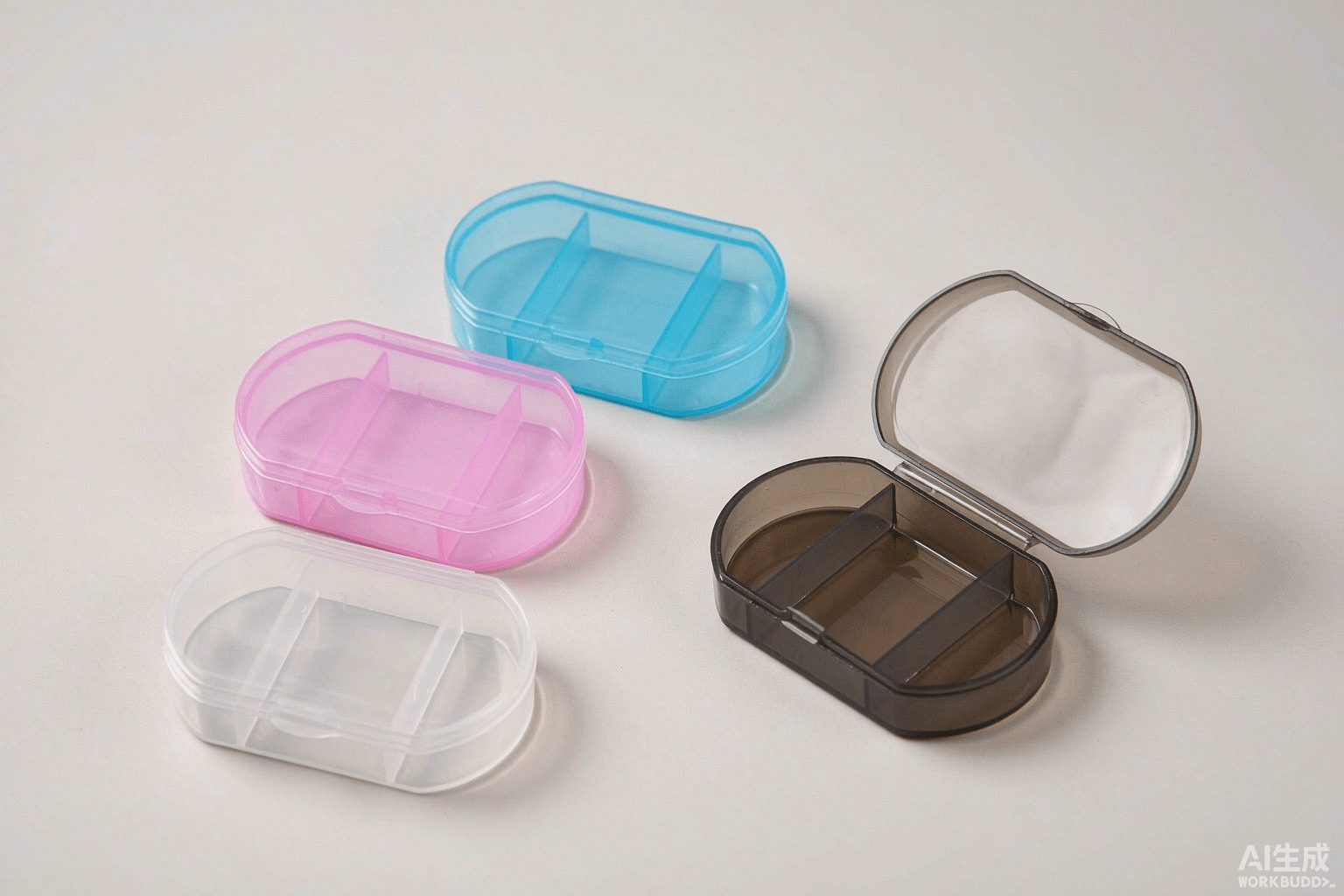
Eco-Friendly Pill Box: Which Material Actually Holds Up?
The short answer: an eco-friendly pill box is almost always recycled PP, rPET, or a plant-filled composite — and recycled PP is the one I would hand a pharmacy buyer first. It survives a 1.2 m drop and passes LFGB without a fight. Plant-based versions sell better in a pitch deck and fail faster in a hot car.
How I Judge an Eco-Friendly Pill Box Material
I start with one question. What happens at 60 °C? A pill box lives in a handbag, a glove box, a bathroom cabinet. Heat is where green materials separate from each other.
Then I look for recycled content as a number, not a word. “Made with recycled material” can legally mean 8%. I want the percentage, the resin grade, and the name of the pellet supplier.
And I want the certificate before the sample. A sustainability claim with no traceability document is a marketing line, not a specification.
Why an Eco-Friendly Pill Box Costs More Per Unit
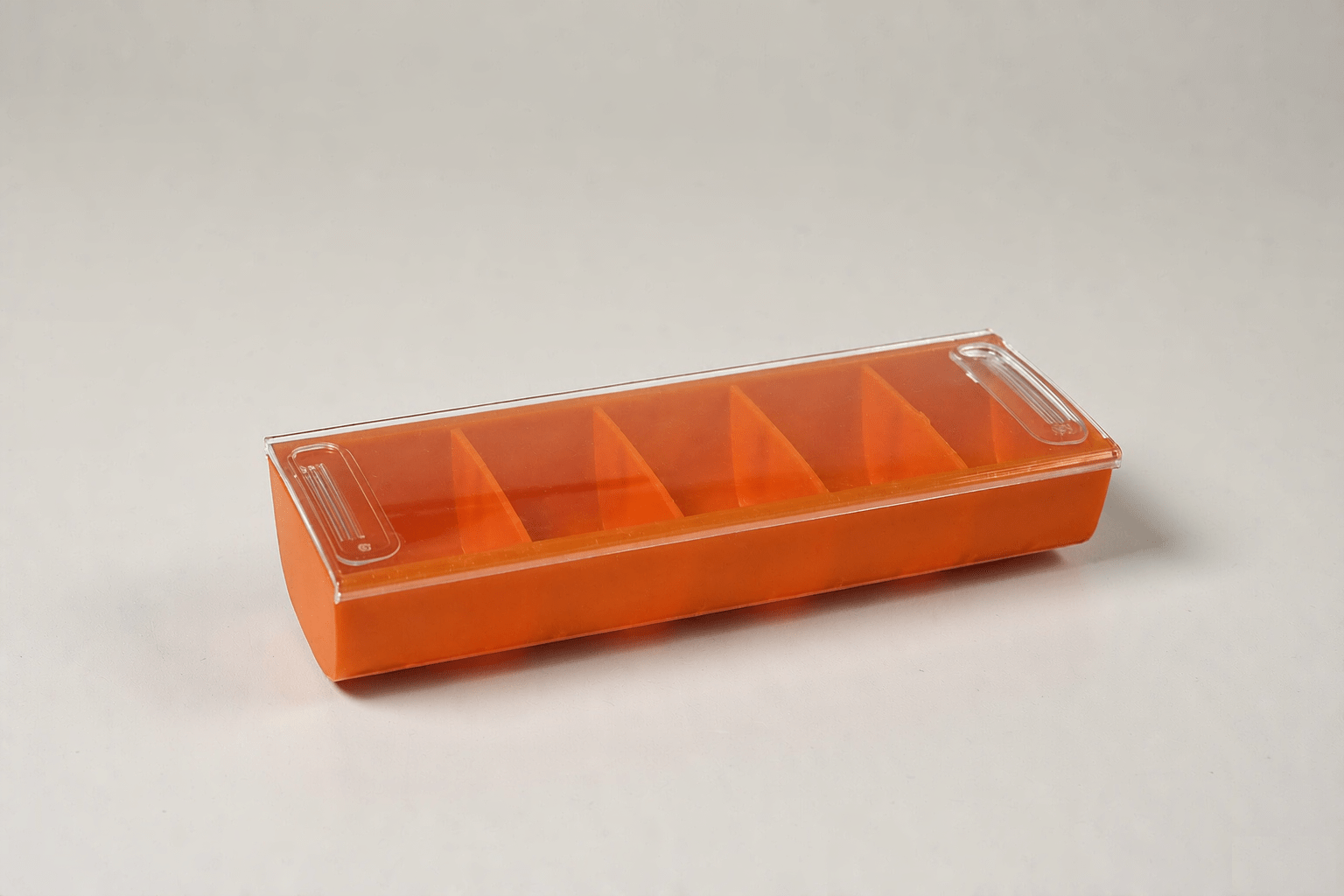
Recycled resin costs more than virgin. In quotes I reviewed last quarter, PCR-PP ran $0.18–$0.42 above virgin PP per unit on a 4-compartment box, and colour drove most of that spread.
Dark colours hide regrind speckle. Natural and translucent colours force you to buy cleaner, more expensive feedstock. Same mold, different invoice.
Tooling is the real surprise. Recycled PP shrinks slightly differently, so a mold cut for virgin resin can need a gate tweak. Budget $1,500–$4,000 for that, not $15,000 for a new tool.
The Five Materials Buyers Actually Ask About
Recycled PET (rPET)
Clear, cheap to print on, available in food-grade grades. It also scratches. For a pill box that rattles around a purse, that matters more than the data sheet suggests.
Best fit: display-driven retail boxes and blister-adjacent trays.
Post-Consumer Recycled PP
The workhorse. Same living-hinge behaviour as virgin PP, same drop performance, and it swallows 30–100% PCR content without a new lid design.
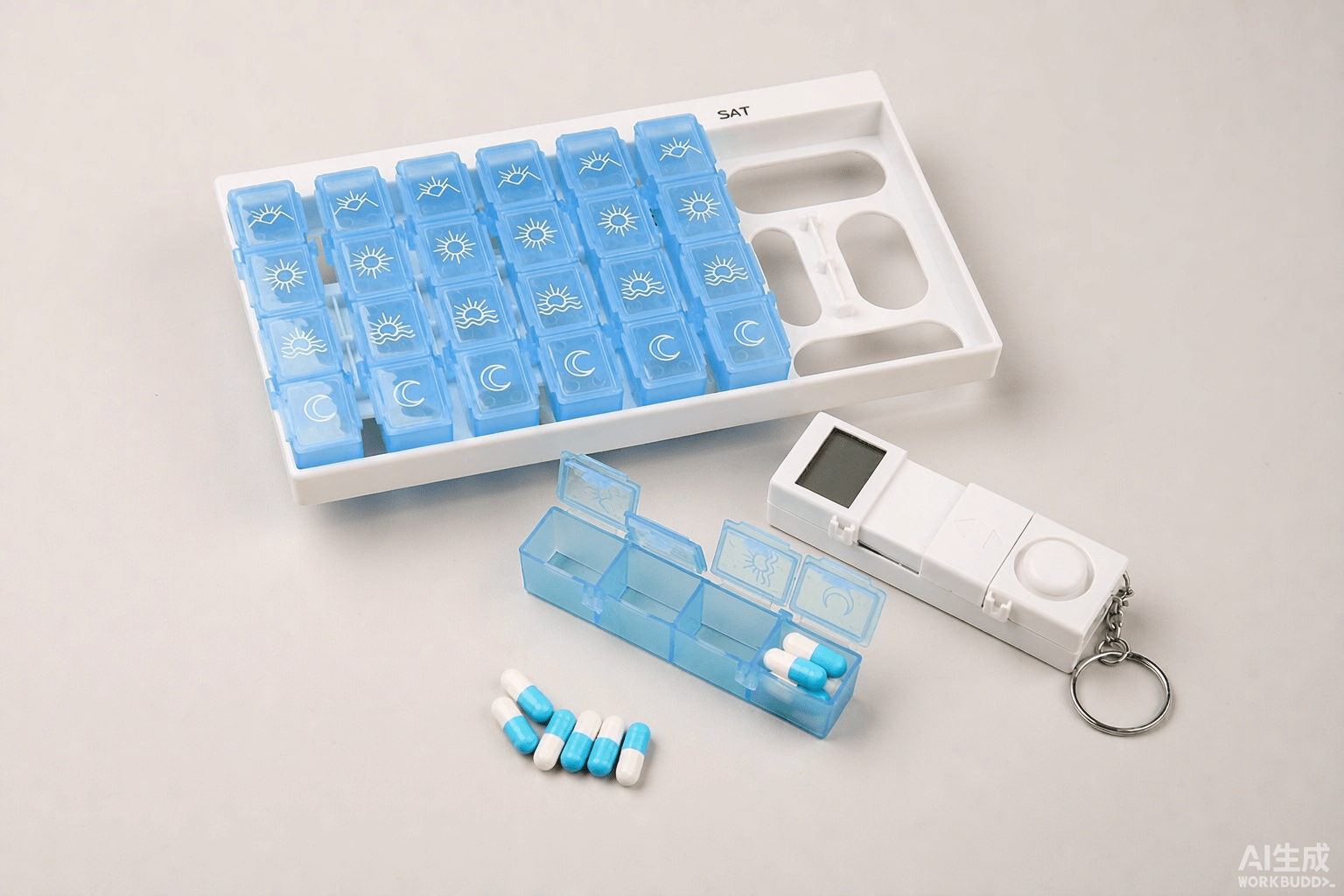
Best fit: 7-day organisers, hinged weekly boxes, anything a customer opens twice a day.
Wheat Straw and PLA Blends
Two very different things, often listed on the same line. Wheat straw is usually 20–50% straw powder blended into PP. So it is bio-based, not compostable.
PLA is genuinely compostable, but only in industrial conditions (EN 13432), and it softens around 55–60 °C. An organiser left on a dashboard will warp.
Bamboo and Bamboo Fibre
Solid bamboo machines well and reads premium in photos. Bamboo fibre composite is again a PP blend, typically 30–50% powder. Check moisture uptake if you store in humid warehouses.
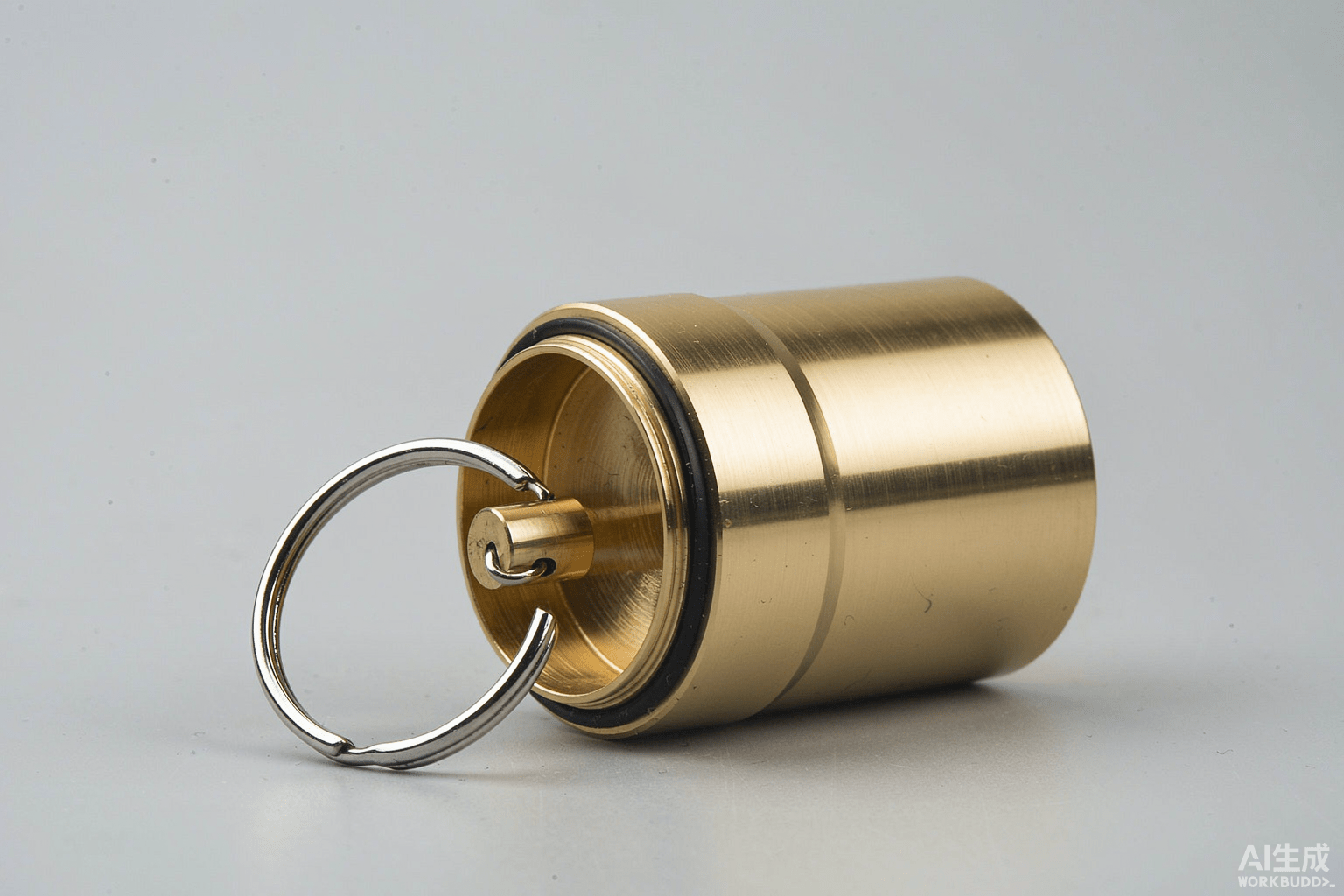
Aluminium and Tin
The strongest recycled-content claim you can make: secondary aluminium is often 90%+ post-consumer. Heavier freight, higher unit price, excellent story for gift and travel sets.
Side-by-Side Numbers
- PCR-PP — 30–100% recycled, 100 °C+, cost index 1.10–1.25×. GRS, LFGB, REACH.
- rPET — 30–100% recycled, 70–80 °C, index 1.05–1.15×. GRS, FDA food contact.
- Wheat straw + PP — 20–50% bio-based, ~90 °C, index 1.05–1.15×. LFGB, REACH.
- PLA — 100% bio-based, 55–60 °C, index 1.3–1.6×. EN 13432.
- Bamboo fibre + PP — 30–50% bio-based, ~90 °C, index 1.15–1.30×. LFGB, FSC packaging.
- Aluminium — 90%+ recycled, 200 °C+, index 2.5–4×. GRS, food contact.
Certificates That Hold Up in an Audit
GRS covers recycled content and chain of custody. Ask for the transaction certificate for your shipment, not the logo. The logo alone proves nothing, and no eco-friendly pill box claim survives a buyer audit without that paper.
LFGB and FDA cover food contact. A pharmacy chain will want both, plus a migration panel run on the finished part.
For compostability, EN 13432 means industrial composting only. Home-compost claims need a separate certificate, and most suppliers do not have one.
The Packaging Half Most Brands Forget
A recycled box inside a virgin plastic blister wastes the claim. Move that blister to moulded pulp or a paperboard insert with a water-based coating. That change costs cents, and it is the fastest win on any eco-friendly pill box project.
Skip lamination. Matt-laminated cartons fall out of most paper recycling streams, and EU buyers now spot it.
Size the carton to the product. I have opened retail cartons with 40% dead air inside. That is freight, resin and credibility leaking at once.
How to Test a Sample in Ten Days
If you want a real answer before paying for tooling, run these five checks. Total lab time is about ten working days.
- Oven soak. 168 hours at 60 °C, then measure hinge memory and lid gap.
- Drop test. 1.2 m onto concrete, six orientations, compartments loaded.
- Print adhesion. Tape pull on the logo, plus a 24-hour alcohol rub.
- Migration. LFGB and FDA panels on the actual colour masterbatch.
- Cycle test. 5,000 open-close cycles on the hinge, counted, not eyeballed.
Pass all five and you own a spec you can attach to a purchase order.
MOQ, Tooling, and Colour Matching
Expect 5,000 pieces MOQ on colours already running, and 10,000–20,000 if you need a fresh masterbatch. Recycled resin makes short colour runs expensive.
Mold cost lands at $8,000–$15,000 for a multi-cavity organiser tool, with 45–60 days of lead time. In-mould or pad printing adds its own tooling.
Get a colour chip moulded in the recycled resin before you approve artwork. Bio-filled grades shift tone slightly against virgin PP, and photos hide it.
Red Flags in Eco Claims
- “100% eco-friendly” with no resin grade and no percentage.
- A recycled-content claim with no transaction certificate attached.
- Bio-based described as compostable. Different words, different proofs.
- Compostable claims backed by a photo of a lab bench instead of a certificate number.
- A supplier who cannot name the pellet they buy.
What I Would Order First
For a pharmacy or travel brand with a hinged lid, I would quote PCR-PP at 50% recycled content, four or five compartments, moulded pulp secondary packaging, and a GRS certificate pinned to the PO.
Pair that with a clear look at the recyclable daily cases we run before tooling starts. That single spec answers most eco-friendly pill box briefs I get from European buyers.
For a premium gift set, aluminium with 90%+ secondary content and a paperboard sleeve.
And test the bio-filled option anyway. Just do not put it on a shelf until the oven and cycle data come back clean.
Still shortlisting factories? Work through how to vet a pill box manufacturer and the compliance documents importers should request before you compare price lists.