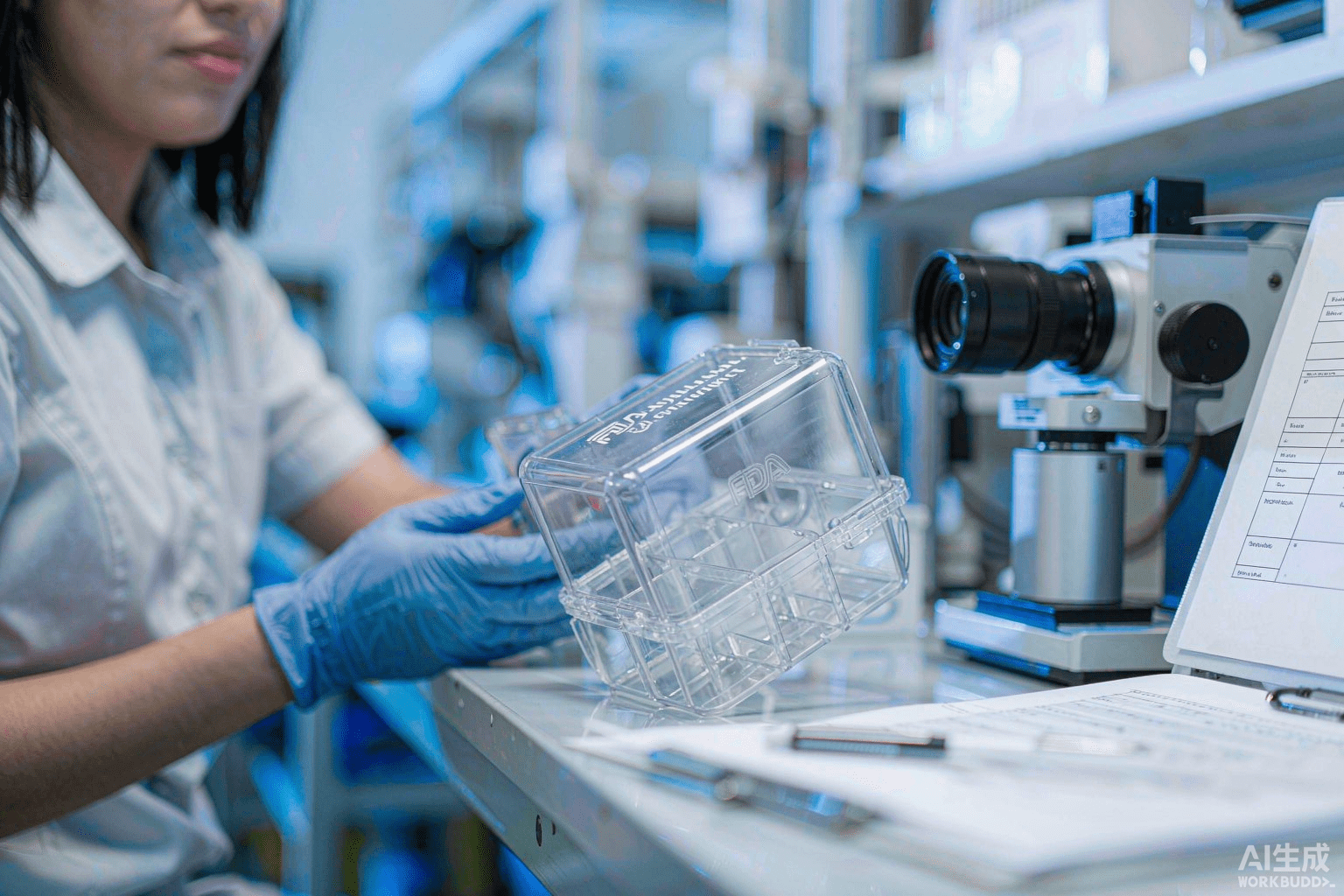
Pill Box Manufacturer: How to Choose a Reliable Supplier and Lock Down Real OEM Capacity
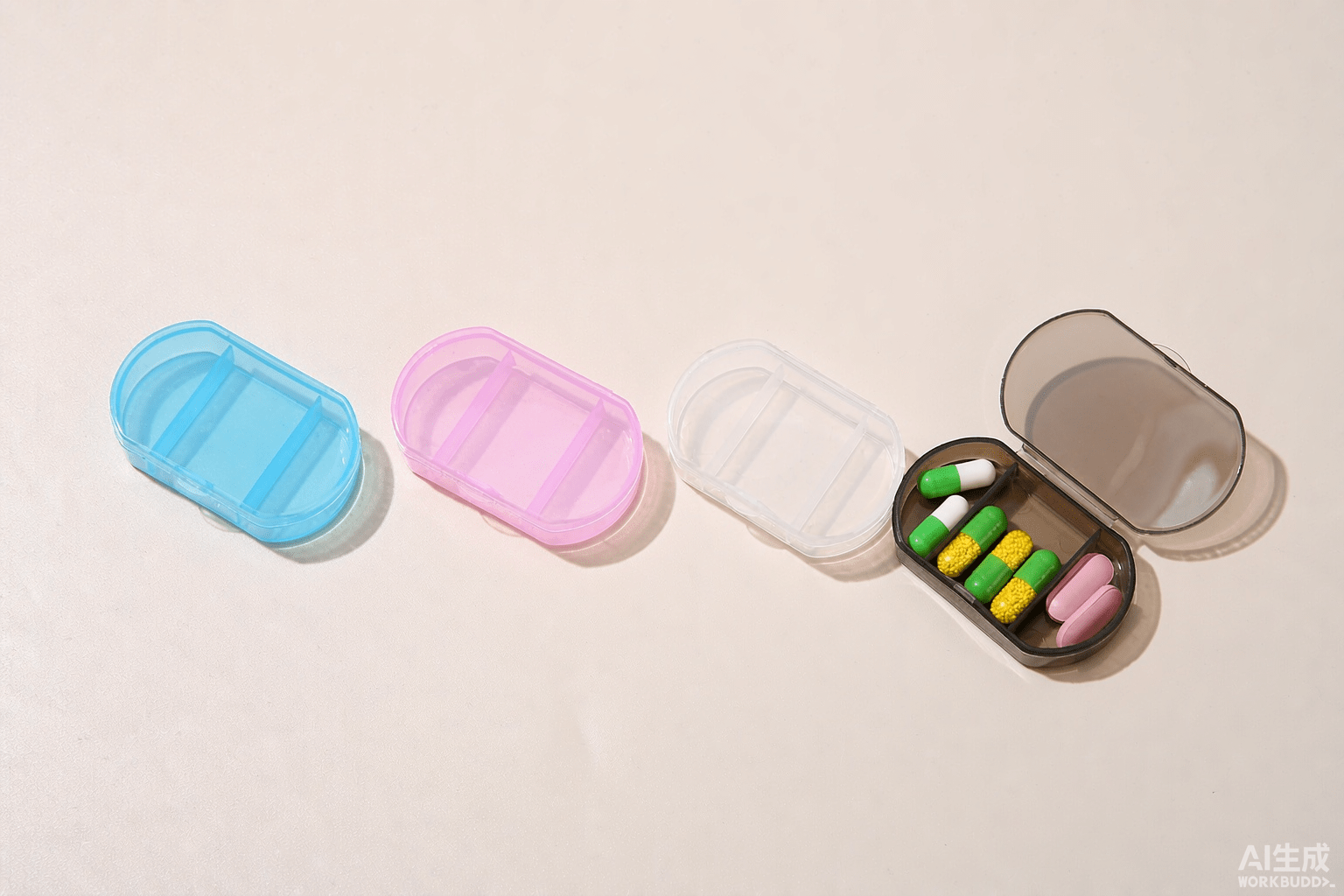
A pill box manufacturer is a factory — not a trading company — that molds, assembles, tests, and ships 7-day, monthly, electronic, or custom pill cases under your brand or theirs. For importers, pharmacy chains, and Amazon FBA sellers, picking the wrong pill box manufacturer costs far more than a 5 to 10 percent unit price gap: it shows up as wrong resin on a compliance ticket, a missed 40-foot container date, or a hinge cycle spec that fails on the second reorder. Here is the shortlist I use when I help a new buyer qualify a real factory in Ningbo or the Pearl River Delta, and the questions that separate a molder from a reseller on a 10-minute video call.
What a Real Factory Actually Controls
Most “manufacturers” you find on Alibaba are trading desks with a sample room. A real injection molder runs 8 to 24 presses on-site, owns at least one tooling shop for mold rework, and does final QC in-house rather than at a third-party lab. I learned that the hard way in 2018 when a 50,000-unit weekly case order came back with 6 percent lid warpage — the supplier had outsourced the molding to a sub-factory twenty minutes away that I never knew existed.
What to Verify On-Site or On-Camera
- Press tonnage and shot weight range (most weekly cases need 180 to 350 tons)
- Material storage with batch traceability back to the resin supplier
- In-house mold shop, not just a third-party mold vendor
- QC lab with at least an impact tester, a drop tester, and a food-grade rinse station
If a supplier says they will not turn on the camera for the press floor, you are talking to a trader. Walk away, drop the unit price expectation by 30 percent, and source elsewhere.
Filter on Material and Compliance Before Price
A buyer’s compliance officer will ask the same questions every time, and the answers should already be on the spec sheet. Any pill box manufacturer that pauses on FDA 21 CFR or LFGB clearance is one you do not want on a 40-foot container order.
For the full document map, see the FDA pill box compliance guide.
Material Claims Worth Pinning Down
- Virgin ABS, PP, or food-grade PE with grade number and origin
- LFGB or FDA compliance certificate dated within the last 12 months
- BPA-free statement on letterhead, not just on the trade-show banner
- Migration test report from an accredited lab (SGS, Intertek, BV)
I have signed off on enough PO sheets to know: if the resin grade is not on paper, the resin is recycled.
Compare Lead Times by Component, Not by Brand Promise
“30-day lead time” is the single most common lie in this category. The real breakdown for a custom or branded weekly case looks like this on a tier-one Chinese supplier:
Typical Lead Time Stack
- Mold open and trial sample: 15 to 25 days
- Confirm sample and sign off: 5 to 10 days
- Mass production: 20 to 30 days for 10,000 units
- Inline QC and pre-shipment inspection: 3 to 5 days
- FOB Ningbo sea freight to US West Coast: 22 to 28 days
Add those up and you land at 65 to 100 days end-to-end for a custom mold. Anyone quoting 30 days is quoting sample-only — not production.
MOQ, Mold Cost, and the Real Price Stack
MOQ is where most new buyers get burned. A pill box manufacturer running ABS injection presses rarely opens a mold for less than 3,000 to 5,000 units per SKU in the first run. After the second reorder, MOQ drops to 1,000 to 2,000 units.
What a 10,000-Unit Custom Order Actually Costs
- Tooling: 1,800 to 4,500 USD for a single-cavity ABS mold
- First article sample: usually free if tooling is paid
- Unit price: 0.18 to 0.45 USD per case landed FOB Ningbo
- Logo print (silk-screen or pad): 0.02 to 0.05 USD per unit
- Retail packaging in a printed gift box: 0.12 to 0.28 USD per unit
If you are weighing branded packaging against plain white-label, see the custom pill box launch walkthrough for what an OEM run really looks like from PO to pallet.
How to Run the First Trial Order
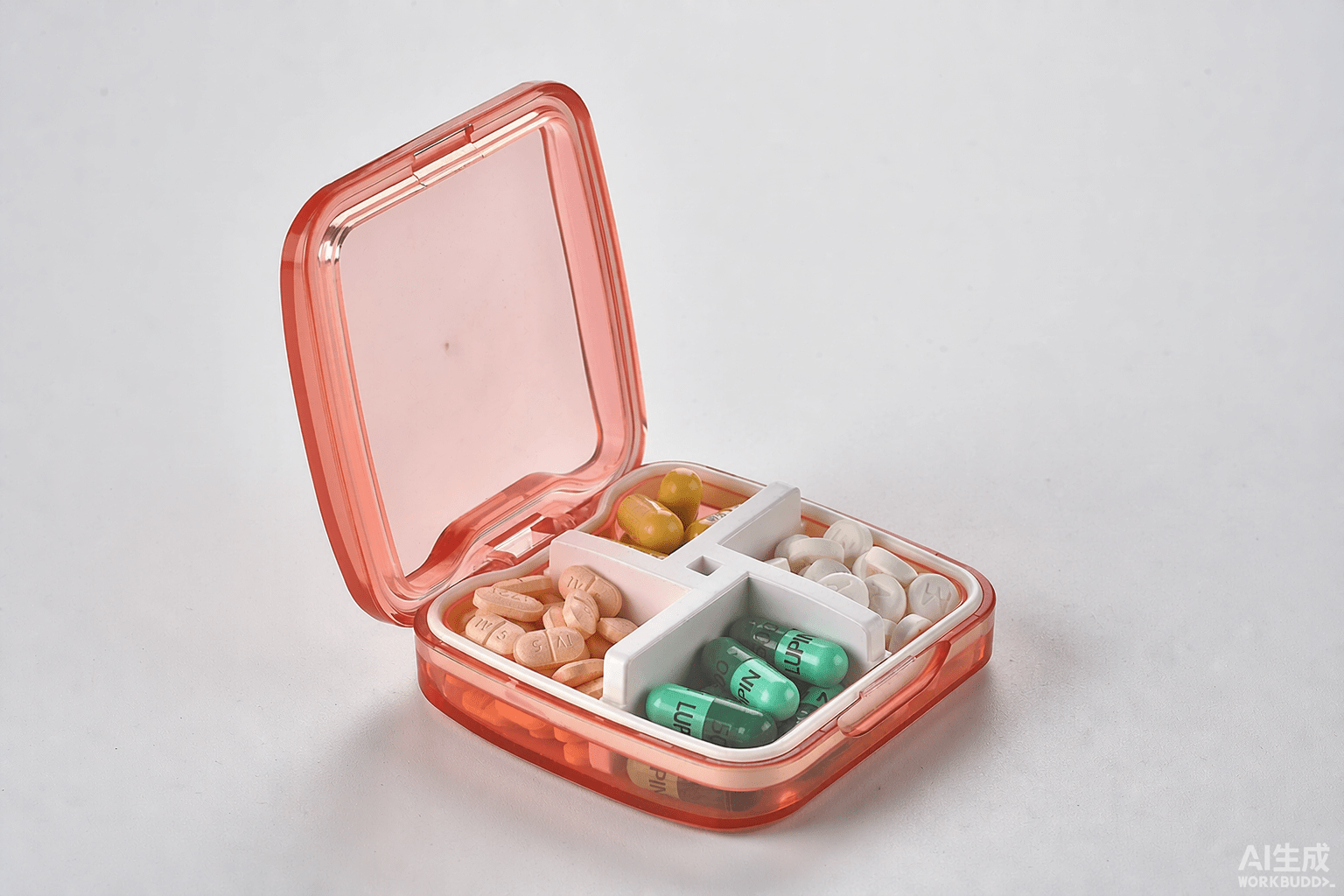
Across the eleven programs I have helped stand up since 2022, the same pattern holds. Pilot of 1,000 to 2,000 units in a single configuration, three to four weeks of in-store testing with a small pharmacist or buyer panel, then a step-up to 10,000 units once the reorder rate holds.
What I Ask Every New Supplier in Round One
- Can you name the ABS grade on the spec sheet, in writing?
- Is the hinge cycle rating above 5,000 cycles, with a test report?
- Where is your molding done — same address as your office, or somewhere else?
- What is your actual on-time delivery rate for the last six months?
Vague answers are a dealbreaker. Sharp answers on video call are a green light.
Reading a Quote Sheet the Right Way
Most quotes look identical at first glance. The differences sit in three places: payment terms, tooling ownership, and whether defects in the first 1 percent are replaced free.
Three Things to Negotiate Up Front
- Tooling ownership transferred on first PO
- 1 percent free replacement for any visible defect at incoming QC
- TT 30/70 or LC at sight, not 100 percent up front
If a quote sheet skips those three, you will pay for it later. Push each of them into writing on the PO.
Red Flags I Now Treat as Auto-Reject
Three repeat offenders in sourcing: suppliers who refuse to turn on the press-floor camera, suppliers whose FDA letter is older than 18 months, and suppliers whose “factory” address is also a residential apartment. Each one of those has cost me or a buyer I was advising at least one six-figure order in the last three years.
A useful rule of thumb I now share with every new buyer: if a supplier cannot name the ABS grade on the spec sheet, they are sourcing from a trading company, not the actual molder. That is fine for a 250-dollar retail SKU. It is not fine for a 50,000-unit pharmacy contract.
Lock-In Checklist Before the First PO
Short list that you can paste into the supplier thread before the wire transfer goes out:
- Signed proforma invoice with tooling line itemized
- Pre-shipment inspection clause (BV, SGS, or your own third party)
- 1 percent free replacement on visible defects
- FDA or LFGB compliance certificate under 12 months old
- Resin grade and origin on the spec sheet
If the supplier signs all five without pushback, you have a real pill box manufacturer on the other end of the call. If they push back on inspection or tooling ownership, keep looking.