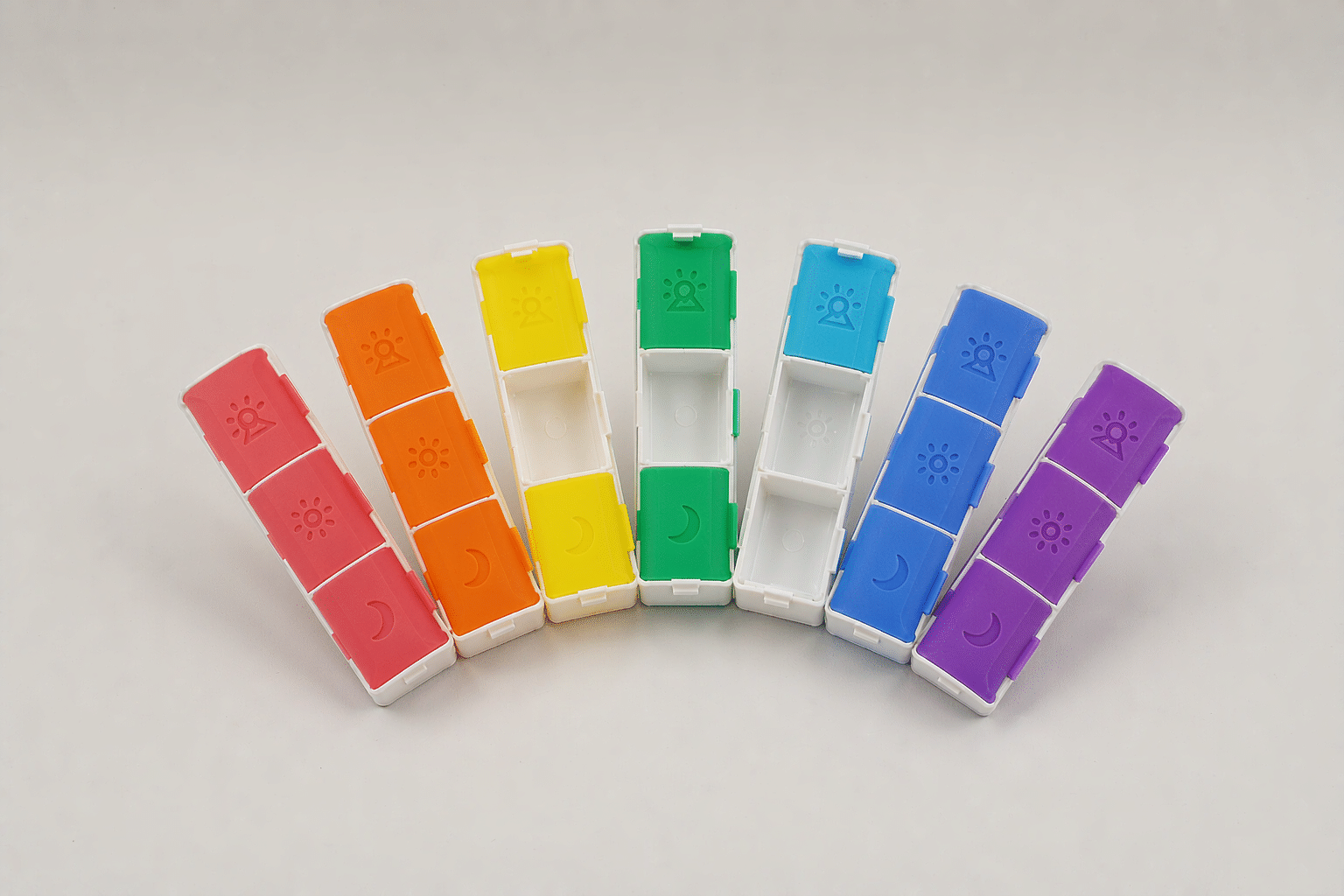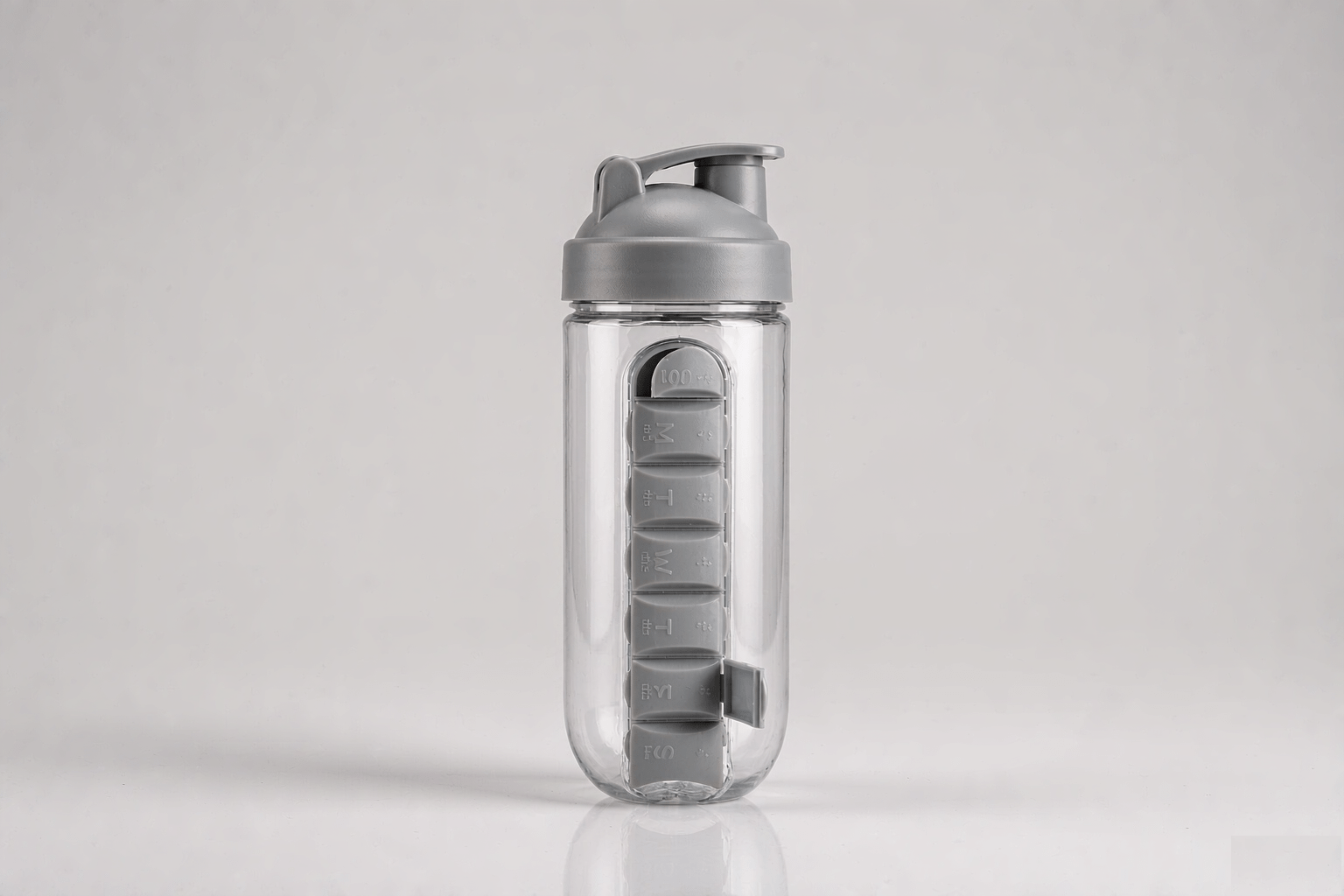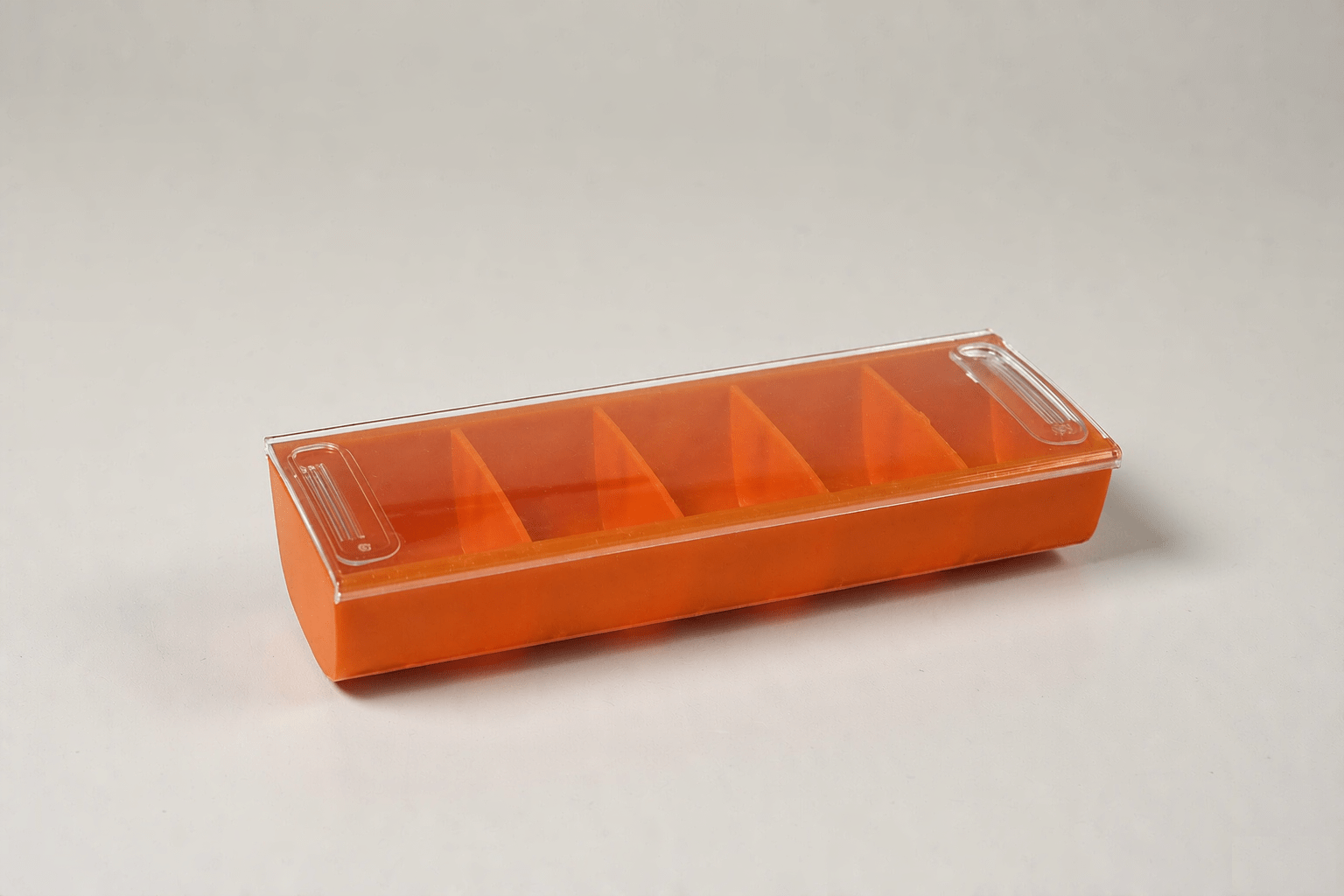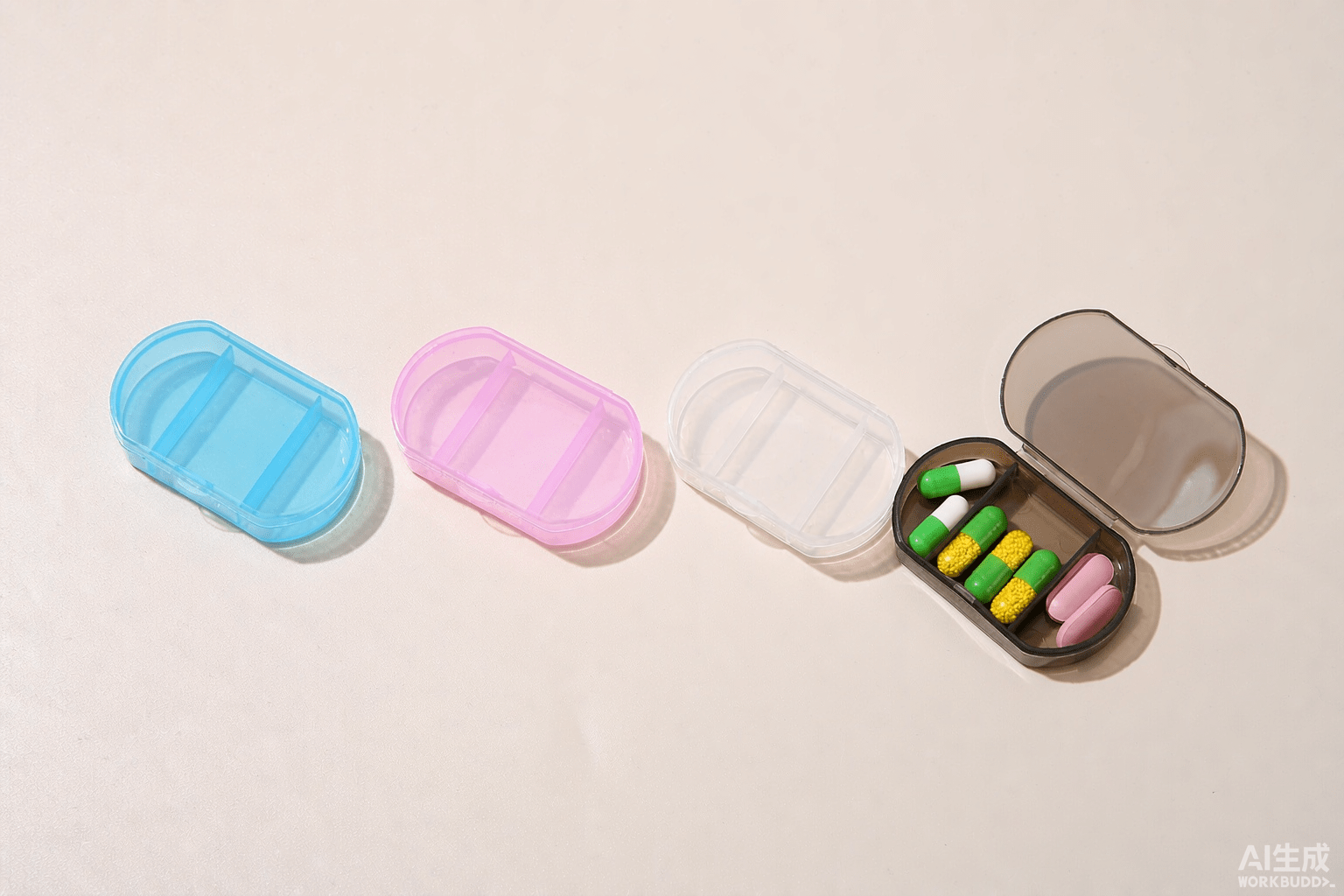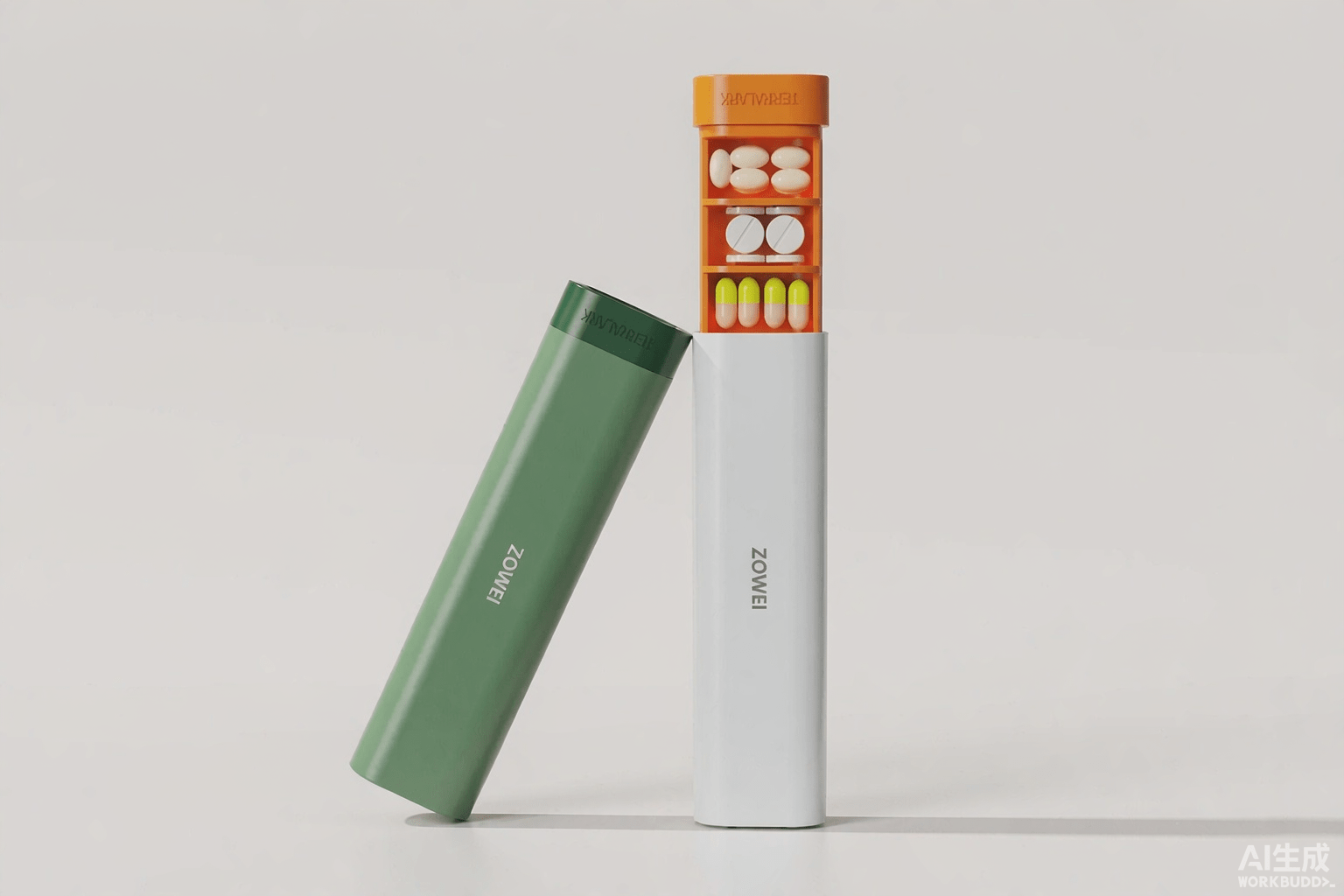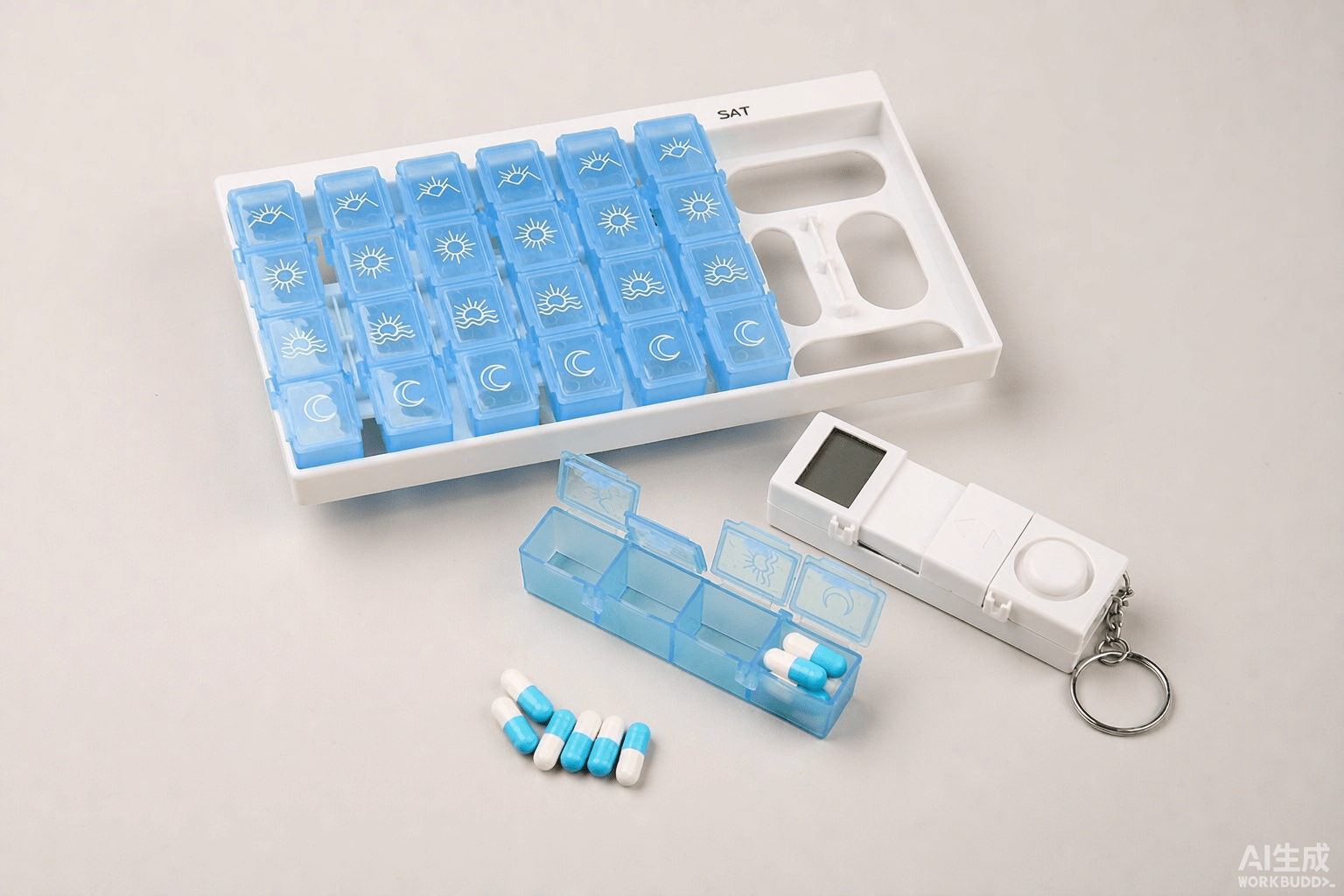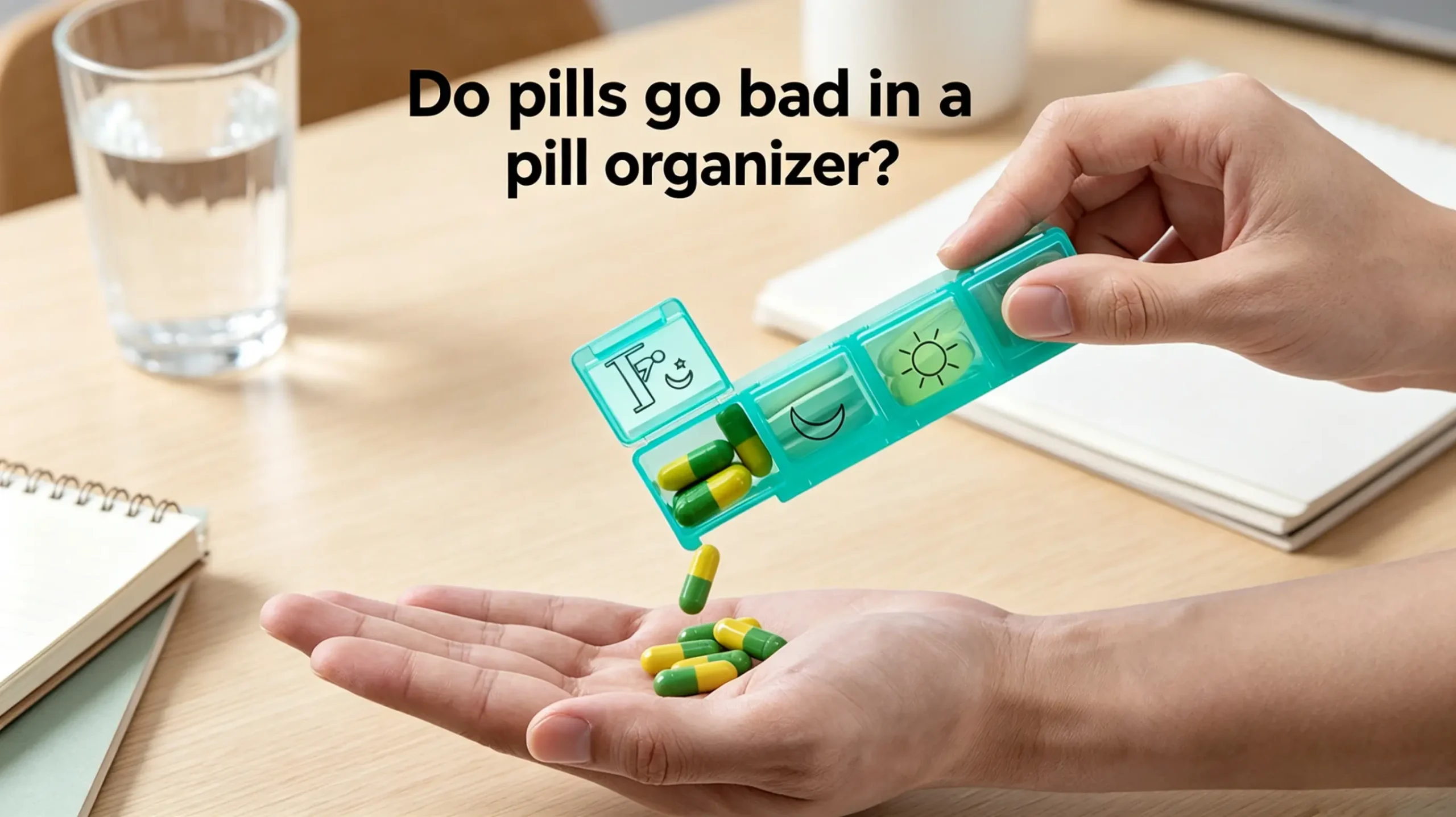
Pill box organizers are highly convenient, but pills can indeed go bad or lose potency when stored in them due to exposure to moisture, light, and air. A pill box lacks the protective barriers of original packaging, making it susceptible to environmental factors that degrade medications. To ensure safety, limit storage time in a pill case, avoid placing sensitive drugs inside, and always monitor for signs of deterioration.
Why Pills Degrade Inside a Pill Organizer
Moisture and Air Exposure
Original blister packs provide excellent protection against humidity. When you transfer pills into a standard pill organizer, they are exposed to ambient moisture and oxygen. This can cause tablets to soften, crumble, or dissolve prematurely. Capsules may stick together or leak oil. High-humidity environments significantly accelerate this process, compromising the drug’s stability and potentially increasing toxicity.
Light and Temperature Fluctuations
Many medications require strict temperature and light control. Ultraviolet light can trigger chemical degradation, rendering drugs ineffective. Furthermore, carrying a plastic medicine boxes in your pocket exposes it to body heat. In summer, this warmth can cause gel capsules to melt or adhesive coatings to fail. Most pill cases do not offer UV blocking or thermal insulation.
Medications That Should Never Go in a Pill Box
Highly Hygroscopic Drugs
Certain medications actively absorb water from the air. Dispersible tablets, some antibiotics, and specific blood pressure medications can swell, “sprout,” or change shape within hours if removed from their aluminum packaging. If a medication label says “take immediately after opening” or specifies strict sealing, keep it in its original container.
Volatile and Heat-Sensitive Pills
Drugs with strong odors, like throat lozenges, rely on volatile compounds for efficacy. Storing them in a dosette box causes the active ingredients to evaporate and can contaminate other medications. Additionally, enteric-coated or sustained-release pills can crack or oxidize when subjected to the friction and poor sealing of a portable tablet box.
Practical Guidelines for Safe Pill Case Use
Limit Storage Duration
Never pre-fill a pill box for an entire month. The safest practice is to organize only a few days’ worth of medication at a time, ideally just one day’s supply. This minimizes the duration of environmental exposure. If you must pack a week’s supply, cut the original blister strips and place them intact into the pill organizer compartments rather than removing the individual pills.
Maintain and Inspect Your Organizer
Regularly clean your pill box with 75% alcohol to prevent bacterial buildup. Before taking any medication, inspect it carefully. Discard any pills that show discoloration, unusual spots, cracking, softening, or strange odors. Always store your pill case in a cool, dry, and dark place, completely avoiding bathrooms or kitchen counters where humidity fluctuates wildly.
Looking for a truly safe and reliable medicine storage solution?
If you’re seeking high – quality products that meet medical – grade standards, you’re welcome to visit our official website. As a professional Pill Box Manufacturer, we’re committed to providing high – quality pill boxes. Whether you need a portable dispensing box for daily household use or a high – sealing moisture – proof dosette box, we can offer you the perfect solution that combines safety and practicality. Click now to explore our full range of medical storage products and safeguard the health of you and your family!