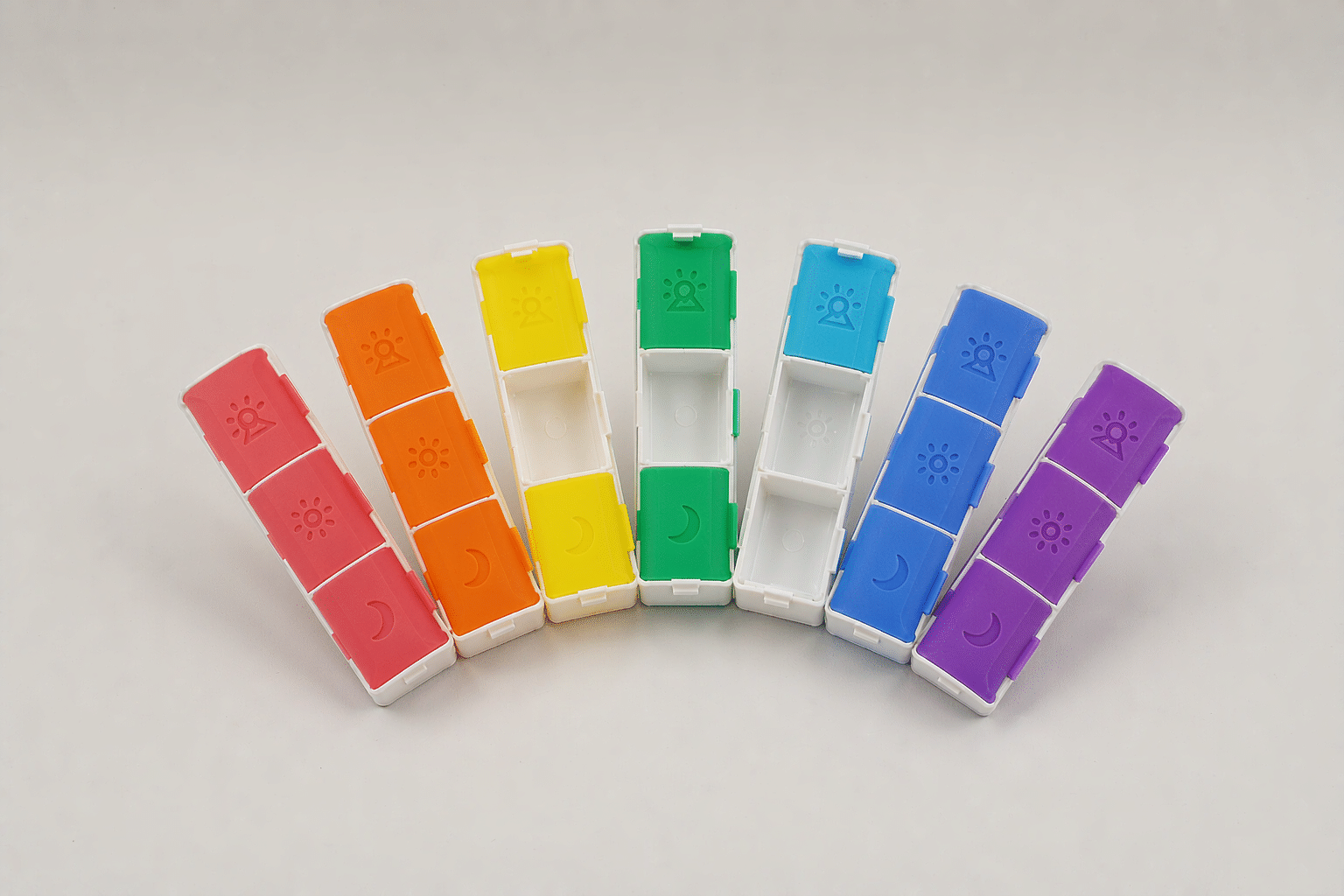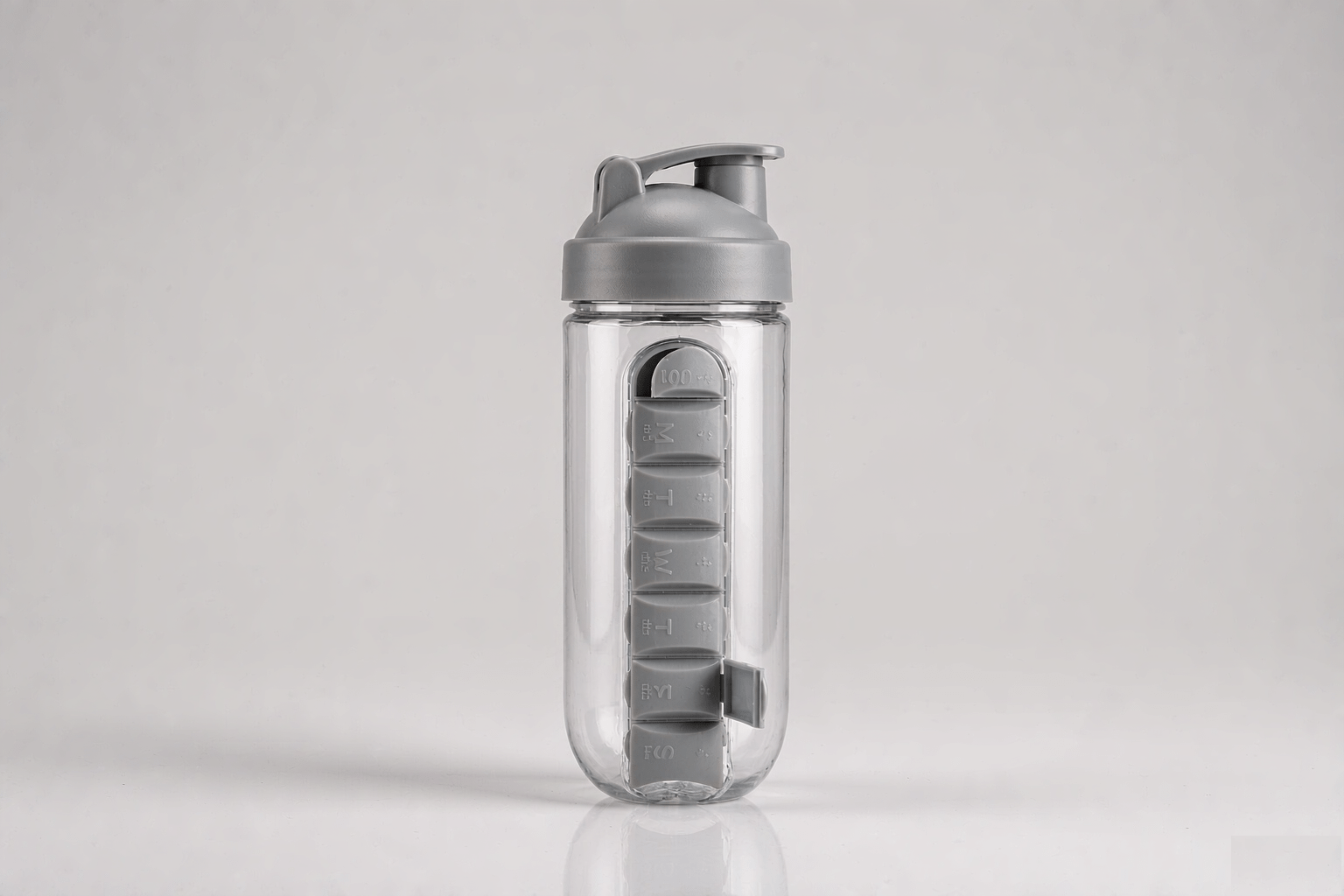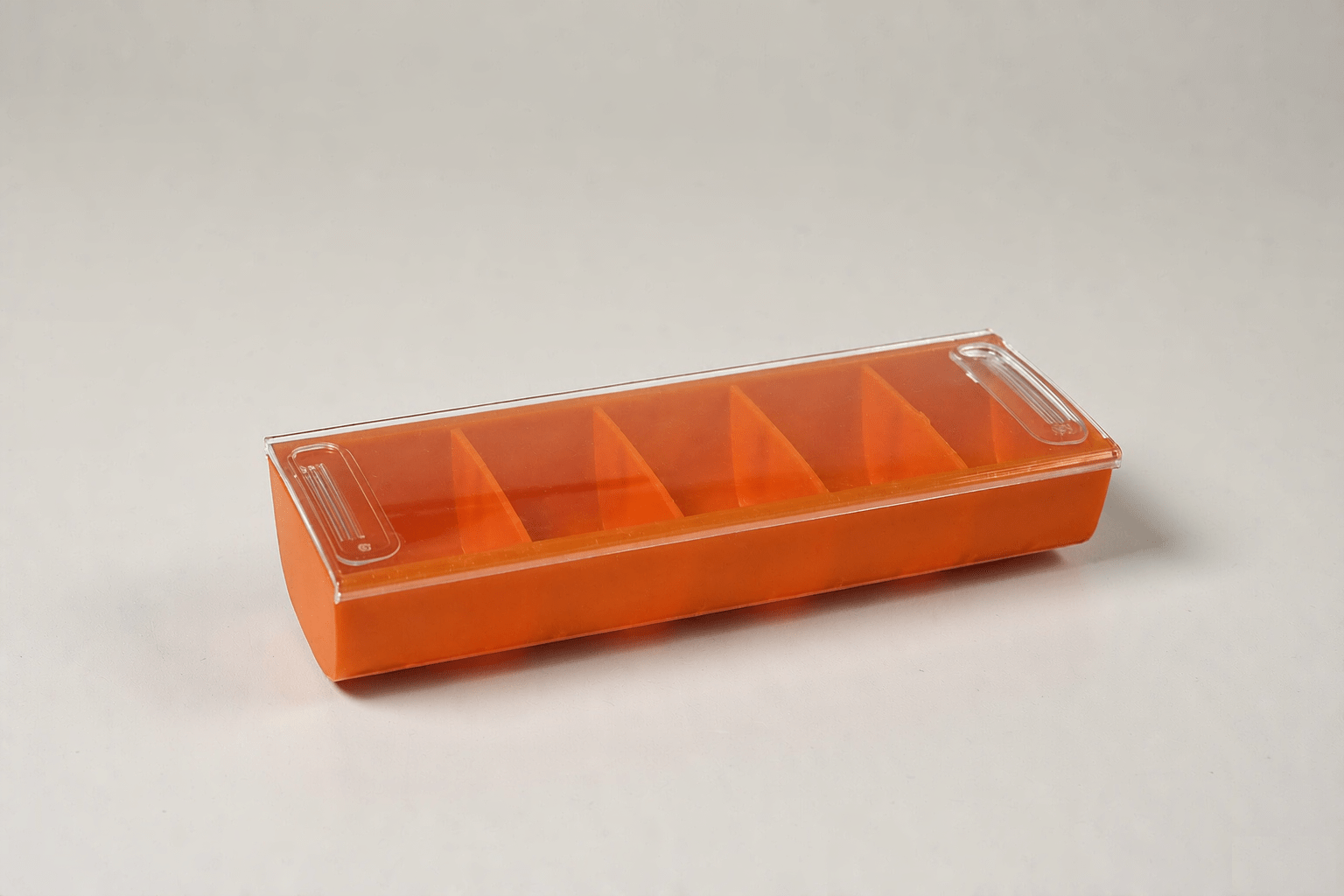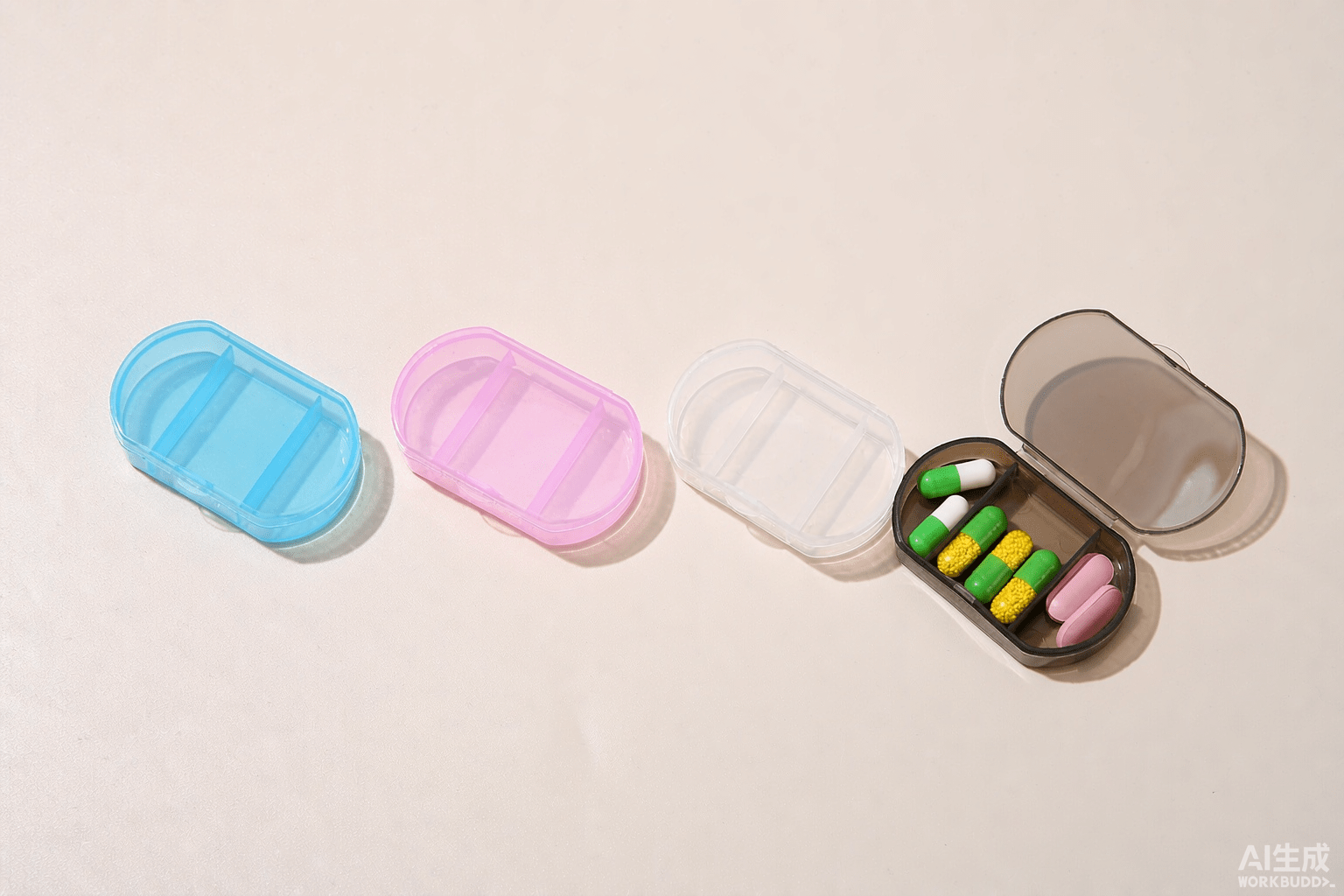
Preliminary Design Confirmation (1–3 days before mold production)
Determine Product Specifications
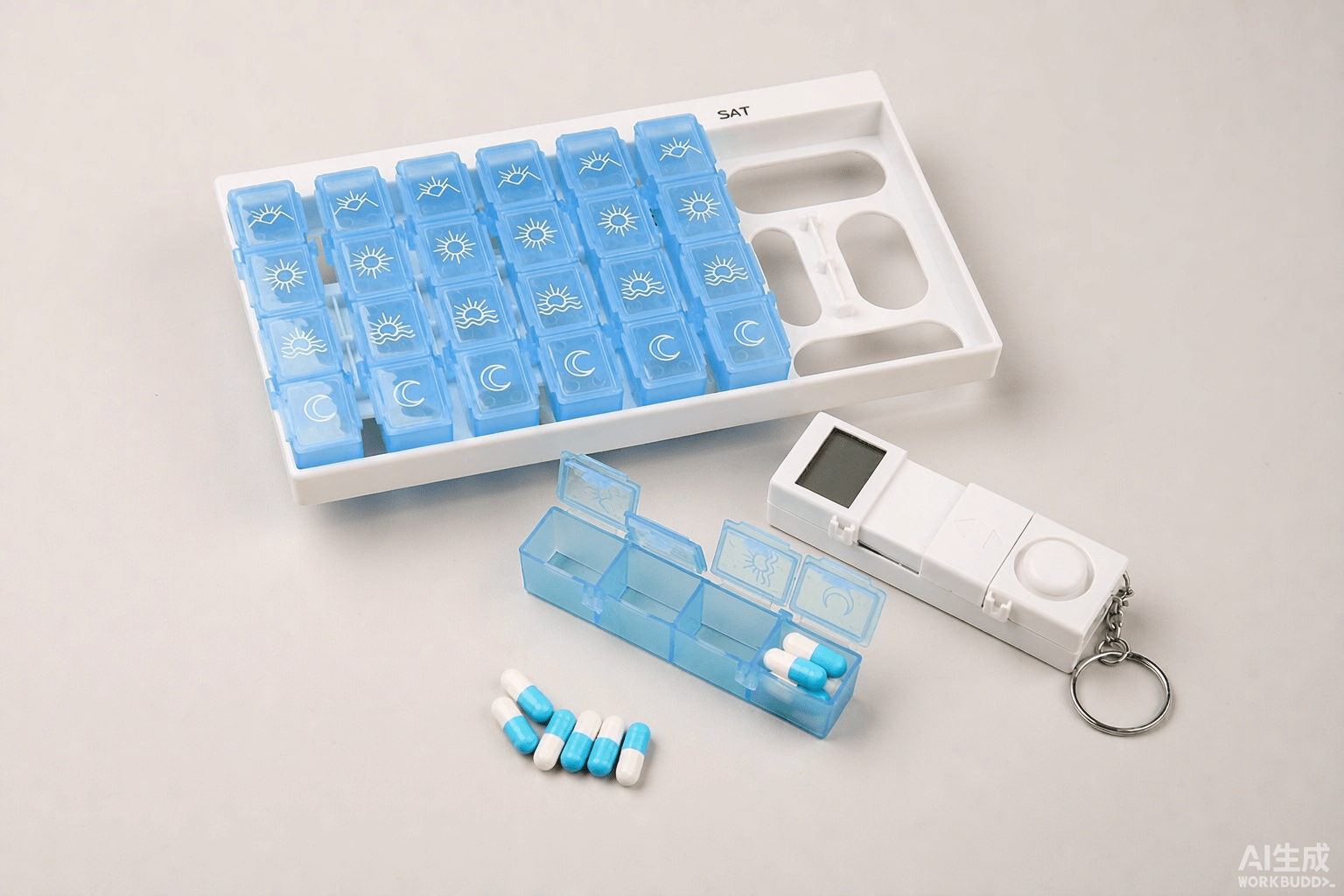
Confirm the number of compartments (7, 14, or 28), external dimensions, wall thickness, flip-top or snap-fit structure, material (food-grade PP/PS/ABS), finish (transparent glossy, matte, or frosted), and export standards (FDA, RoHS).
Client provides product materials:
Physical samples, 2D engineering drawings, or 3D models; if the client has no drawings, the mold manufacturer will perform 3D reverse engineering scanning to generate a preliminary 3D model, or our engineers will design and draft a completely new structure as needed.
Quotation & Signing of Mold Manufacturing Contract
Specifications: Mold steel grade, number of cavities (1/2/4/8), total mold cost, number of trial runs, responsibility for mold modifications, mold lifespan, payment milestones, delivery schedule, warranty terms, sample quantity, initial order quantity, and the order volume required to qualify for a mold cost refund.
Product 3D Structural Optimization + Moldflow Analysis (3–5 days)
Product structural optimization:
Lorem ipsum dolor sit amet, consectetur adipiscing elit. Ut elit tellus, luctus nec ullamcorper mattis, pulvinar dapibus leo.
Moldflow Analysis:
Evaluate gate locations, venting, cooling, and warpage prediction. Mandatory for transparent pill boxes to prevent watermarks and bubbles in the finished product.
3D drawings must be signed off by the client; no free structural revisions will be provided after the drawings are finalized.
Mold Structure Design (2–4 days)
Produce a complete set of mold assembly drawings: parting lines, slides/sliding mechanisms (under-cuts for latches), ejection system, cooling channels, venting plan, cavity layout; determine mold base specifications and insert breakdown (latch cores to be made as separate inserts); drawings to be confirmed by the client.
Steel Procurement and Rough Machining (5–10 days, S136/718H)
Procure mold base, cavity material, and insert material: S136H is commonly used for transparent medical pill boxes, while 718H is used for solid-color mass production.
Blanking, CNC rough milling, and rough grinding on a grinding machine, with allowances for finishing machining.
Finishing, EDM, Wire Cutting, and Polishing (7–15 days)
CNC finish-milling of cavities and cores; high-speed/low-speed wire cutting for fine slots in thin partitions; EDM machining of snap-fit irregular features.
Transparent models: Mirror polishing of cavities; Solid-color models: Textured finish.
Drilling: Cooling channels, ejector pins, screw holes, and vent slots (with a focus on venting at parting line locations).
Mold Assembly and Fitting (2–3 days)
Assemble the mold base, cavities, ejector pins, springs, and slider inserts; adjust clearance fits; reserve a 0.08–0.12 mm opening/closing gap for the latch; perform a full mold pre-assembly and debugging.
Three Trial Runs: T1/T2/T3 (conducted in 3 stages, 2–5 days apart)
T1 Trial Run: Run test shots to inspect flow, short shots, trapped air, and shrinkage; optimize venting and gate design; focus solely on rectifying issues; no qualified samples produced.
T2 Trial Run: Correct dimensions, warpage, and wall thickness; fine-tune the cavity; produce the first-run samples.
T3 Final Trial: Ensure all dimensions, latch tension, and appearance meet specifications; finalize the sample; obtain customer signature to confirm the prototype (which serves as the benchmark for mass production).
Trial mold materials are provided by the customer or procured by the mold manufacturer (food-grade PP).
Mold Acceptance, Finalization, and Delivery (1–2 days)
Customer inspection:
Measure actual sample dimensions, conduct durability tests for lid opening and closing, and perform random appearance checks.
Deliverables:
3D drawings, parts list, spare inserts, and standard approved samples.
Final payment is settled, the mold is shipped from the factory to the injection molding plant for mass production; the mold enters its warranty period.
Supplement:
Post-Production Change Process
Product Design Revisions:
The client provides revised drawings; mold modification costs are calculated; after payment, the mold is modified and retested;
Mold Manufacturing Defects:
The mold manufacturer will rectify the issue and retest the mold free of charge.
Contact Us Now for Free Custom Mold Consultation & Quotation. Let’s Turn Your Design Vision Into Reality!