Pill Box Water Bottle: What Wholesale Buyers Should Check Before Ordering
A pill box water bottle looks like the easiest item in a medication accessories catalogue: a drinking bottle with a small pill tray screwed onto the base. In my experience it is also the SKU that comes back most often, because buyers approve the mould and never test the seal.
If you source for a pharmacy chain, a gym brand, or travel retail, inspect in this order: cap gasket first, body material second, compartment sealing third, paperwork last. Get those four right and you have a repeatable product.
Start With the Cap Gasket, Not the Bottle Body
Nearly every leak I have chased back to a factory started at the gasket, not the shell. On a pill box water bottle, buyers ask for a price, approve a sample, then find the gasket groove is 0.2 mm too shallow. Water finds that 0.2 mm at 40 °C in a July warehouse.
Ask for the gasket drawing before you ask for the unit price. Two numbers tell you most of the story.
Silicone or EPDM, and Why Hardness Matters
Food-grade silicone at 40–50 Shore A is standard for drinking bottles. Softer than 35 and the gasket deforms under the cap; harder than 60 and it will not compress enough to seal.
EPDM is cheaper and handles heat better, but it can carry an odour that transfers into the water. On a premium pill box water bottle, stay with silicone.
The Groove Test You Can Run in Five Minutes
Fill the bottle with 400 ml of room-temperature water. Cap it, lay it flat on a paper towel, and leave it two hours. Then repeat with hot water at 60 °C for one hour.
Wipe the thread and look for moisture under the cap ring. A bead of water means the groove depth or cap torque is off — a tooling fix, and far cheaper before mass production.
Body Material Sets Your Cost, Weight, and Shelf Story
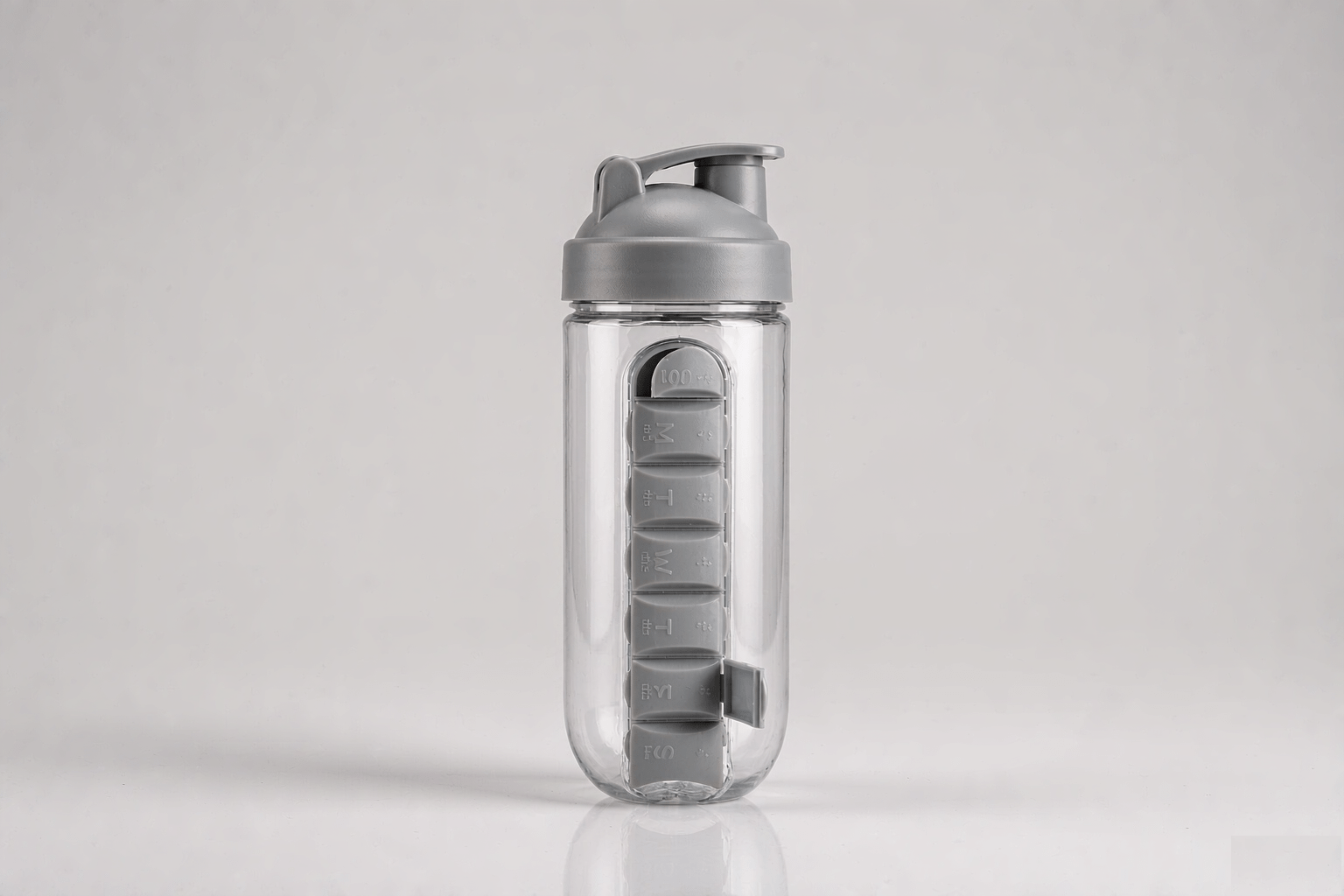
Three materials cover almost every pill box water bottle brief I see: Tritan copolyester, polypropylene (PP), and 304 stainless steel. They are not interchangeable, and the price gap is wider than first-time buyers expect.
Tritan, PP, and Stainless Side by Side
- Tritan — glass-clear, BPA-free, dishwasher-safe, crack-resistant. Highest material cost, best retail value.
- PP — translucent, cheap, light, easy to print. It scratches and goes cloudy after enough wash cycles.
- 304 stainless — premium feel, holds temperature, hides scratches. Heavier freight, higher tooling, no transparency for pill count checks.
On a 600 ml bottle, expect a 2.5–3× landed cost gap between PP and stainless at equal quantities.
Wall Thickness and Drop Performance
Ask for wall thickness in millimetres, not “thick material”. On a PP pill box water bottle, 1.8–2.2 mm on the body is normal. Below 1.5 mm the bottle dents on a 1.2 m drop.
Run the drop test yourself: fill, cap, drop from 1.2 m onto concrete — once on the base, once on the side. Cracked threads after one drop means the gate location is wrong, not the wall.
Compartment Design Is Where the Pill Box Water Bottle Wins or Fails
The bottle half is commodity work. The pill half is where your pill box water bottle either sells or sits on the shelf — and it decides whether buyers reorder.
Moisture and Light Protection
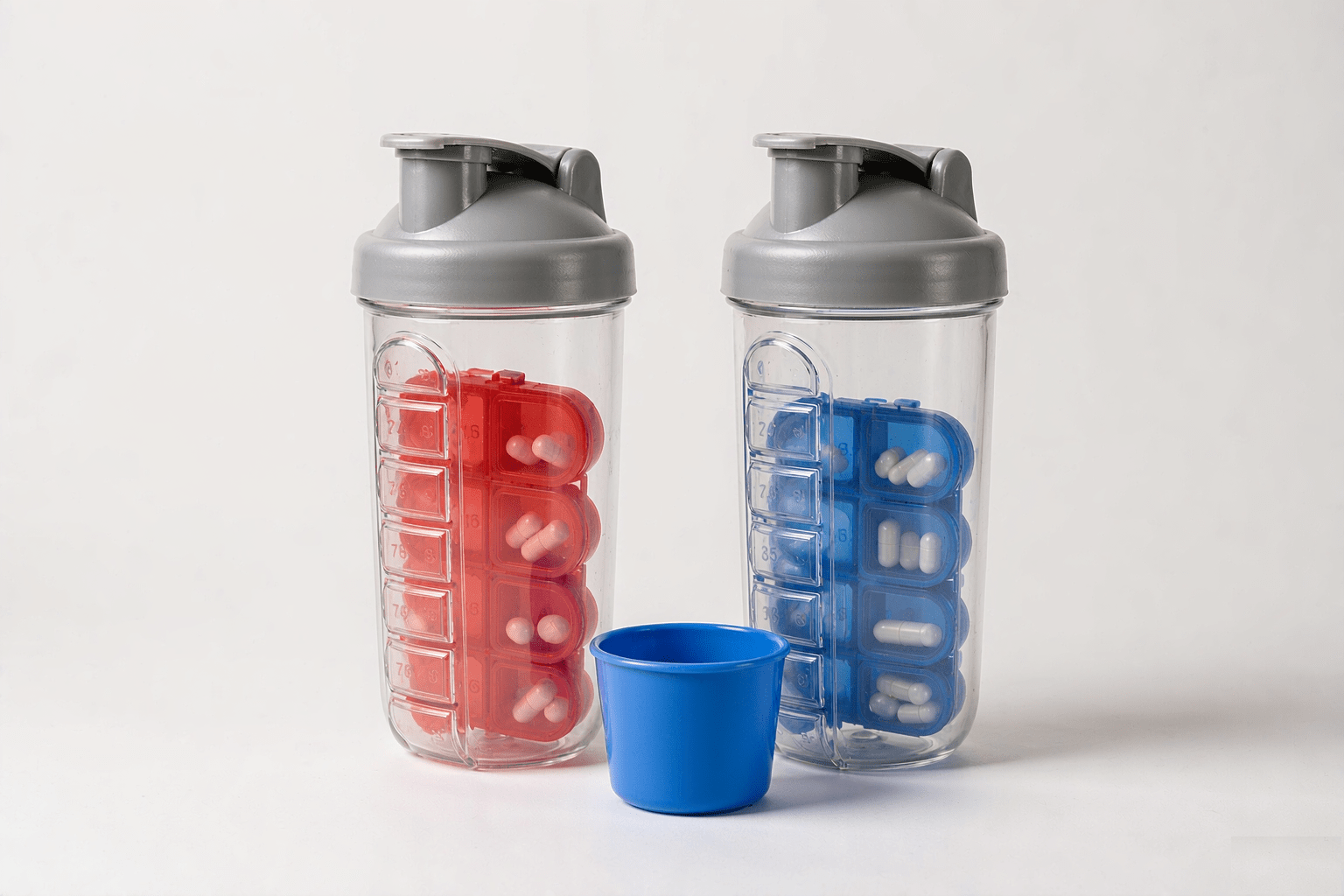
Pills hate humidity. A screw-on tray with no gasket lets moisture in within days in a coastal climate. Look for a silicone-sealed tray, or a desiccant chamber for humid markets.
Amber or opaque trays protect light-sensitive tablets; clear trays photograph better. Decide before you cut tooling.
Capacity Math: 600 ml, 750 ml, and What Actually Fits
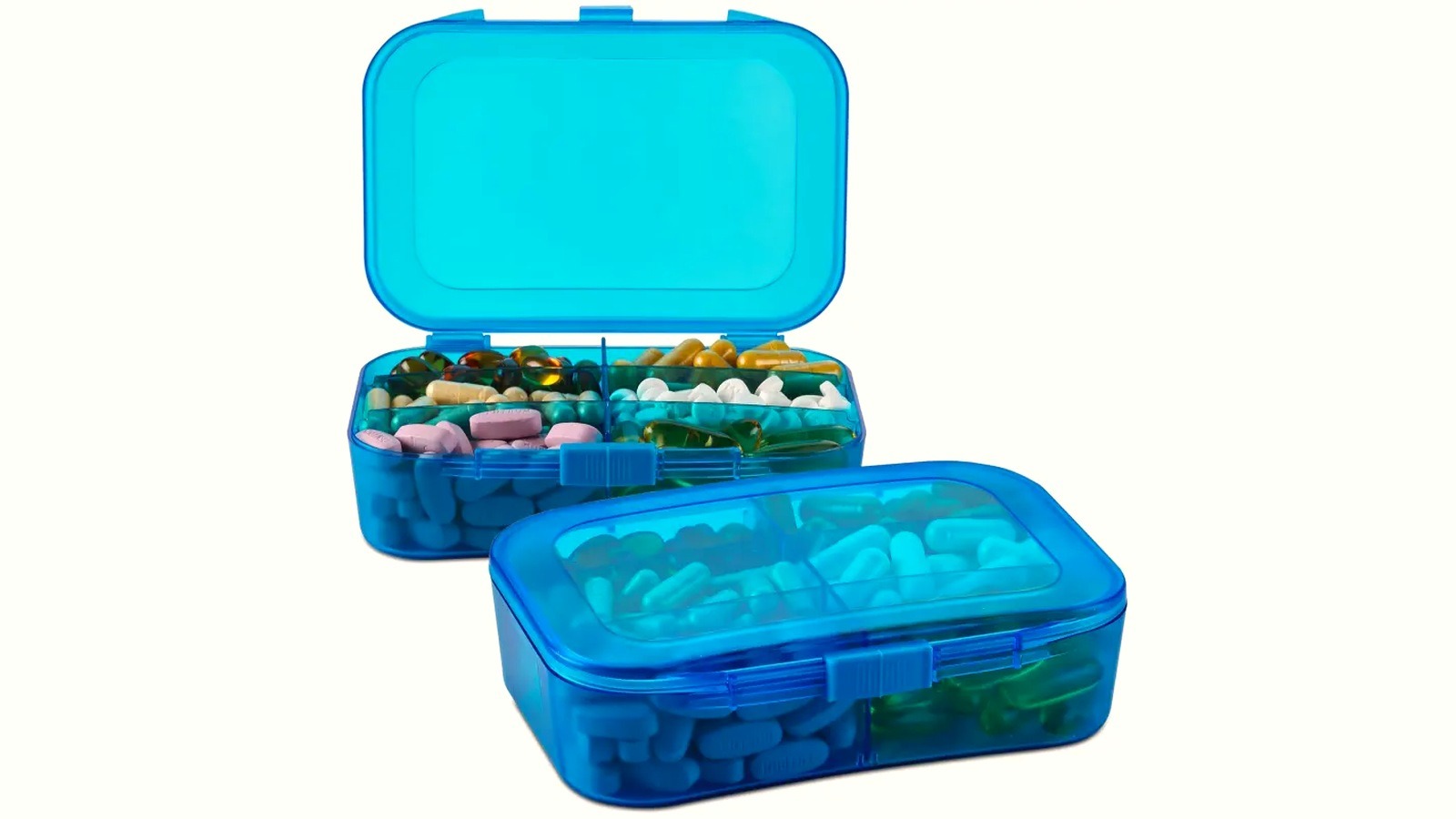
A 600 ml pill box water bottle with a 22 mm deep tray holds about 4 large tablets or 8 small ones. That is a day or two, not a week.
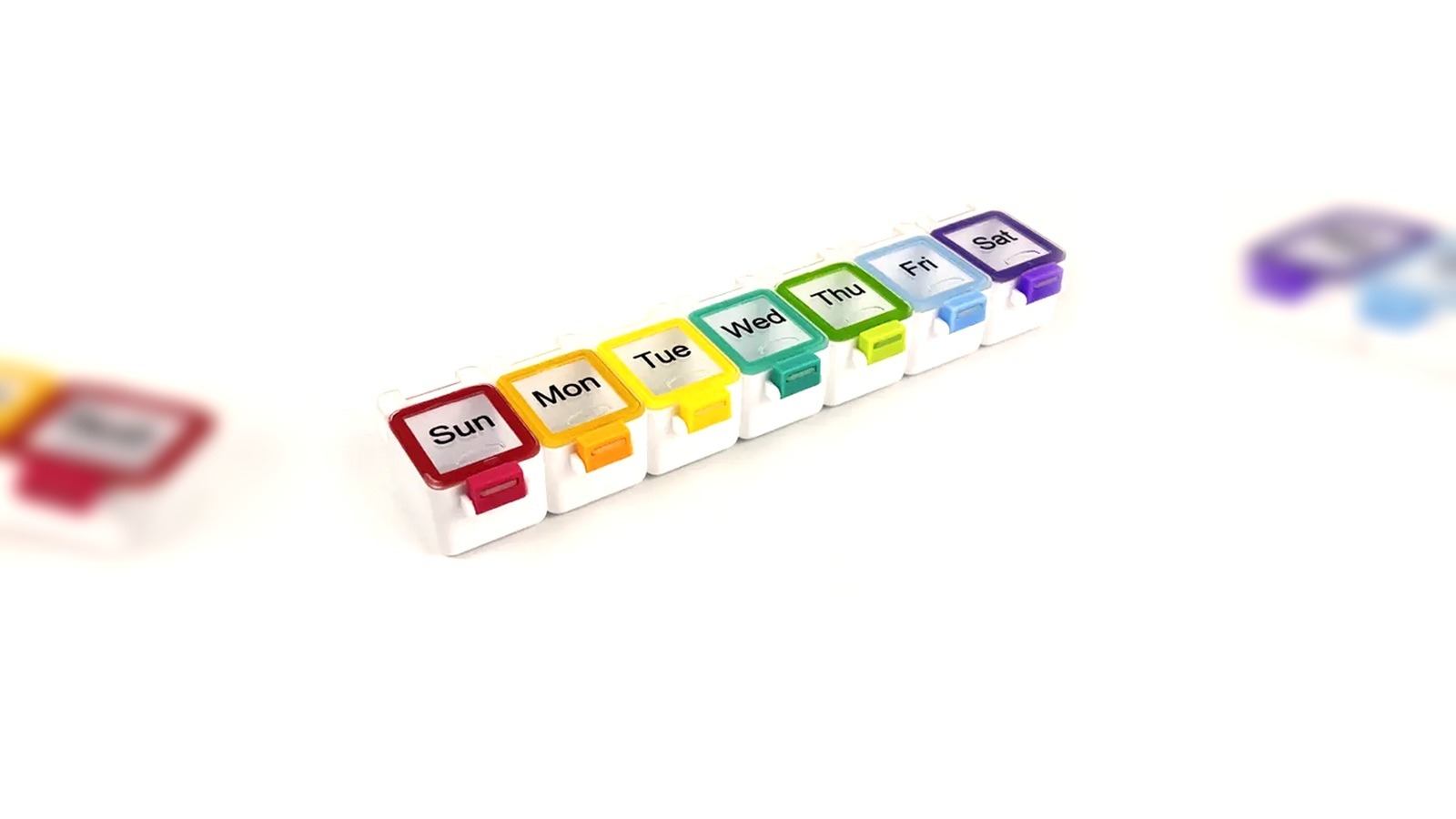
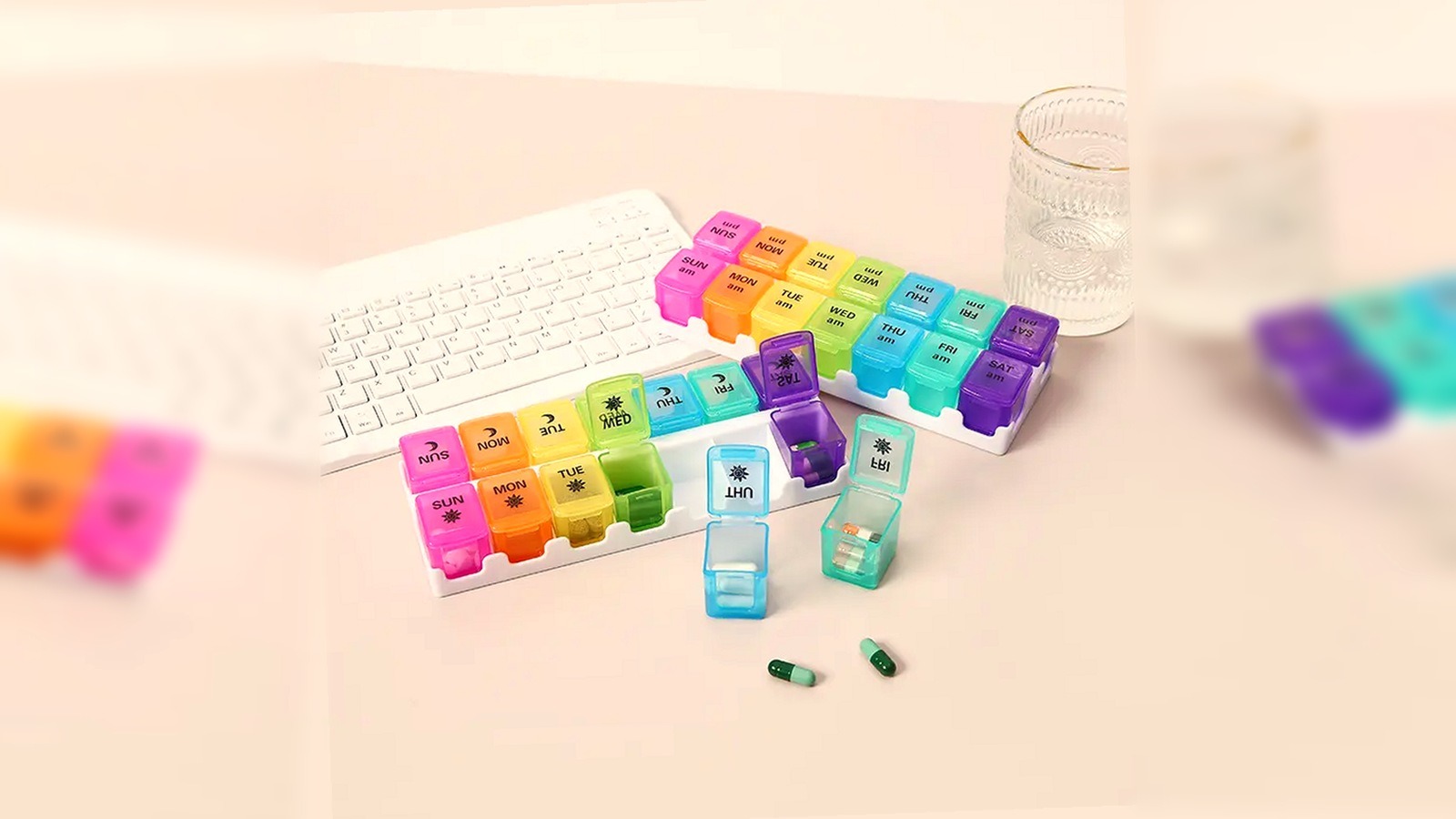
If your buyers expect seven days, do not stretch the tray. Pair the bottle with a separate weekly organiser instead — see how weekly pill organizers compare to monthly cases.
For a deeper 2-in-1 build, this foldable water cup pill box design shows how much internal volume you can reclaim.
Compliance Paperwork to Collect Before Tooling Starts
Paperwork is boring until a container is held at customs. Collect it at the sampling stage, not after the deposit — switching resin suppliers later invalidates the test reports.
Food Contact, LFGB, and BPA-Free Claims
For US buyers you need FDA food-contact compliance on the bottle body and the gasket. For the EU, LFGB and EU 10/2011 migration testing are the baseline.
If you market BPA-free, make sure the certificate covers the actual resin grade, not the generic material family. That mistake is common and costly.
Which Certificates Apply to the Pill Tray
The tray is a medicine container, so the standard is stricter than a plain bottle. Drug-contact claims or clinical channels lengthen the audit trail. The audit logic in what importers should check on FDA pill box compliance applies to the tray too.
Sampling Protocol: Test Ten Units, Not One
A single golden sample proves nothing. Injection moulding drifts, and the tenth shot from a hot mould behaves differently from the first.
The Seven-Day Leak and Odour Test
Take ten units from the first production run. Fill five with water and five with 2% saline, cap them, then store four at room temperature, three at 40 °C, three in a fridge.
Check daily for seven days. Log leaks, gasket creep, and any plastic odour. Odour on day three usually means regrind was mixed above 20%.
What to Reject Immediately
Reject the lot if more than one unit in ten leaks, if the cap needs two hands to open, or if the tray lid pops when the bottle is squeezed. Those are structural faults, not cosmetic ones.
MOQ, Tooling, and Lead Times That Are Real
Typical MOQ for a custom pill box water bottle sits between 3,000 and 5,000 units per colour. Below that, most factories will only quote you an existing mould.
What Drives the Unit Price
- Tooling: USD 3,000–8,000 for a two-cavity bottle mould, more for stainless.
- Colour changes: 500–1,000 unit minimums per colour, plus machine purging time.
- Logo printing: pad printing is cheap per unit but carries a setup fee.
- Freight: stainless steel costs you weight, not volume.
Quoted lead time for a new mould is usually 30–40 days, then 20–25 days for production. Anyone promising 15 days total is quoting a stock item, not your design.
How to Vet a Supplier You Cannot Visit
You cannot fly to every factory, but you can still ask questions a trader cannot answer quickly about your pill box water bottle programme.
Questions That Separate Factories From Middlemen
Ask how many injection machines they run and at what tonnage, which resin brands they buy, and which department moulds the gasket. Then ask for a recent in-house leak test record with a date on it.
If the answers arrive within the hour, neatly formatted, and vague on tonnage, you are likely talking to a trading company. Not fatal — but your price and your quality control both get thinner.