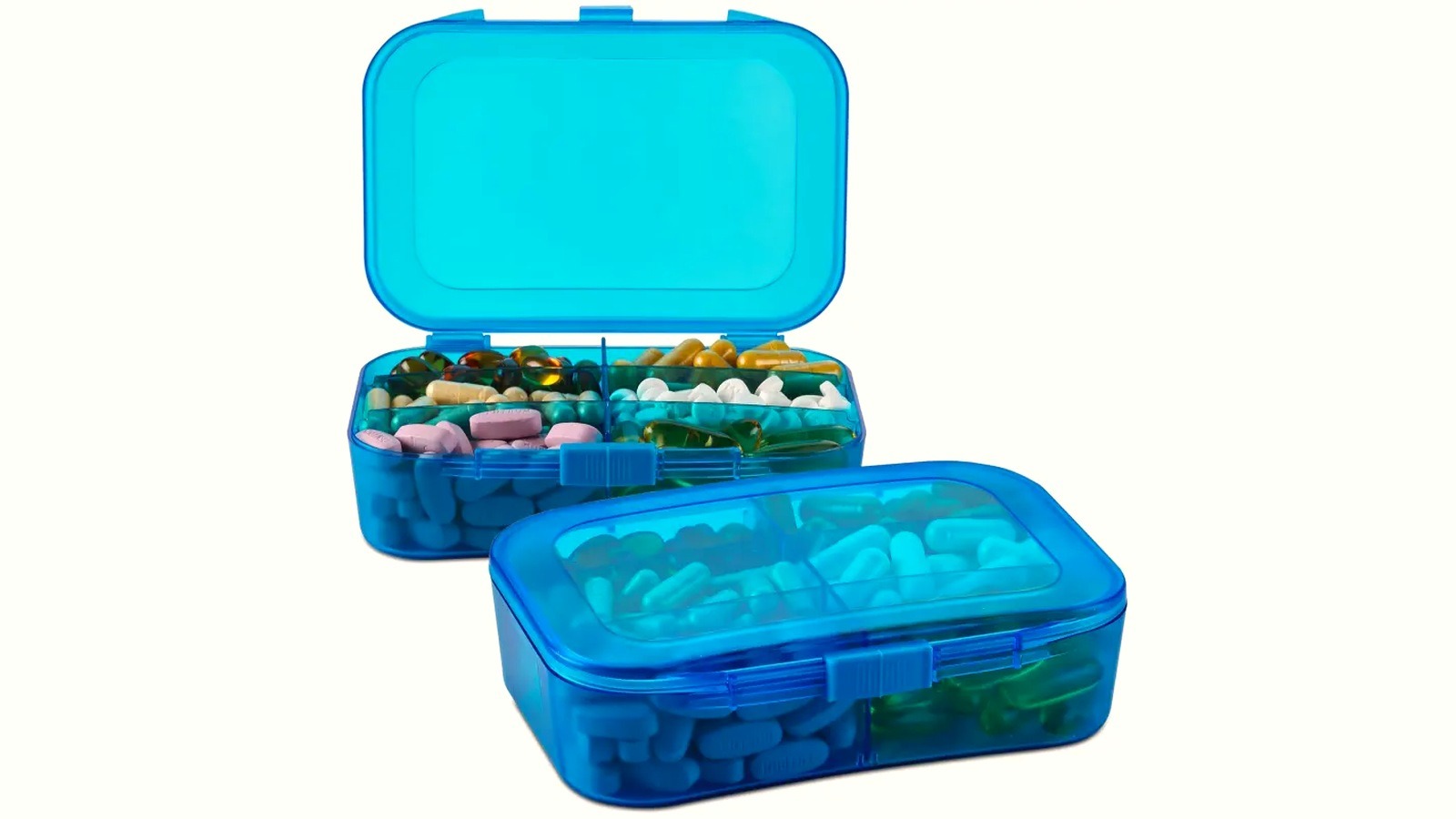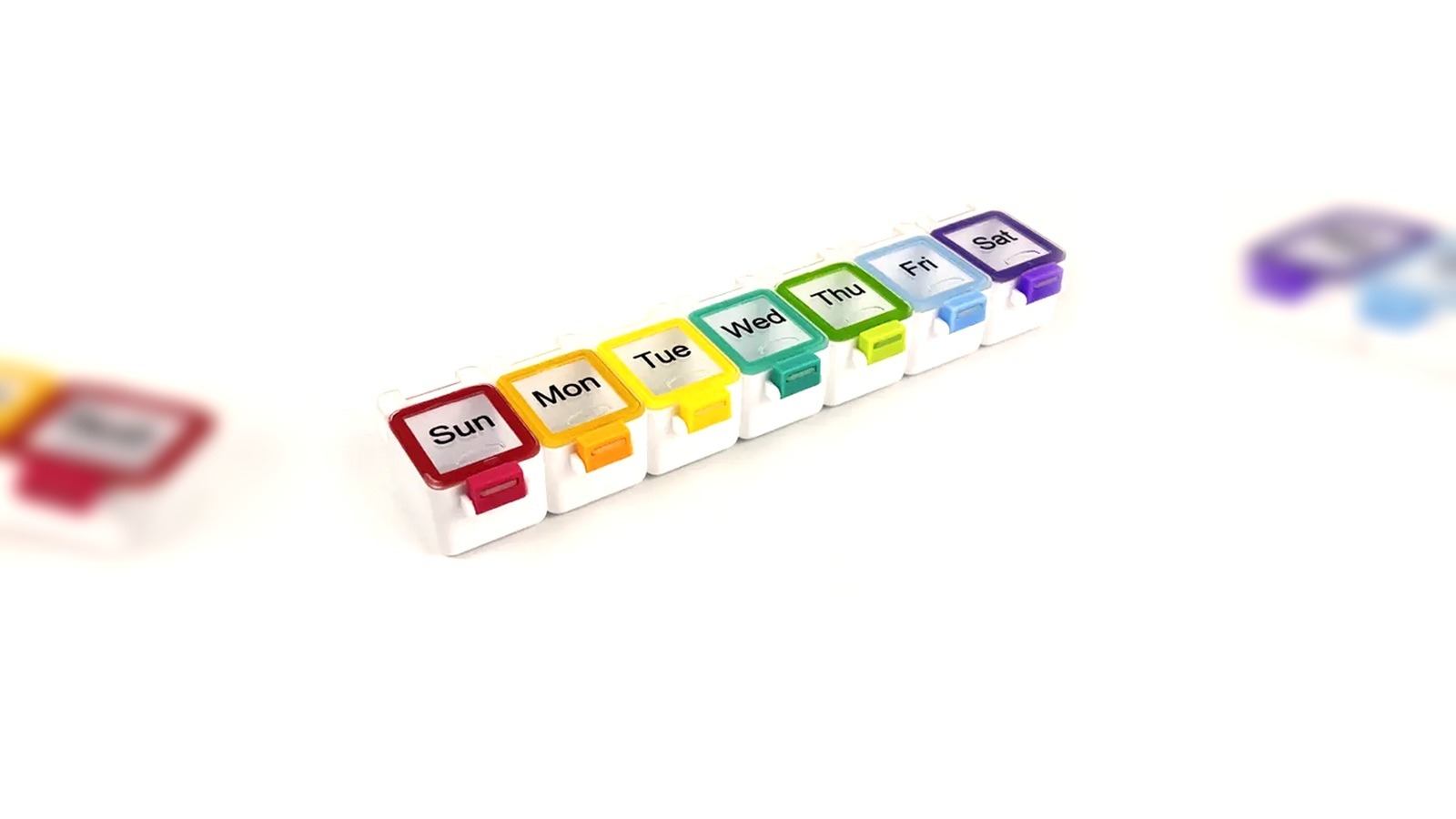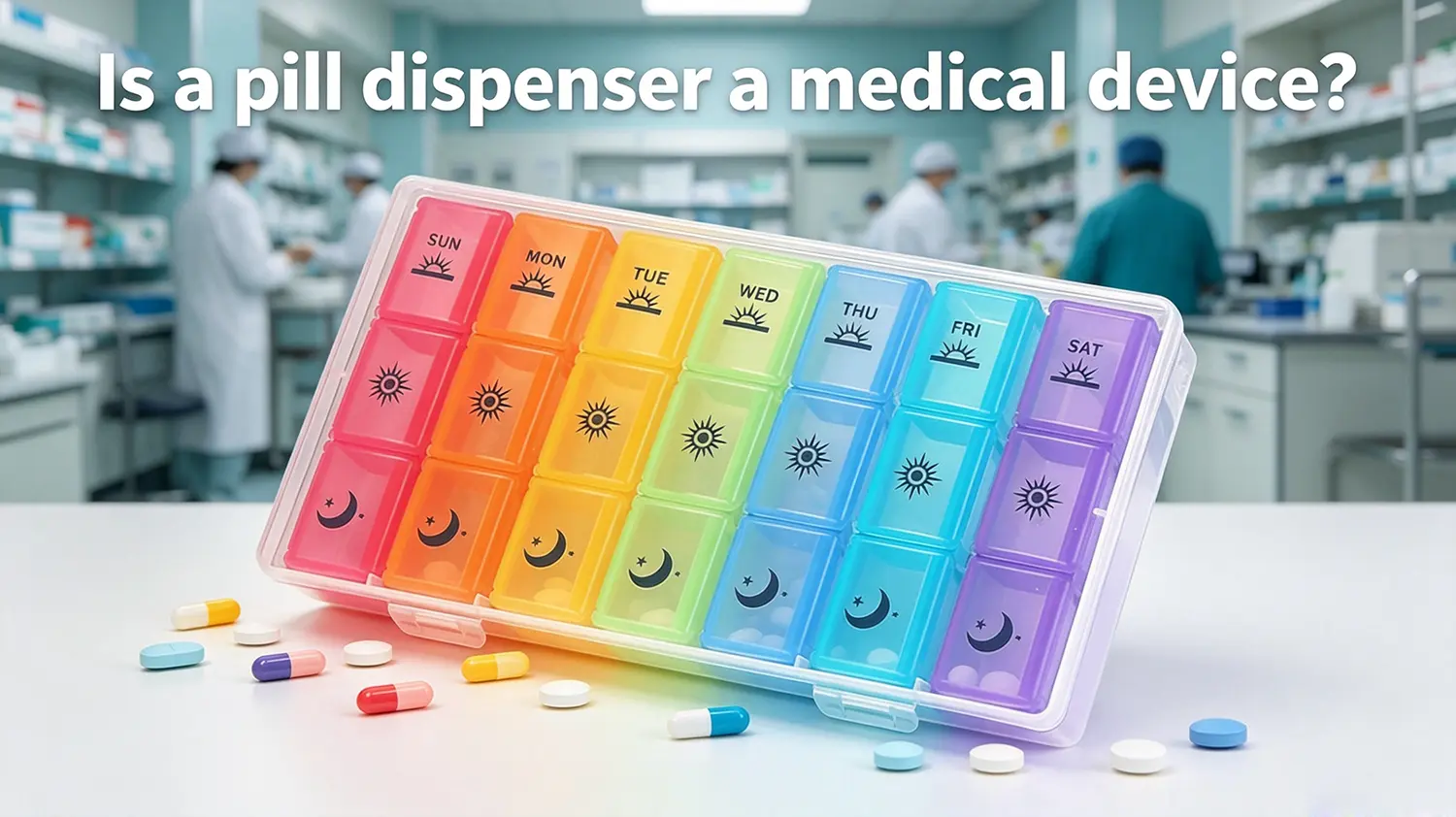
Yes, a pill dispenser is generally classified as a medical device because it is designed to safely store, organize, and dispense medications for therapeutic use. As a specialized pill dispenser, this equipment plays a critical role in patient care by ensuring accurate dosing schedules. Understanding its regulatory status helps users choose reliable products from a certified pill box factory or manufacturer.
Regulatory Classification of the Pill Dispenser
FDA Definition and Criteria
According to the U.S. Food and Drug Administration (FDA), a pill dispenser fits the definition of a medical device. It is intended to diagnose, treat, or prevent disease, or affect the structure or function of the body. Crucially, it achieves its primary purpose through physical or mechanical means rather than chemical action within the body. This distinction separates it from pharmaceutical drugs.
Risk-Based Categorization
Medical devices are categorized based on risk. Most standard pill organizers fall under Class I (low risk) and are subject to general controls like good manufacturing practices. However, advanced automated dispensers with locking mechanisms or electronic tracking may face stricter oversight. Always verify if a specific model requires special certification before purchasing.
Features That Define a Medical Grade Pill Dispenser
Safety and Compliance Mechanisms
A true medical-grade pill dispenser often includes safety features to prevent misuse. Child-resistant locks are common to protect minors from accidental ingestion. For elderly patients, secure latches ensure that only authorized individuals can access potent prescriptions. These physical safeguards are key indicators of regulated medical equipment.
Precision Dosing and Tracking
Advanced models go beyond simple storage. An automatic pill dispenser uses microcontrollers and stepper motors to release exact medication amounts at programmed times. Some smart versions connect to mobile apps via Wi-Fi to track adherence and send alerts to caregivers. This level of precision directly impacts patient health outcomes.
Choosing a Certified Pill Box Manufacturer
Quality Management Standards
When sourcing a pill dispenser, always look for manufacturers adhering to ISO 13485 standards. This international standard specifies requirements for a quality management system where an organization needs to demonstrate its ability to provide medical devices. A compliant pill box factory ensures consistent material safety and production reliability.
Material Safety and Durability
The plastics used in medicine boxes must be biocompatible and non-reactive. High-quality materials prevent chemical leaching into stored medications over time. Reputable manufacturers use BPA-free, medical-grade polymers. Inspecting these material certifications guarantees that your daily tablet box remains safe for long-term pharmaceutical storage.