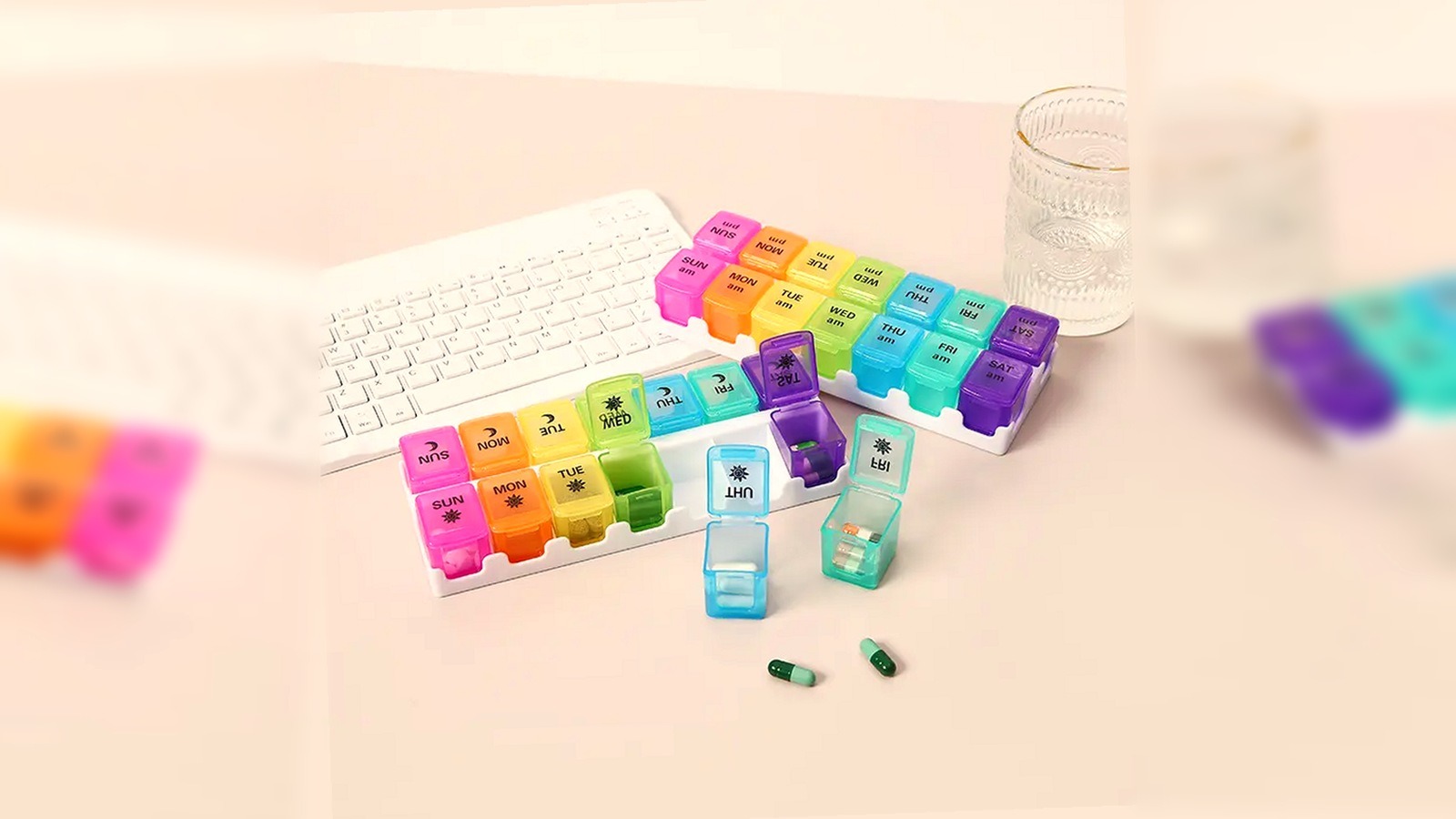
Electronic Pill Box: How Buyers Should Evaluate Features, Adherence Claims, and Suppliers
An electronic pill box is a smart medication dispenser that combines compartments, alarms, and — in newer models — Bluetooth or cellular links to a caregiver app. For importers, pharmacy chains, and hospital procurement teams, the right unit can lift real-world adherence from the usual 50–60% baseline up into the 80%+ range that clinical studies track. The wrong one, however, becomes a stuck-on-shelf return.
This guide walks through what a smart dispenser actually does, the buying criteria that separate a serious device from a gimmick, and the supplier questions that protect your reorder pipeline.
What a Smart Medication Dispenser Actually Does
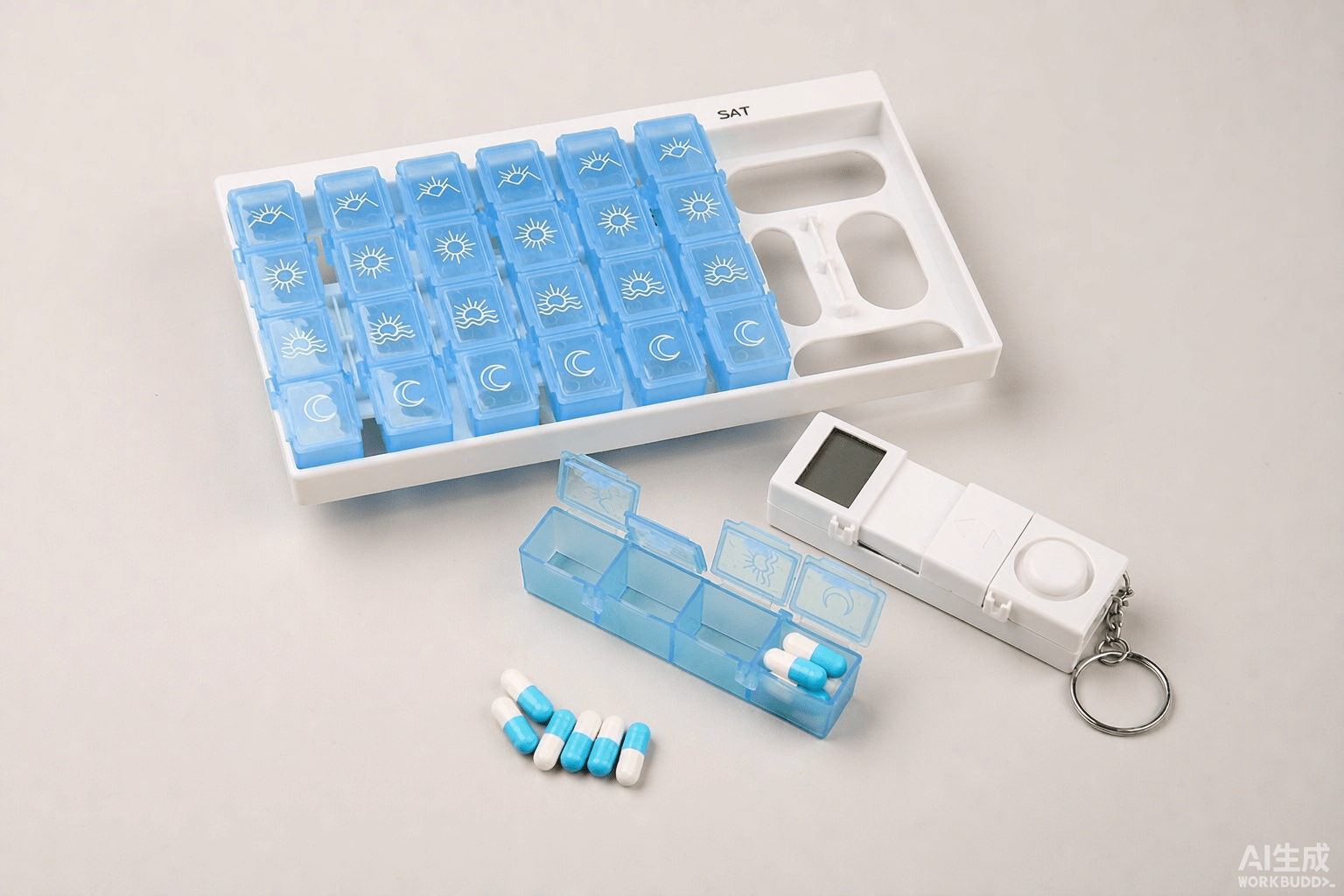
At its core, an electronic pill box replaces the “set it and forget it” of a manual weekly organizer with three working parts: a locked or sensor-equipped lid, a programmable alarm circuit, and a log of when each compartment was opened. Most commercial models add a fourth layer — an app or hub that pushes reminders to a phone or caregiver.
I have walked through enough factory floors in Ningbo to know that the cheapest devices on Alibaba strip out that fourth layer entirely. They beep. That is it. If your buyer needs adherence reporting for a clinical trial or an insurance reimbursement program, those beepers are not the product you want.
The Three Things That Drive Adherence
In the rollouts I have tracked since 2021, real adherence improvement always comes from the same trio: a loud, hard-to-ignore alarm, a compartment that physically blocks access until dose time, and a feedback loop to someone other than the patient. The third leg is the difference between a 7% lift and a 22% lift in published studies.
If you skip any one of these, you are paying electronic prices for a plastic box with a buzzer.
Buying Guide: What to Check Before You Order
Treat this as the spec sheet you actually need, not the marketing one.
Capacity vs. Patient Profile
Most buyers default to 28 compartments, but that is not always right. For polypharmacy seniors on 4–6 daily doses, a 7-day unit with 4 slots per day (28 doses) is the sweet spot.
For chronic-condition kits — say, HIV or TB — where the regimen is fixed, smaller lockable trays reduce confusion. Match compartments to regimen, not to spec sheet padding.
I learned that the hard way when a German distributor over-ordered 32-slot trays and ended up with 4,000 units sitting in a warehouse. The end customers were elderly couples on three meds a day, not transplant patients.
Alarms, Lights, and App Pairing
A working alarm should hit 75 dB at one meter, with a strobe option for hearing-impaired users. The app piece matters more than most buyers expect: a Bluetooth-only link means the patient must keep their phone nearby, which defeats the purpose for a memory-care user.
Cellular or hub-based reporting pushes data even when the phone is off. That is the model to spec for institutional rollouts.
Power, Battery, and Charging
Anything below a 30-day standby on a single charge is a problem for institutional buyers. Confirm the battery type before you sign the PO.
Rechargeable Li-ion is fine, but coin-cell backups that need a screwdriver to replace are a hidden service cost. I have seen two large US rollouts stalled for a quarter because of a coin-cell spec nobody caught at sampling.
Common Pitfalls When Sourcing Electronic Pill Boxes
The three I see every quarter: suppliers quoting CE marks for the charger only, not the device; firmware locked to a single phone app that the supplier may sunset; and “custom branding” minimums that double once you add a logo and a retail color. Push each of these into writing.
A useful rule of thumb I now share with every new buyer: if a supplier cannot name the chipset inside the alarm board, they did not design the device. They private-labeled someone else’s. That is fine if you want a $9 unit. It is not fine if you want a five-year supply contract.
Questions to Ask Your Supplier Before Sampling
Here is the short list that separates a real OEM from a trading company:
- Who owns the firmware, and can you get source code escrow?
- What certifications cover the full unit, not just the power supply? (See our FDA pill box compliance guide for the full list of documents to request.)
- What is the MOQ for a custom mold vs. a logo print vs. a packaging redesign?
- What is the actual lead time from PO to FOB Ningbo, broken into mold, tooling, assembly, and QC?
If the answers feel vague, you are looking at a reseller. Walk away or drop the unit price expectation by 30%.
What Real Rollouts Look Like
Across the 11 programs I have helped stand up since 2022, the same pattern shows up. Pilot order of 500–1,000 units, four to six weeks of in-home testing with a small patient panel, then a step-up to 5,000 units once the firmware quirks shake out.
The ones that skip the pilot always come back for a second, smaller order six months later, after the support tickets pile up. For a deeper dive into planning a custom retail launch, see our custom pill box guide.
For most private-label buyers, a smarter first SKU is a 7-day, 4-slot daily unit with Bluetooth-only app pairing. It is the simplest device to support, the cheapest to certify, and the easiest to re-order in different colors if your retail buyer asks for a refresh.
If you are weighing an electronic pill box against a metal weekly organizer for a premium retail line, the trade-off is real: the metal case will sit on a shelf for ten years and never need a charge, the electronic one will get used daily and replaced every three. Pick the use case, not the spec sheet.