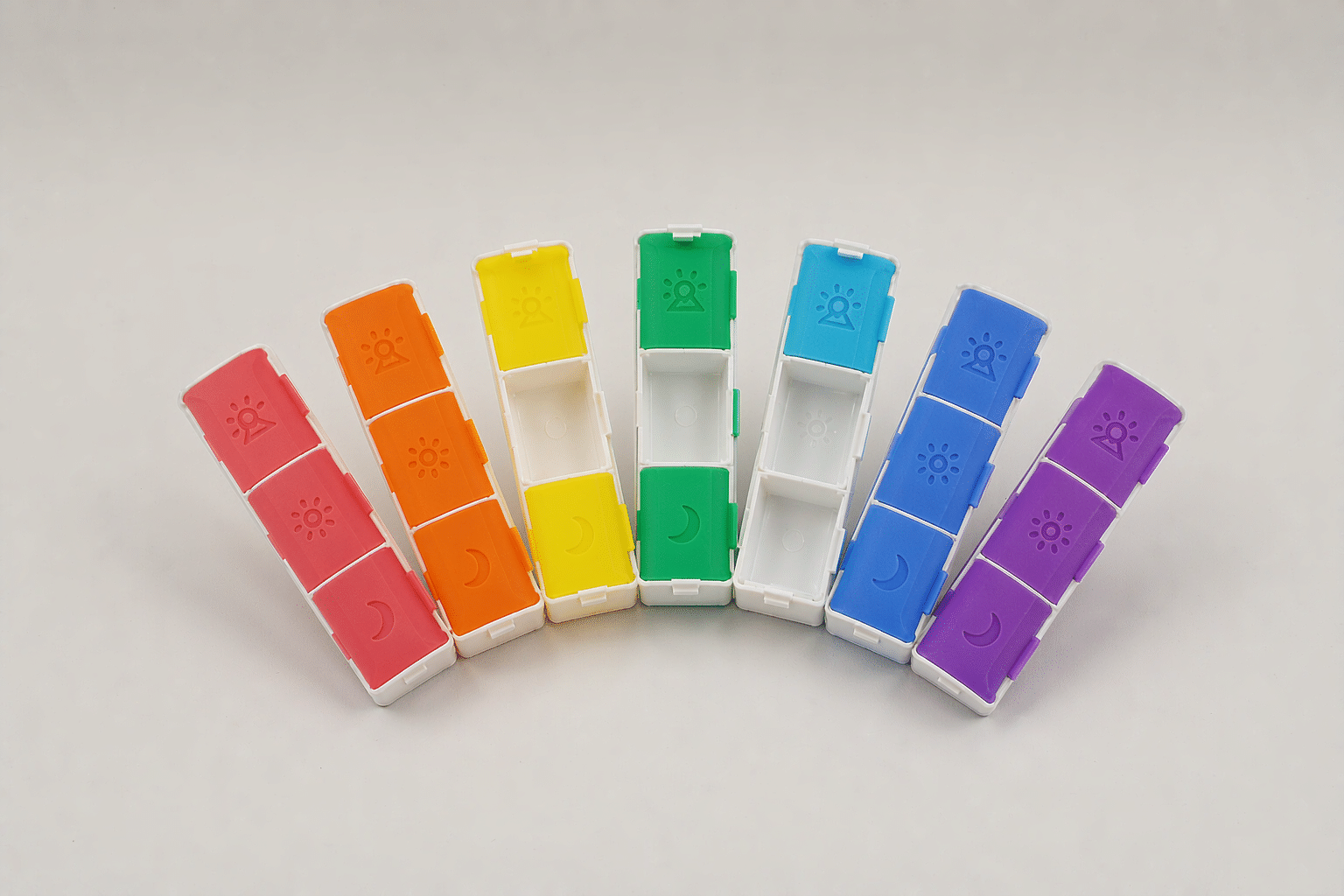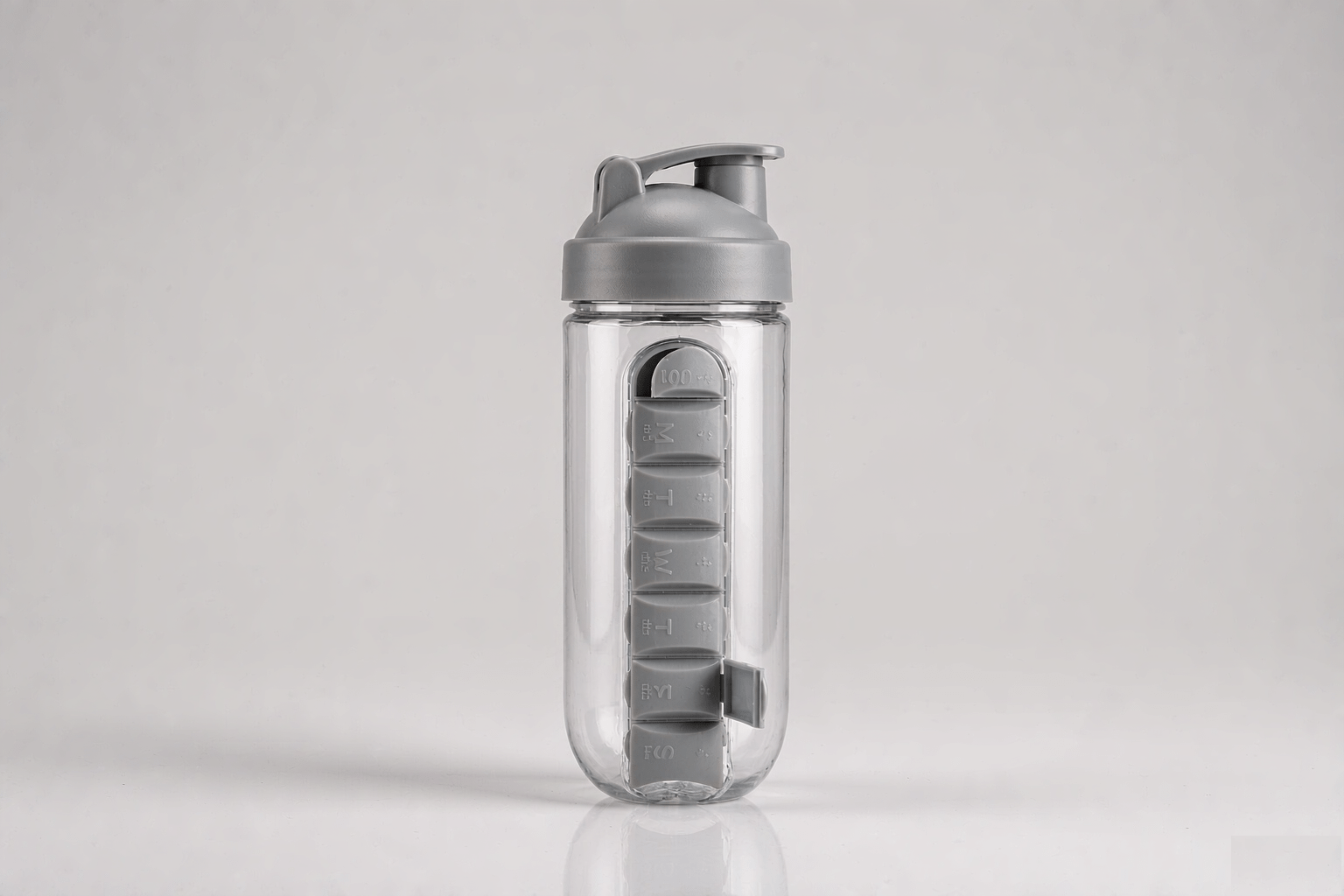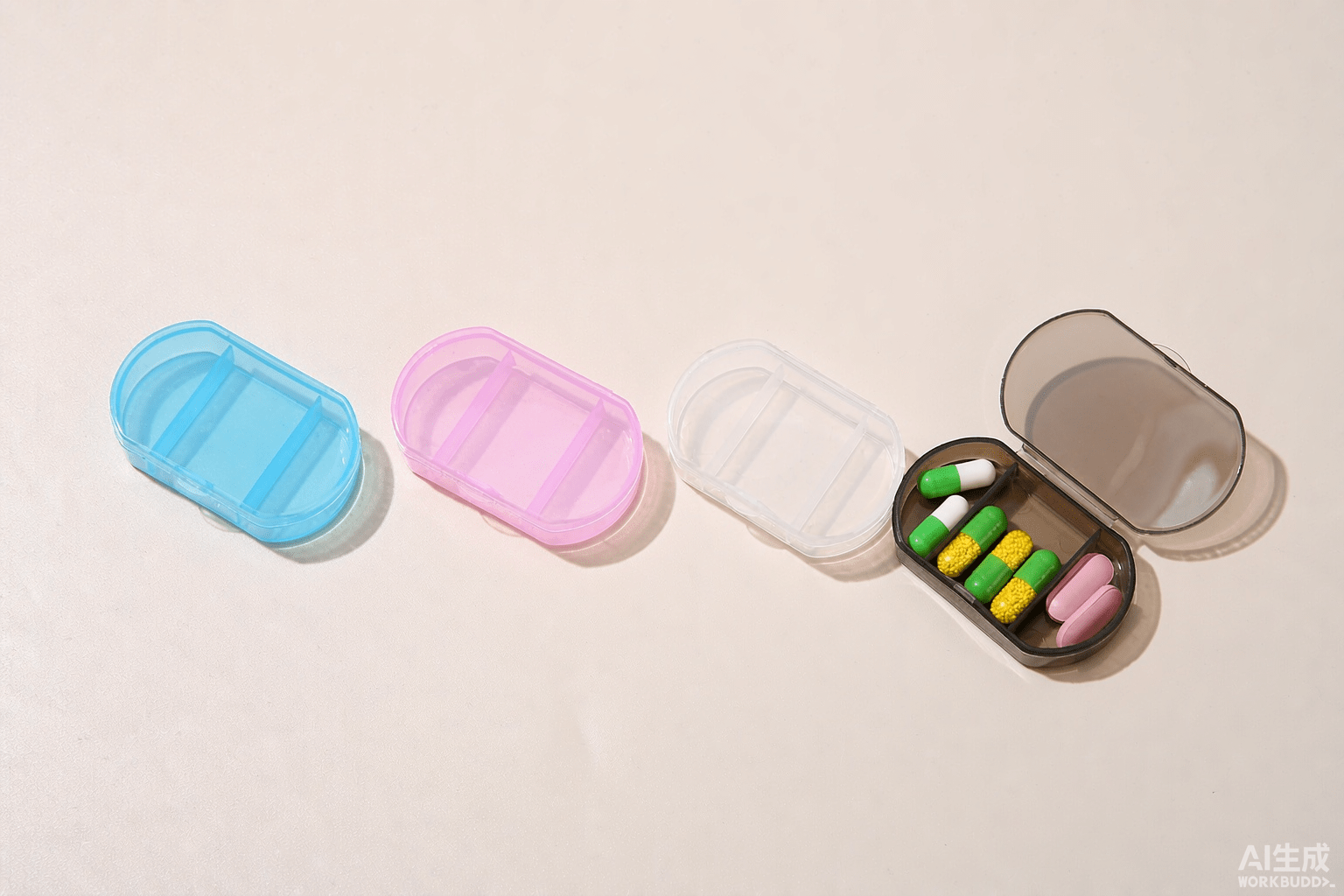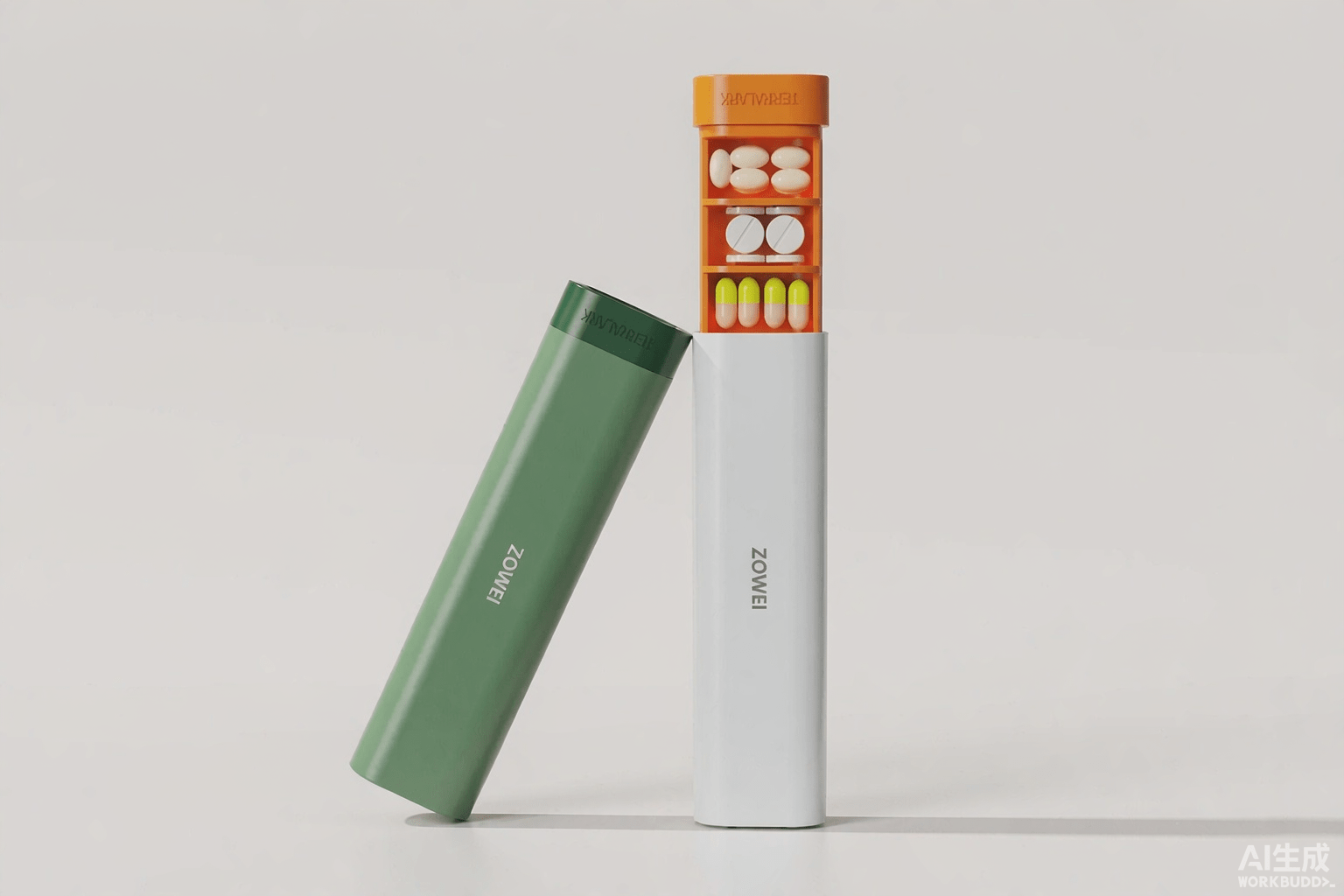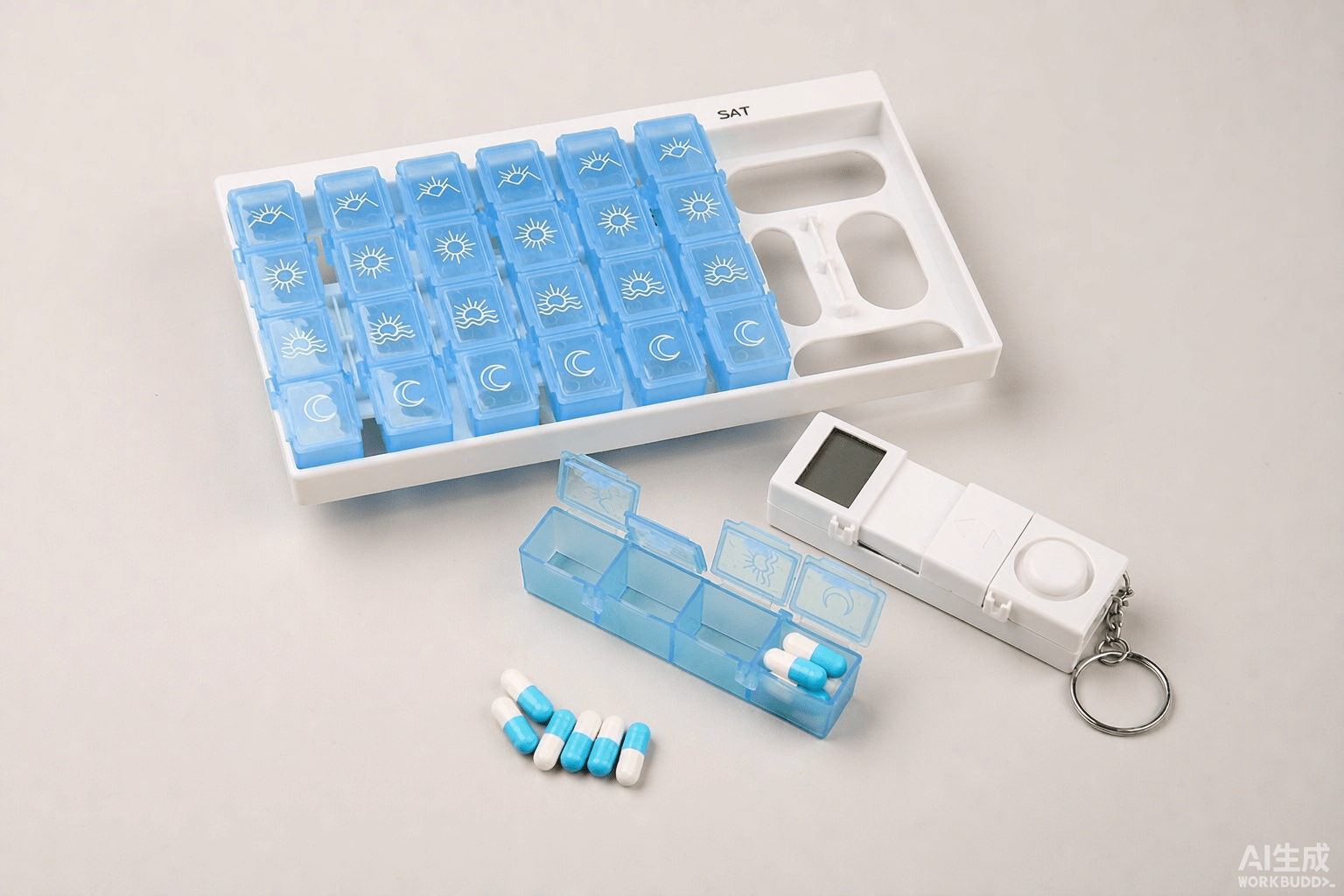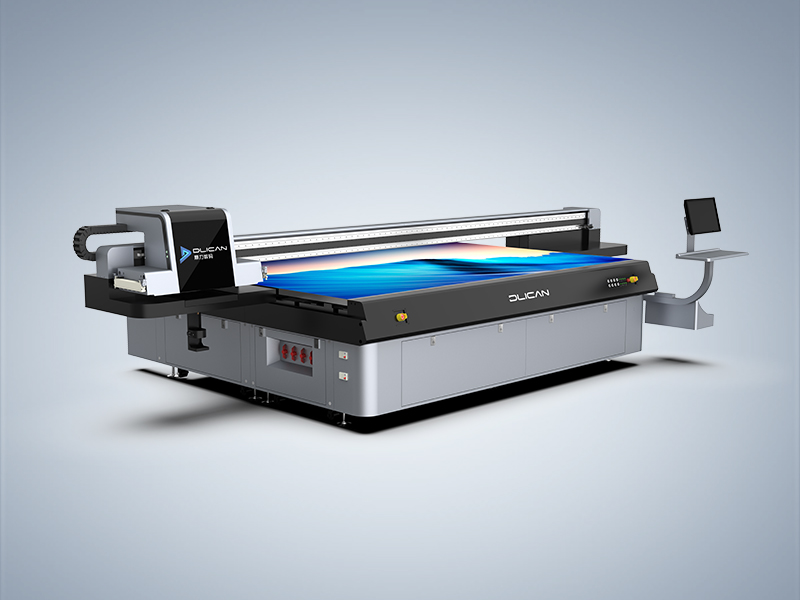
In pharmaceutical packaging, print technology selection is critical. As the “first impression” of a drug, medicine boxes must balance visual appeal with crisp information legibility, safety, and durability. UV printing has become the industry’s top choice for medicine box production. This article explores its technical principles, core benefits, and real-world applications.
How UV Printing Works
UV printing uses ultraviolet-cured inks that solidify instantly under UV light exposure. After ink application, high-intensity UV lamps (e.g., LED-UV) trigger photo-initiators in the ink, transforming it from liquid to solid within seconds. This solvent-free process eliminates drying time, accelerates production, and reduces VOC emissions.
Key Advantages for Medicine Boxes
- Precision & Clarity:
Sharp text reproduction for critical details (batch numbers, expiry dates, dosage instructions) and vibrant brand colors. - Safety & Compliance:
Medical-grade UV inks meet pharmaceutical safety standards (low migration, VOC-free), preventing drug contamination. - Durability:
Resists abrasion, moisture, and chemicals during storage/transport—critical for supply chain integrity. - Anti-Counterfeiting:
Enables invisible UV inks, QR codes, and variable data printing for traceability and brand protection. - Eco-Efficiency:
Zero solvent waste, lower energy use vs. traditional drying methods, and compatibility with recyclable substrates.
Critical Applications
- Regulatory Compliance: Printing minute regulatory text and barcodes that remain legible for years.
- Brand Enhancement: Spot UV coatings for tactile logos, embossed effects, or matte/gloss contrasts.
- Specialized Coatings: Waterproof layers, braille integration, or tamper-evident finishes.
Implementation Best Practices
- Ink Certification: Use only ISO 15378-compliant medical UV inks.
- Curing Calibration: Monitor UV lamp wavelength (365–395 nm) to prevent under/over-curing.
- Workplace Safety: Install UV-shielding equipment and protective eyewear for operators.
- Environmental Control: Maintain 20–25°C and 50–60% humidity to ensure ink stability.
Future Trends
- Smart Integration: AI-powered inline quality control and UV-cured RFID tags for real-time tracking.
- Sustainable Innovation: Bio-based UV inks and compatibility with mono-material recyclable boxes.
Conclusion
UV printing delivers the safety, precision, and efficiency demanded by modern pharmaceutical packaging. As regulations tighten and counterfeit risks grow, it remains indispensable for brands prioritizing patient safety and compliance.