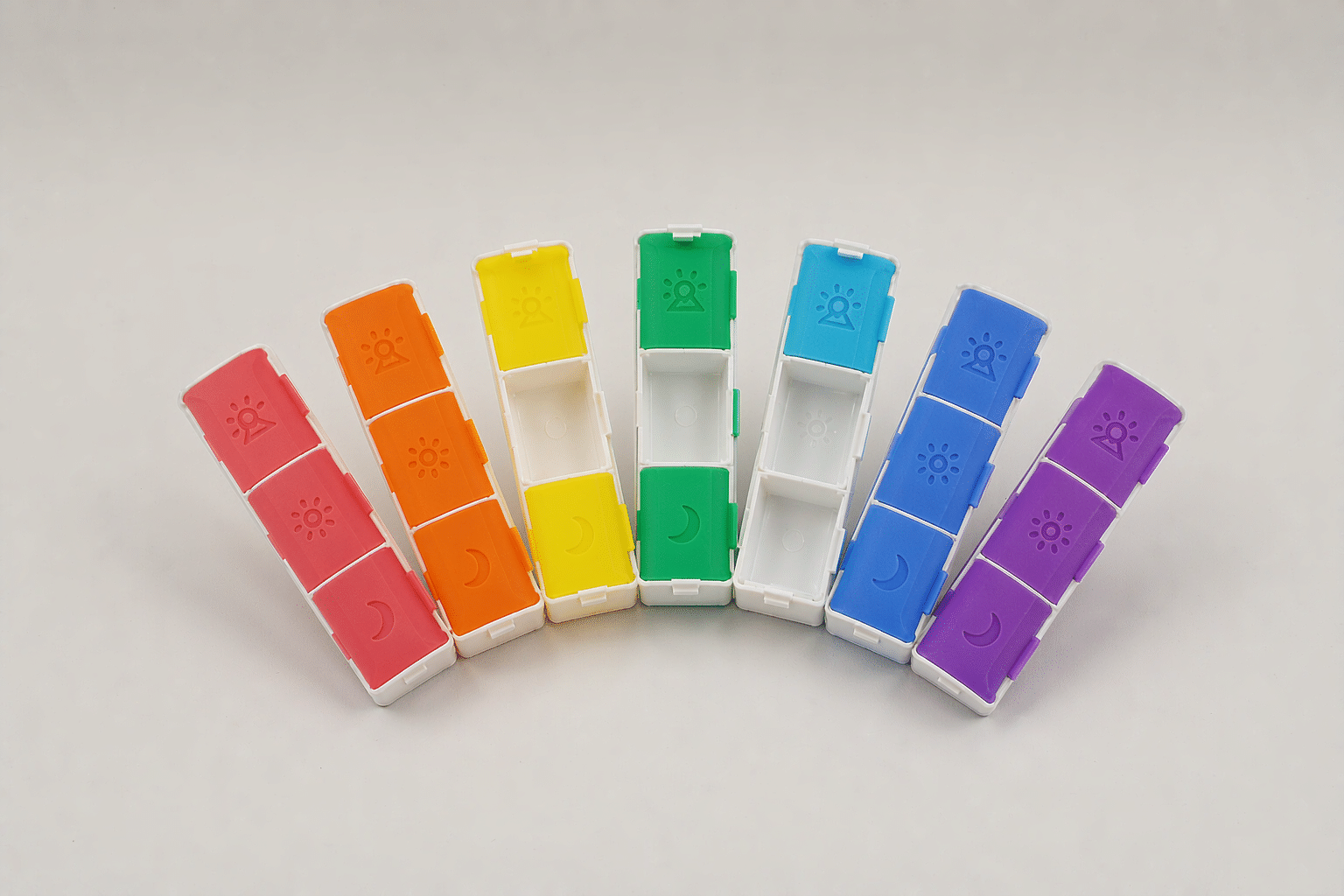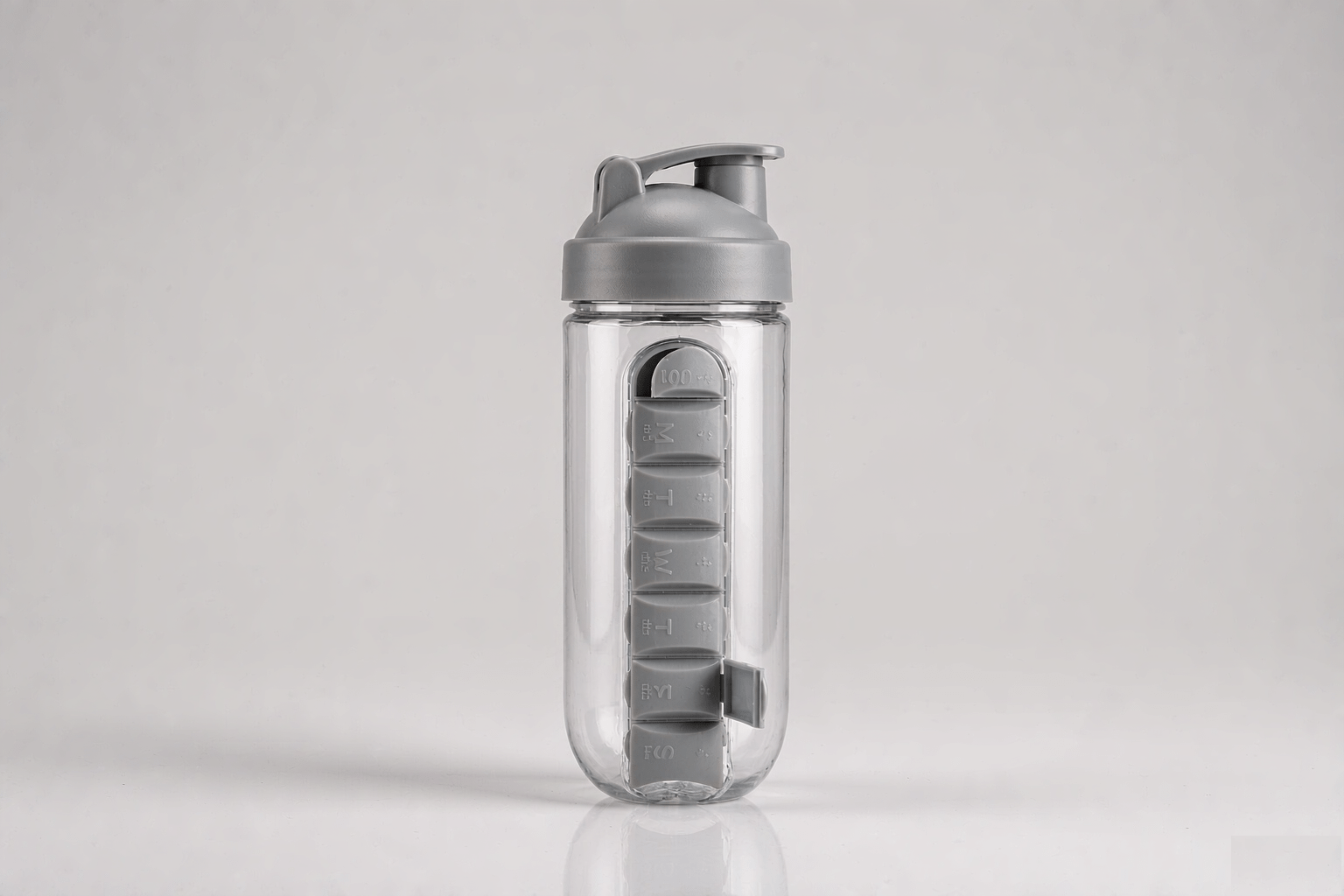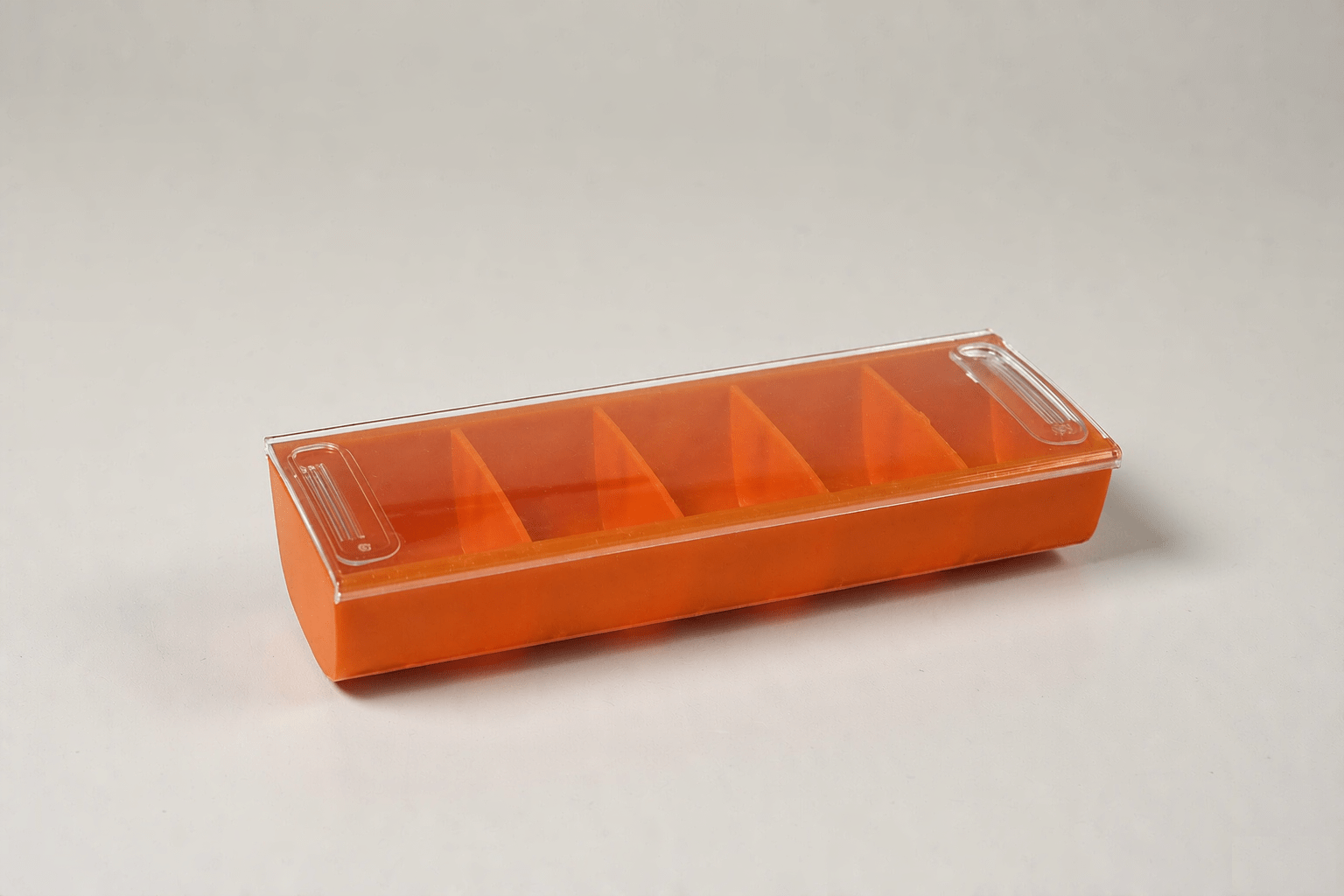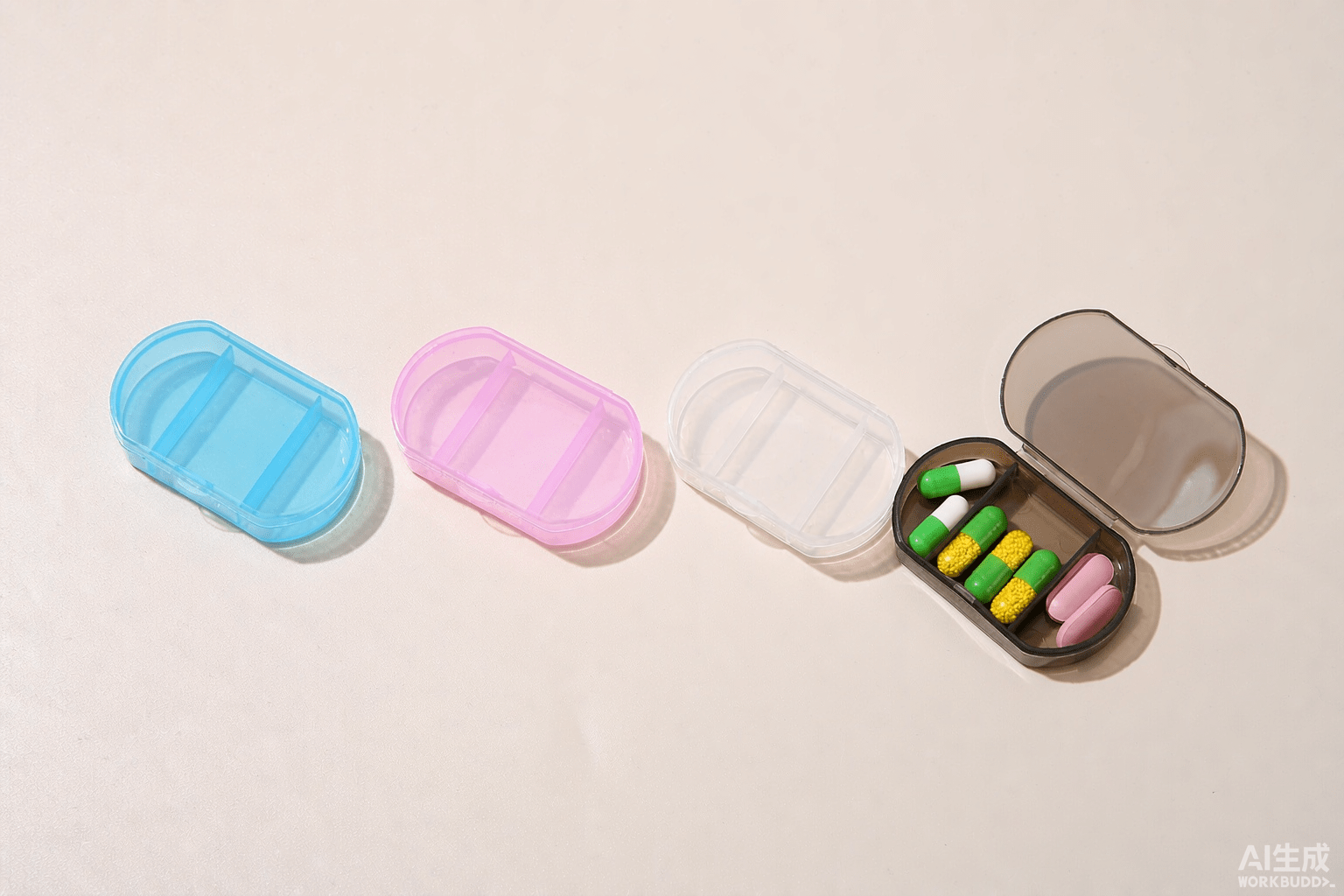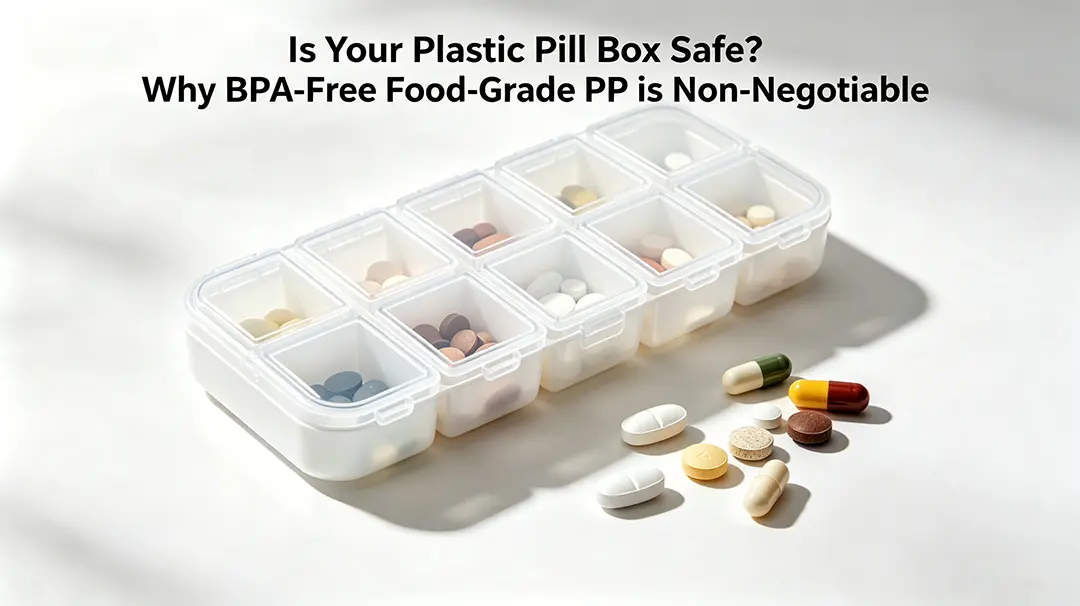
Ensuring the safety of your daily medication management starts with choosing a high-quality Plastic Pill Box. For American consumers, the non-negotiable standard is selecting containers made from BPA-free, food-grade Polypropylene (PP). This material guarantees chemical stability and prevents toxic leaching, making it the safest choice for storing your health essentials.
Understanding the Risks of Low-Quality Plastics
Not all plastic organizers are created equal. Cheaply made containers often utilize recycled materials or inferior plastics containing harmful additives. These low-quality products can release Volatile Organic Compounds (VOCs), resulting in strong chemical odors that may compromise the integrity of your medication.
The Hidden Dangers of BPA and Plasticizers
Bisphenol A (BPA) and certain plasticizers are endocrine disruptors linked to hormonal imbalances and chronic health risks. When exposed to heat or moisture, inferior plastics can leach these toxic substances into your pills. Always verify that your Plastic Pill Box is explicitly labeled as BPA-free to avoid these serious health hazards.
Why Food-Grade Polypropylene (PP) is the Gold Standard
Polypropylene, identified by the recycling code #5, is widely regarded as the safest plastic for medical and food storage. It is naturally free of BPA and does not require toxic plasticizers to maintain its structure. This makes food-grade PP the ideal material for any reliable Plastic Pill Box.
Superior Chemical Stability and Durability
Food-grade PP offers exceptional resistance to acids, bases, and moisture, ensuring your tablets remain dry and potent. Unlike brittle plastics like Polystyrene (PS), PP is highly durable and resistant to cracking. Its chemical inertness means it will not react with your medication, preserving its effectiveness over time.
Practical Tips for Identifying Safe Pill Organizers
When shopping for a new organizer, look for clear “Food Contact Safe” or FDA-compliant markings on the packaging. Reputable manufacturers prioritize transparency and quality control. Avoid unbranded, excessively cheap containers, as they often lack proper safety certifications and may pose hidden health risks to users.
Proper Maintenance for Long-Term Safety
Even the safest Plastic Pill Box requires proper care to remain hygienic. Clean your organizer regularly with mild soap and warm water, avoiding harsh abrasives that can create microscopic scratches where bacteria thrive. Inspect the container for signs of aging, such as cloudiness or deformation, and replace it immediately if damage is detected.