Managing multiple medications or daily supplements can quickly become overwhelming. Missed doses, double-dosing, or simply forgetting whether you’ve taken your morning vitamins are common frustrations. Enter the pill organizer—a simple yet highly effective tool designed to streamline your medication routine. If you’re new to this handy device, this comprehensive guide will walk you through exactly how to use a pill organizer safely and effectively, helping you build better health habits with confidence.
Add Your Heading Text Here
Lorem ipsum dolor sit amet, consectetur adipiscing elit. Ut elit tellus, luctus nec ullamcorper mattis, pulvinar dapibus leo.
Add Your What Is a Pill Organizer?Text Here
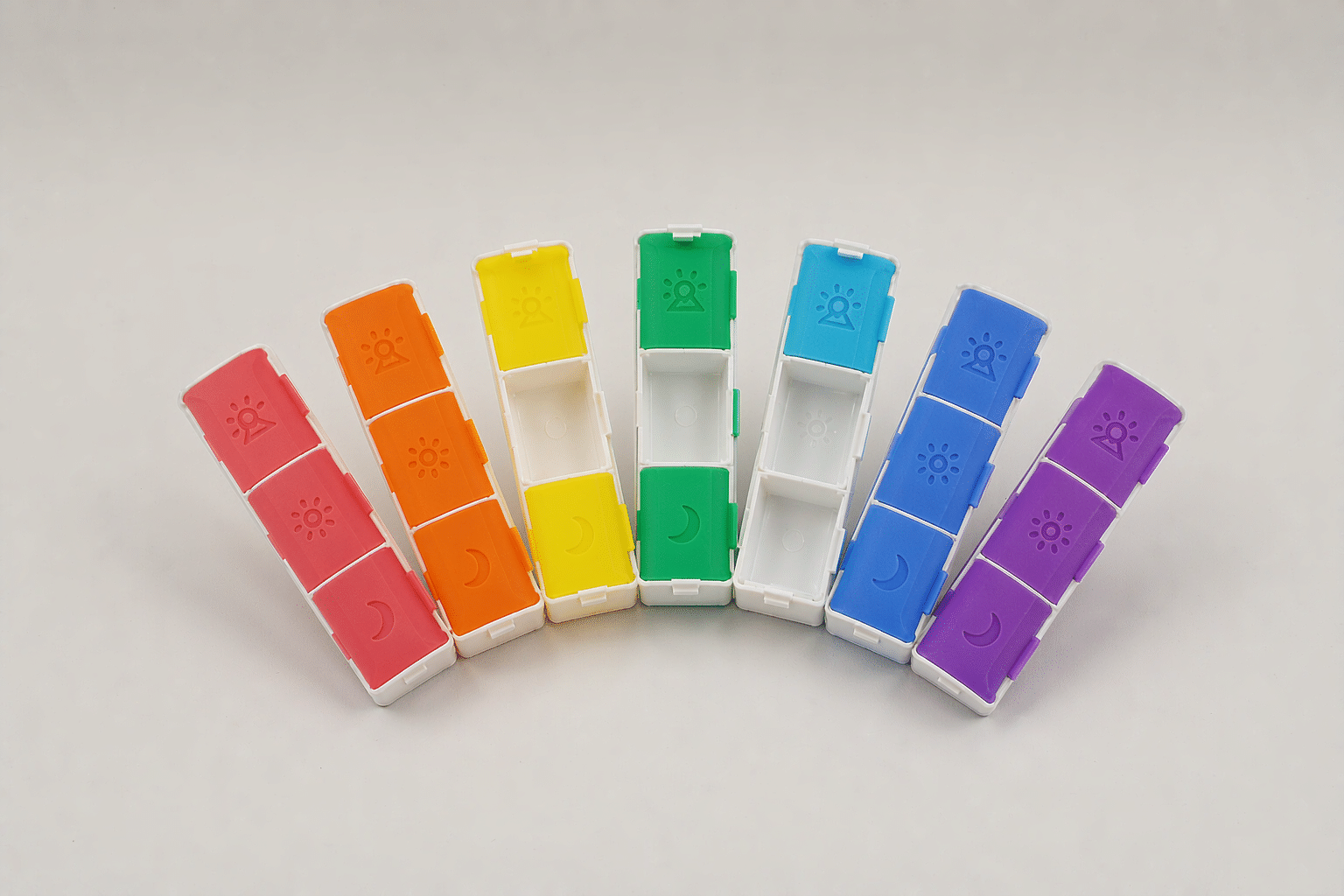
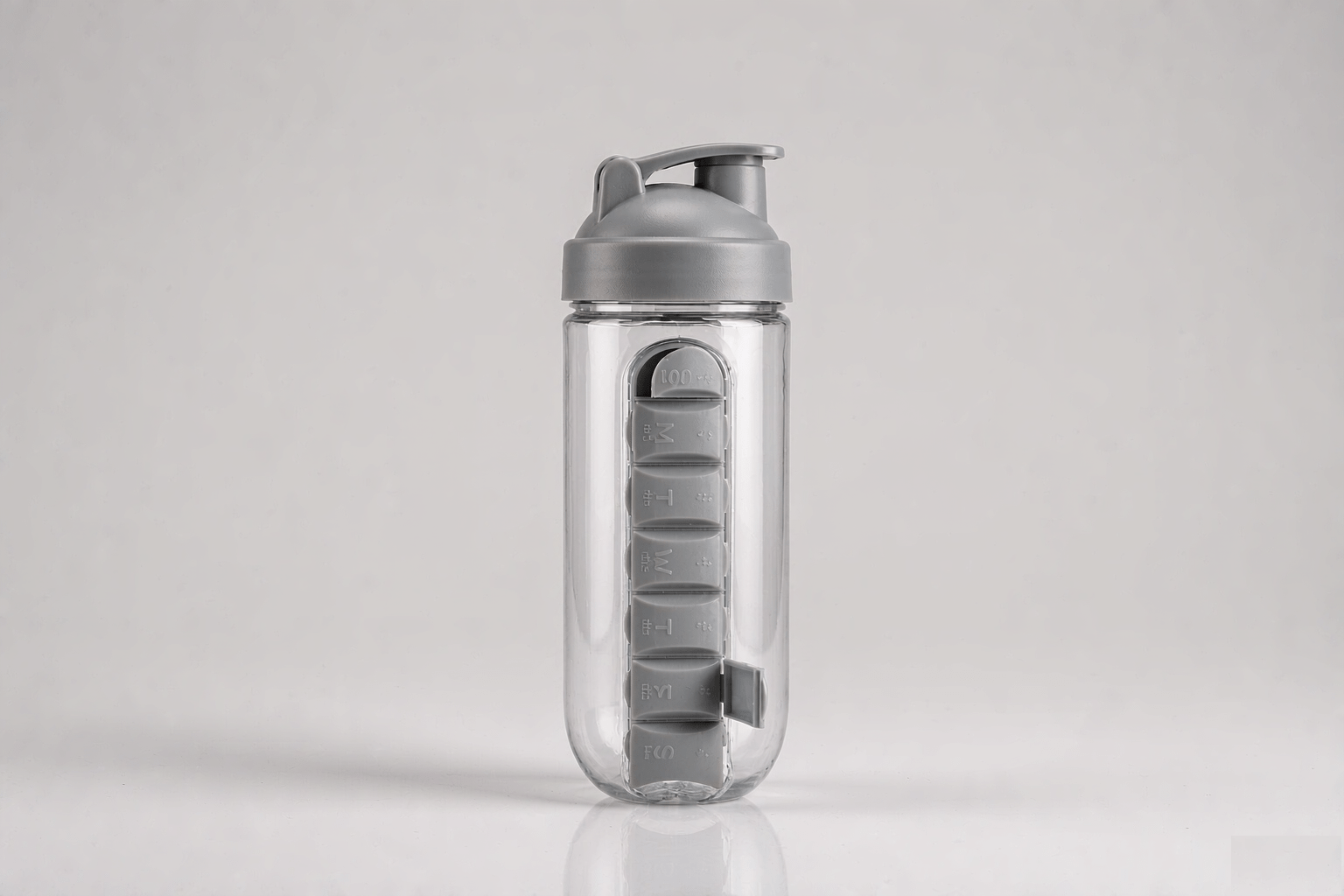
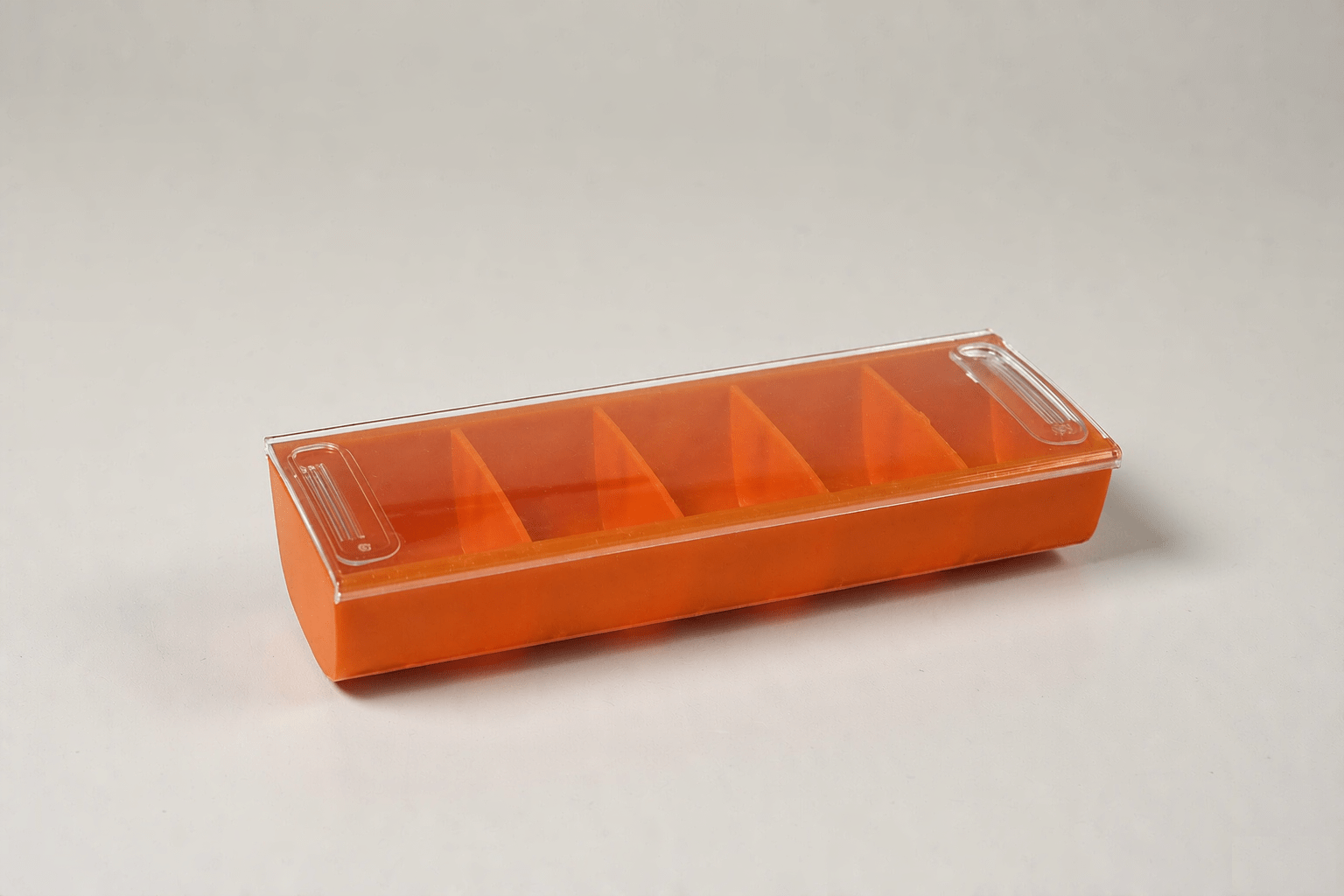
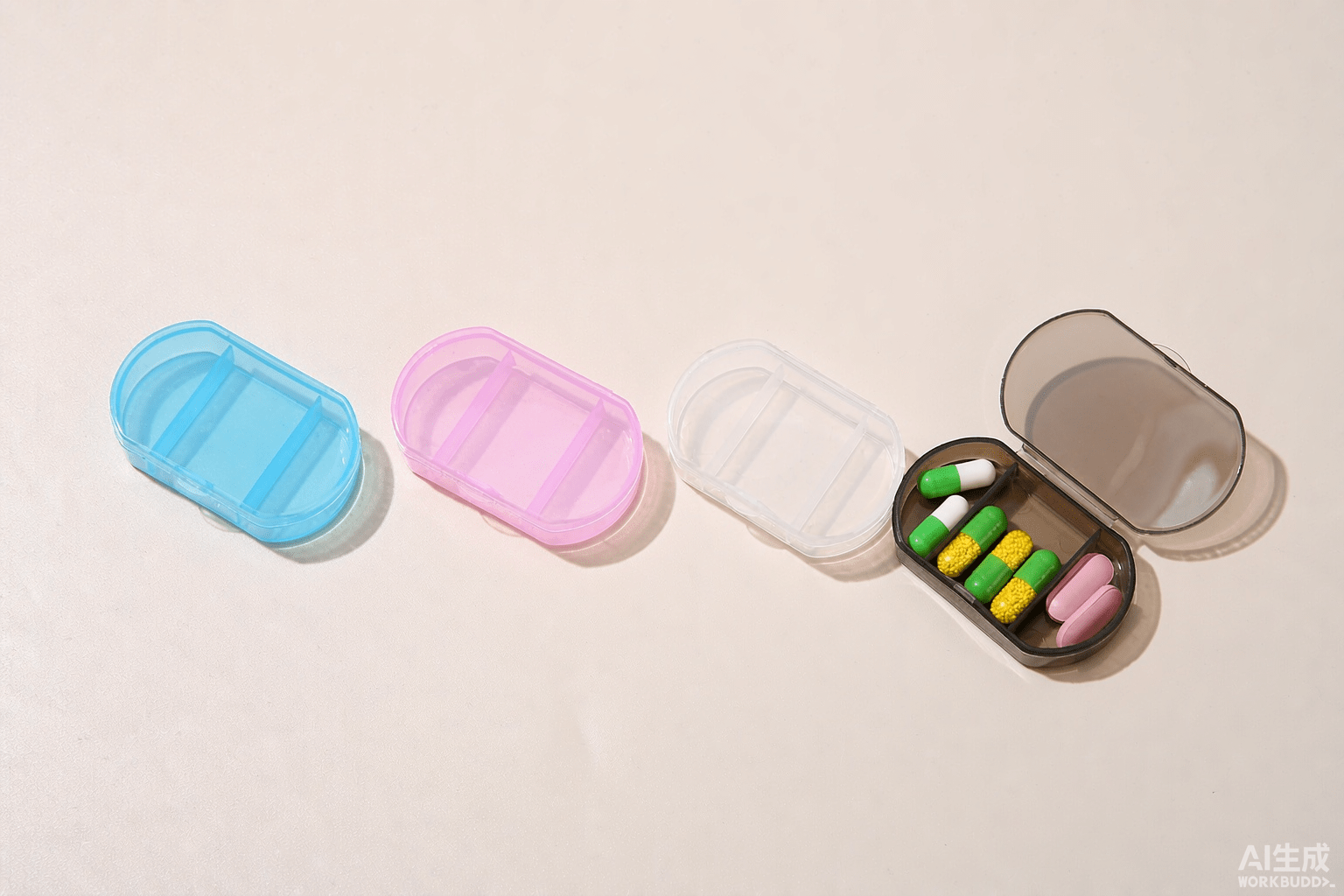
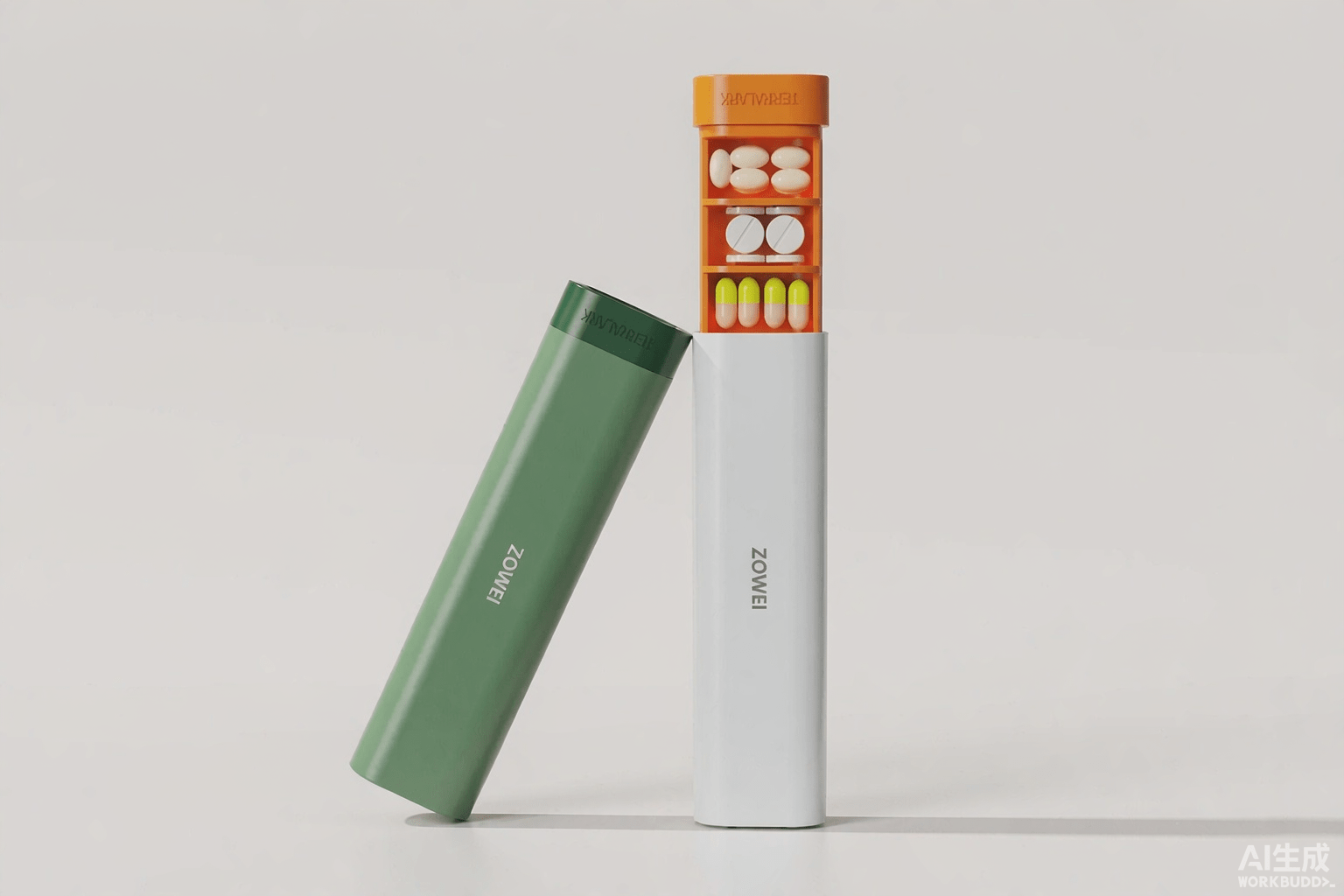
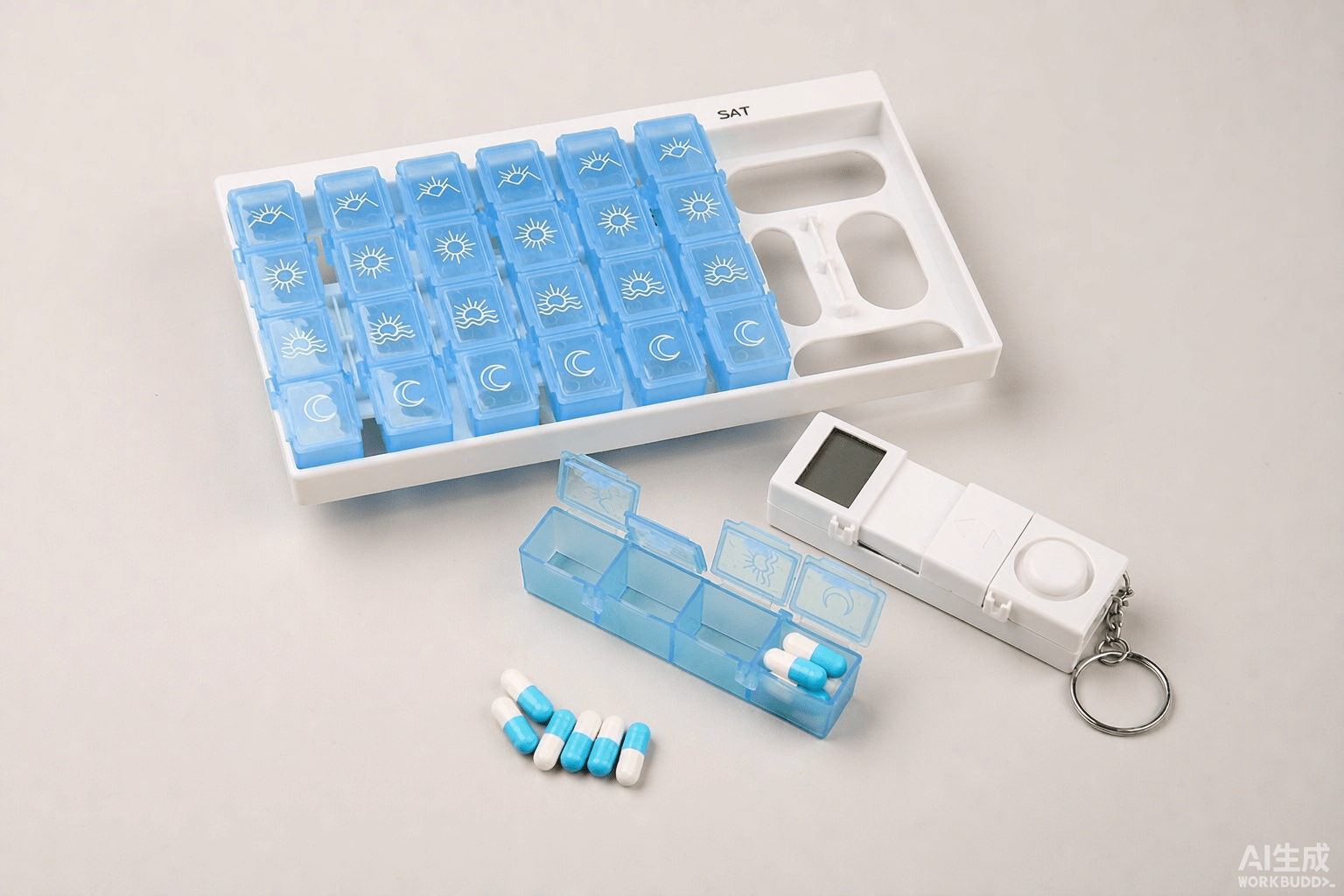
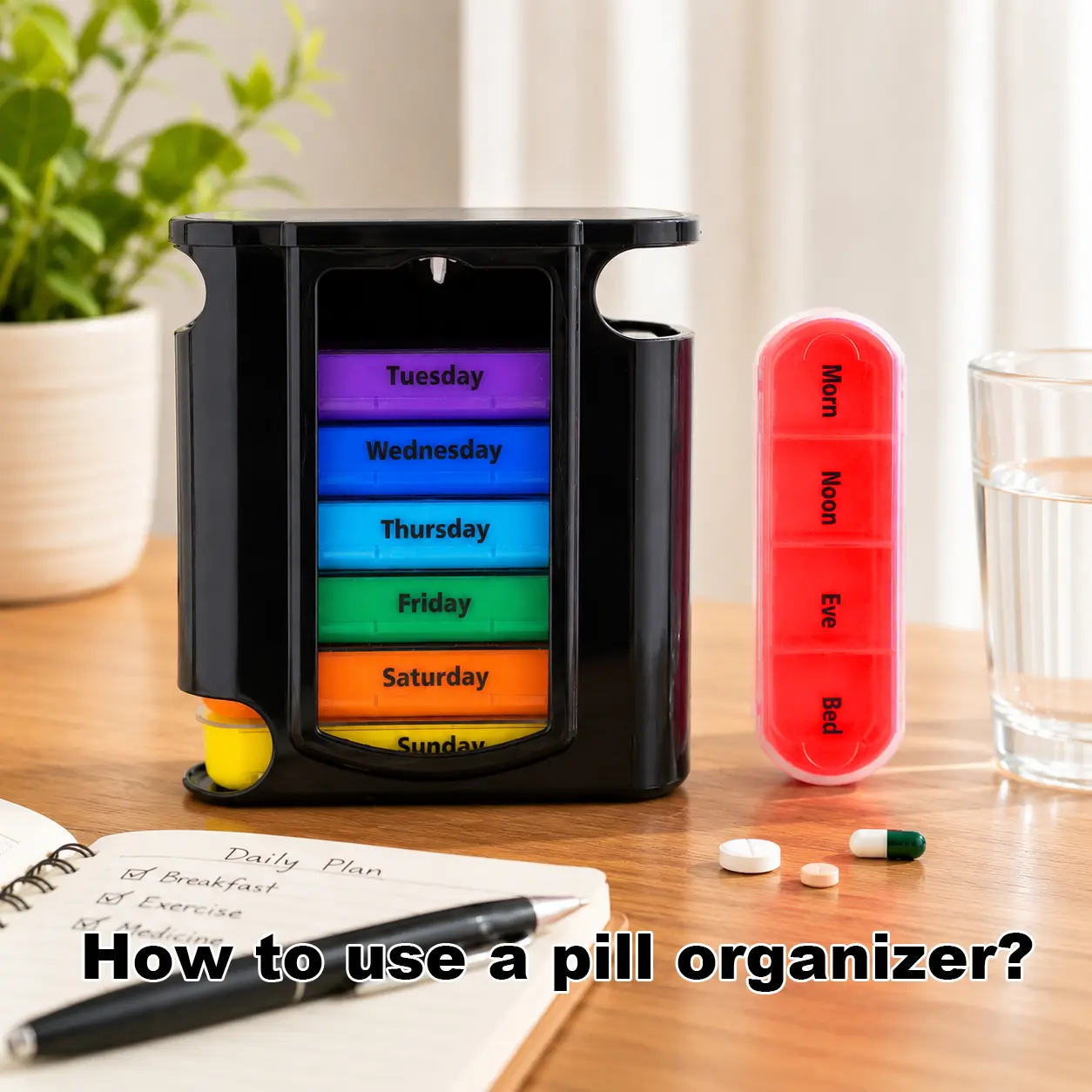
A pill organizer (also known as a pillbox, pill case, or dosette) is a container divided into separate compartments, typically labeled by day of the week and sometimes by time of day (morning, noon, evening, night). These organizers come in various designs, from basic weekly trays to travel-friendly cases with secure latches. Using a pill organizer helps you visually track what you’ve taken and what’s pending, reducing medication errors and providing peace of mind.
Step-by-Step: How to Use a Pill Organizer Properly
1. Choose the Right Pill Organizer for Your Needs
Before you begin, select a pill organizer that fits your lifestyle. Consider factors like the number of medications you take daily, whether you need AM/PM compartments, portability for travel, and ease of opening (especially if you have arthritis). Some modern options even include alarms or smartphone connectivity for added reminders.
2. Set Up a Dedicated Sorting Space
Find a clean, well-lit area with minimal distractions to sort your medications. This reduces the risk of mixing up pills. Always wash your hands before handling medications to maintain hygiene.
3. Sort Medications by Schedule
Start by filling one day at a time. Read each prescription label carefully and place the correct dosage into the corresponding compartment. For example, put your morning blood pressure medication in the “Monday Morning” slot. Work systematically through the entire week. Pro tip: Many pharmacists recommend sorting on the same day each week (e.g., Sunday evening) to establish a consistent routine.
4. Double-Check Before Closing
Before snapping the lid shut, verify that each compartment contains the right pills. Cross-reference with your medication list or pharmacy printout. This quick verification step prevents costly or dangerous mistakes.
5. Store Safely and Out of Reach
Keep your pill organizer in a consistent, easily accessible location—like a bedside table or kitchen counter—but always out of reach of children and pets. Avoid storing it in humid areas like bathrooms, as moisture can degrade certain medications.
6. Refill Consistently
Set a recurring calendar reminder or pair refilling with an existing habit (like Sunday dinner prep). Consistency is key to making your pill organizer work long-term.
Best Practices for Maximizing Effectiveness
- Never Pre-Sort Too Far in Advance: Most experts advise against filling more than one week ahead unless your pharmacist confirms the medications are stable. Some drugs lose potency when exposed to air or light over time.
- Use Blister Packs for Low Adherence: Research suggests that for individuals who struggle with consistency, pre-filled blister packs may improve adherence more effectively than traditional pill organizers. However, combining both systems can offer flexibility and visual tracking.
- Customize for Clarity: Add color-coded stickers or labels if your pill organizer lacks clear markings. Visual cues significantly reduce confusion, especially for those managing complex regimens.
- Travel Smart: When traveling, keep your pill organizer in your carry-on luggage. Bring a backup supply in original packaging in case of delays or lost items.
Common Mistakes to Avoid
- Skipping Verification: Never assume you placed the right pill without checking. Fatigue or distraction leads to errors.
- Ignoring Expiration Dates: Regularly review medications in your pill organizer and discard expired items promptly.
- Sharing Organizers: Each person’s medication needs are unique. Never share your pill organizer with others, even family members.
Why Consistency Matters
Studies show that using a pill organizer significantly improves medication adherence, particularly when paired with behavioral cues like routine refilling and visual tracking. Whether you’re managing chronic conditions, post-surgery recovery, or daily wellness supplements, this small tool delivers outsized impact on your health outcomes.
Final Thoughts
Learning how to use a pill organizer correctly transforms medication management from a source of stress into a seamless part of your daily rhythm. By following these steps, prioritizing safety, and maintaining consistency, you’ll not only protect your health but also reclaim mental energy for what truly matters. Ready to simplify your routine? Grab a pill organizer today and take control—one compartment at a time.