In global pharmaceutical packaging and health product trade, CE certification is the mandatory passport for entering the European Economic Area (EEA). For pill box manufacturers, understanding and meeting CE compliance requirements is not only a prerequisite for legally selling products in the EU but also a key factor in winning the trust of global buyers and end consumers.
Clarifying the Concept: The Nature and Scope of CE Certification
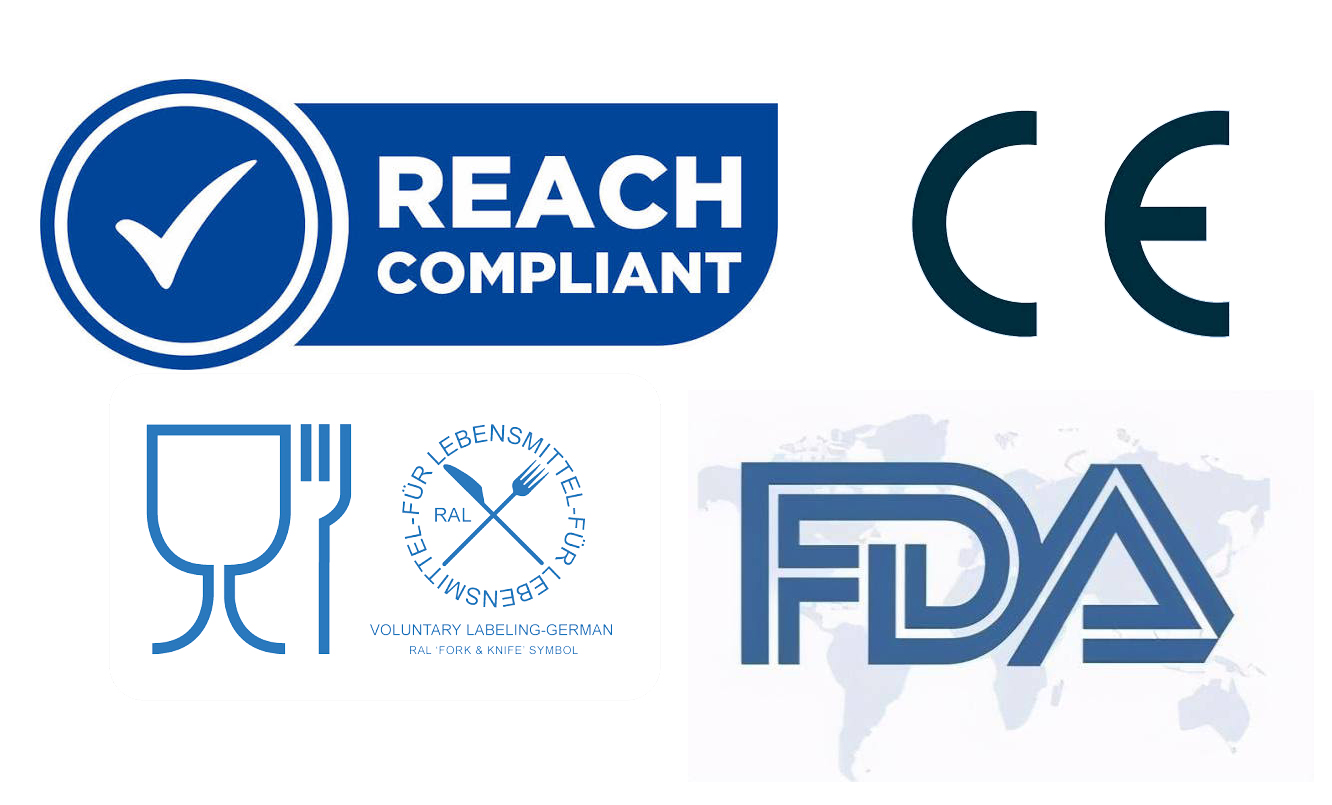
It is essential to clarify a core concept: the CE mark is not a general quality certification but a legally mandated safety conformity mark. It represents the manufacturer’s declaration that their product meets all applicable EU Directives or Regulations. For pill boxes, the applicable directives depend on the product’s functionality. Standard pill boxes typically fall under the Low Voltage Directive (LVD) and Electromagnetic Compatibility (EMC) Directive. However, smart pill boxes with medication reminders and remote monitoring capabilities are classified as medical devices and must comply with the stricter Medical Device Regulation (MDR 2017/745). Additionally, smart pill boxes with wireless communication features (e.g., Bluetooth, Wi-Fi) must also meet the Radio Equipment Directive (RED) requirements.
Core Compliance Requirements: Safety, Health, and Environmental Protection
Certification Process and Conformity Assessment Routes
- Identify Applicable Directives and Standards: Determine the applicable EU directives and harmonized standards based on the pill box’s functionality and intended use.
- Prepare Technical Documentation: This is the core evidence of CE certification and must include product design drawings, key component lists, risk assessment reports, test reports, and user manuals. Technical documentation must be kept within the EU for at least 10 years.
- Select a Conformity Assessment Procedure: Low-risk products (such as some standard pill boxes) may undergo “internal production control” with a self-declaration of conformity by the manufacturer. High-risk products (such as smart medical devices) must be tested or certified by an EU-designated Notified Body.
- Sign the Declaration of Conformity (DoC) and Affix the Mark: The manufacturer must sign a legally binding EU Declaration of Conformity and clearly, permanently affix the CE mark to the product or its packaging (with a minimum height of 5mm). If certified by a Notified Body, the institution’s identification number must be placed next to the CE mark.
Conclusion: Compliance as the Strategic Cornerstone of Global Competition
Whether dealing with traditional paper and plastic pill boxes or emerging smart pill boxes, meeting CE compliance requirements is the first step in a company’s global expansion. This not only helps businesses avoid risks such as product recalls, hefty fines, or even criminal liability due to non-compliant sales, but also significantly enhances brand bargaining power and competitiveness in the high-end international market by establishing a closed-loop quality system spanning “R&D, production, and testing.” For pill box manufacturers, planning budgets in advance, monitoring regulatory updates, and strictly controlling production processes are the best strategies for transforming compliance into a competitive market advantage.