In the global pharmaceutical packaging and health products industry, product compliance is the core threshold for entering international markets. For pill box manufacturers planning to export to Germany and the broader European market, LFGB certification is undoubtedly one of the most common and valuable compliance certificates. As the most critical fundamental legal document in Germany’s food hygiene management sector, LFGB is not only a mandatory regulatory barrier but also a powerful marketing tool that conveys a strong commitment to product safety and high quality to global consumers.
LFGB Certification: The Mandatory Safety Cornerstone for the German Market
LFGB stands for Lebensmittel- und Futtermittelgesetzbuch (Food, Commodities, and Feed Code). Officially enacted in September 2005, it replaced the former Food and Commodities Act (LMBG). This regulation sets comprehensive and fundamental requirements for food and all daily commodities that come into contact with food or pharmaceuticals in the German market. For products like pill boxes, which may directly contact medications or require exceptionally high hygiene standards, passing LFGB testing means the product strictly complies with Sections 30 and 31 of the German Food and Commodities Act. It is authoritatively proven to be free of chemically toxic substances, thereby granting legal sales qualifications in Germany and the broader European and American markets.
Rigorous Testing Protocols: Ensuring Comprehensive Material Safety
The reason LFGB certification is highly respected in the industry lies in the comprehensiveness and strictness of its testing protocols. For common pill box materials such as plastics, synthetic materials, paper products, or metal components, LFGB testing covers multiple dimensions, ranging from initial sample inspection to chemical hazard assessment. Core testing items include:
- Sensory Evaluation: Testing for odor and taste transfer to ensure materials do not contaminate the contents.
- Plastic Materials: Testing for transferable components and leachable heavy metals.
- Metal Materials: Composition analysis and heavy metal leaching tests.
- Special Materials: Testing for volatile organic compounds (VOCs) in materials like silicone.
- Hazardous Substances: Strict detection of azo dyes potentially used in textiles, leather, or paper products, as well as harmful chemical components and heavy metal content in various materials, eliminating toxic substances harmful to the human body at the source.
The “Fork and Glass” Symbol: Boosting Consumer Trust and Purchase Intent
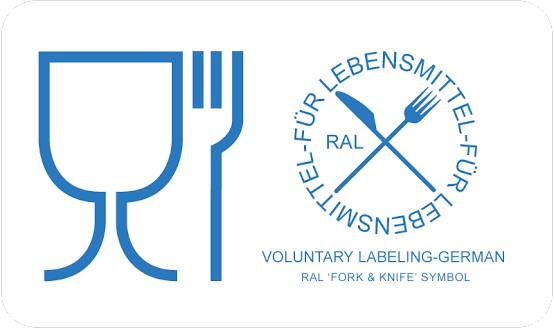
Products that pass LFGB testing are authorized to bear the highly recognizable “Fork and Glass” symbol. In the European market, this symbol is not merely a simple food safety icon but a powerful tool for market competitiveness. When consumers see the Fork and Glass symbol on pill boxes or related health product packaging, it signifies that the product has passed rigorous testing in compliance with German and European standards. This intuitive visual endorsement significantly enhances customer confidence, effectively boosts purchase intent, and helps brands stand out in the fiercely competitive European market.
Conclusion: Compliance is the First Step in Global Expansion
As global consumers pay increasing attention to the safety of health products, obtaining LFGB certification is no longer just a compliance task; it is a key strategy for building a brand moat. For pill box and related daily commodity manufacturers, completing LFGB testing and obtaining a valid certificate early on is not only the “golden key” to unlocking the German and European markets but also the best business card to demonstrate corporate social responsibility and exceptional quality to global partners and end-users.